








Travelling through Europe is a feast for the senses, but some foods leave American visitors scratching their heads.
From savoury dishes that look like desserts to condiments that don’t quite taste how they expect, European dining can be full of surprises.
These local favourites might seem puzzling at first, but once you understand them, they often become unforgettable.
All information is provided for general interest only. Recipes, ingredients, and availability may vary depending on region and season.
1. Haggis (Scotland)
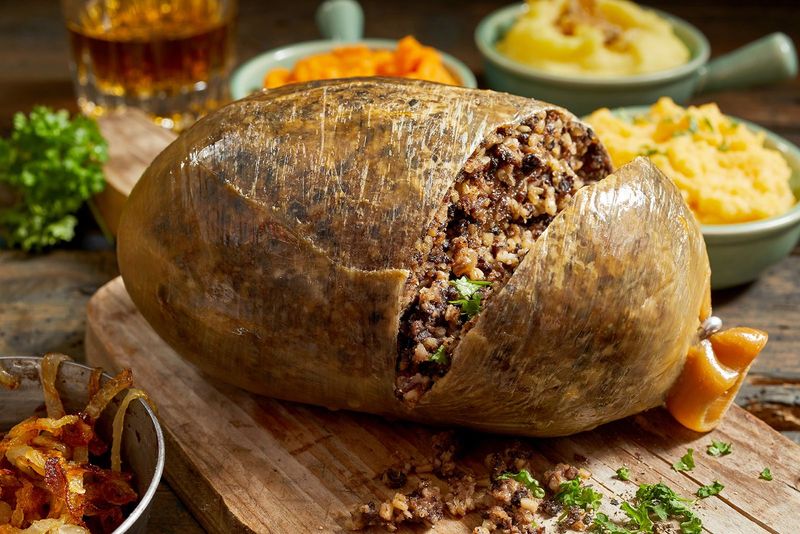
Scotland's national dish combines sheep's heart, liver, and lungs mixed with oatmeal, onions, and spices, all stuffed inside a sheep's stomach.
The unique ingredients often surprise visitors unfamiliar with traditional Scottish recipes.
Despite its unusual ingredients, haggis tastes savoury and peppery, similar to spiced sausage.
Scots traditionally serve it with mashed potatoes and turnips during Burns Night celebrations every January.
2. Blood Sausage (Germany / Belgium / Netherlands / France)
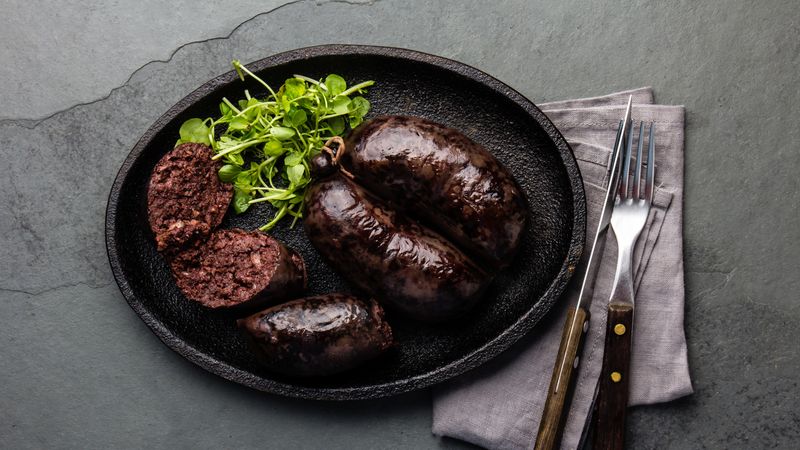
Made from congealed animal blood mixed with fat and grain, this dark sausage appears on breakfast tables across multiple European countries.
Americans often feel squeamish about eating blood as a main ingredient.
Each region adds its own twist - Germans prefer it with onions, whilst the French version includes cream.
The texture stays soft and crumbly, with a rich, earthy flavour that surprises first-time tasters.
3. Lutefisk (Norway)
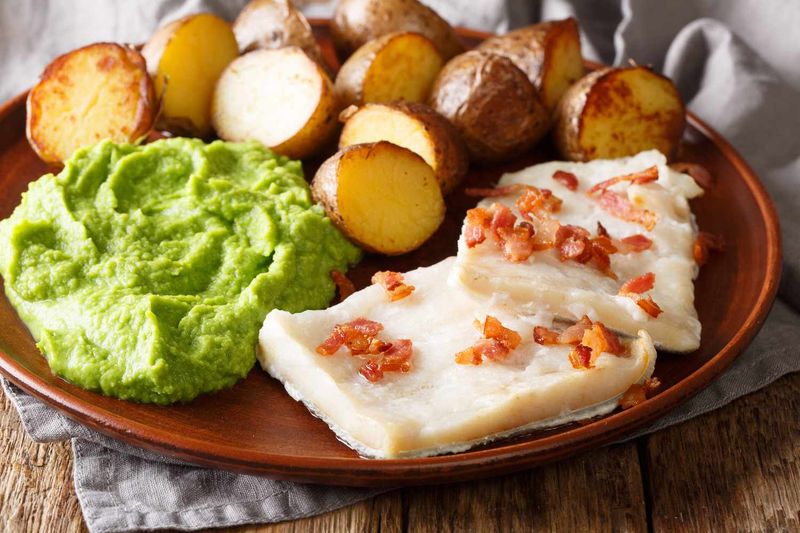
Dried whitefish soaked in lye for days creates this jelly-like dish that wobbles on the plate.
The chemical treatment breaks down the fish proteins, resulting in a texture Americans find completely baffling.
Norwegians eat it during Christmas celebrations with potatoes, peas, and bacon.
The smell can be quite strong, and the slippery consistency takes courage for visitors to try their first bite.
4. Black Pudding (United Kingdom / Ireland)
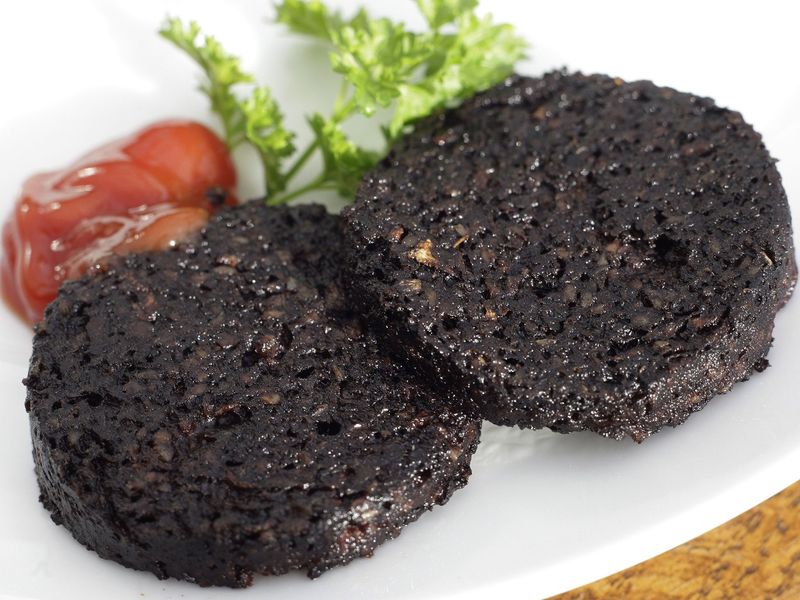
Similar to blood sausage but distinctly British, black pudding uses pig's blood with oatmeal and fat formed into thick rounds.
It's a breakfast staple that often shocks American tourists ordering a full English.
The dark, almost black colour comes from the cooked blood, giving it a dense, crumbly texture.
Irish and British locals love it fried until crispy on the outside, paired with eggs and toast.
5. Surströmming (Sweden)
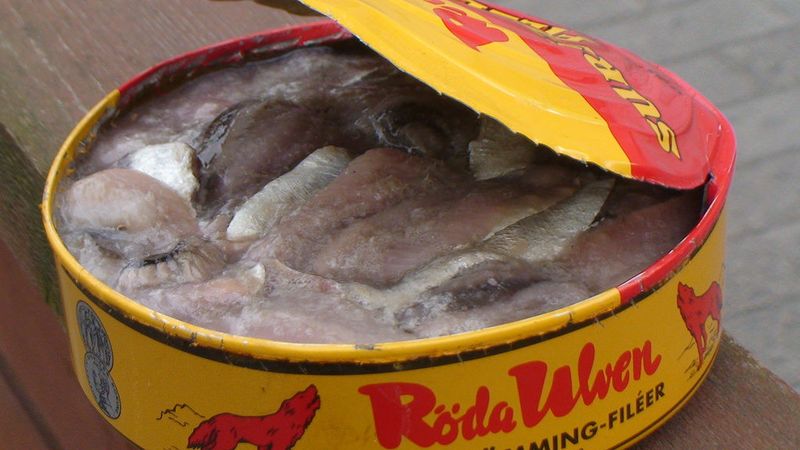
Fermented Baltic herring packed in tins creates one of the world's smelliest foods.
The odour is famously strong, so cans are usually opened outdoors.
The fermentation process continues inside the can, causing it to bulge.
Americans visiting Sweden often decline trying it after catching a whiff, though locals eat it on flatbread with potatoes and onions without flinching.
6. Escargots (France)
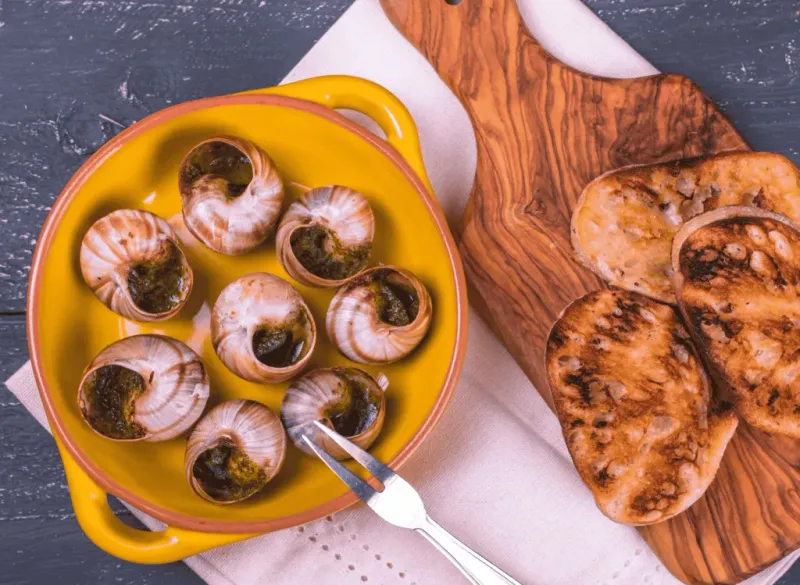
Garden snails cooked in garlic butter and parsley sound fancy until Americans realise they're eating actual snails from the garden.
The idea of munching on something that leaves slime trails feels wrong to many visitors.
French restaurants serve them in special dishes with small forks for pulling the meat out.
The snails themselves taste mild, whilst the garlic butter provides most of the flavour that makes them a delicacy.
7. Tripe Stew - Trippa Alla Romana (Italy)
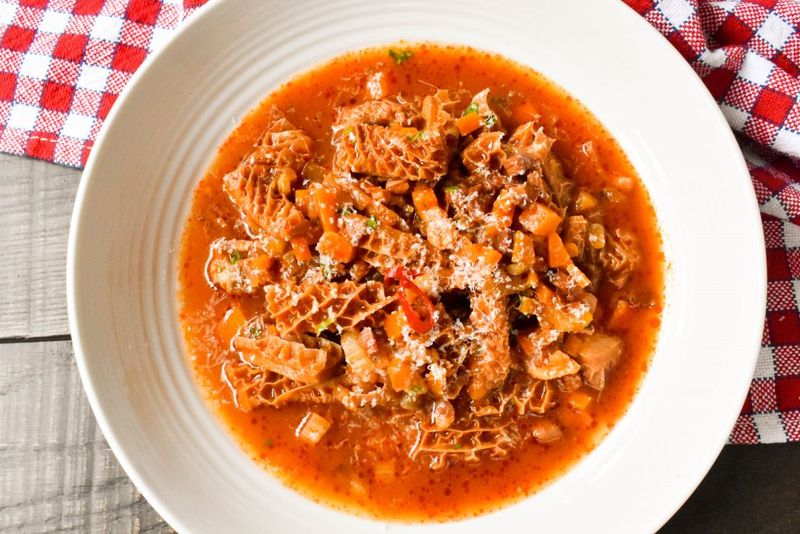
Cow stomach lining cooked slowly in tomato sauce with mint and pecorino cheese is a Roman comfort food.
The chewy, honeycomb-textured meat confuses Americans who aren't used to eating stomach as a meal.
Romans have perfected this recipe over centuries, simmering the tripe until tender.
Street vendors and traditional trattorias serve it steaming hot, though tourists often pass once they learn what part of the animal it comes from.
8. Pickled Herring (Netherlands / Scandinavia)
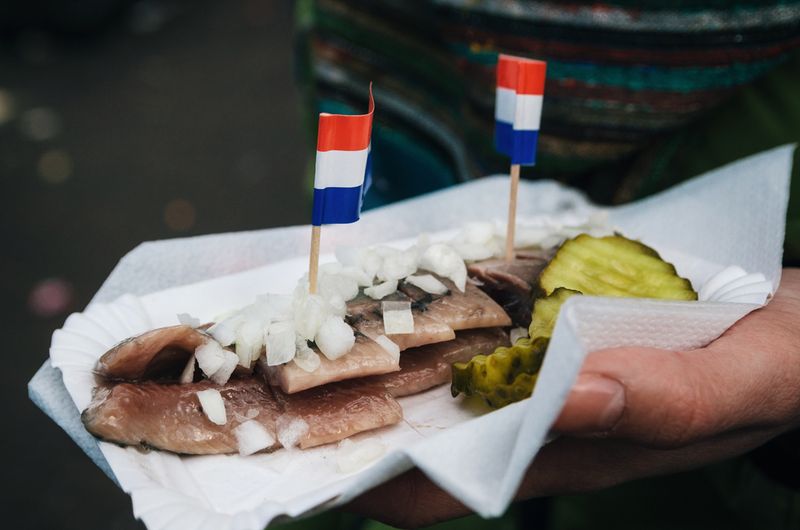
Raw herring cured in vinegar and salt appears at Dutch fish stands and Scandinavian buffets everywhere.
Americans struggle with the strong fishy taste and the idea of eating uncooked fish straight from a street cart.
Dutch people grab the herring by the tail and drop it into their mouths in one go.
The fish stays soft and tangy, often topped with raw onions for extra bite that makes the experience even more intense.
9. Head Cheese (Germany / Central Europe)
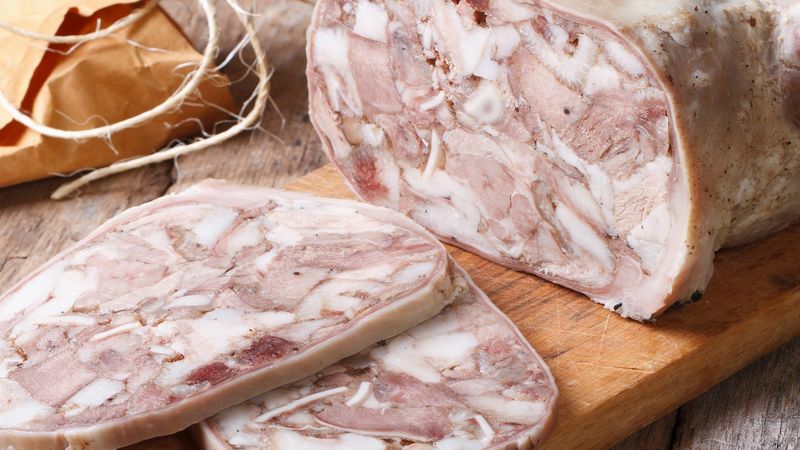
Despite its name, this contains no cheese at all - it's meat jelly made from boiling a pig's head until everything turns gelatinous.
The chunks of meat suspended in clear jelly look strange to American eyes.
Germans slice it cold and eat it on bread with mustard.
The wobbly texture and distinct cuts of pork visible within the jelly make it challenging for visitors who prefer not knowing which animal parts they're consuming.
10. Sea Urchin - Ricci Di Mare (Italy / Mediterranean)
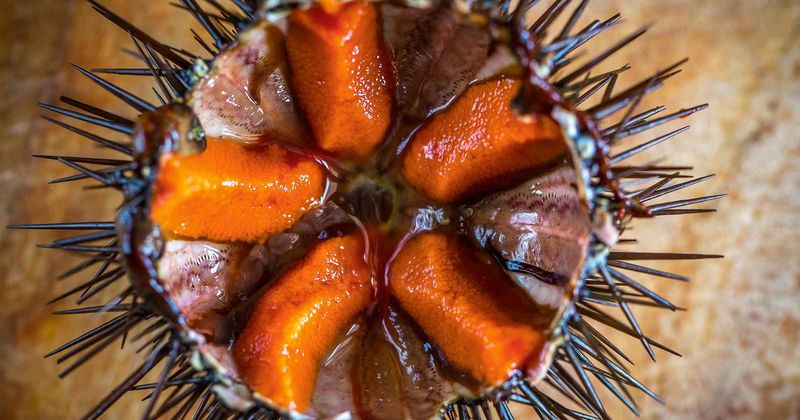
Spiky sea creatures cracked open to reveal bright orange, creamy insides that Italians eat raw with a spoon.
Americans find the appearance off-putting and the strong ocean flavour overwhelming on first taste.
Mediterranean coastal towns serve them fresh from the sea, still in their spiny shells.
The texture feels soft and custard-like, tasting intensely of the ocean in a way that surprises visitors expecting something milder.
11. Jellied Eels (England)
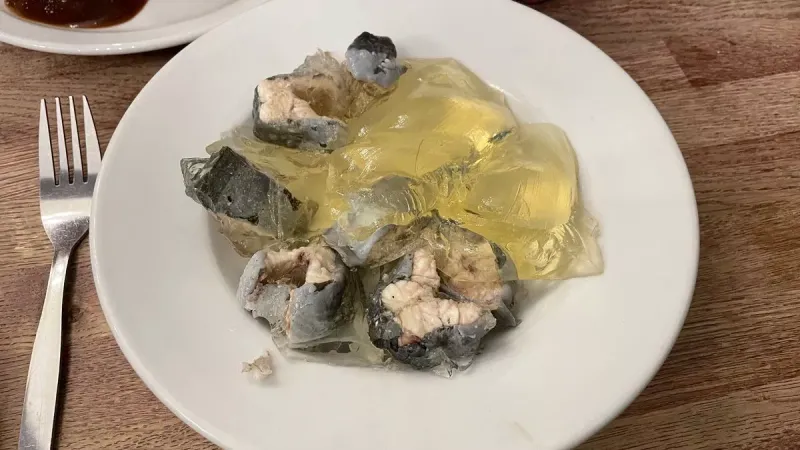
Chopped eels boiled until they release gelatin, then left to cool into a wobbly jelly, create this traditional London dish.
The cold, fishy jelly with chunks of eel floating inside puzzles American tourists completely.
Pie and mash shops across East London still serve this Victorian-era food.
The eels taste mild but the cold, slippery texture combined with the fishy jelly makes it an acquired taste that few visitors acquire.
12. Fiskbullar - Nordic Fish Balls (Sweden / Norway / Denmark)
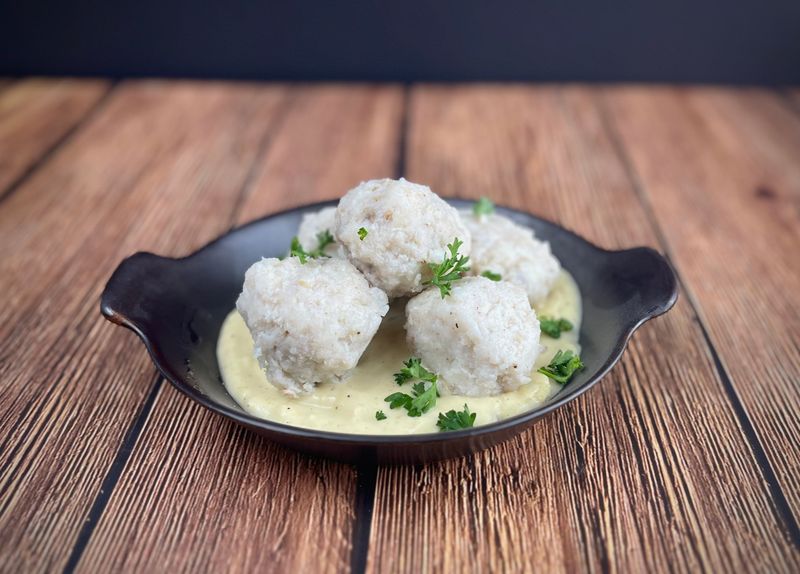
Ground fish mixed with flour and formed into bouncy balls that float in cream sauce sound odd to Americans used to meatballs made from beef or pork.
The pale colour and spongy texture add to the confusion.
Scandinavian families serve them as everyday comfort food with boiled potatoes.
The fish balls taste mild and slightly sweet, with a springy bite that feels unfamiliar to visitors expecting something more like American fish sticks.
13. Gołąbki - Stuffed Cabbage Rolls (Poland / Central & Eastern Europe)
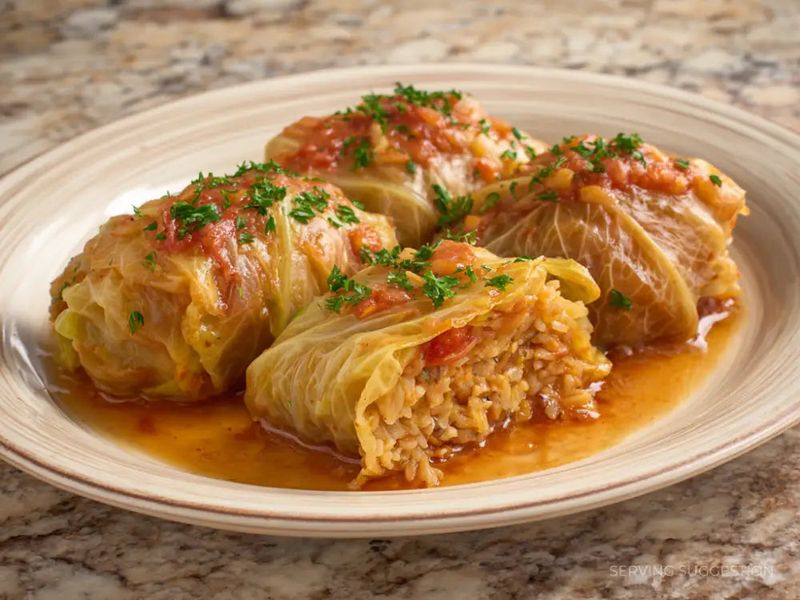
Cabbage leaves wrapped around meat and rice, then simmered in tomato sauce, appear on Polish dinner tables regularly.
Americans find the soggy cabbage exterior unusual since they typically eat cabbage raw in coleslaw or cooked until crispy.
The rolls take hours to prepare properly, making them a labour of love.
Polish grandmothers perfect the recipe over decades, though visitors often pick at them uncertainly, unsure about eating so much cooked cabbage.
14. Weisswurst (Germany - Bavaria)
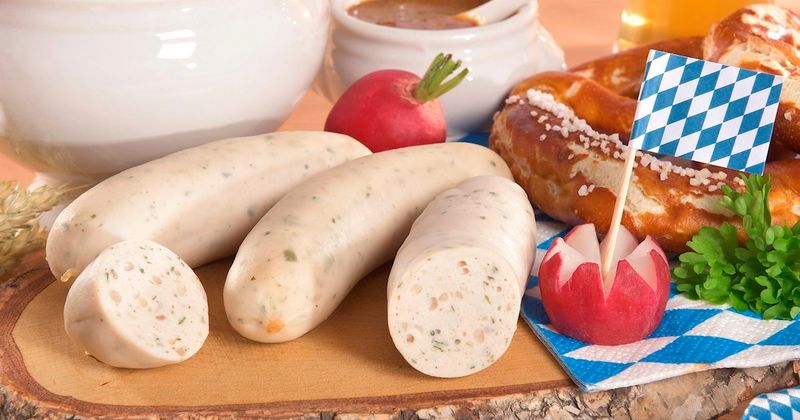
Pale white sausages made from veal and pork back bacon look undercooked to Americans accustomed to browned sausages.
Bavarians eat them before noon as a breakfast tradition, which adds another layer of confusion.
The proper way involves peeling off the skin before eating, using sweet mustard instead of regular mustard.
The mild, slightly lemony flavour surprises visitors, as does watching locals suck the meat directly from the casing.
15. Sült - Head‑Cheese - Jellied Meat Loaf (Estonia / Baltic region)
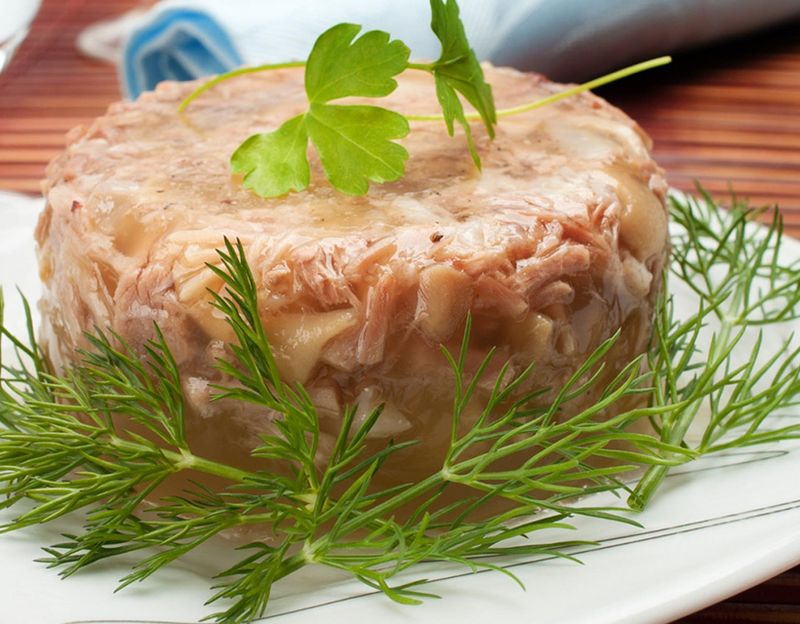
Similar to German head cheese but with a Baltic twist, this jellied meat loaf uses various pork parts suspended in aspic.
Estonians serve it cold as an appetiser, which makes Americans question why anyone would eat cold meat jelly.
The clear jelly holds chunks of pork, creating a mosaic pattern when sliced.
Paired with horseradish or mustard, it tastes better than it looks, though the wobbly texture remains a challenge for first-timers.
16. Salo - Cured Pork Fat (Ukraine)
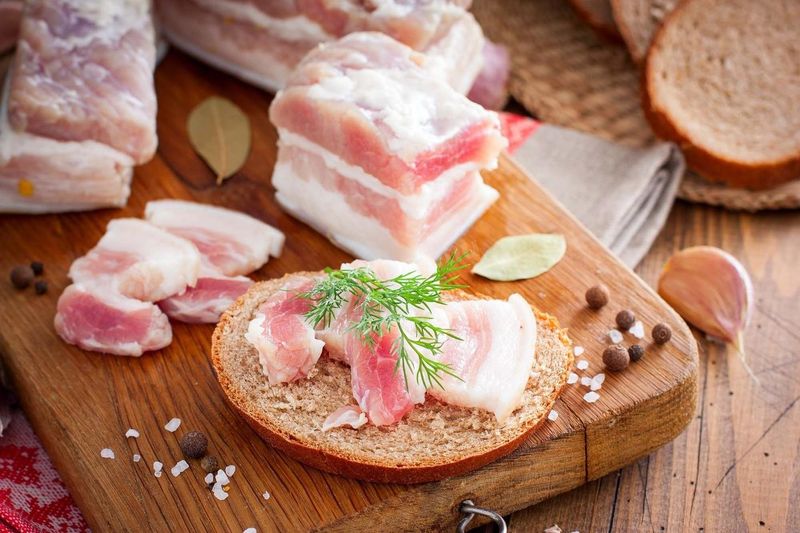
Pure pig fat cured with salt and garlic, then eaten in thick slices on bread, seems shocking to health-conscious Americans.
Ukrainians prize it as a delicacy and consider it essential for surviving cold winters.
The fat stays white and firm, melting slightly on the tongue.
Often enjoyed with garlic and pickles, it provides intense flavour and energy, though visitors struggle with the concept of eating straight fat without any meat attached.
17. Creier Pane - Breaded Brain (Romania)
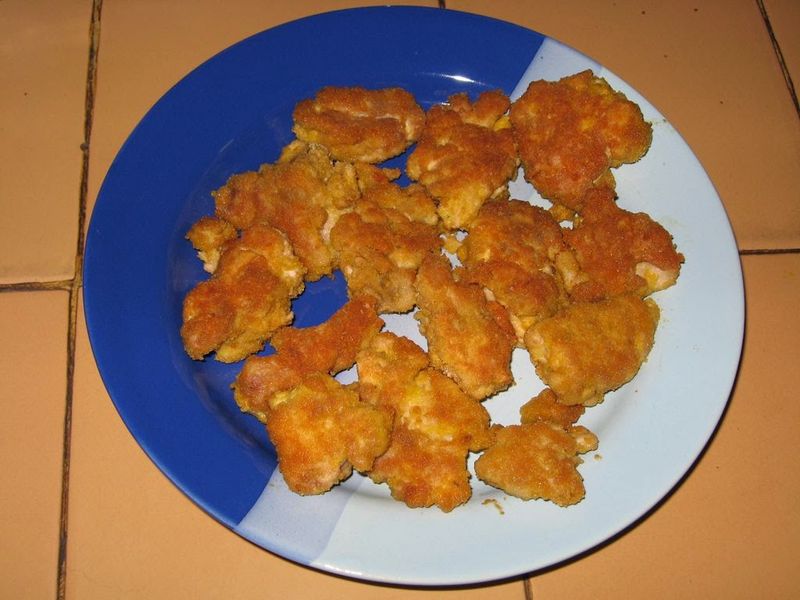
Lamb or pork brains breaded and fried until golden create a Romanian delicacy that often surprises visitors who aren’t used to eating organ meats.
The idea of eating brain tissue crosses a line for many people who prefer not to think about animal anatomy.
The exterior crisps up nicely whilst the inside stays creamy and soft.
Romanians squeeze lemon over it and eat it as a main course, though tourists often decline politely once they learn what's hiding under the breadcrumbs.
18. Frog Legs - Cuisses De Grenouille (France)
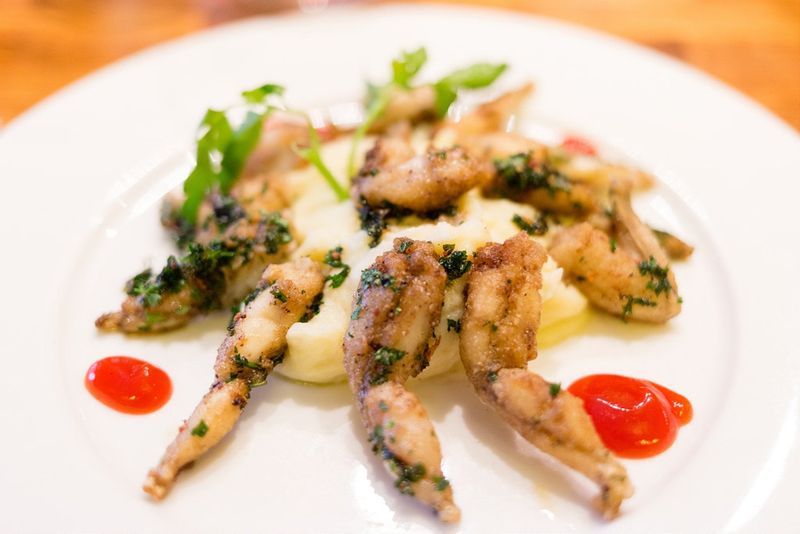
Tiny frog legs sautéed in garlic butter taste like chicken but look exactly like what they are - frog legs.
Americans often feel squeamish about eating amphibians, associating frogs with ponds and science class dissections rather than dinner plates.
French restaurants prepare them as a refined dish, serving only the meaty upper legs.
The meat stays tender and mild, though watching diners nibble around the tiny bones whilst holding miniature drumsticks creates an unforgettable image.