








European cuisine offers a fascinating window into centuries of cultural traditions and resourcefulness. While many European dishes have achieved global fame, others remain peculiar curiosities to outsiders.
From fermented fish to sheep's head, these European delicacies might raise eyebrows elsewhere, but they're cherished local treasures with deep cultural significance.
This article is for general information and culinary exploration only. Perceptions of food can vary greatly by culture, and dishes considered unusual in one country may be beloved in another.
1. Haggis - Scotland
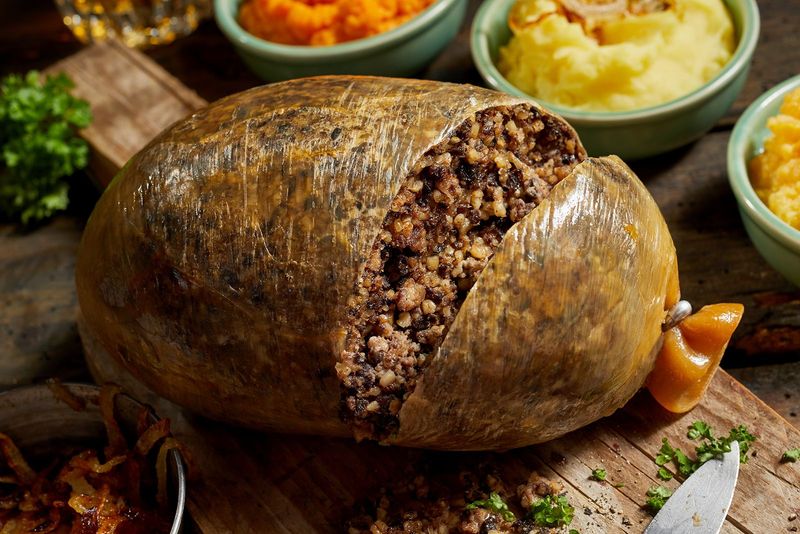
This traditional Scottish dish combines sheep's heart, liver, and lungs with oatmeal, onions, and spices, all encased in a sheep's stomach.
Dating back to the 1400s, haggis was created from frugality and is now a Burns Night favourite, often served with neeps and tatties (turnips and potatoes).
2. Black Pudding - UK And Ireland
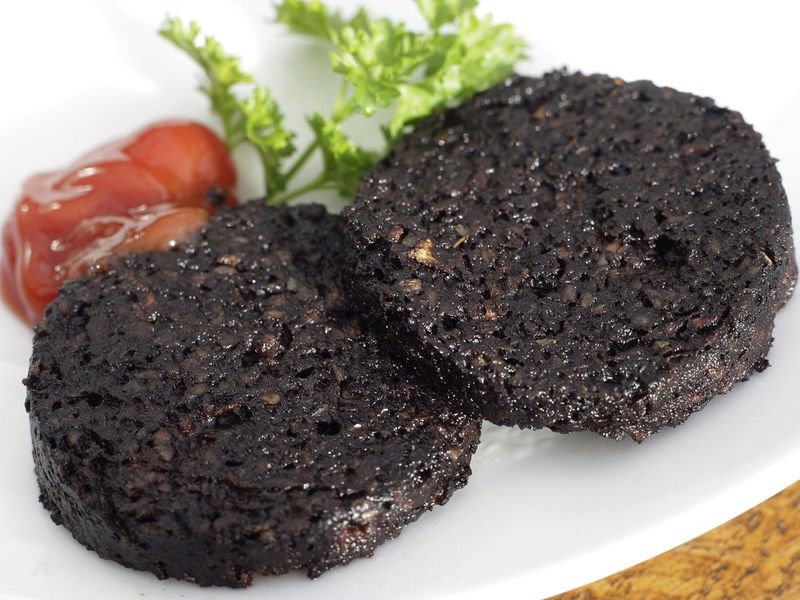
Morning fry-ups across Britain and Ireland often feature this distinctive sausage. Made from pork fat, oatmeal, and seasonings, it's sliced into rounds and fried until crispy on the outside.
Considered a superfood by some for its iron content, black pudding divides opinion with its rich, earthy flavour and crumbly texture. Regional variations exist across the British Isles.
3. Stargazy Pie - Cornwall England
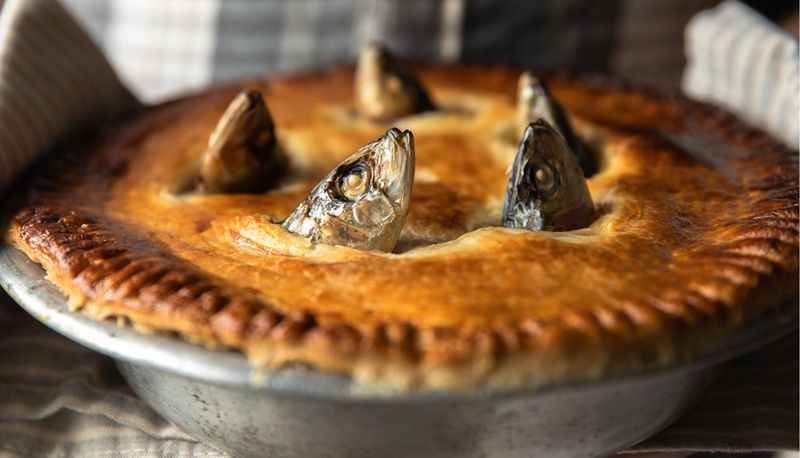
A theatrical Cornish creation where fish heads poke through the pastry crust, appearing to gaze at the stars. The pie contains pilchards or sardines, eggs, potatoes, and bacon in a creamy sauce.
Originating from the fishing village of Mousehole, it commemorates a brave fisherman who sailed during a storm to feed his starving community. Locals still celebrate Tom Bawcock's Eve with this peculiar pie.
4. Kaszanka - Poland
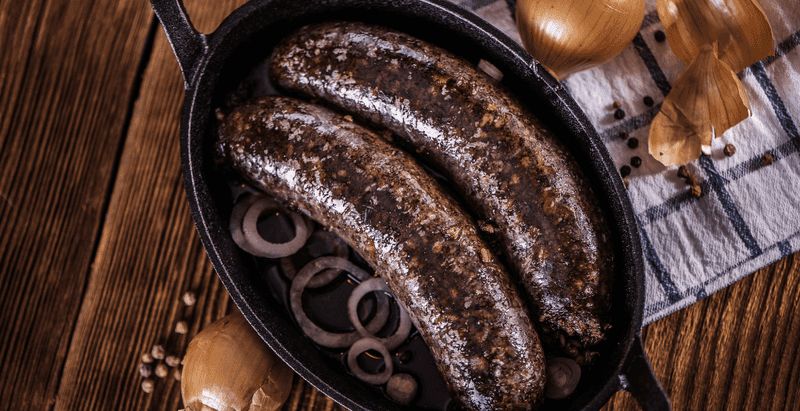
Polish kitchens embrace this hearty sausage made from buckwheat or barley, along with pork and seasonings. Often fried with onions or grilled over an open flame, kaszanka develops a crispy exterior while staying soft inside.
Commonly enjoyed at summer barbecues or winter markets, it’s typically served with mustard and rye bread. Its rich, grainy texture and distinctive flavour make it a unique treat for those who enjoy bold tastes.
5. Surströmming - Sweden
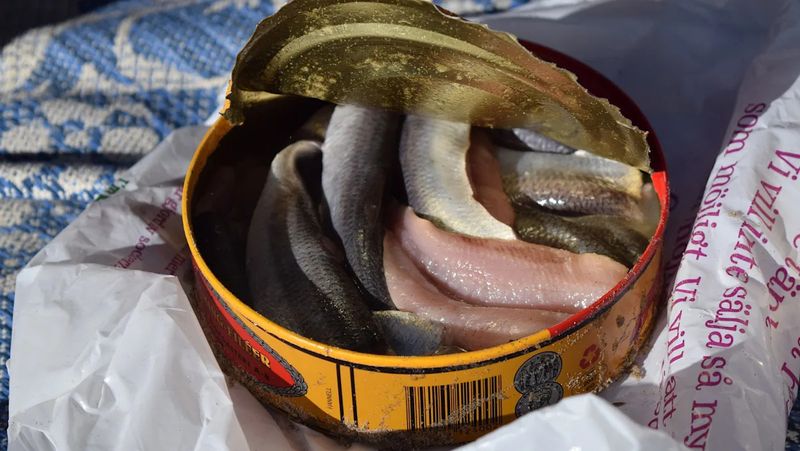
Notorious for its overwhelming smell, this Swedish fermented herring is often opened underwater or outdoors to contain the pungent aroma. The fish ferments for months in barrels before being canned, resulting in an acidic, salty flavour.
Brave eaters enjoy it on tunnbröd (flatbread) with potatoes, onions, and sour cream. Some buildings in Sweden actually ban opening surströmming indoors due to its lingering scent!
6. Lutefisk - Norway And Sweden
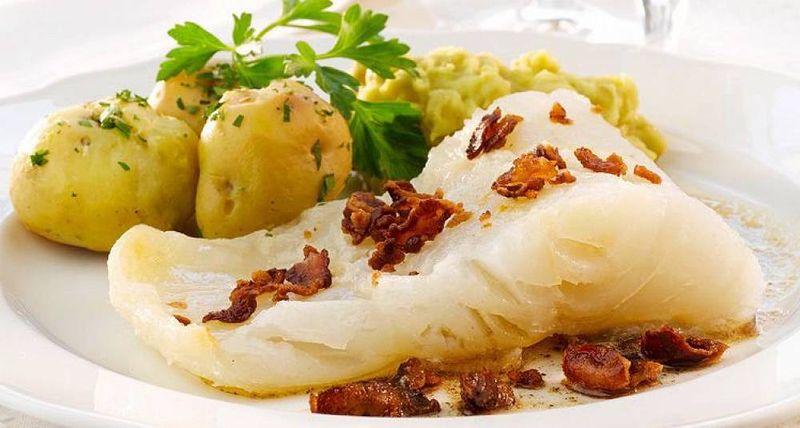
Dried whitefish transformed through an alarming chemical process, lutefisk begins as stockfish soaked in lye (sodium hydroxide) until it reaches a jelly-like consistency. The caustic solution must be carefully rinsed away before cooking.
Despite its minimal flavour, the gelatinous texture keeps many at bay. Scandinavian-Americans often maintain this Christmas tradition more faithfully than modern Norwegians themselves, serving it with bacon, peas and potatoes.
7. Aspic - Central And Eastern Europe
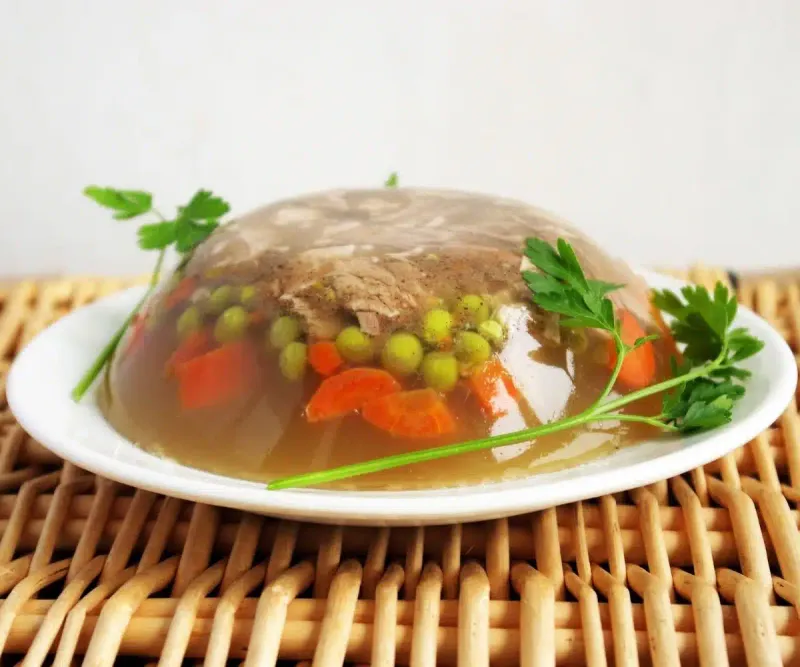
Meat suspended in wobbly, clear meat jelly creates this retro centrepiece still beloved across Eastern Europe. Made by boiling collagen-rich animal parts until they release natural gelatin, aspic preserves everything from vegetables to entire fish.
Particularly popular in Russia (as kholodets) and Poland (as galareta), it's often enjoyed with vinegar or horseradish. During Soviet times, aspic dishes symbolised culinary sophistication at celebrations despite meat shortages.
8. Tripe Soup - Bulgaria
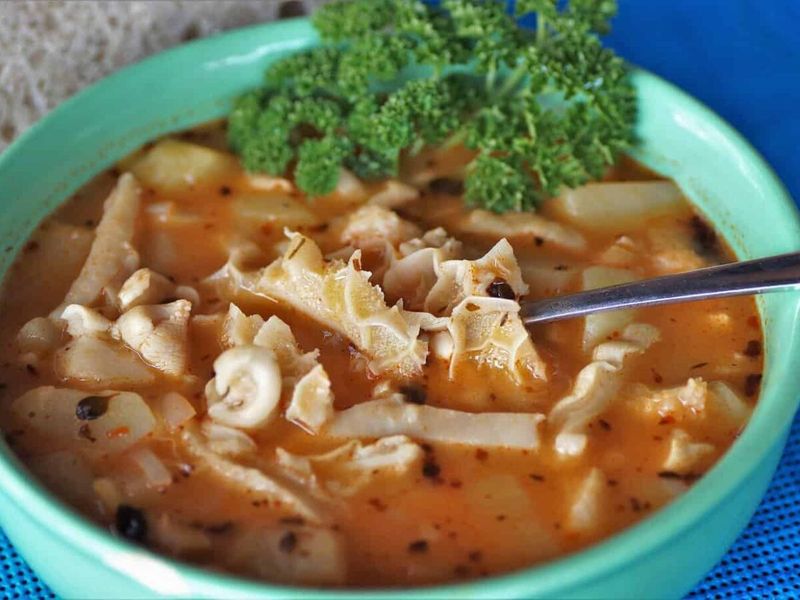
Bulgaria's beloved hangover cure, shkembe chorba, showcases cleaned cow stomach lining in a milky broth. Garlic, vinegar, and hot chili oil are added tableside, allowing each diner to adjust the soup's potency.
Found in late-night eateries, this robust soup is said to restore vitality after overindulgence. While the chewy, honeycomb texture of tripe deters some, locals insist the restorative powers make it worth braving.
9. Pickled Herring In Sour Cream - Scandinavia
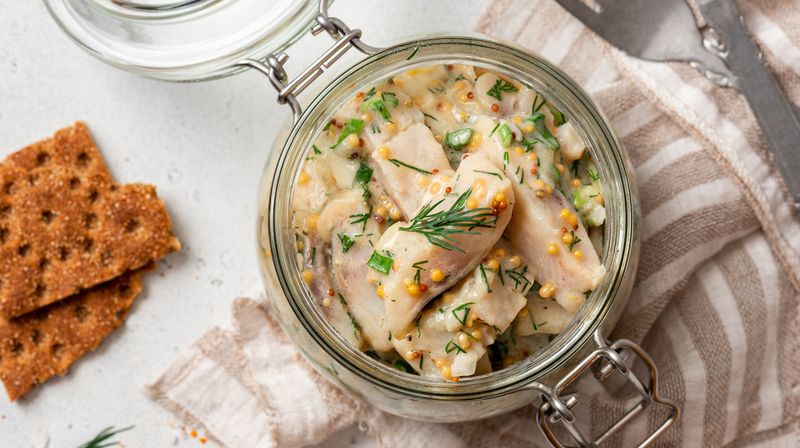
Scandinavian midsummer celebrations wouldn't be complete without this creamy fish dish. Herring fillets are first pickled in vinegar, salt, and spices, then bathed in a rich sauce of sour cream, dill, and onions.
Served on rye bread or with new potatoes, this tangy-sweet combination initially startles foreign palates. The tradition dates back centuries when pickling was essential for preserving Baltic Sea catches through long Nordic winters.
10. Tête De Veau - France
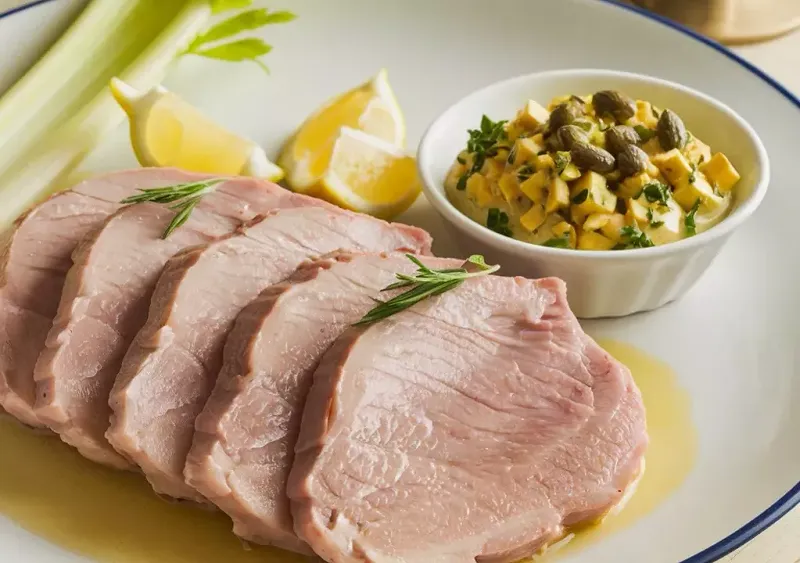
French gastronomy's commitment to nose-to-tail eating shines in this dish of calf's head, deboned and poached until tender. The various parts - tongue, cheek, brain - offer different textures in one preparation.
Traditionally served with ravigote sauce (a vinaigrette with capers and herbs), it remains a bistro classic despite declining popularity. Napoleon Bonaparte supposedly enjoyed it the night before battle, believing it brought good fortune.
11. Salo - Ukraine And Russia
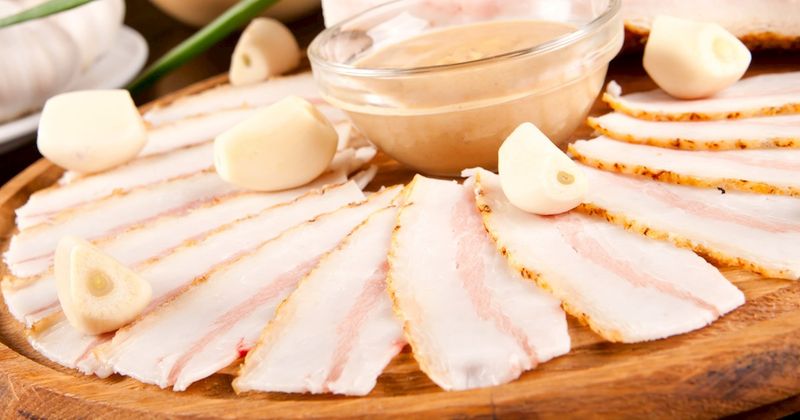
Pure pork fat cured with salt and spices might sound simple, but salo holds cultural significance across Eastern Europe. Sliced paper-thin and eaten raw on black bread with garlic, it's considered an essential energy source.
During Soviet times, having a supply of salo at home meant security against food shortages. Modern presentations include chocolate-covered salo for the adventurous ones.
12. Escargot - France
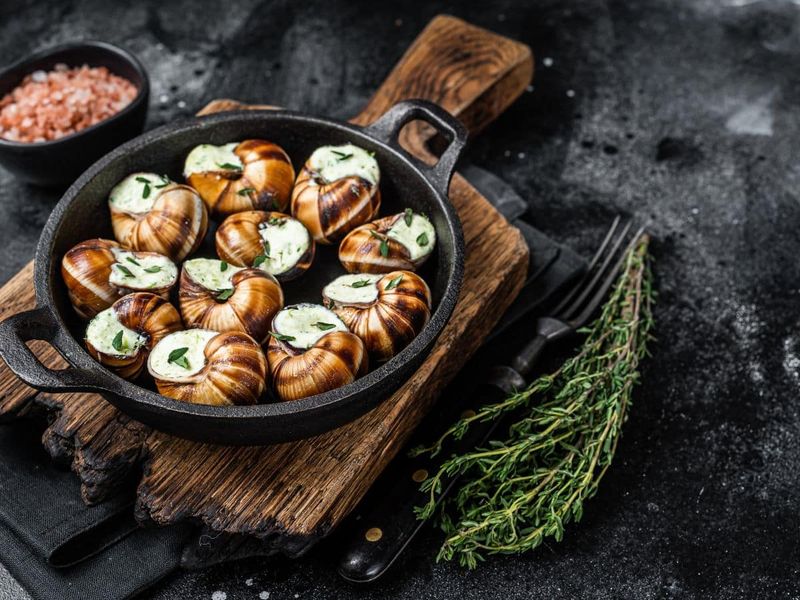
These garden snails transformed by French culinary magic become a luxurious appetizer. Cooked in their shells with herb-garlic butter, they're eaten using special tongs and two-pronged forks designed for extracting the tender meat.
Romans first documented eating snails in Gaul, but the modern preparation emerged in 19th-century France. Despite their elegant presentation, the psychological hurdle of eating snails keeps many tourists ordering safer options.
13. Kaszanka Stuffed Pierogi - Poland
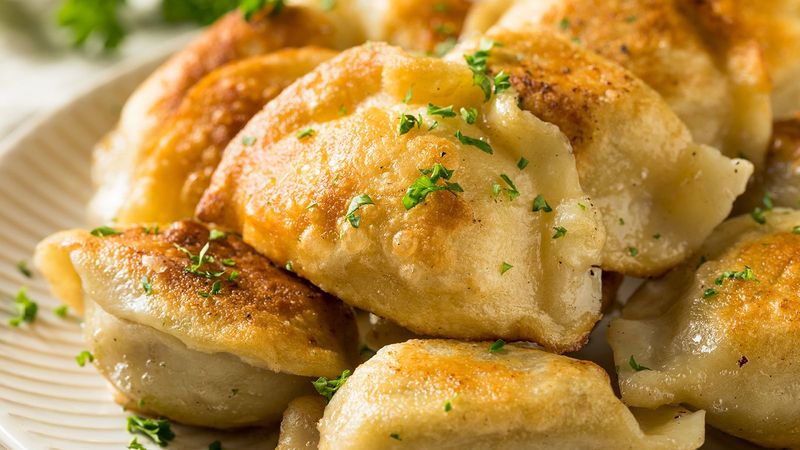
This double-whammy of acquired tastes combines two Polish classics: hearty sausage and dumplings. The kaszanka filling, rich with buckwheat and spices, is removed from its casing and tucked inside pierogi dough. Fried until golden after boiling, these dumplings offer a contrast between the crisp exterior and earthy interior.
Often served with caramelised onions and sour cream, they represent Polish cuisine's waste-not philosophy and hearty character.