








Eating out should be a treat, not a recipe for disappointment or tummy trouble.
While restaurants offer tempting menus full of delicious options, some dishes come with hidden risks.
The following foods might seem appetising on the menu, but restaurant insiders know they're often not worth your money - or the potential health concerns they bring.
This article is for general information and inspiration only.
Restaurant standards, preparation methods, and food quality can vary widely.
Always use your own judgment when dining out.
1. Oysters
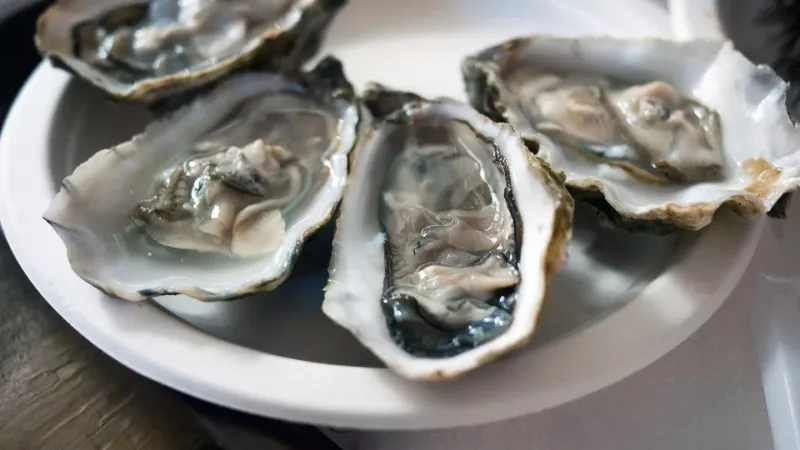
Raw seafood roulette! Many restaurants store these briny delicacies improperly, increasing bacteria risk.
Even high-end establishments can't guarantee freshness if they're located far from coastal waters.
Unless you're at a speciality seafood spot with high turnover, these slippery morsels might leave you with more than just an empty wallet.
2. Daily Soup Specials
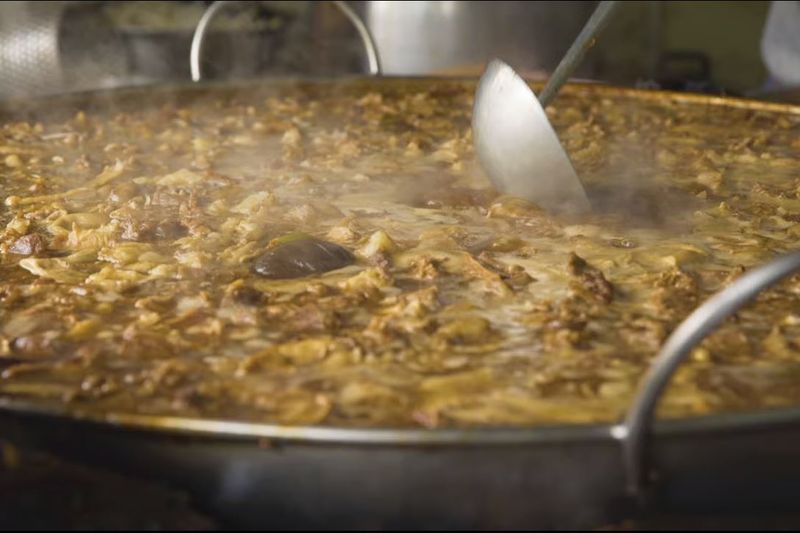
Yesterday's leftovers, today's special! Restaurants often repurpose unused ingredients into soup to minimise waste.
While economical for them, you’re often paying for leftovers repurposed with heavy seasoning.
Soups may sit warmed for extended periods, which can affect both freshness and flavour, even if they look freshly made.
3. Mussels
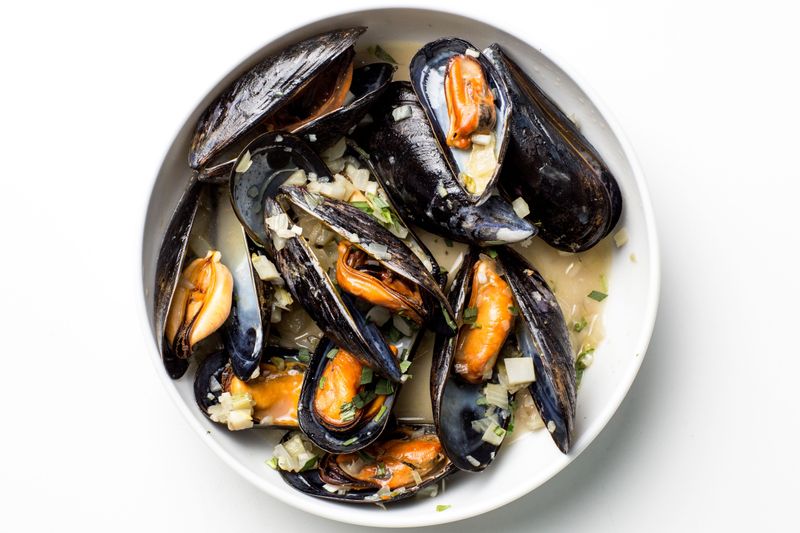
One bad mussel ruins the batch!
These shellfish spoil quickly and require proper handling that busy kitchens often can't manage.
The cooking process doesn't always kill harmful bacteria if storage wasn't perfect.
Watch for closed shells after cooking or fishy smells – both warning signs that your seafood feast might become a midnight nightmare.
4. Chicken Wings
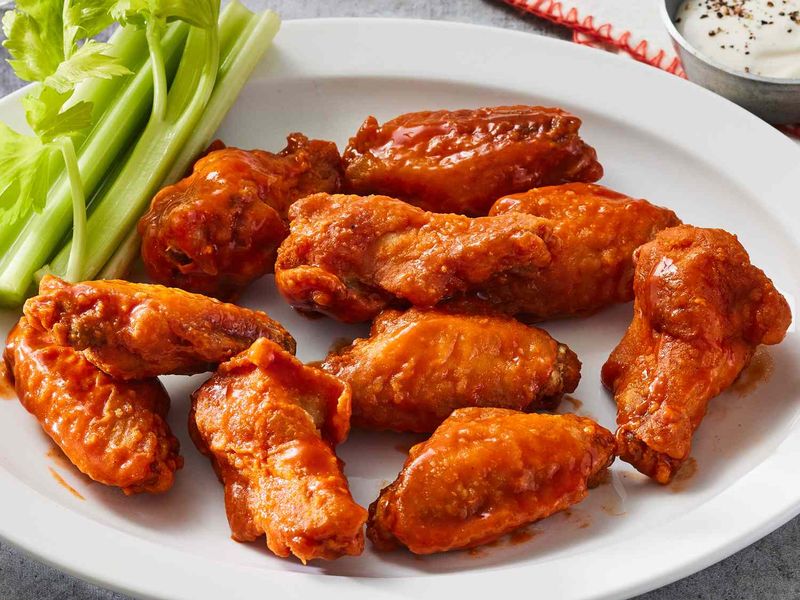
Deep-fried disappointment awaits!
Restaurant wings often arrive frozen, then get dunked in oil that hasn't been changed regularly.
The result?
Greasy, sometimes undercooked poultry that's been handled by multiple staff members.
Many kitchens rush cooking times during busy periods, leaving dangerous raw spots near the bone where bacteria thrive.
5. Pasta Dishes
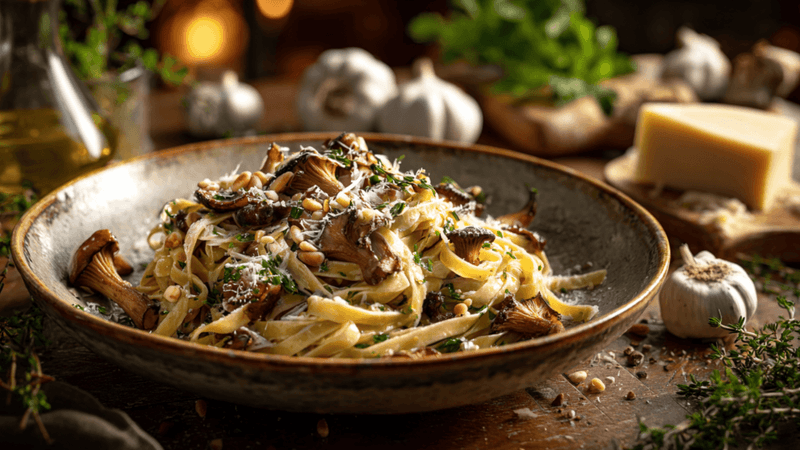
Massive markup alert!
That £15 plate of spaghetti contains ingredients worth pennies, making it one of the most profitable menu items.
Restaurants often pre-cook pasta early in the day, storing it until ordered.
Your supposedly fresh fettuccine might be hours old, hastily reheated and drowned in sauce to mask its mushy texture.
6. Nachos
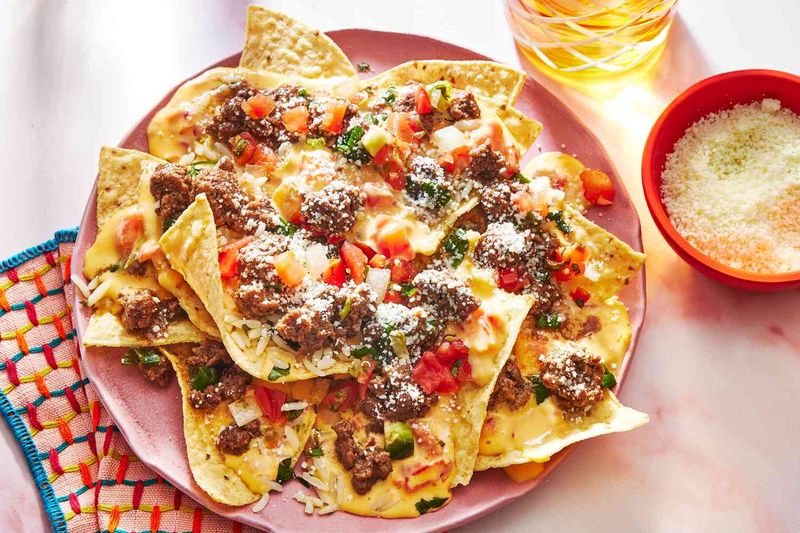
Sharing platters, sharing germs!
These communal snacks sit exposed at your table while everyone dips repeatedly.
Beyond the hygiene concerns, restaurant nachos typically feature cheap cheese sauce rather than real cheese.
The chips often come from massive bulk bags, sitting open in humid kitchens for days before reaching your table stale and soft.
7. Buffet Items
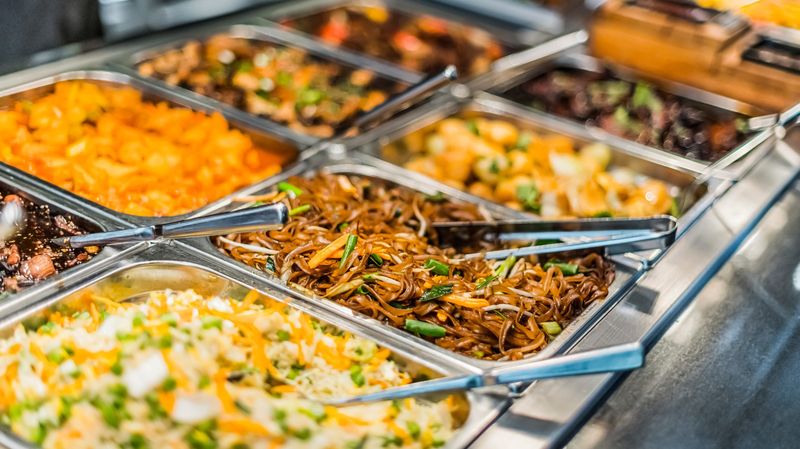
Food safety nightmares on display!
Buffets maintain temperatures in the danger zone where bacteria multiply rapidly.
Items sit for hours under weak heat lamps, repeatedly handled by dozens of strangers.
Those glistening steam tables often hide old food mixed with fresh batches, while sneeze guards provide minimal protection from airborne germs.
8. House Salads
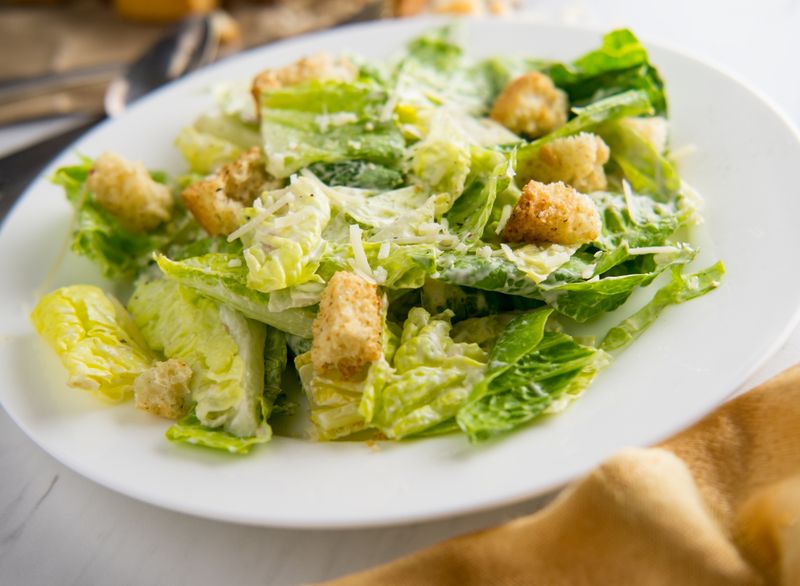
Prewashed? Think again!
Restaurant salad greens often receive minimal rinsing before serving, leaving pesticide residues and potential contaminants.
These seemingly healthy options frequently sit pre-prepared in refrigerators, losing nutrients while gaining bacteria.
Many kitchens batch-prepare dressings days in advance, allowing them to develop strange flavours and questionable textures.
9. Bread Baskets
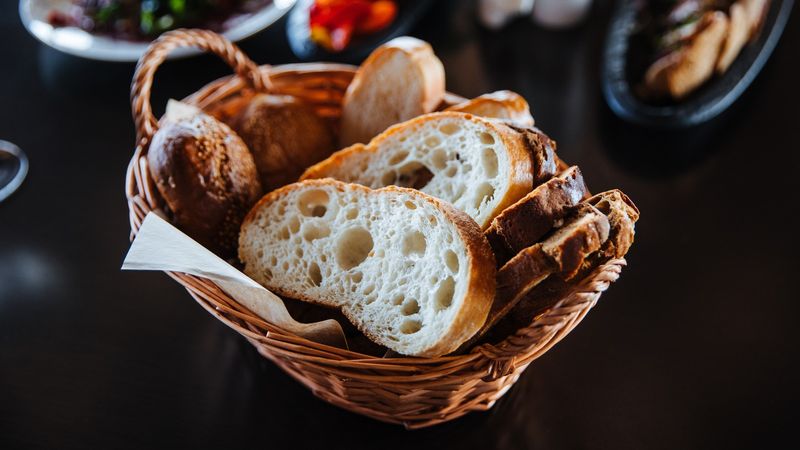
Free bread comes with hidden costs!
Those warm rolls aren’t always as fresh as they seem.
In busy kitchens, rolls may sit out for long stretches before reaching your table, and baskets can pick up plenty of handling along the way.
What looks like a generous freebie sometimes isn’t the most appetising part of the meal.
10. Well-Done Steak
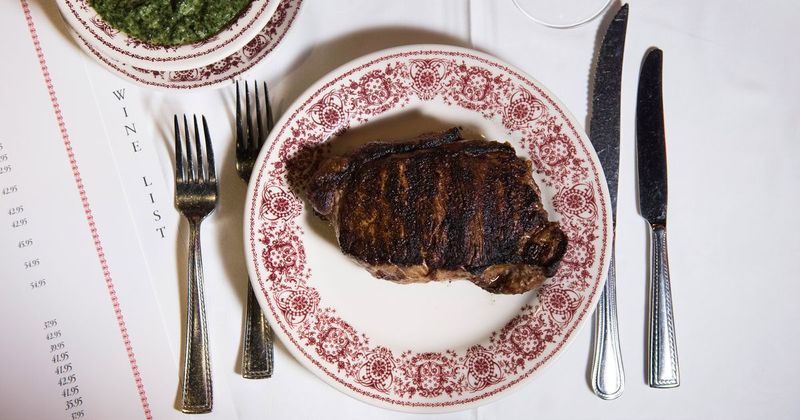
Kitchen sabotage on a plate!
Chefs often use their oldest, lowest-quality cuts for well-done orders since overcooking masks poor meat.
The extended cooking time dries out proteins, destroys flavour compounds, and creates potentially harmful compounds.
Restaurants love these orders – they're perfect for getting rid of steaks approaching their use-by date.
11. Sushi At Non-Specialist Spots
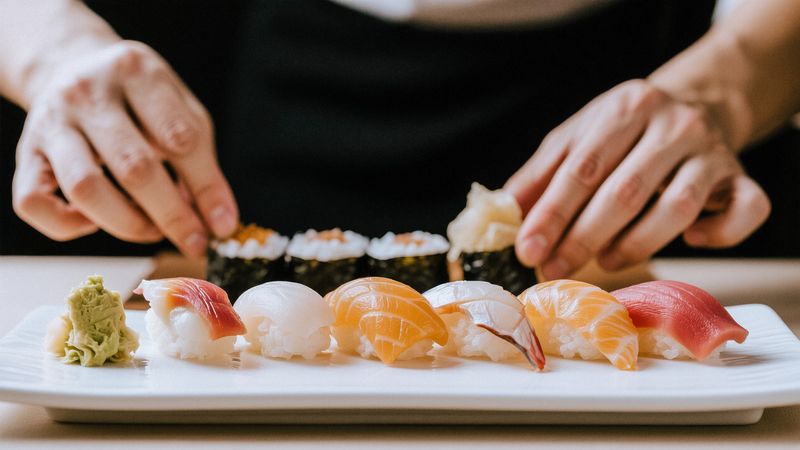
Raw fish requires expertise!
General restaurants rarely have proper training or equipment for safe sushi preparation.
Without dedicated sushi chefs and specialised storage, cross-contamination becomes likely.
Many non-specialist venues use previously frozen fish that's been thawed multiple times, increasing food poisoning risks while delivering subpar texture and flavour.
12. Lobster Mac And Cheese
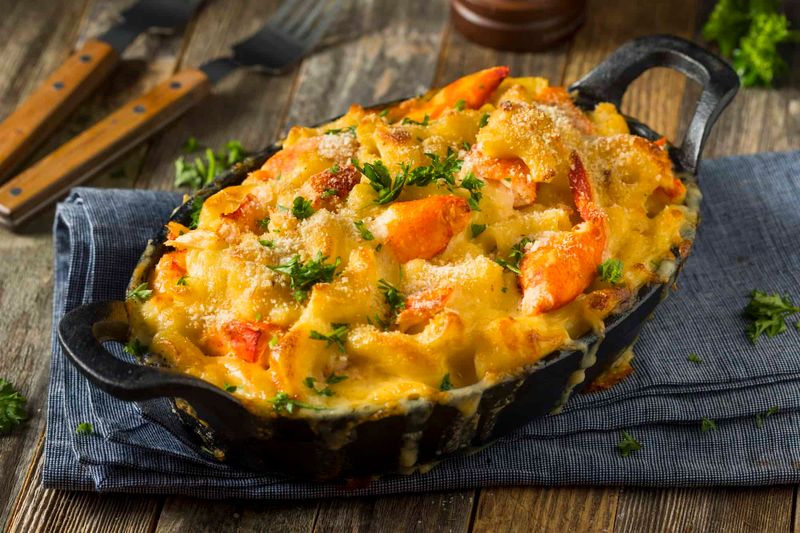
Lobster mac and cheese might seem like a luxurious indulgence, but it can be deceptive.
This dish often relies heavily on cheese sauce, masking the minimal lobster content.
Moreover, lobster is delicate and can lose its flavor in overly creamy preparations.
Restaurants might use this dish to justify a higher price without delivering value.
If you crave lobster, consider ordering it steamed or grilled to appreciate its true taste.
This way, you’re more likely to enjoy what you’re paying for without unnecessary fillers.
13. Fried Calamari
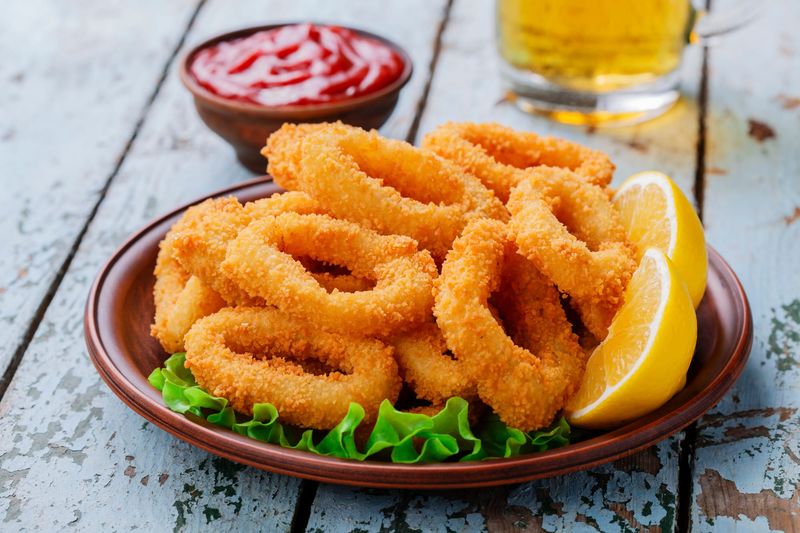
Fried calamari is a popular appetizer, yet it often falls short of expectations.
Many establishments use frozen squid, resulting in rubbery texture and bland taste.
The heavy batter can overpower the delicate flavor of the squid, making it more about the crunch than the seafood.
For a more authentic experience, seek places known for fresh seafood or try calamari grilled or sautéed.
This way, you can savor the true essence of the dish without the disappointment of subpar quality.