









At first glance, some foods seem perfectly ordinary, blending in comfortably with things you’d happily order without a second thought. Then the first bite lands, and suddenly expectations get flipped on their head in the most memorable way.
Curiosity kicks in when you realise how much flavour, texture, or aroma can challenge what your eyes predicted. It’s a playful reminder that food can still surprise us, even when it looks reassuringly familiar.
All information is provided for general interest only. Taste perceptions and ingredient availability can vary depending on personal preference, location, and preparation methods.
1. Marmite On Toast

This dark, glossy spread can easily be mistaken for chocolate or jam at first glance, which makes the first taste feel especially surprising. Made from concentrated yeast extract, Marmite delivers a bold savoury flavour with noticeable saltiness and deep umami notes.
The intensity often stands out to people trying it for the first time, particularly if they’re unfamiliar with savoury spreads. Many Brits grow up enjoying a thin layer on buttered toast, which keeps the flavour nicely balanced.
Starting lightly allows the taste to settle in gradually rather than overwhelming the palate.
2. Vegemite On Toast
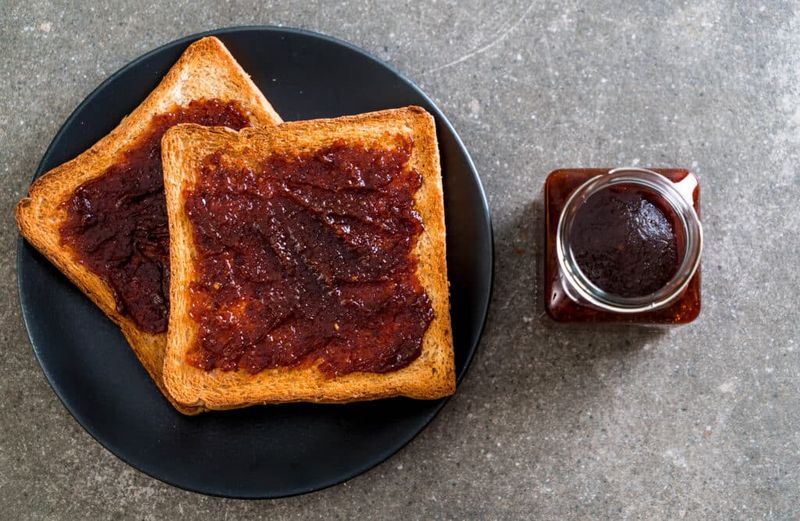
Vegemite looks very similar to Marmite, with a shiny dark appearance that doesn’t immediately hint at its flavour. The taste is distinctly savoury and salty, with a strong yeasty character that has become a familiar staple in Australian households.
Made from yeast extract, it brings concentrated umami depth rather than sweetness. For first-time tasters, the intensity can feel unexpected compared with more typical breakfast spreads.
Using a small amount, almost like seasoning, helps the flavour come through gently and makes it easier to appreciate.
3. Wasabi Ice Cream

At first glance, a pale green scoop looks like something refreshing and familiar, maybe mint or pistachio. The surprise arrives quickly when a sharp wasabi heat suddenly wakes up your senses.
The cold sweetness softens the intensity at first, then the spice gently creeps in and lingers. That playful contrast keeps each spoonful interesting rather than overwhelming.
Once your tastebuds settle in, the sweet and spicy balance becomes strangely moreish.
4. Black Garlic
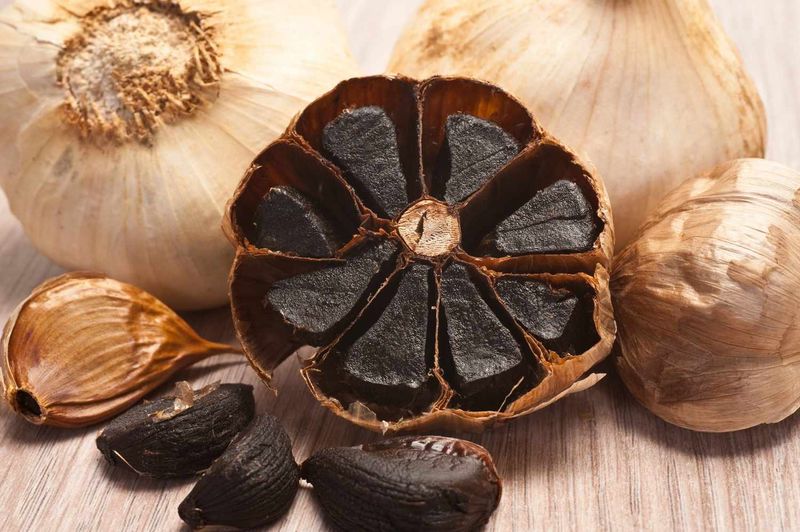
These deep black cloves may look like something went wrong in the kitchen, but they’re created through a slow ageing process rather than burning. Time and gentle heat transform raw garlic into something soft, sweet, and surprisingly complex.
The flavour leans towards rich, mellow notes rather than sharp garlic bite. The texture becomes almost sticky and jam-like, which feels unexpected at first.
Chefs love using it to add depth and sweetness without overpowering a dish.
5. Natto
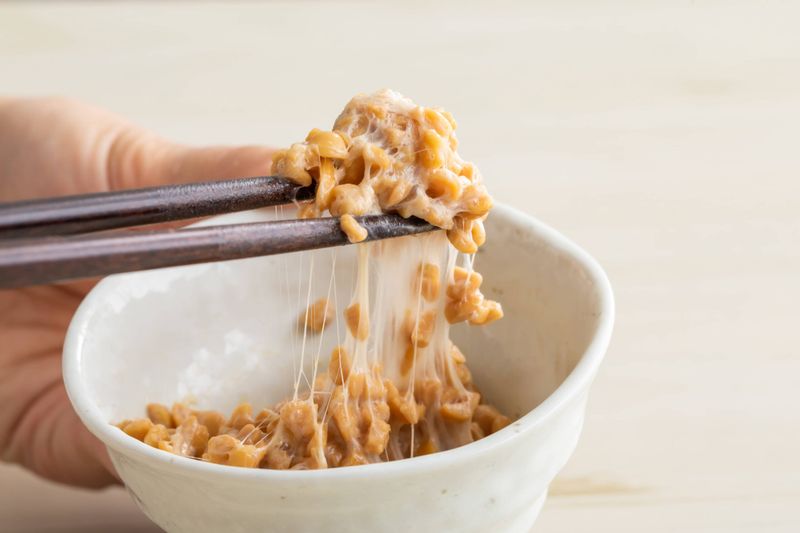
These fermented soybeans look harmless enough in their little container, resembling baked beans or perhaps a simple legume side dish. But stir them up and you'll discover sticky, stringy strands and a smell that's been compared to old socks or strong cheese.
Traditional Japanese breakfast staple, natto tastes earthy, nutty, and slightly bitter with a slippery texture that takes serious getting used to. The fermentation creates that infamous stringiness and pungent aroma.
Many Japanese people adore it mixed with rice, soy sauce, and mustard, but it's famously divisive even within Japan itself!
6. Balut

From the outside, balut looks like an ordinary boiled egg you might pack for lunch. Crack it open, though, and you'll find a partially developed duck embryo inside, complete with tiny bones and feathers visible through the translucent membrane.
This Filipino street food delicacy has a rich, savoury flavour that's more intense than regular eggs, with a texture that varies from creamy yolk to slightly chewy. Traditionally eaten with salt, vinegar, and chilli, it's considered a nutritious snack packed with protein.
The appearance shocks Western visitors, but millions enjoy it as comfort food across Southeast Asia!
7. Salted Liquorice
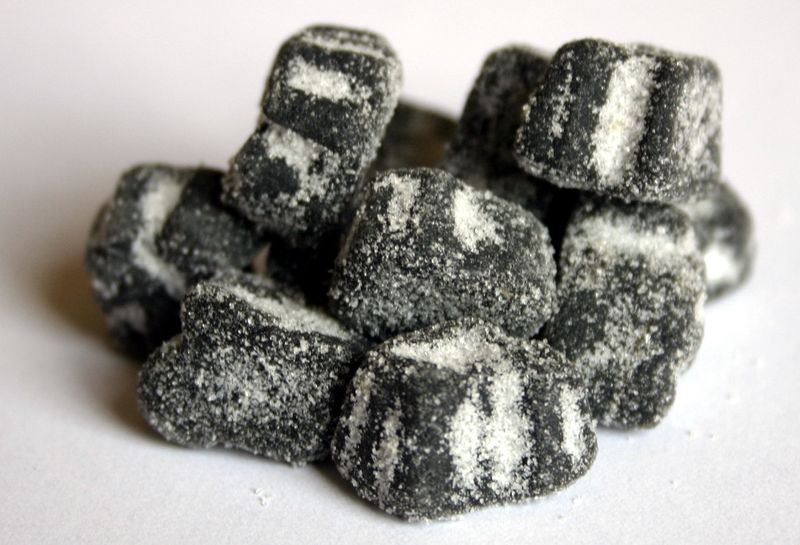
These innocent-looking black sweets could easily be mistaken for regular liquorice or perhaps chocolate-covered treats. Pop one in your mouth expecting sweetness, and you're ambushed by an aggressively salty, medicinal flavour that's beloved across Scandinavia.
Called "salty lakkris" in Nordic countries, these contain ammonium chloride which creates that distinctive sharp, almost chemical taste. Finns, Swedes, and Danes grow up loving this acquired taste, but most other nationalities find it baffling.
The combination of liquorice root extract and intense saltiness creates a flavour profile that's genuinely unlike anything else in the confectionery world!
8. Kimchi
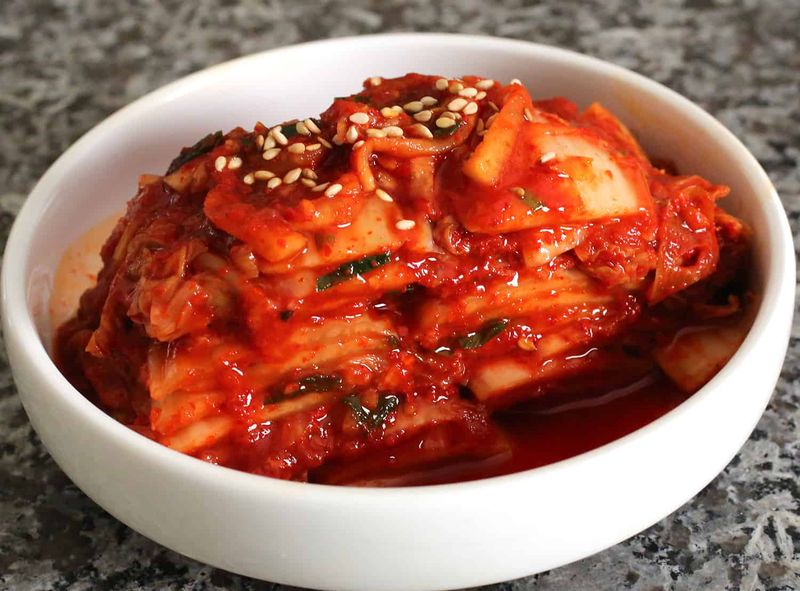
This colourful Korean side dish looks like a simple cabbage salad with a pretty reddish tint from chilli flakes. But one forkful delivers a complex explosion of sour, spicy, garlicky, and funky flavours that come from weeks of fermentation.
Made from napa cabbage, radishes, and a paste of chilli, garlic, ginger, and fish sauce, kimchi develops its characteristic tang through beneficial bacteria. The smell can be quite pungent, especially to those unfamiliar with fermented foods.
Koreans eat it with virtually every meal, and once you develop a taste for it, that addictive combination of crunch and zing becomes absolutely irresistible!
9. Blue Cheese
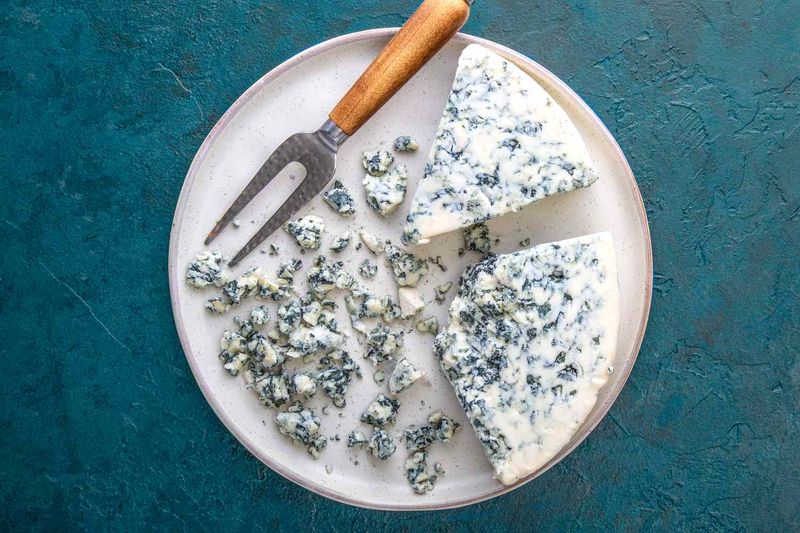
Those striking blue-green veins running through white cheese might look artistic, but they're actually edible mould that creates one of the most polarising flavours in the dairy world. What appears to be a fancy cheese platter addition packs a seriously pungent punch.
Varieties like Roquefort, Gorgonzola, and Stilton develop their characteristic sharp, tangy, almost metallic taste from Penicillium cultures. The smell alone can clear a room, reminiscent of old socks or damp cellars.
Yet cheese enthusiasts rave about its creamy, salty complexity. The mould is perfectly safe to eat, though first-timers often need several attempts before appreciating its intense, acquired taste!
10. Pickled Herring
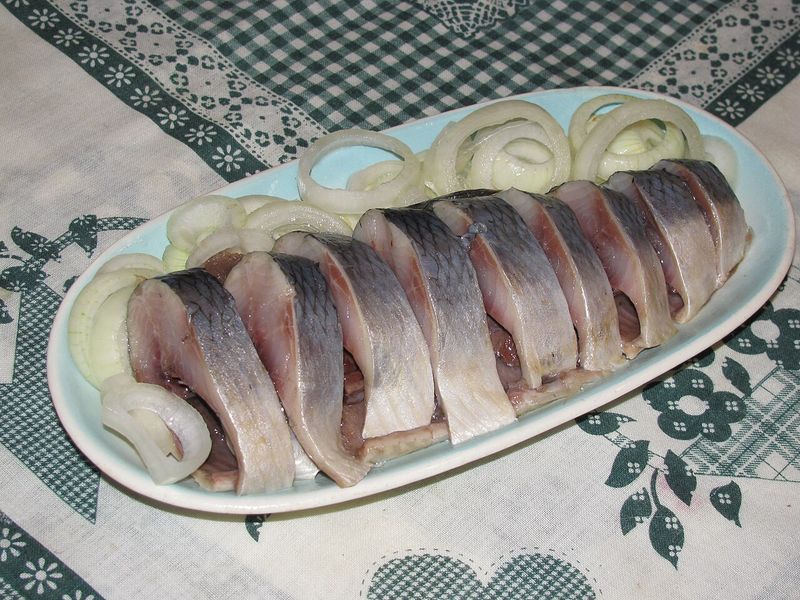
These silvery fish fillets swimming in clear brine look like any other pickled fish you might find at a buffet. But bite into this Scandinavian staple and you'll experience an intensely salty, vinegary, and fishy flavour that's nothing like tinned tuna.
Traditional across Northern Europe, pickled herring comes in various preparations - with onions, mustard sauce, or cream. The preservation process creates a firm texture and sharp taste that cuts through rich foods.
Swedes serve it at Christmas, whilst Dutch people eat it with raw onions. The strong flavour and oily texture make it a true love-it-or-hate-it experience for anyone raised outside herring-eating cultures!