









Many familiar dishes appear in kitchens around the world, even if they are known by different names.
Similar ingredients, cooking methods, and practical needs led people in different regions to develop foods that closely resemble one another.
Over time, each culture adapted these dishes to local tastes and traditions, creating variations that feel distinctive while sharing the same basic idea.
These overlaps offer a useful way to understand how food traditions travel and evolve.
All information is provided for general interest only.
Dish names, ingredients, and preparation methods may vary by region and cultural tradition.
Photos are for illustrative purposes only.
1. Filled Dumplings
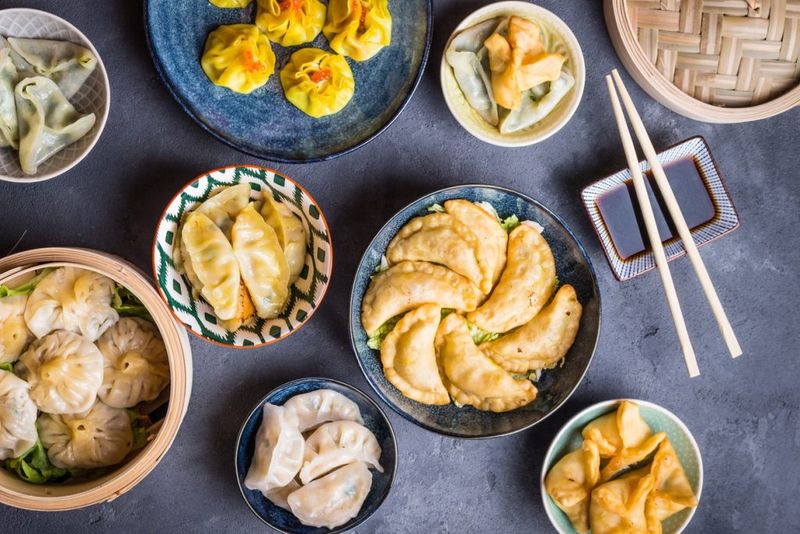
Wrapping meat or vegetables in dough is one of the most widespread food ideas in the world.
From jiaozi in China and gyoza in Japan to pierogi in Poland and ravioli in Italy, the basic concept stays the same while fillings, shapes, and cooking methods shift to suit local tastes.
These dishes often developed as practical ways to stretch ingredients and preserve food through colder seasons.
2. Fried Potatoes
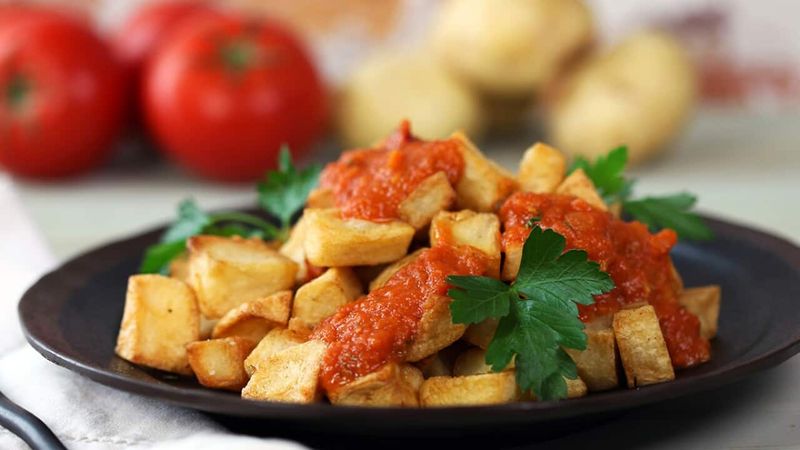
Chips, fries, patatas bravas, and rösti all come from the same potato, yet end up as very different dishes.
After potatoes reached Europe from South America in the 16th century, countries adapted them to local tastes and cooking styles.
France and Belgium are both closely linked to frites, while Britain favoured thick-cut chips.
Spain developed crisp, cubed patatas bravas, and Switzerland turned grated potatoes into rösti.
What separates these dishes is the cut and cooking method, showing how one simple ingredient can take on many regional forms.
3. Savoury Egg Pancakes
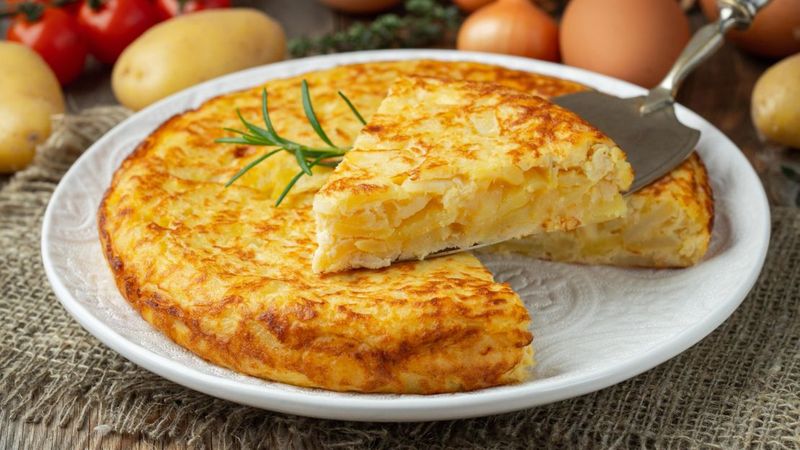
Egg-based dishes filled with vegetables, cheese, or meat exist across many cultures under different names.
The French omelette, Spanish tortilla, Italian frittata, and Middle Eastern kuku or ejjeh all rely on eggs as a base, but preparation and texture vary.
Some are folded quickly, while others are cooked slowly to create a thicker, sliceable dish.
4. Grilled Meat Skewers
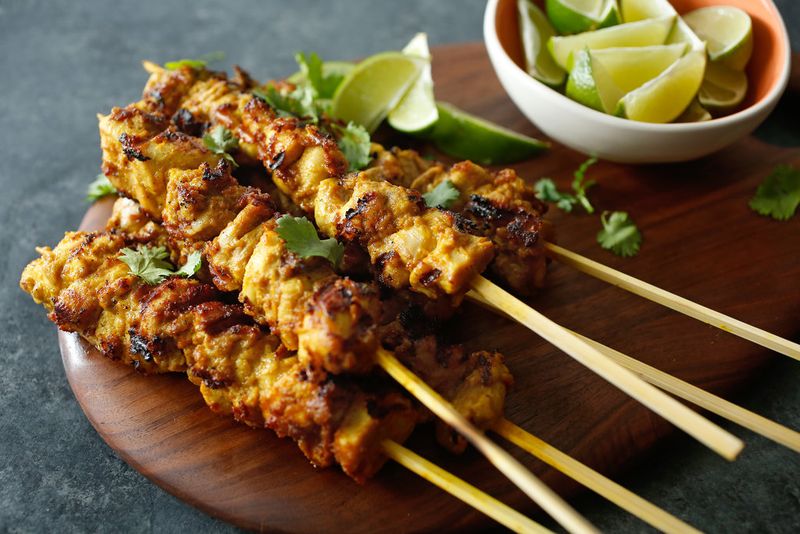
Cooking meat on skewers is a technique found around the world, often linked to open-fire cooking.
Kebabs in the Middle East and Turkey, yakitori in Japan, satay in Southeast Asia, and souvlaki in Greece all follow this idea.
Marinades and seasonings change by region, reflecting local spices and cooking traditions.
5. Rice Porridge
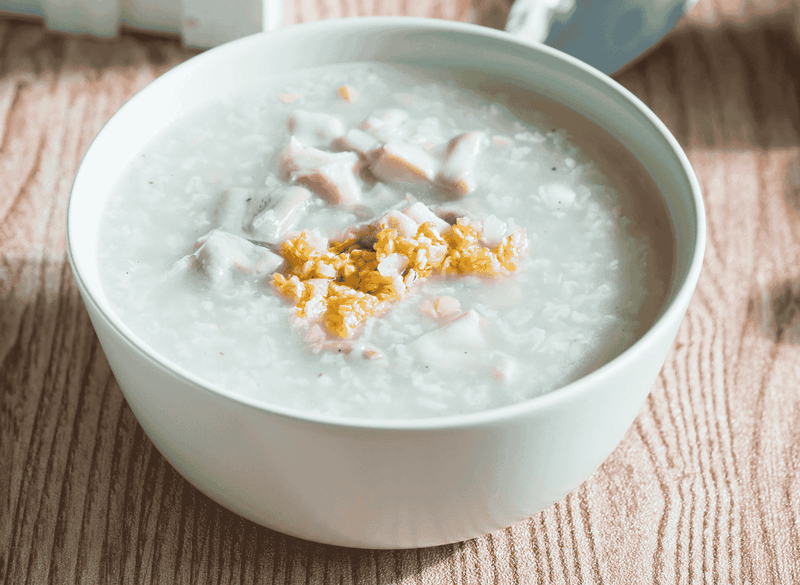
Rice cooked in excess liquid until soft appears in many cuisines as a comforting, everyday food.
Known as congee in China, okayu in Japan, juk in Korea, and kanji in parts of India, it is often eaten when simple, easy-to-digest meals are preferred.
Toppings and accompaniments vary widely, from savoury to lightly seasoned.
6. Baked Sweets And Snacks
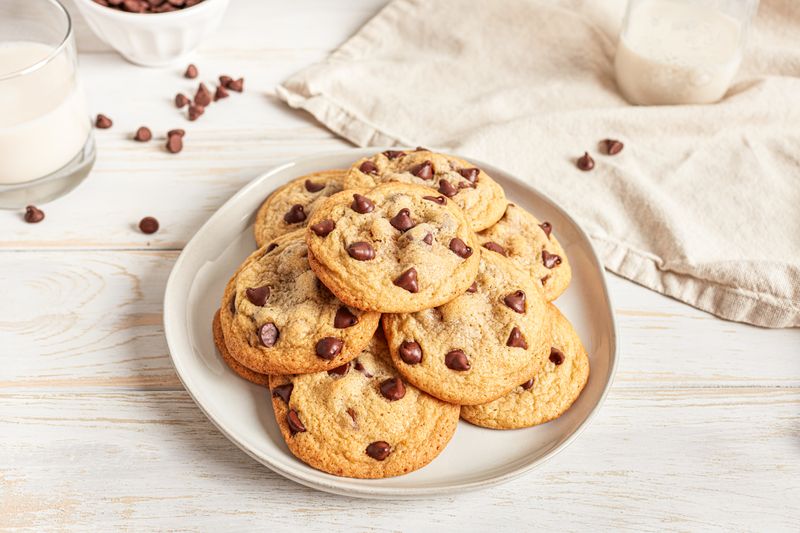
Baked goods often cause confusion because the same words can mean different things in different countries.
A biscuit in the UK refers to what Americans call a cookie, while a US biscuit is closer to a British scone.
Even Danish pastries are known as wienerbrød in Denmark, reflecting the Austrian roots of the baking technique.
7. Stews
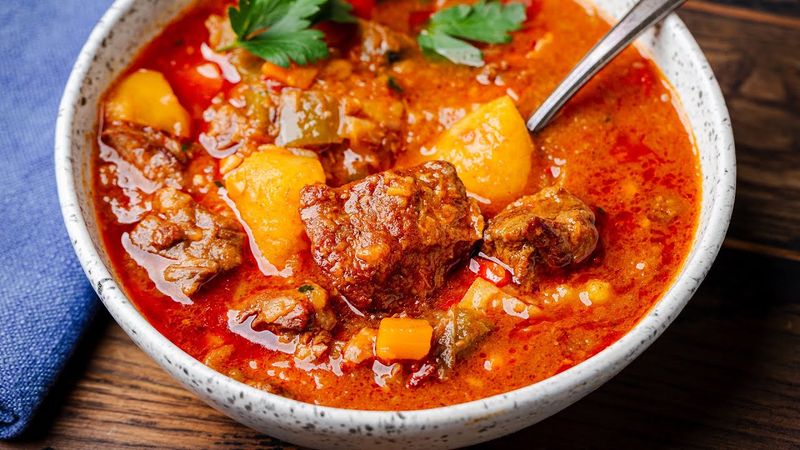
Slow-cooked combinations of meat, vegetables, and liquid are found in nearly every food culture.
Hungarian goulash, French pot-au-feu, American Brunswick stew, and German Gaisburger Marsch all rely on gentle cooking to develop flavour.
Ingredients and seasoning change by region, but the method remains largely the same.
8. Eggplant And Zucchini
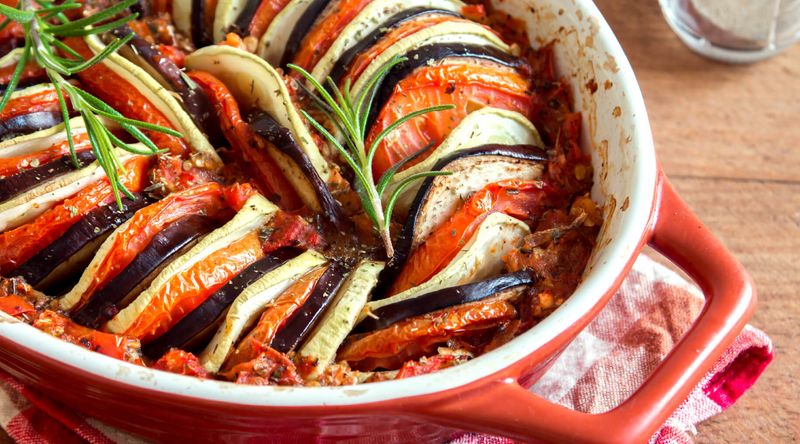
Vegetable names often follow French or Italian language roots depending on location.
Eggplant is known as aubergine in the UK and much of Europe, while zucchini is called courgette in the same regions.
Despite the different names, the vegetables themselves are used in similar ways across many cuisines.
9. Sausages
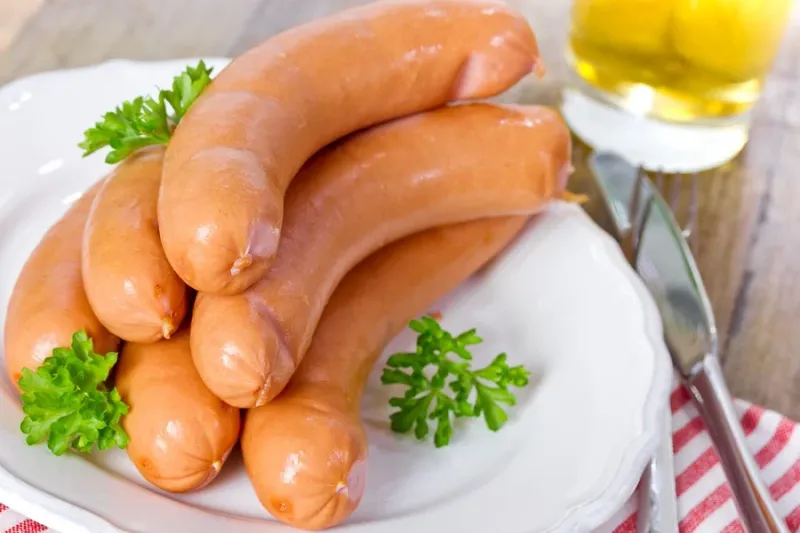
Sausages exist in countless forms, shaped by local meats, spices, and preservation methods.
Frankfurters or wieners are linked to Germany and Austria, while Poland has krakowska and the UK refers to everyday sausages as bangers.
The shared idea of seasoned meat in a casing has been adapted to suit regional tastes and traditions.