











Fresh, stretchy mozzarella feels like something that belongs behind a deli counter rather than in a home kitchen, yet it’s far more achievable than most people expect. With a few simple ingredients and a bit of hands-on fun, the process turns into a surprisingly satisfying little kitchen project.
Watching milk transform into soft, glossy cheese feels almost magical and makes the end result taste even better. Curiosity alone is often enough to pull people in, but the real reward comes when that first warm bite hits the plate.
All information is provided for general interest only. Methods, ingredients, results, and food safety practices may vary depending on equipment, milk quality, and individual preparation techniques.
Yes, You Really Can Make Mozzarella At Home
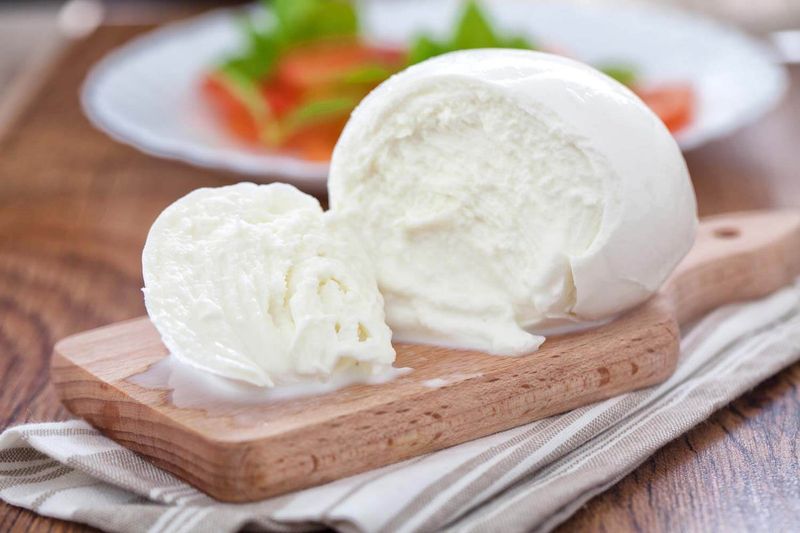
Most people think cheesemaking requires fancy equipment or years of training, but mozzarella breaks all those rules. You only need milk, citric acid, rennet, and salt - ingredients easily found online or at speciality shops.
The entire process takes less than an hour from start to finish. Unlike aged cheeses that demand weeks of patience, mozzarella rewards you almost instantly with soft, pillowy results you can eat straight away.
Starting With The Right Milk Makes All The Difference
Whole milk works best because the fat content creates that rich, creamy texture everyone loves. Avoid ultra-pasteurised milk, though—it won't form proper curds no matter how hard you try.
Fresh, pasteurised milk from the supermarket works brilliantly. Some cheesemakers swear by organic or farm-fresh options, claiming they produce sweeter, more flavourful results.
Experiment with different brands until you find your favourite.
Heating, Stirring, And Watching The Magic Begin

Once you add citric acid to the milk and heat it gently, curds start forming like tiny clouds floating in liquid. It feels almost magical watching the transformation happen right before your eyes.
Keep stirring slowly and monitor the temperature carefully—precision matters here. When you add rennet and let everything rest, the curds firm up beautifully, separating cleanly from the whey in just minutes.
Stretching The Curds Into That Signature Mozzarella Texture
After draining the whey, you heat the curds again until they become pliable and stretchy like taffy. This step gives mozzarella its characteristic smooth, elastic quality.
Fold, stretch, and knead the warm curds repeatedly until they turn glossy and silky. It requires a bit of elbow grease, but the satisfaction of shaping your own cheese makes every second worthwhile and genuinely enjoyable.
Shaping, Cooling, And Getting It Ready To Eat
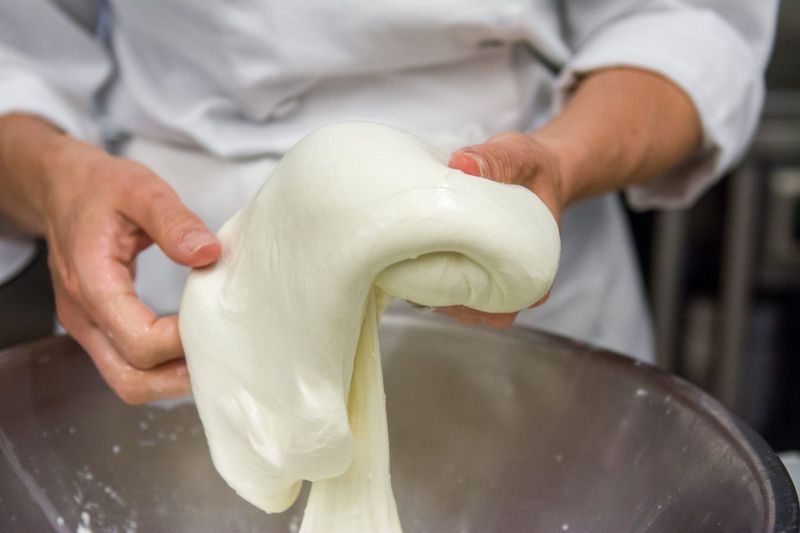
Form the stretched cheese into smooth balls or braids, whatever shape appeals to you most. Some people make bite-sized pieces whilst others prefer one large sphere.
Plunge the finished mozzarella into cold water or brine to stop the cooking process and lock in moisture. Within minutes, your cheese is ready to slice, tear, or devour however you fancy.
Why Fresh Homemade Mozzarella Tastes So Much Better
Shop-bought mozzarella often sits in plastic for days, losing its delicate flavour and tender texture. Homemade cheese eaten within hours tastes incomparably sweeter, creamier, and more satisfying.
The freshness brings out subtle milky notes you never knew existed. Whether melted on pizza or enjoyed with tomatoes and basil, homemade mozzarella elevates every dish into something truly memorable and delicious.