











When it comes to healthy eating, what you cut out may matter just as much as what you put on your plate. A new study from University College London suggests that avoiding certain highly processed foods could help people lose nearly double the weight compared to sticking with them. While it doesn’t mean every quick meal is bad, it shows how swapping to simpler foods can make a big difference.
This article is for general information only and not a substitute for professional advice. Weight loss results vary depending on individual health, lifestyle, and other factors. Always consult a qualified healthcare professional before making changes to your diet or fitness routine.
What The UCL Study Found
Researchers at University College London ran a trial published in Nature Medicine to see how food processing affects weight. According to a recent UCL report, fifty-five adults followed a diet of ultra-processed foods for eight weeks, then switched to a minimally processed one, with both diets matched for calories, fat, carbs, and protein.
The difference was striking: participants lost about 2.06% of body weight on the less processed plan compared to 1.05% on the ultra-processed diet. That’s nearly twice the weight loss simply by changing the type of food, not the calorie count.
Why Simple Swaps Matter
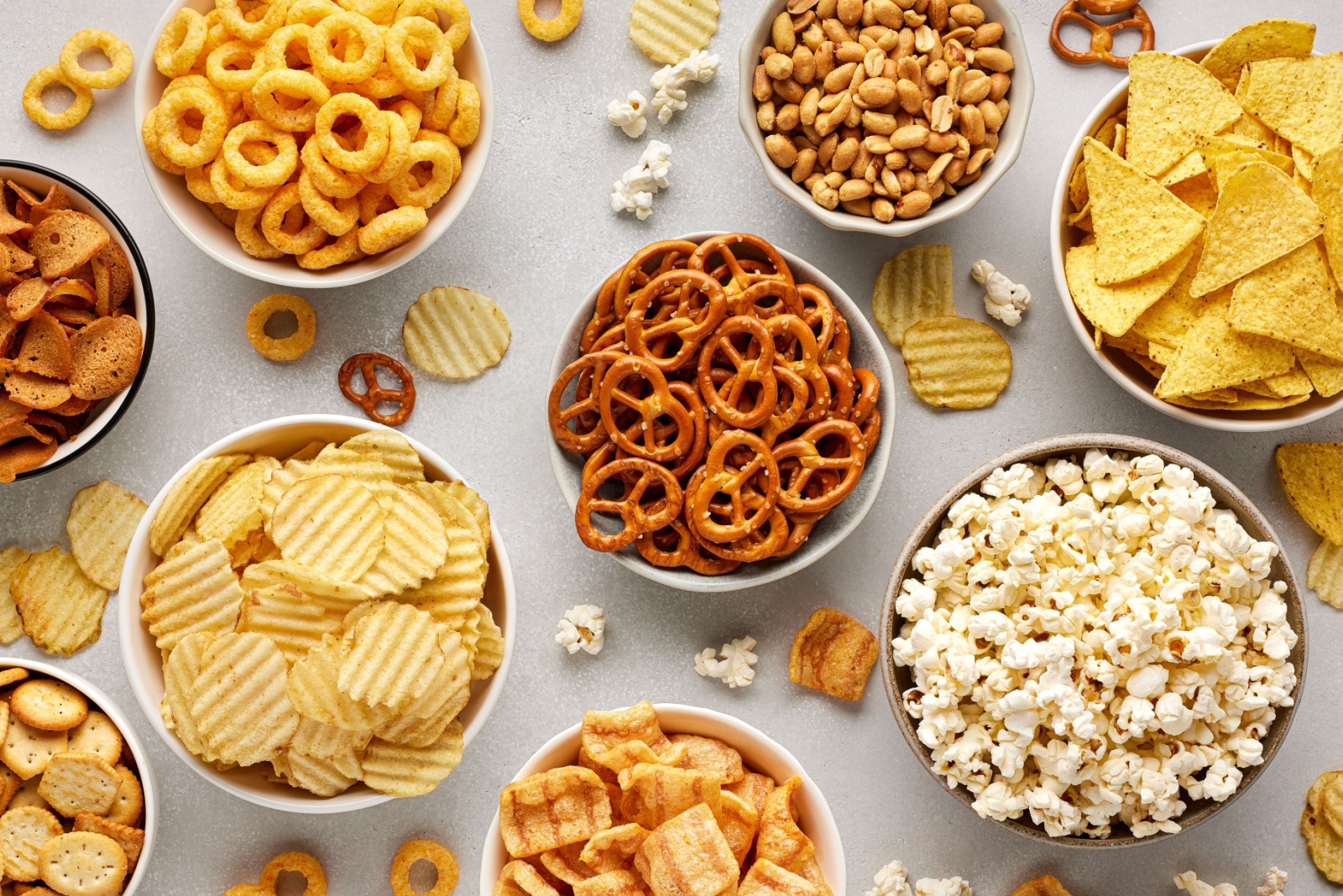
Think about grabbing a packet of crisps or a ready-made sandwich - it’s easy, but you’re often hungry again soon after. Many ultra-processed foods are designed to be quick to eat and very tasty, which makes it easy to overdo portions.
Swapping those for something a little fresher, like porridge with fruit or a homemade wrap, can leave you feeling fuller for longer. It’s not about fancy recipes, just choosing foods that give you lasting energy.
Balance Over Perfection
No one is going to avoid processed food completely, and that’s okay. The key is finding balance by enjoying favourites in moderation while focusing mostly on whole or less processed options. That way, you don’t feel restricted but still benefit from the change. Even making better choices half the time can add up to noticeable results.
Over time, these small adjustments can feel effortless and become part of your normal routine. It’s less about perfection and more about building a way of eating that works long term.
Building Everyday Habits

The most effective changes are the ones you can actually stick with. Cooking one or two meals from scratch each week, keeping healthy snacks at home, or swapping fizzy drinks for water are all easy starting points.
These small habits might not seem like much day to day, but they build consistency over time. That consistency, more than anything else, is what helps people see steady progress.