









Spicy food has a way of waking up the senses - it can make you sweat, laugh, gasp a little, and then go back for another bite anyway. Across the world, certain countries have embraced heat as part of everyday cooking, weaving chilli, pepper, and bold seasoning into dishes that feel alive with flavour.
Whether you love a gentle warmth or the kind of heat that makes you fan your face, exploring where these traditions come from is a tasty way to understand culture.
This is simply a food interest piece. Spice tolerance and preference vary from person to person, so if you’re experimenting in your own kitchen, adjust heat levels to suit your comfort.
1. India
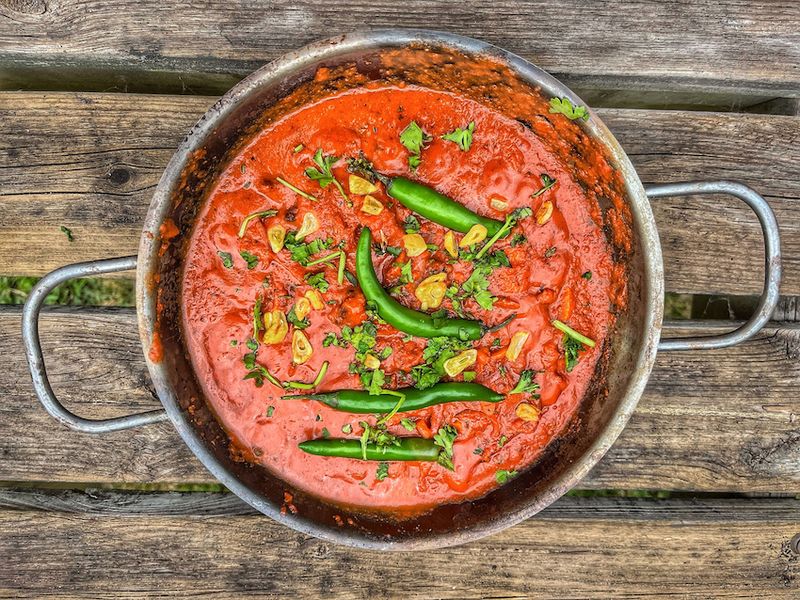
Indian cuisine reigns supreme when it comes to spice levels that challenge even the bravest eaters. Every region boasts its own fiery specialities, from vindaloo curries in Goa to the scorching chole bhature of Punjab.
Chillies aren't just added for heat—they're woven into the soul of Indian cooking. The country grows over 40 varieties of chillies, including the infamous bhut jolokia, once crowned the world's hottest pepper. Spices like cumin, coriander, and garam masala create layers of flavour that dance on your palate.
2. Thailand
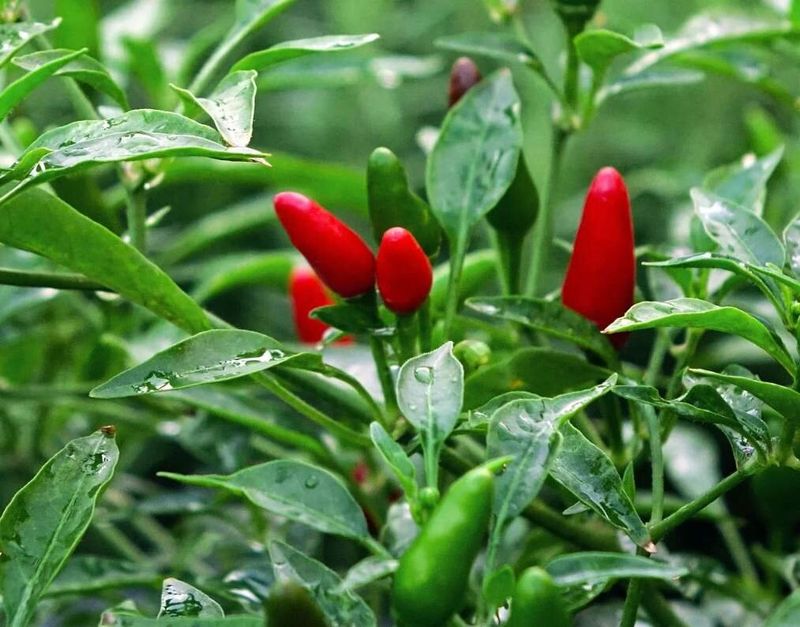
Thai food balances sweet, sour, salty, and spicy in ways that make your taste buds sing. Bird's eye chillies pack serious punch in classics like som tam (green papaya salad) and tom yum soup.
Street vendors across Bangkok serve dishes so fiery they come with warnings for tourists. Yet locals munch through these meals without breaking a sweat. Thai cuisine proves that spice enhances rather than overwhelms, creating unforgettable flavour combinations that keep food lovers coming back.
3. Mexico
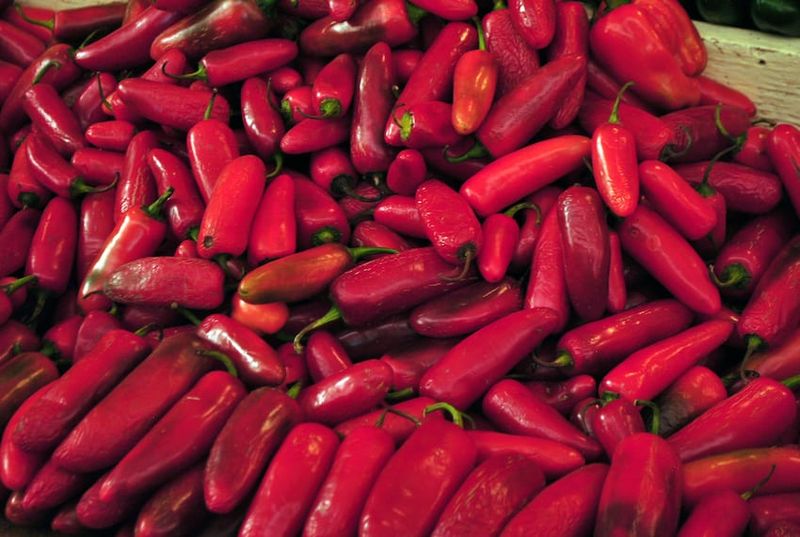
Mild poblanos, smoky dried chillies, and fiery habaneros all have a place in Mexican cooking, appearing in everything from slow-cooked stews to street snacks. Salsas range from pleasantly warm to genuinely intense, and locals often debate which region creates the most powerful mole. Dishes like chile rellenos and enchiladas show how heat can highlight richer flavours rather than overpower them.
Mexican food culture celebrates chillies like nowhere else on Earth, and its ancient relationship with spice stretches back thousands of years, making heat an essential part of national identity.
4. South Korea
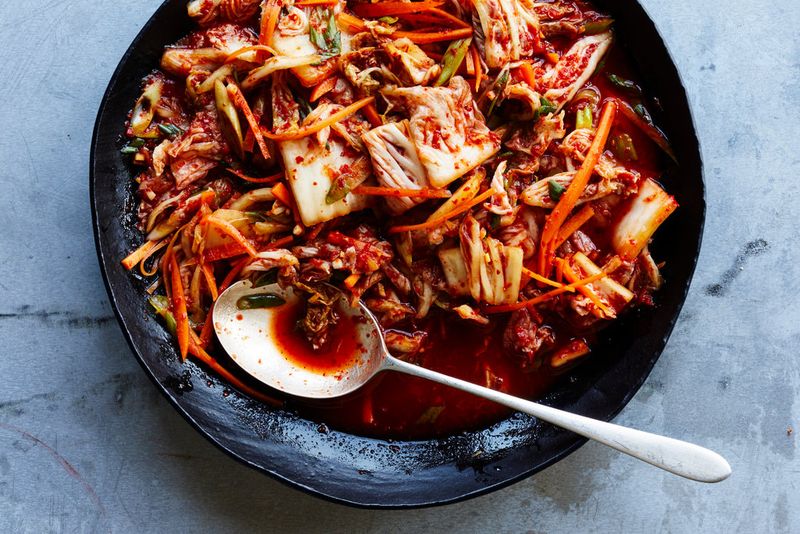
Gochugaru and gochujang - Korean red pepper flakes and paste - define this nation's love affair with spice. Kimchi, the iconic fermented cabbage, appears at almost every meal, delivering both heat and tangy flavour.
Korean fried chicken drowning in spicy sauce has become a global sensation, whilst tteokbokki (spicy rice cakes) remains a beloved street food. The heat builds gradually, sneaking up on you rather than hitting all at once. This slow burn keeps you reaching for more.
5. China
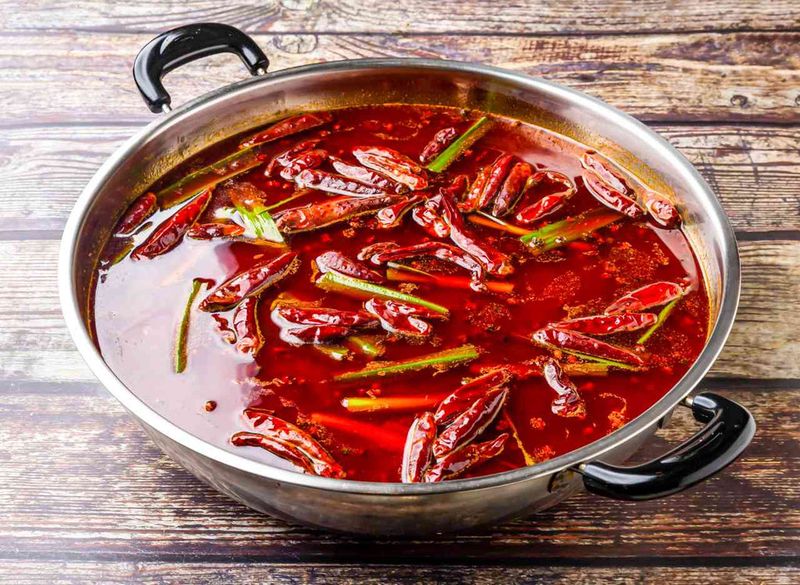
Sichuan province stands as China's spice capital, famous for its mouth-numbing málà sensation. This unique tingly heat comes from Sichuan peppercorns combined with fiery chillies, creating flavours you won't find anywhere else.
Dishes like mapo tofu and hot pot challenge even seasoned spice enthusiasts with their intensity. Hunan cuisine rivals Sichuan's heat, often using even more chillies without the numbing effect. Chinese spicy food teaches you that pain and pleasure can absolutely coexist on one plate.
6. Indonesia
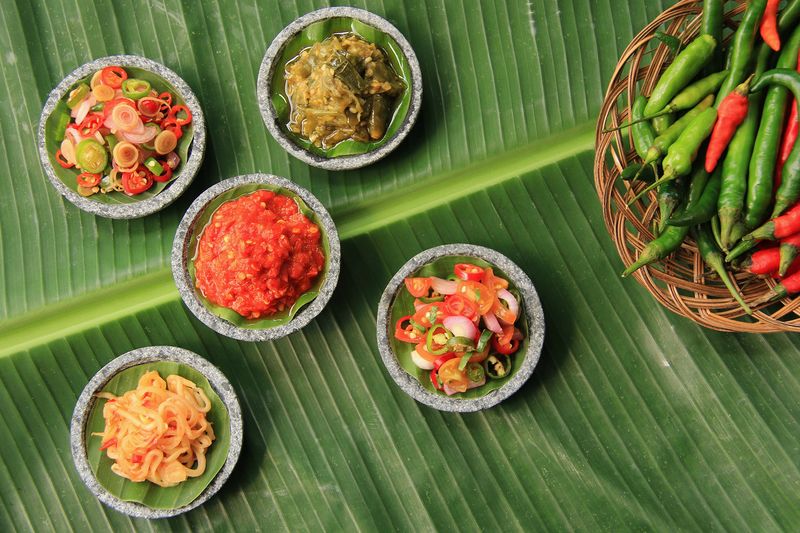
Sambal rules Indonesian tables like a spicy king, with hundreds of regional variations turning up the heat differently. This chilli-based condiment accompanies nearly everything, from rice to grilled fish to fried tempeh.
Dishes like rendang and ayam penyet showcase how Indonesians layer spices to create depth alongside fire. The country's tropical climate produces some seriously potent chillies that locals handle with impressive ease. Indonesian cuisine proves that spice isn't just seasoning - it's a way of life that brings communities together.
7. Sri Lanka
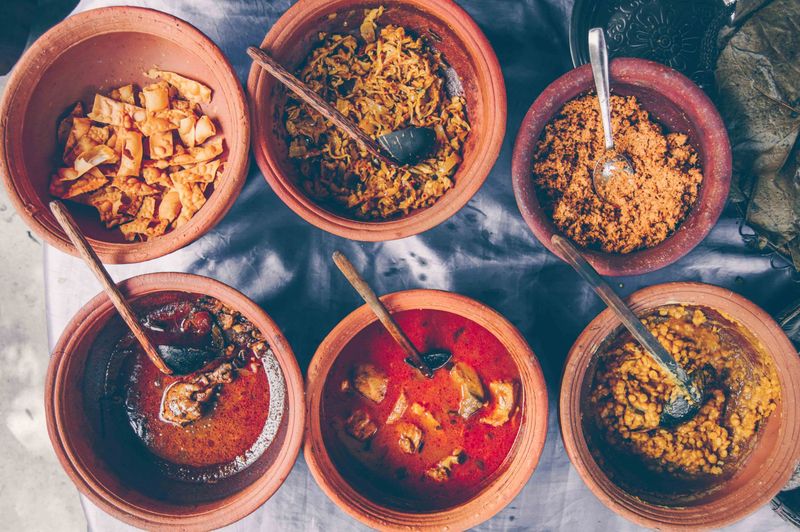
Sri Lankan curries deliver heat that rivals their Indian neighbours, but with distinct island flavours. Generous amounts of chilli powder, fresh green chillies, and fiery curry blends make every meal an adventure.
The famous pol sambol (coconut relish) combines shredded coconut with chillies and lime, creating a condiment that's dangerously addictive. Rice and curry meals typically include multiple spicy dishes served together, overwhelming your senses in the best possible way. Sri Lankans don't hold back when seasoning their food.
8. Ethiopia
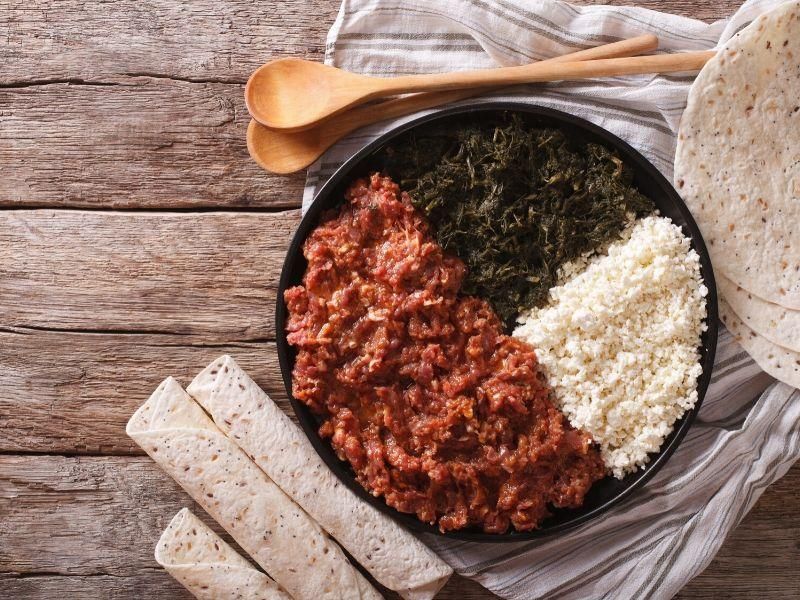
Cuisine from Ethiopia is known for its bold, layered flavours built on spice blends like berbere and mitmita. Meals are traditionally shared from a large platter with injera, a soft, tangy flatbread used to scoop up the food. The combination of spice, texture, and communal eating makes these meals deeply flavourful and social.
Berbere adds warmth and complexity to dishes such as doro wat, while mitmita brings sharper heat to foods like kitfo, which may be served raw, lightly cooked, or fully cooked depending on preference.
9. Malaysia
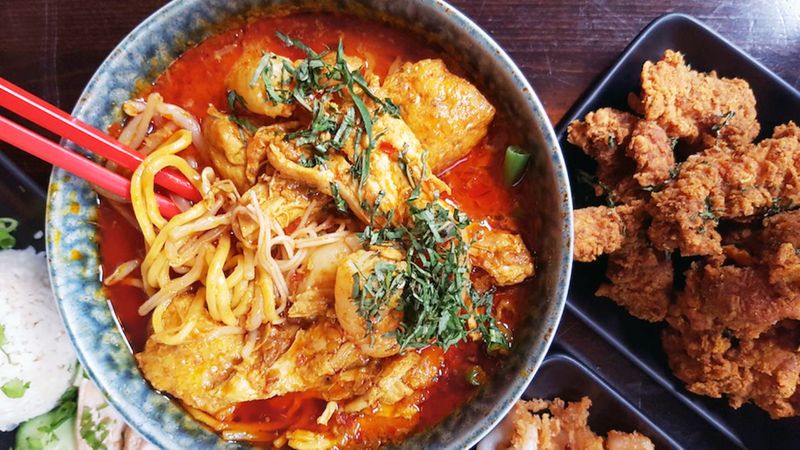
Malaysian cuisine blends Chinese, Indian, and Malay influences into spectacularly spicy creations. Laksa, the iconic spicy noodle soup, varies wildly between regions but always delivers serious heat alongside rich coconut flavours.
Sambal belacan (chilli shrimp paste) appears on tables everywhere, adding fire to already spicy dishes. Street food stalls serve rendang, curry mee, and nasi lemak with enough chillies to make your eyes water. Malaysia's multicultural food scene means spice lovers never run out of new burning sensations to explore.