



If you’ve ever tried bread in both the UK and the US, you’ve probably noticed it doesn’t taste quite the same. British loaves tend to feel heartier and less sweet, while American bread can taste more like cake than a sandwich staple. It’s a small difference that says a lot about how each country approaches food - and once you notice it, you’ll never un-taste it.
This article is for general informational purposes only and should not replace professional dietary or nutritional advice. Ingredients, labelling, and food regulations vary between countries, which can affect taste and nutrition. Always check packaging for ingredient details and nutritional information before purchasing.
The Sweet Secret Behind American Bread

The standout contrast between British and American bread is sugar. In the US, many loaves contain added sweeteners like high-fructose corn syrup or cane sugar, giving them a softer, sweeter taste. British bakers tend to rely on traditional recipes that let the natural wheat flavour shine through.
That single tweak changes everything - from flavour to how long the loaf lasts. It also shifts how people enjoy their bread, with Americans pairing it with sweeter spreads while Brits reach for butter or savoury fillings.
Over time, these preferences have become part of each country’s everyday food culture, shaping what “good bread” means on both sides of the Atlantic.
Why UK Bread Tastes More Savoury
In the UK, bread recipes usually keep it simple with flour, water, yeast, and salt. Strict food standards limit unnecessary additives, so most loaves lean towards a naturally savoury, slightly nutty taste.
This makes them perfect for sandwiches or toast without feeling sugary. It’s bread that tastes like, well, bread.
Sweetness Extends Shelf Life
That hint of sugar in American bread isn’t just about flavour - it helps keep loaves soft for longer. Combined with preservatives such as calcium propionate, it means many US breads stay fresh for days or even weeks. In Britain, bread tends to go stale faster, but that also means it’s fresher and closer to how it was baked.
Some shoppers see this as a sign of quality rather than inconvenience. It’s a trade-off between lasting longer on the shelf or tasting more like something straight from the bakery.
Texture Tells The Story Too
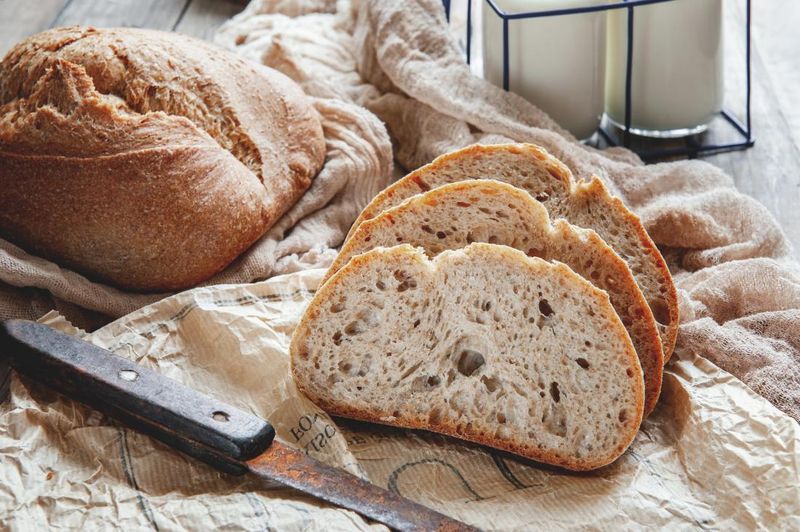
All that extra sugar and added ingredients make American bread lighter and bouncier, almost sponge-like. British bread, on the other hand, has more bite and a crispier crust.
These textures reflect how each country likes to eat - the UK favours hearty sandwiches, while the US leans toward soft, comforting slices that hold up well to peanut butter and jam.
Taste Preferences Show Cultural Differences
Ultimately, this one big difference - sweetness - captures two food cultures in a loaf. Americans value softness and sweetness, while Brits appreciate freshness and flavour.
Both nations love their bread, but what they look for in each bite couldn’t be more different. It’s a simple contrast that highlights how history, habits, and even supermarket trends shape the way people eat.
In the end, whether you prefer a fluffy slice or a crusty one, bread says more about a country than most realise.