



People living in the world’s longest-living regions often credit their vitality to simple, wholesome eating habits. They steer clear of certain everyday foods that many of us consume regularly, favouring fresh, natural options instead.
Looking at what they avoid offers a fascinating glimpse into how small choices may play a role in long, healthy lives.
This article is for general information only and is not intended as medical or dietary advice. Eating habits and food choices vary widely among individuals and cultures. Always consult a qualified health professional or nutritionist before making significant changes to your diet, especially if you have existing health conditions or dietary restrictions.
1. Processed Meats

Those cheerful packages of bacon, salami, and hot dogs rarely appear in the diets of people who live the longest. High in preservatives, nitrates, and salt, these meats are often linked to health problems over time.
Instead, many favour fresh, lean proteins in small portions, often treating meat as a side rather than the main focus.
2. Sugary Drinks

Fizzy sodas and sugar-packed juices are strangers to the world's longest-living populations. These liquid sugar bombs cause dramatic blood sugar spikes and contribute to obesity and diabetes.
Water reigns supreme in longevity hotspots, often accompanied by tea or coffee without sweeteners.
3. Packaged Sweets
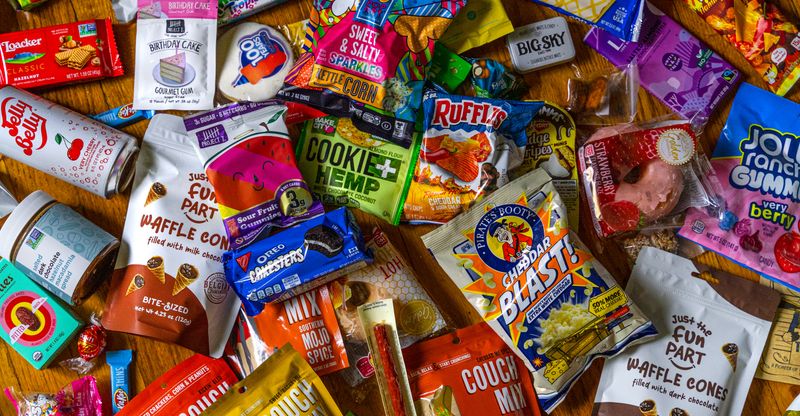
Factory-made biscuits, cakes, and candies? You won't find these in the pantries of the world's oldest people. These treats deliver empty calories alongside harmful trans fats and artificial ingredients.
When centenarians crave something sweet, they reach for fresh fruits or occasionally enjoy homemade desserts made with natural ingredients and minimal sugar.
4. White Bread
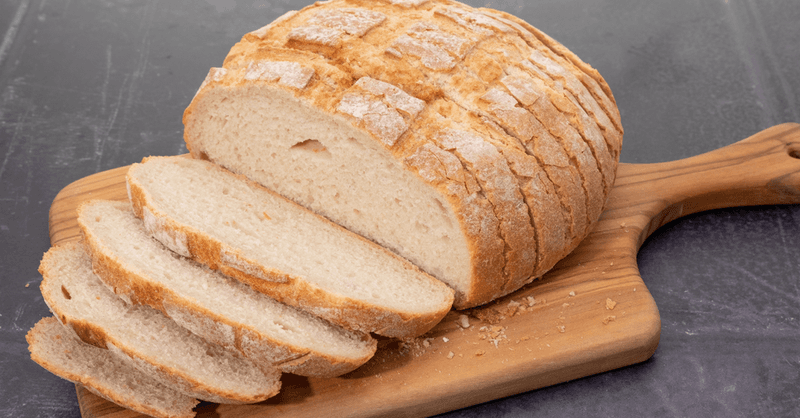
That fluffy white loaf might be convenient, but it's essentially processed starch that converts rapidly to sugar in your bloodstream. Longevity champions favor slow-fermented sourdough or whole grain alternatives.
Traditional breads eaten by many long-living people are often made with ancient grains and naturally fermented, resulting in loaves that are easier to digest and rich in nutrients.
5. Fried Fast Food

Golden and crispy may be tempting, but fried fast foods are usually cooked in oils that break down under high heat. This process creates unhealthy compounds while piling on extra calories and salt. Regular consumption can leave the body overloaded and sluggish.
Lighter cooking methods such as steaming, baking, or quick sautéing with minimal oil provide a more balanced alternative.
6. Instant Noodles
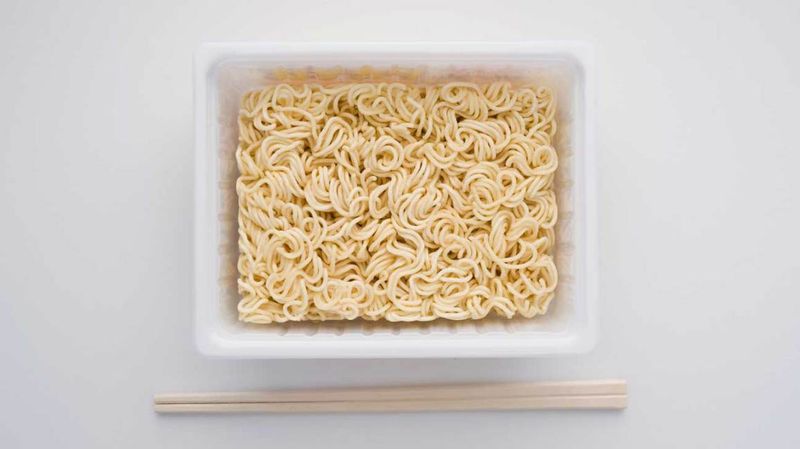
Those convenient cups of instant noodles might save time, but they won't save your health. Packed with sodium, preservatives, and refined carbs, they're nowhere to be found in longevity-promoting diets.
Long-living communities prepare noodles from scratch or choose minimally processed varieties, often incorporating vegetables and modest protein portions.
7. Margarine

Margarine rose to popularity as a cheaper and supposedly healthier substitute for butter. Early versions were packed with hydrogenated oils and trans fats, which are no longer considered safe. Even modern margarines often rely on additives to achieve texture and flavour.
Many people now lean toward olive oil or small amounts of natural butter as a more traditional choice.
8. Processed Snacks
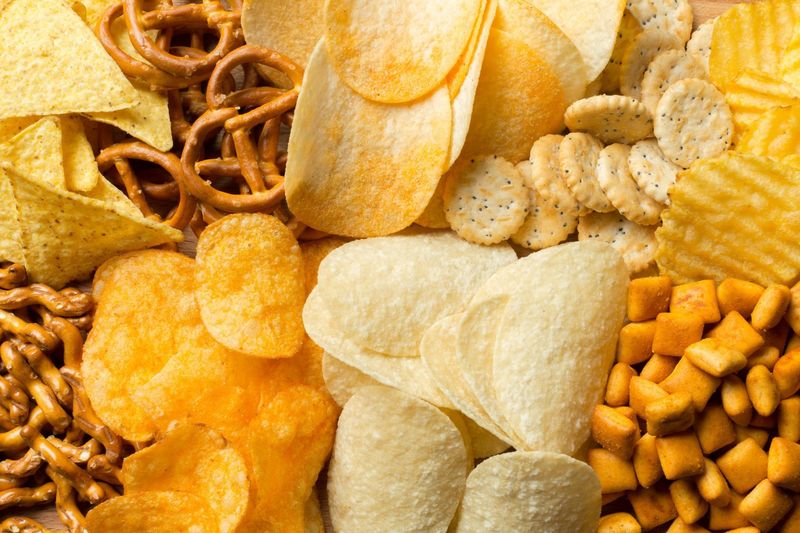
Crisps, cheese puffs, and their crunchy cousins are conspicuously absent from the diets of long-living populations. These ultra-processed snacks offer little nutrition while delivering unhealthy fats, excess sodium, and artificial flavors.
Centenarians typically snack on nuts, seeds, or fresh fruit - foods that provide sustained energy and beneficial nutrients.
9. Red Meat
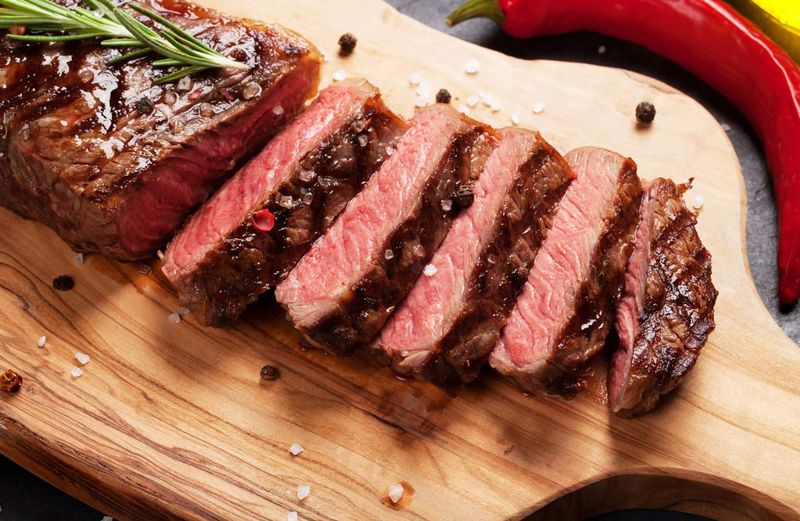
Steaks and burgers are often enjoyed less frequently than other protein sources. Large portions of red meat can be heavy on the body and are not always the best choice for everyday meals.
Smaller servings of lean poultry or fish tend to be lighter and easier to balance with vegetables and grains. Beans and lentils also provide excellent protein while adding fibre and nutrients to the diet.
10. Flavoured Yoghurts
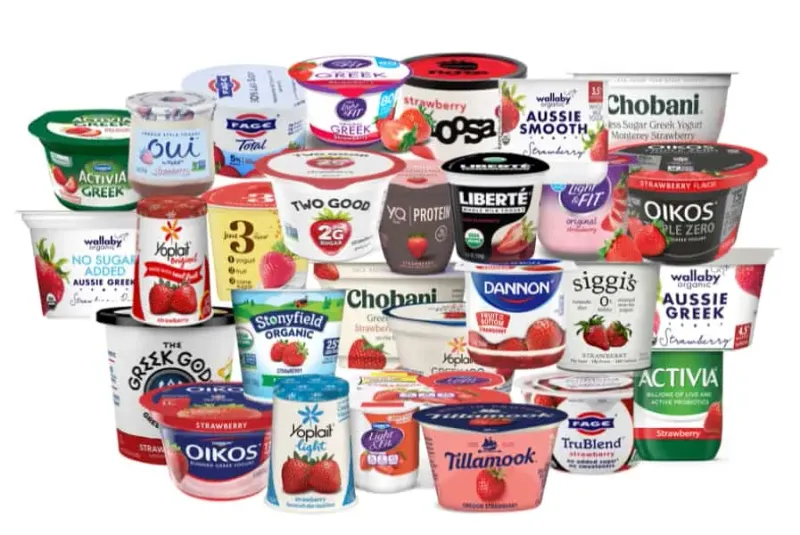
Those little pots of fruit-at-the-bottom yoghurt might seem healthy, but they're sugar bombs in disguise. A single serving can contain more sugar than a chocolate bar!
Centenarians who consume dairy typically eat plain, full-fat yoghurt, often made from sheep or goat milk. They might add honey or fresh fruit, but the base remains unsweetened.
11. Frozen Meals

Freezer-ready dinners and pizzas were created for speed and convenience rather than nutrition. These products are often loaded with preservatives, sodium, and low-quality fillers to extend shelf life. The result is a meal that may be easy but offers little real nourishment.
Preparing simple dishes at home with fresh ingredients provides more balanced flavour and nutrition.
12. White Rice
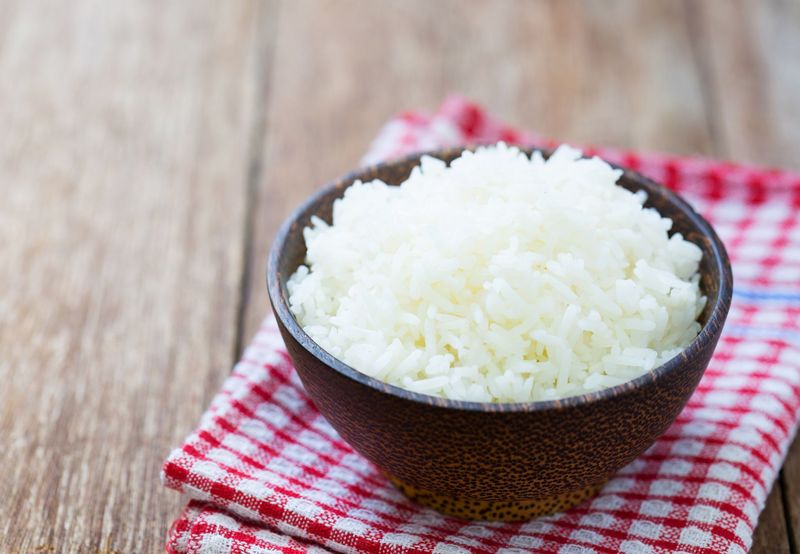
White rice starts as a whole grain, but the refining process removes its bran and germ, stripping away fibre and micronutrients. What remains is mostly starch that digests quickly and can leave you hungry sooner. In moderation, it can still be part of a meal, but it lacks the depth of its less processed counterparts.
Brown rice, barley, farro, and quinoa offer more lasting energy and nutritional value.