










Food myths are everywhere, and they can make healthy eating feel more confusing than it needs to be. Nutritionists hear the same false claims over and over, and these misconceptions often lead people to make poor choices. Let's clear up some of the most stubborn myths so you can feel confident about what you eat.
This article is for general informational and educational purposes only. Nutrition science evolves over time, and individual dietary needs may vary. Always consult a qualified healthcare professional or registered dietitian before making significant changes to your eating habits or relying on general nutrition claims.
1. Carbs Make You Gain Weight
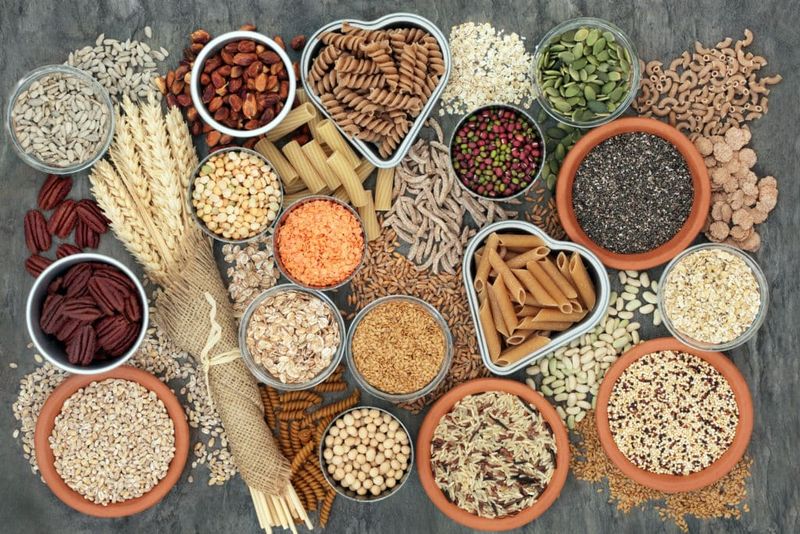
Carbohydrates aren't your enemy when it comes to managing weight. Your body actually needs carbs for energy, especially your brain and muscles.
The real problem happens when you eat too many refined carbs like white bread and sugary snacks. Whole grains, fruits, and vegetables provide healthy carbs that fuel your day without causing weight gain.
Portion control matters more than avoiding carbs completely.
2. Eating Fat Makes You Fat
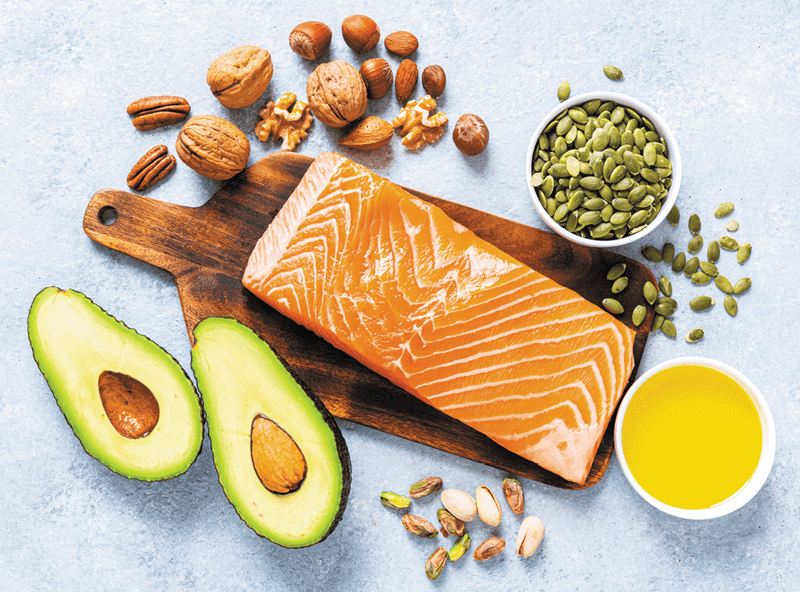
Fat has been unfairly blamed for weight gain for decades, but science tells a different story. Healthy fats from sources like avocados, nuts, and fish are essential for your body to function properly.
These fats help you absorb vitamins and keep you feeling full longer. The key is choosing unsaturated fats over trans fats and eating reasonable portions.
3. You Need To Detox With Juices
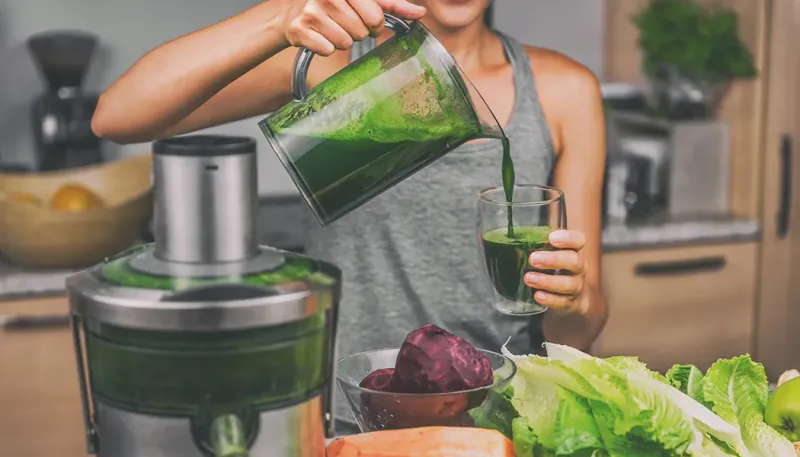
Your liver and kidneys already do an excellent job of removing toxins from your body without any special juice cleanses. These organs work around the clock to filter out waste naturally.
Juice detoxes often lack protein and fibre, which can leave you hungry and tired. Eating whole fruits and vegetables gives you more nutrients and keeps your digestive system healthy. Save your money and trust your body.
4. Late-Night Eating Causes Weight Gain

Weight gain happens when you eat more calories than you burn, regardless of what time you eat them. Many people who snack late at night choose high-calorie foods like crisps or ice cream, which contributes to the myth.
If you're genuinely hungry before bed, a small healthy snack won't hurt. What matters most is your total daily intake and food choices, not the clock.
5. Fresh Produce Is Always Healthier Than Frozen
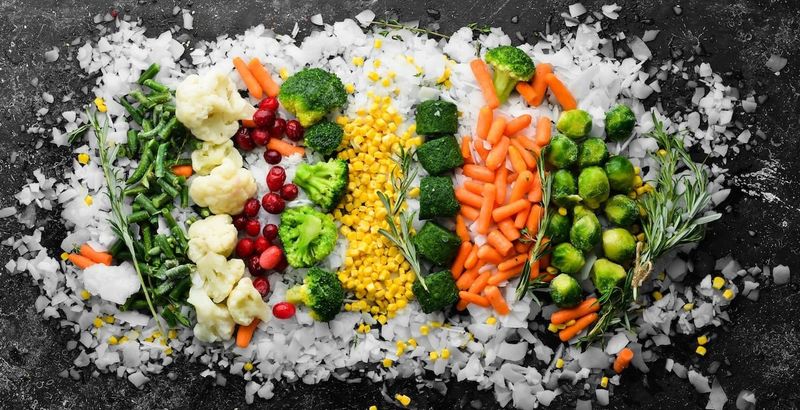
Frozen fruits and vegetables are picked at peak ripeness and frozen immediately, which locks in their nutrients brilliantly. Fresh produce sometimes travels long distances and sits on shelves, losing vitamins along the way.
Studies show frozen options can be just as nutritious, if not more so, than fresh varieties. Both choices are excellent, so pick whichever fits your budget and lifestyle best.
6. Skipping Meals Helps You Lose Weight
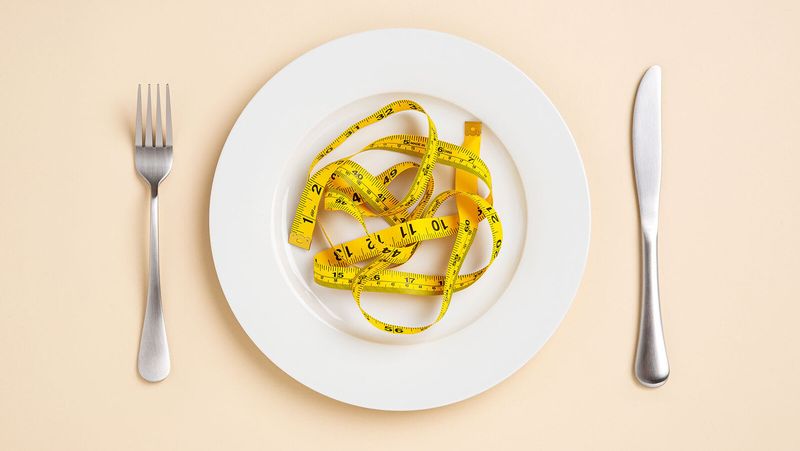
Skipping meals might seem like an easy way to cut calories, but it often backfires in frustrating ways. When you skip breakfast or lunch, you're likely to feel ravenous later and overeat at your next meal.
Regular eating keeps your metabolism steady and helps control hunger throughout the day. Balanced meals with protein, healthy fats, and carbs work better for sustainable weight management than meal skipping.
7. Gluten-Free Diets Are Healthier For Everyone
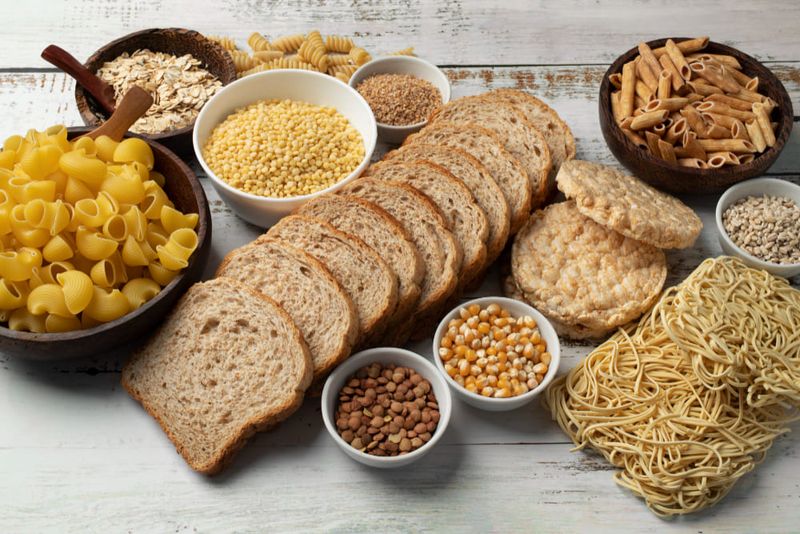
Unless you have coeliac disease or gluten sensitivity, cutting out gluten offers no health advantages. Many gluten-free products contain more sugar and fat to improve taste, making them less healthy than regular versions.
Whole wheat foods provide important nutrients like fibre and B vitamins that your body needs. Going gluten-free unnecessarily can limit your food choices without any real benefit to your wellbeing.
8. All Processed Foods Are Bad
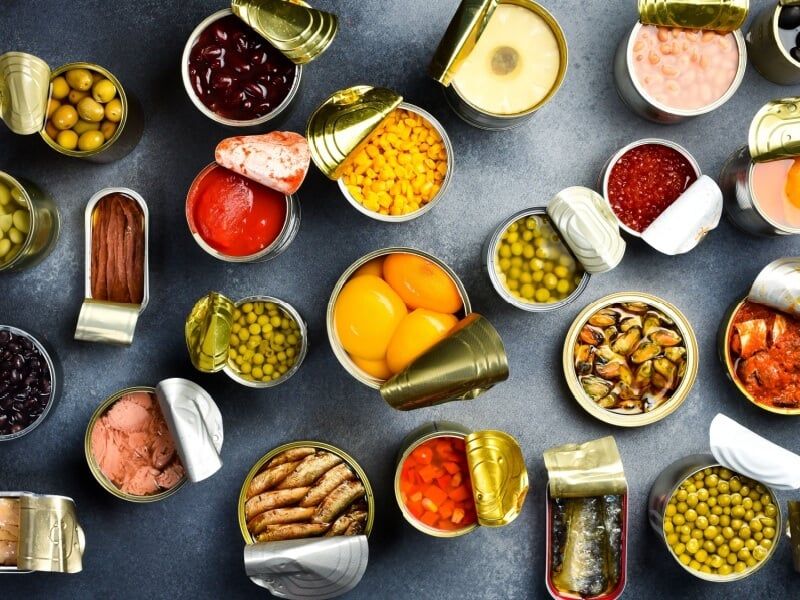
Processing simply means food has been changed from its original form, which isn't automatically harmful. Frozen vegetables, canned beans, and yoghurt are all processed but remain nutritious choices.
The concern lies with ultra-processed foods loaded with added sugars, salt, and artificial ingredients. Reading labels helps you distinguish between helpful processing and products best enjoyed occasionally. Not all processing deserves a bad reputation.
9. You Must Drink Eight Glasses Of Water A Day

Hydration needs vary greatly depending on your size, activity level, and climate, so one rule doesn't fit everyone. You get water from foods like fruits and vegetables, plus other beverages count towards your daily intake too.
Your body signals thirst when you need more fluids, making it a reliable guide. Pale yellow urine usually indicates proper hydration without counting glasses obsessively throughout your day.
10. High-Protein Diets Damage Your Kidneys
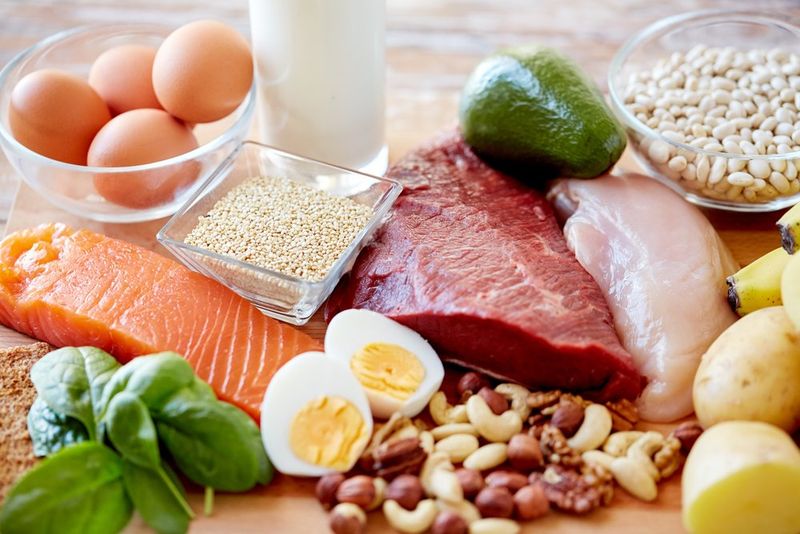
For people with healthy kidneys, eating more protein doesn't cause damage or long-term problems. This myth likely started because people with existing kidney disease need to limit protein intake carefully.
Protein helps build muscle, keeps you satisfied, and supports many body functions effectively. Athletes and active individuals often need more protein than sedentary people without any kidney concerns arising from their higher intake.