


Flowers aren't just for vases and gardens – many can add colour and flavour to your meals too! Across different cultures, edible flowers have been used in cooking for centuries, bringing unique tastes and beautiful presentations to dishes. From salads to desserts, these colourful blooms can transform ordinary meals into something special.
This article is for general informational purposes only. Availability, safety, and flavour of edible flowers may vary by region, preparation, and source. Always ensure flowers are food-grade and safe for consumption before use.
1. Pansies
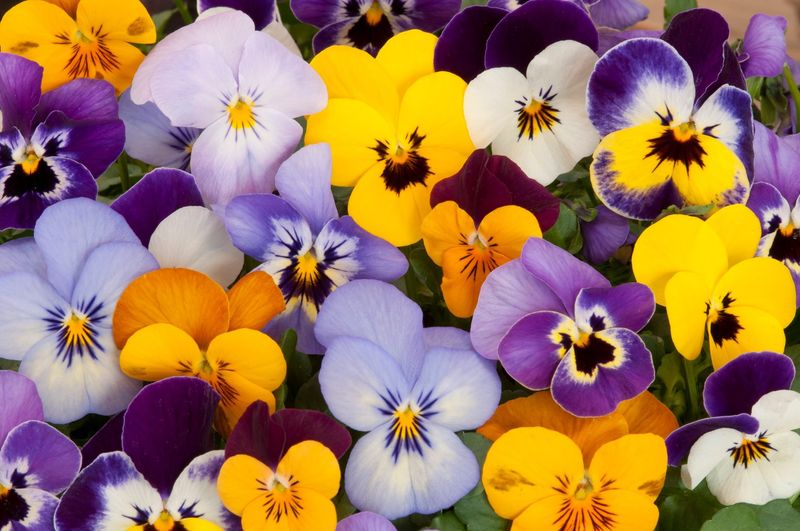
Edible pansies belong to the viola family and are valued in cooking for their gentle, slightly sweet flavour. Their bright, multi-coloured petals make them popular for garnishing salads, desserts, and drinks. Because they are safe to eat when grown without pesticides, they add both beauty and a delicate taste to dishes.
Beyond the kitchen, pansies are also widely admired in gardens and floral displays for their striking appearance.
2. Dianthus
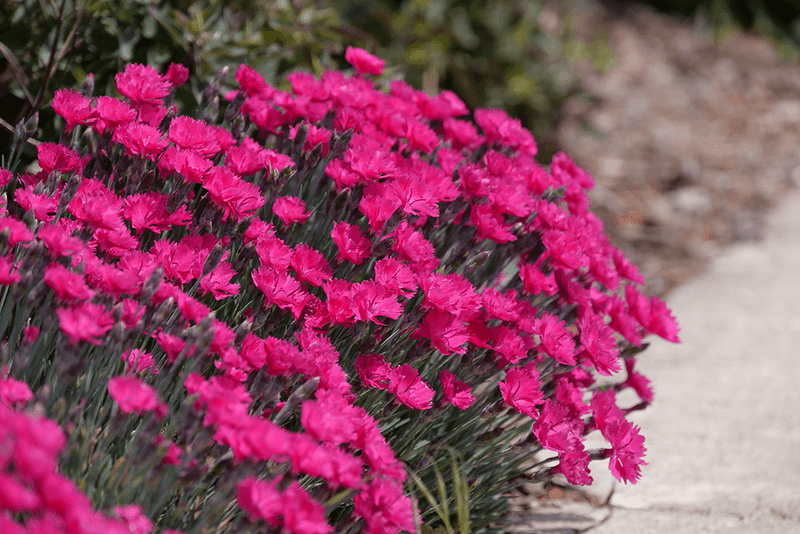
Dianthus flowers, often referred to as “pinks,” are part of a large group of plants long admired in gardens. Certain varieties are edible and can have a mild, clove-like flavour, though not all types are used in cooking.
Their fringed petals and bright colours make them popular as a garnish on desserts, salads, and drinks. When grown for culinary use, they add both visual appeal and a subtle touch of flavour to dishes.
3. Nasturtium
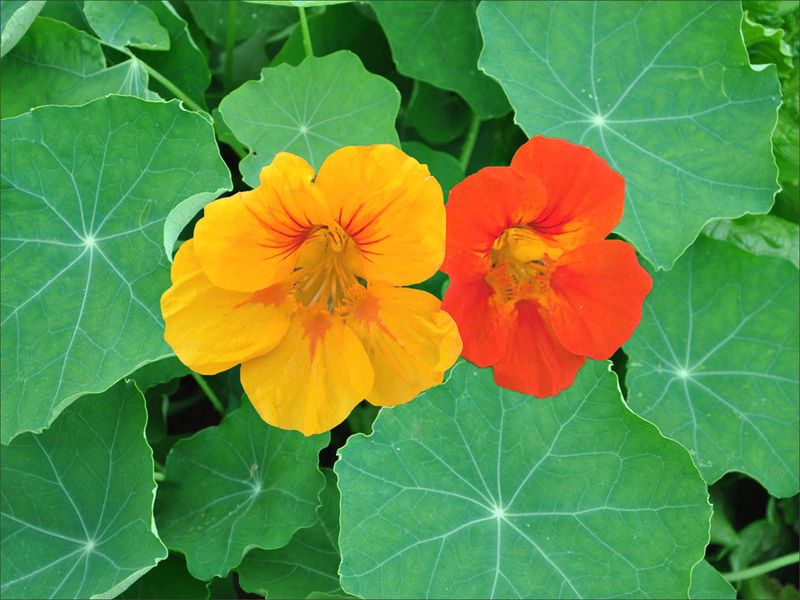
Peppery little stars of the garden, nasturtiums bring a spicy kick similar to watercress. Their vibrant orange, red and yellow blooms brighten up any salad. Both flowers and leaves are edible, with a slightly pungent flavour that pairs wonderfully with cheese dishes.
They're also incredibly easy to grow, making them perfect for beginner gardeners.
4. Squash / Zucchini Blossoms
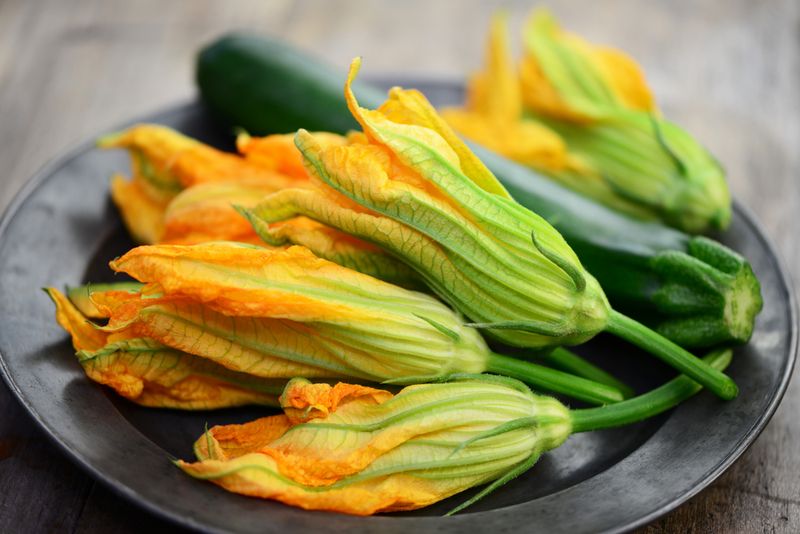
Golden trumpets from the vegetable patch, squash blossoms have been a delicacy in Italian and Mexican cuisines for generations. These delicate yellow-orange flowers have a subtle, sweet flavour. Many chefs stuff them with cheese, batter and fry them for a crispy treat.
Harvest them early in the morning when they're fully open but haven't started to wilt.
5. Rose
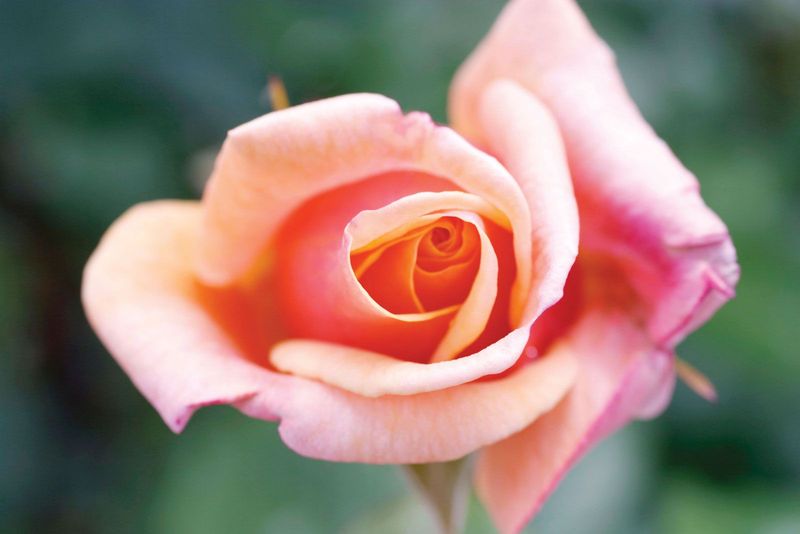
The queen of flowers offers more than just beauty and fragrance. Rose petals carry subtle flavours that range from fruity to spicy, depending on the variety and growing conditions.
Middle Eastern cuisine has long celebrated roses in dishes like Turkish delight and Persian rice pudding.
Remember to remove the bitter white base of each petal before using them in your culinary creations.
6. Lavender
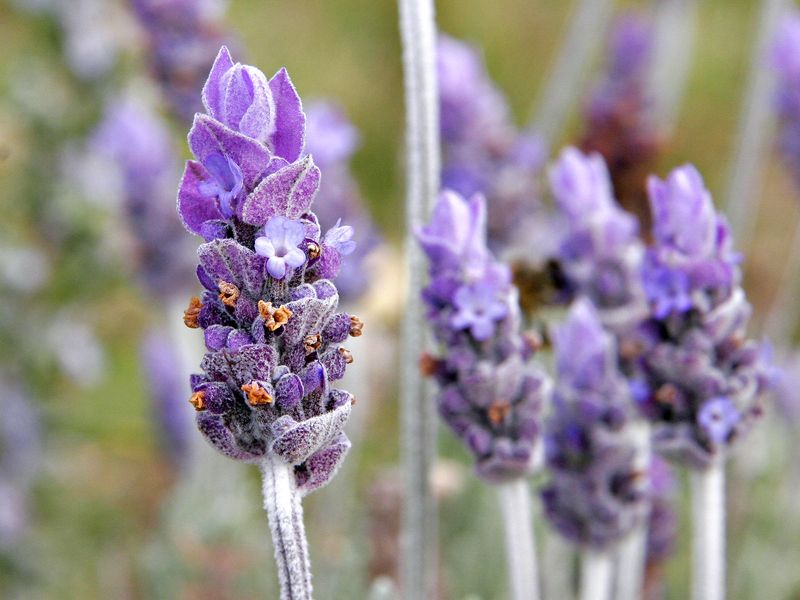
Famous for its calming scent, lavender brings a delightful floral sweetness with hints of rosemary to foods. French cuisine has embraced this purple beauty for centuries in their famous herbes de Provence blend. A little goes a long way – too much can make food taste soapy.
Lavender pairs wonderfully with chocolate, honey, and lemon desserts, creating sophisticated flavour profiles.
7. Chamomile
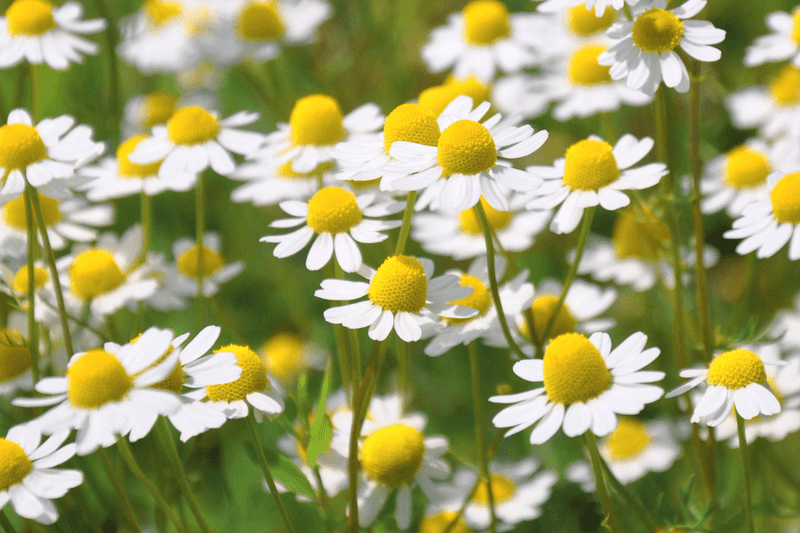
Those tiny daisy-like blooms aren't just for tea! Chamomile flowers offer a gentle apple-like sweetness that works beautifully in both sweet and savoury dishes. Beyond their culinary uses, these flowers have been valued for centuries for their calming properties.
Try infusing them into custards or ice creams for a subtle, unexpected flavour that will have guests guessing your secret ingredient.
8. Borage
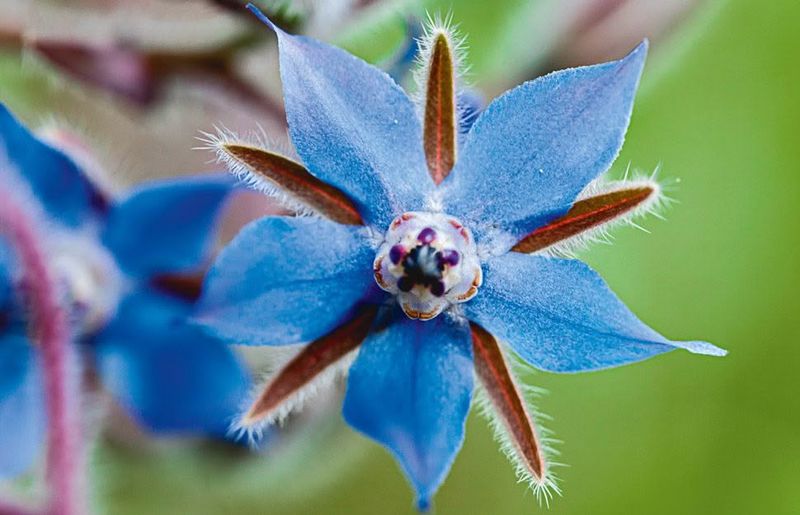
Star-shaped blue beauties with a surprising cucumber flavour, borage flowers have been brightening dishes since Roman times. Their vivid colour makes them perfect for freezing in ice cubes for summer drinks. Ancient warriors reportedly took borage for courage before battle.
Today, these edible stars add a refreshing touch to salads, summer soups, and fruit cups without overpowering other flavours.
9. Elderflower
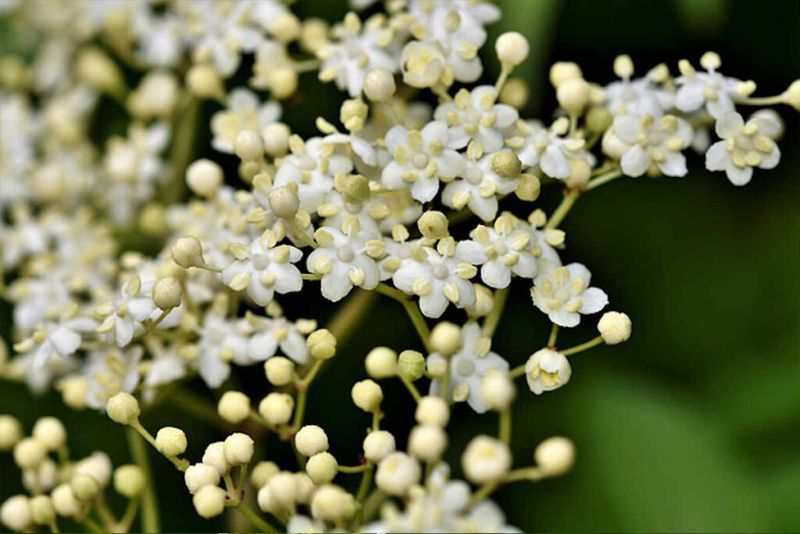
Clusters of tiny cream-coloured blossoms give elderflowers their delicate, summery charm. These blooms are prized for their light, floral flavour with hints of pear and lychee. They’re often used to make syrups, teas, or jellies that capture the essence of early summer.
Their fragrance adds an elegant touch to desserts, drinks, and even baked goods, making them a versatile favourite in British and European kitchens.
10. Dandelion
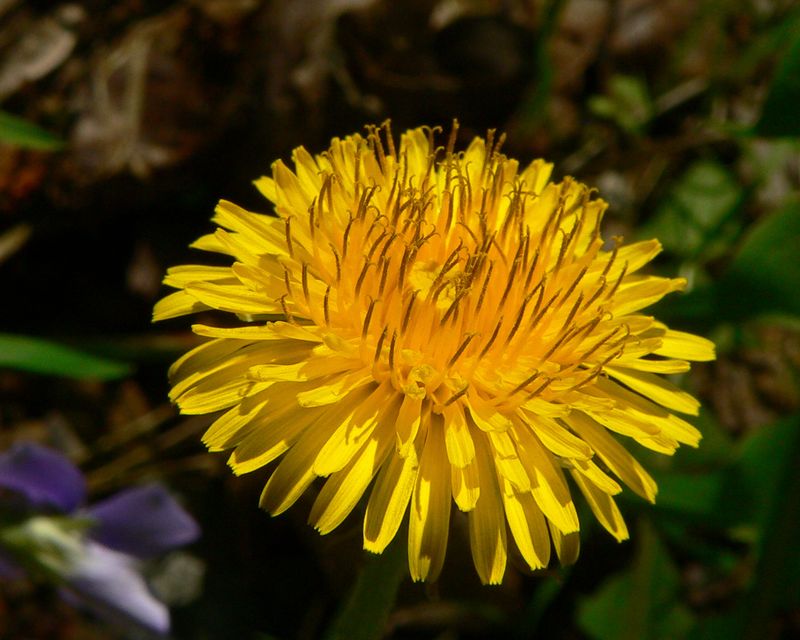
These familiar yellow blooms, often seen as weeds, have long been valued for their edible qualities. Young flowers carry a mild, honey-like sweetness and can be used fresh in salads or lightly battered and fried as fritters.
Every part of the plant, from root to petal, offers something useful in the kitchen. When harvested early, dandelions add a bright and unexpected twist to simple dishes while celebrating a food tradition rooted in foraging.
11. Daylily
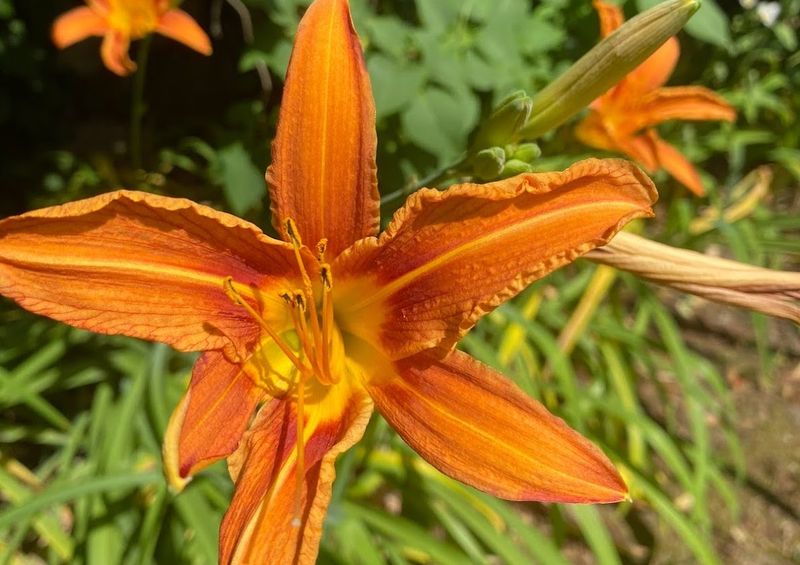
Vibrant orange trumpets with a flavour reminiscent of sweet lettuce and asparagus, daylilies have been a staple in Chinese cuisine for centuries. Each bloom lasts just one day – hence the name. In Chinese cooking, they're often dried and called "golden needles".
Fresh daylily buds and flowers can be stuffed, stir-fried or added to soups. Just ensure you're using true daylilies, as some other lilies can be toxic.
12. Cornflower
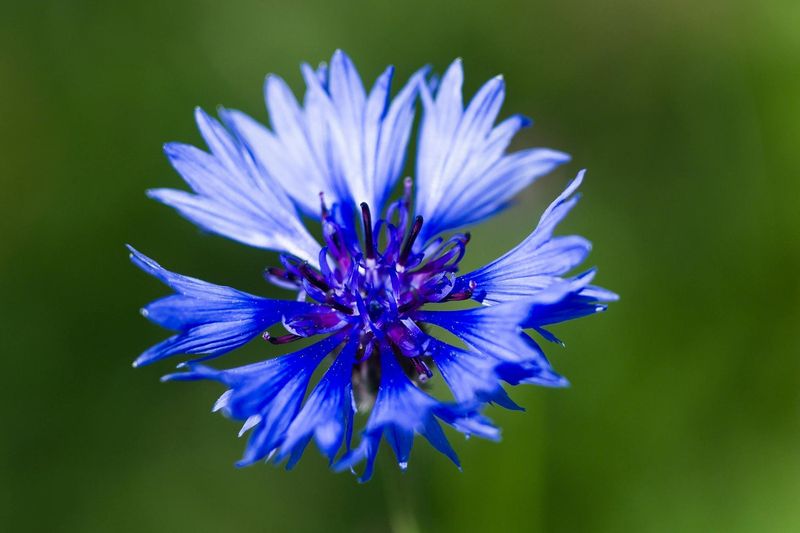
Electric blue blooms that seem almost too vibrant to be real, cornflowers add a mild, sweet spiciness similar to cloves. Their stunning colour makes them popular for decorating cakes and summer drinks. Medieval ladies used these flowers as a gentle dye.
The vivid blue holds up remarkably well when dried, making cornflowers perfect for tea blends where they add both visual appeal and subtle flavour notes.
13. Chrysanthemum
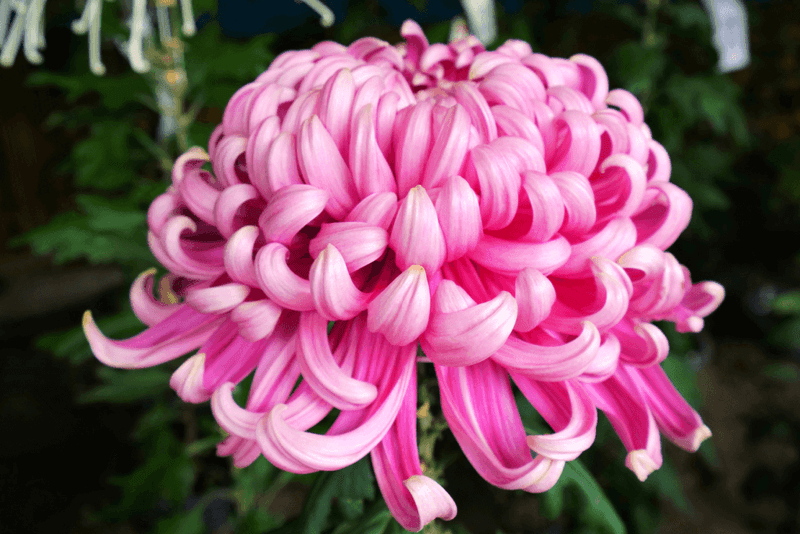
Celebrated in Asian cuisines, particularly Chinese and Japanese, chrysanthemum flowers offer a mild peppery flavour with slight bitterness. The yellow and white varieties are most commonly used in cooking. In China, chrysanthemum tea symbolises longevity.
The petals can be blanched and used in salads or soups, while the whole flowers make a soothing tea that's believed to reduce inflammation and cool the body.
14. Begonia
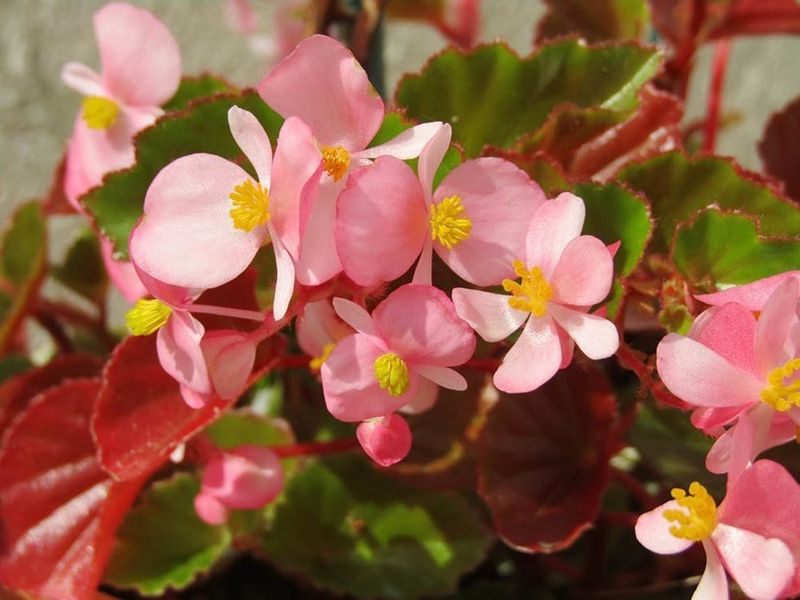
With a surprising citrusy, sour apple flavour, begonia petals add a zingy crunch to summer dishes. The tuberous varieties have the strongest flavour, with colours ranging from white to deep red. These flowers contain oxalic acid, giving them their tartness.
Use them sparingly as accents in fruit salads or as pretty, edible decorations for cakes. The petals make colourful additions to frozen desserts and cocktails.