






Traditional teatime once meant a comforting spread of homemade bakes and quietly dependable favourites that filled kitchens with warm, sweet aromas.
Many of those treats have slowly slipped out of everyday life as cafés, convenience snacks, and changing tastes reshaped what people reach for in the afternoon.
Some of these classics still hold plenty of charm, even if they’re now more likely to appear at heritage bakeries or family gatherings.
Rediscovering them offers a gentle reminder of how food habits evolve while comforting flavours never really go out of style.
All information is provided for general interest only. Taste, availability, and regional variations may differ.
1. Rock Cakes
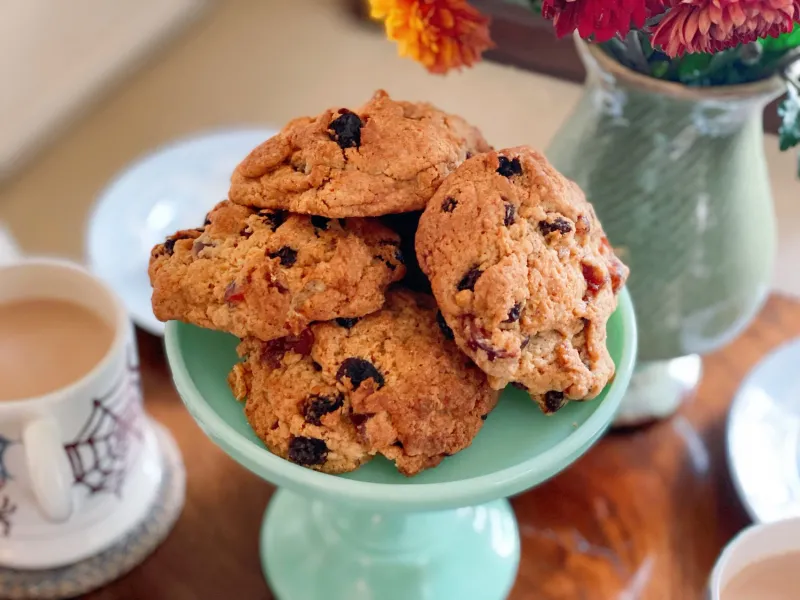
With a bumpy surface that resembles actual rocks, these rustic bakes are packed with dried fruit and warming spices.
Crunchy on the outside yet soft within, they were a wartime staple when ingredients were scarce.
Gran would whip up a batch in minutes, making them perfect for unexpected guests.
Nowadays, fancy cupcakes have stolen their spotlight, leaving rock cakes gathering dust in old recipe books.
2. Seed Cake
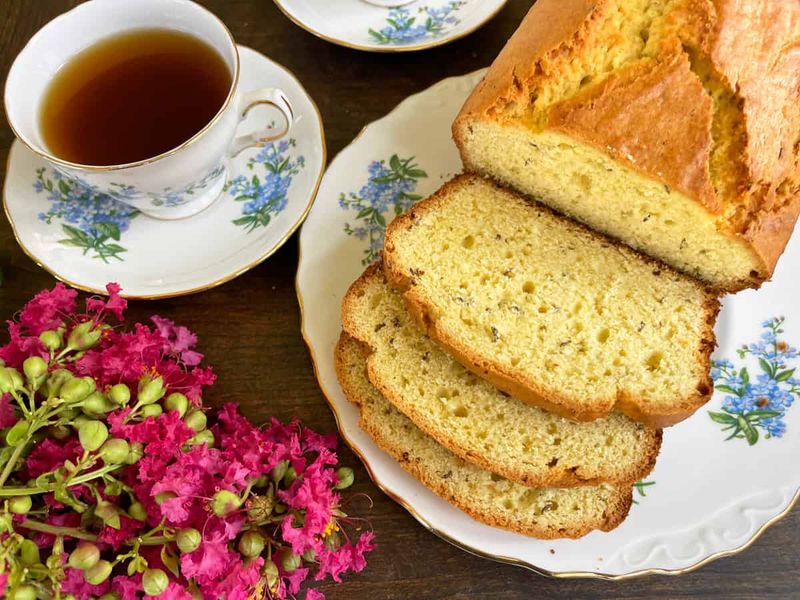
Caraway seeds give this Victorian favourite its distinctive, slightly liquorice-like flavour that people either love or loathe.
Popular during the 1800s, it was considered quite sophisticated at posh afternoon gatherings.
The seeds were believed to aid digestion after heavy meals.
Modern taste buds tend to prefer chocolate or vanilla, so this acquired taste has largely vanished from bakery shelves and home kitchens alike.
3. Lardy Cake
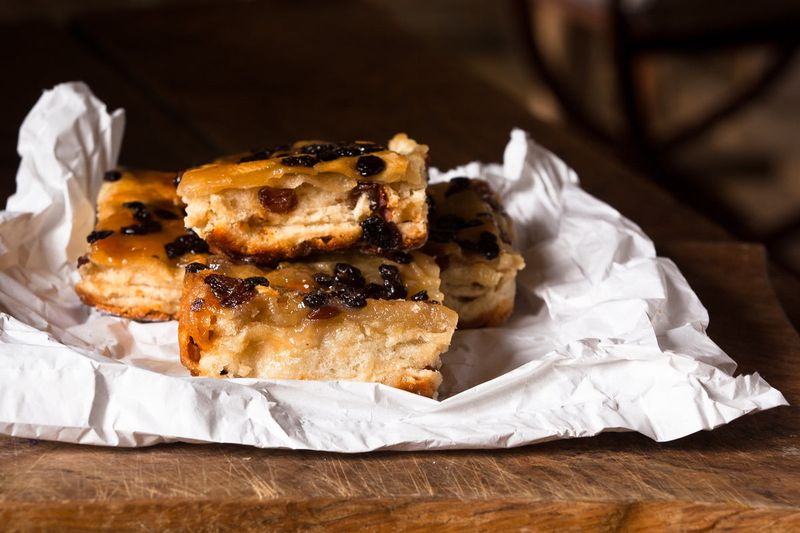
Originating in Wiltshire, this indulgent treat is essentially bread dough layered with lard, sugar, and dried fruit, then baked until gloriously sticky.
Farmworkers relied on its high energy content to fuel long days in the fields.
The bottom becomes deliciously caramelised and gooey.
Health-conscious eating habits mean lard has fallen dramatically out of favour, taking this regional speciality down with it.
4. Jam Roly-Poly
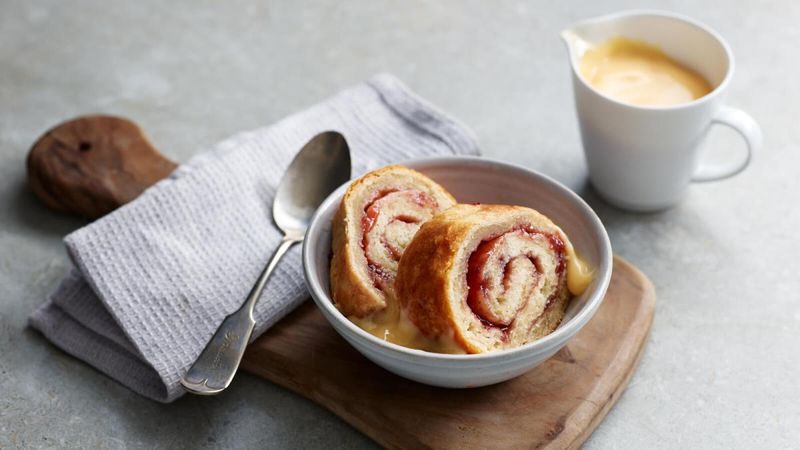
This rolled suet pudding oozes with raspberry or strawberry jam.
Steamed or baked, it emerges piping hot and begging for custard.
Victorian families adored its comforting simplicity and budget-friendly ingredients.
Suet has become less common in modern kitchens, and younger folks often find the name rather off-putting, causing this classic to fade away.
5. Gypsy Tart
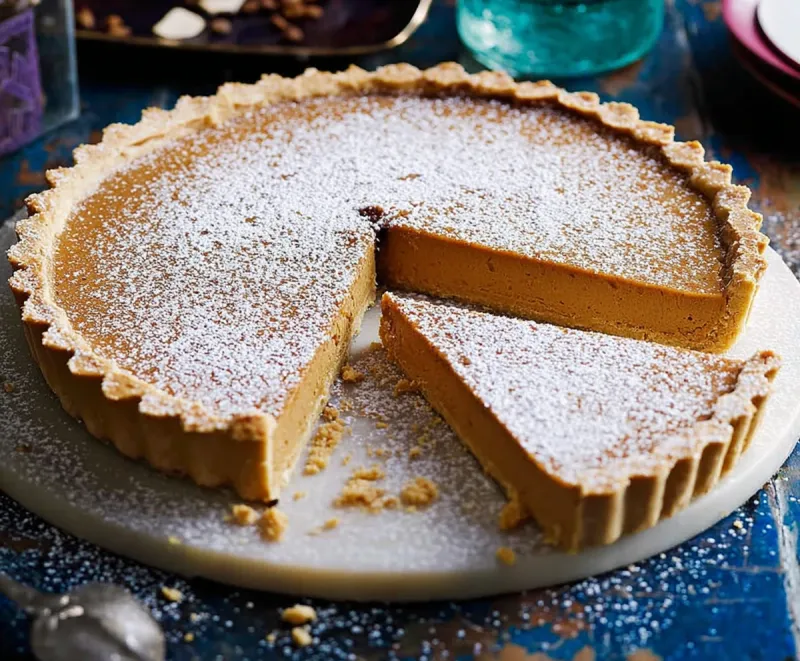
Born in Kent during the 1950s, legend says a kindhearted woman created this for hungry children arriving at school.
Just evaporated milk and dark muscovado sugar whipped into a pastry case creates intense sweetness.
The filling sets into a caramel-like texture that's utterly unique.
Outside Kent, few people have heard of it, and even there, it's becoming a nostalgic memory rather than everyday fare.
6. Maids Of Honour Tarts
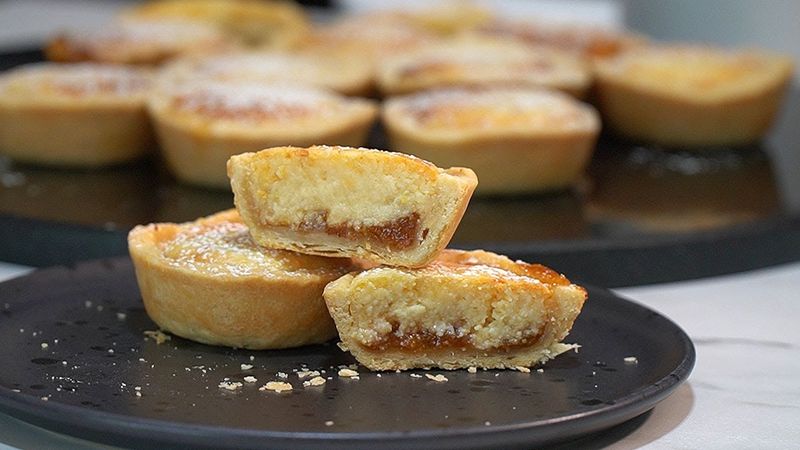
These small pastry tarts have a long history in royal kitchens and are often linked to England’s baking traditions rather than one single confirmed origin story.
A light filling made from curd cheese, almonds, and a hint of citrus gives them a gently creamy texture that feels elegant without being heavy.
A famous tea room in Kew has helped keep the recipe alive for generations, which is why many people still seek them out today.
They may take a little more effort than everyday bakes, but that extra care is exactly what makes them feel like a proper teatime treat.
7. Treacle Tart
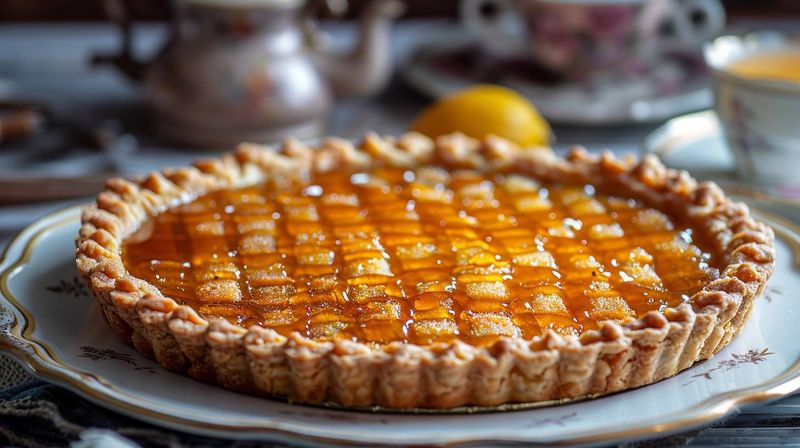
Harry Potter's favourite dessert features golden syrup, breadcrumbs, and lemon juice in a buttery shortcrust case.
The filling bakes into a sticky, sweet layer that's both simple and satisfying.
Victorian cooks invented it to use up stale bread economically.
Whilst not completely extinct, it's far less common than apple pie or cheesecake in modern cafés and restaurants, especially amongst younger diners.
8. Bread And Butter Pudding
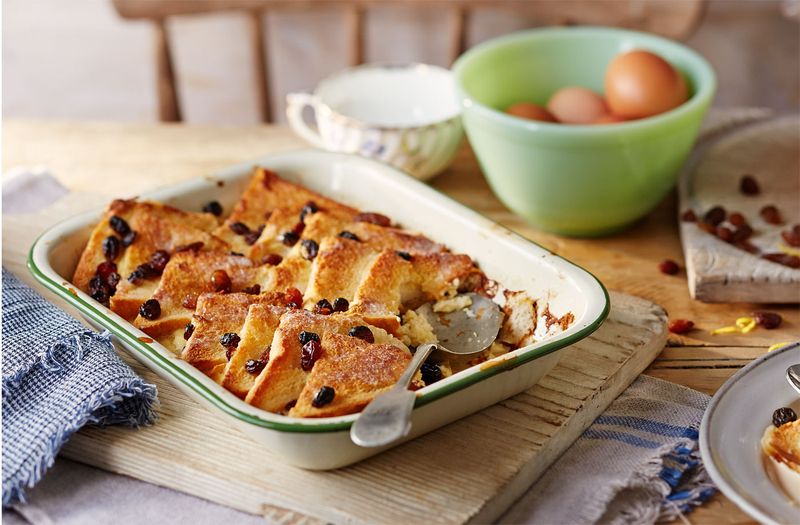
This comforting pudding turns leftover bread into something warm, rich, and wonderfully satisfying with very little effort.
Soft layers soak up a creamy custard while the top develops a lightly golden finish that adds a lovely contrast in texture.
Spices such as nutmeg bring gentle warmth and a familiar bakery-style aroma to the kitchen.
It still appears in many homes and cafés today, even if it no longer dominates the dessert menu the way it once did.
9. Eccles Cakes
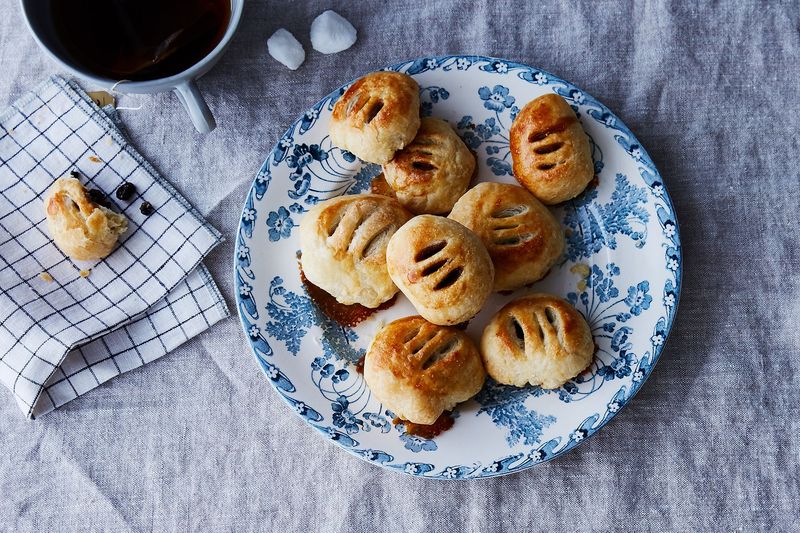
These flaky pastries originate from the Lancashire town of Eccles and are filled with spiced dried fruit wrapped in buttery layers of pastry.
Their long history dates back to the late eighteenth century, making them one of Britain’s enduring regional bakes.
Each bite delivers a satisfying contrast between crisp pastry and soft, gently sweet filling.
They’re still widely available, although younger generations often pass them by in favour of trendier bakery favourites.