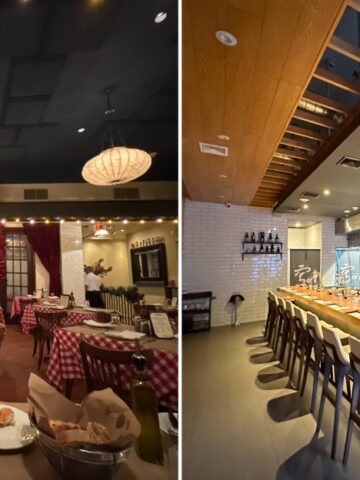











British pubs once served hearty, traditional dishes that warmed the soul and filled hungry bellies after long working days. Many of these beloved comfort foods have quietly disappeared from modern menus, replaced by trendy gastropub fare and international cuisine.
Walking into today's pubs, you'll struggle to find the simple, honest grub that once defined British pub culture and brought communities together around shared tables.
This content is for general information only. Taste, appearance, and availability may vary depending on ingredients and preparation. Photos are for illustrative purposes only and may not represent the exact dishes.
1. Toad In The Hole
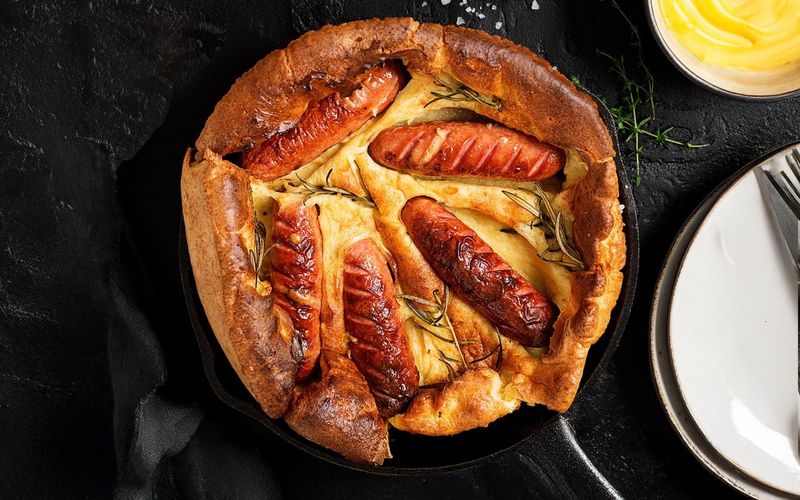
Yorkshire pudding batter transforms ordinary sausages into something magical when baked together in a hot tin. The batter puffs up around the bangers, creating golden valleys and crispy peaks that soak up gravy beautifully.
Modern pubs rarely serve this classic because it takes proper timing and skill to get the batter just right. Many landlords have abandoned it for easier dishes that don't require the traditional techniques passed down through generations of pub cooks.
2. Spotted Dog
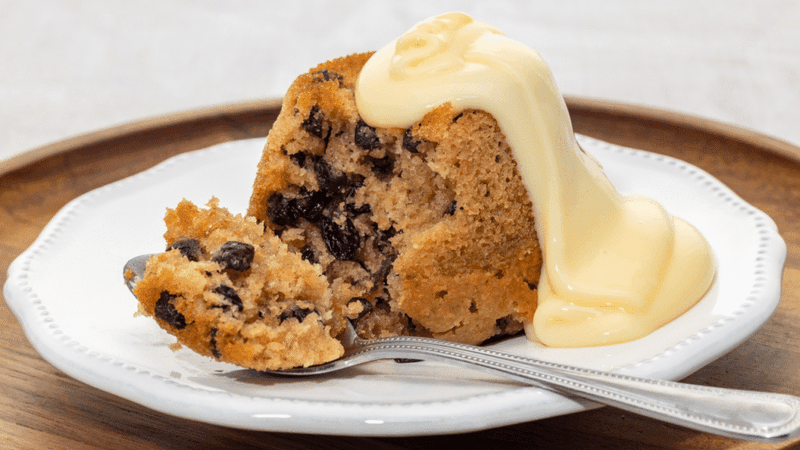
Currants dotted throughout this steamed suet pudding gave it the cheeky name that made schoolchildren giggle. Served with thick custard, it provided the perfect sweet ending to a proper pub meal on cold winter evenings.
The lengthy steaming process and unfashionable suet put off modern kitchens seeking quicker alternatives. Health conscious diners also turned away from the rich, traditional ingredients that made this pudding so satisfying and comforting for previous generations of pub goers.
3. Offal Meatballs And Mash
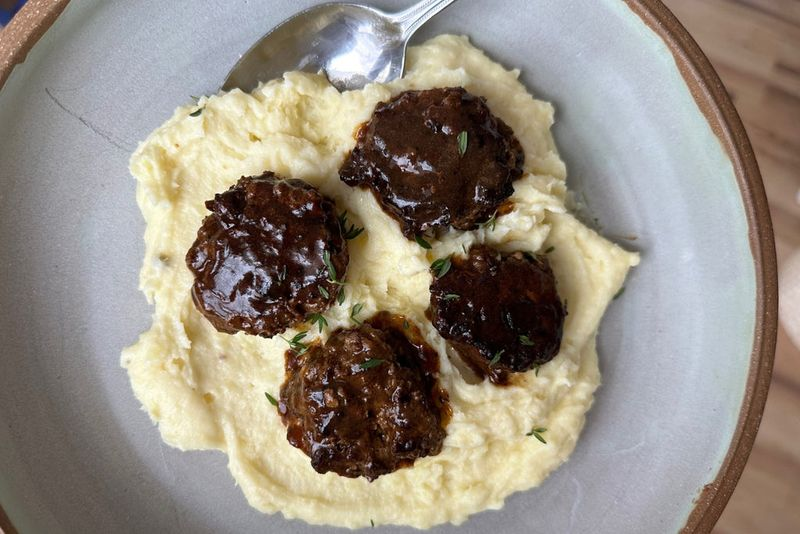
Minced pork, liver, and breadcrumbs shaped into hearty balls created one of Britain's most underrated comfort foods. Wrapped in caul fat and slowly baked, offal meatballs developed a crispy outside whilst staying moist within.
Squeamishness about offal and the time needed for proper preparation drove this dish from most pub menus. Younger generations often reject anything containing liver, despite missing out on the rich, savoury flavours that made offal meatballs a working-class favourite for decades.
4. Bubble And Squeak
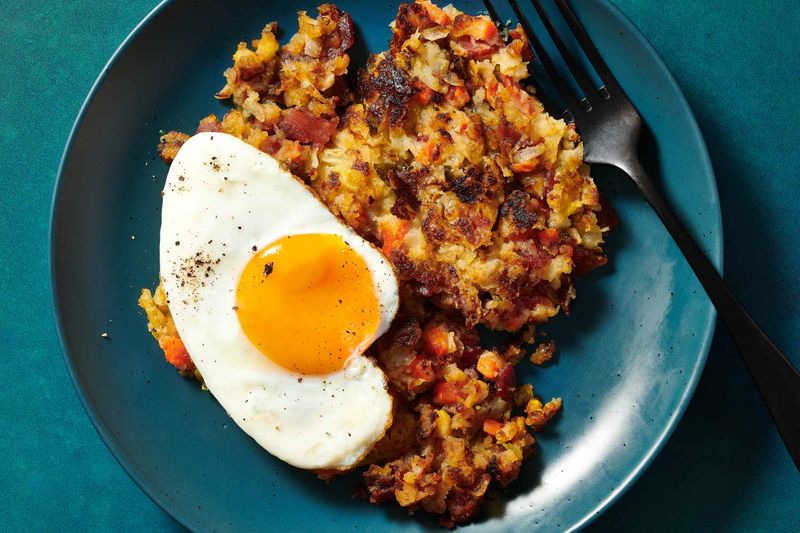
Leftover vegetables from Sunday roast found new life when fried together into crispy, golden patties. Cabbage, potatoes, and whatever remained from the weekend merged into something greater than the sum of their parts.
Modern food safety regulations and fresh ingredient expectations killed off this thrifty tradition. Pubs now throw away perfectly good vegetables rather than transforming them into the next day's special, losing both flavour and the resourceful spirit that created this beloved dish.
5. Steak And Kidney Pudding
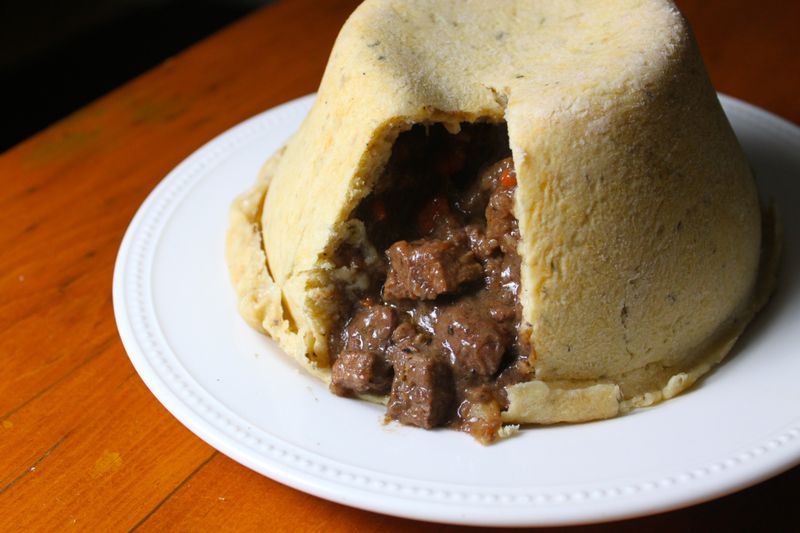
Suet pastry encased tender beef and kidneys in their own rich gravy, creating a self-contained meal that steamed for hours. Breaking through the golden crust released aromatic clouds that filled the entire pub with mouth-watering scents.
Few pubs maintain the patience or skill needed for proper steamed puddings anymore. The hours of preparation and declining appetite for kidney amongst modern diners sealed the fate of this once celebrated centrepiece of British pub dining.
6. Jellied Eels
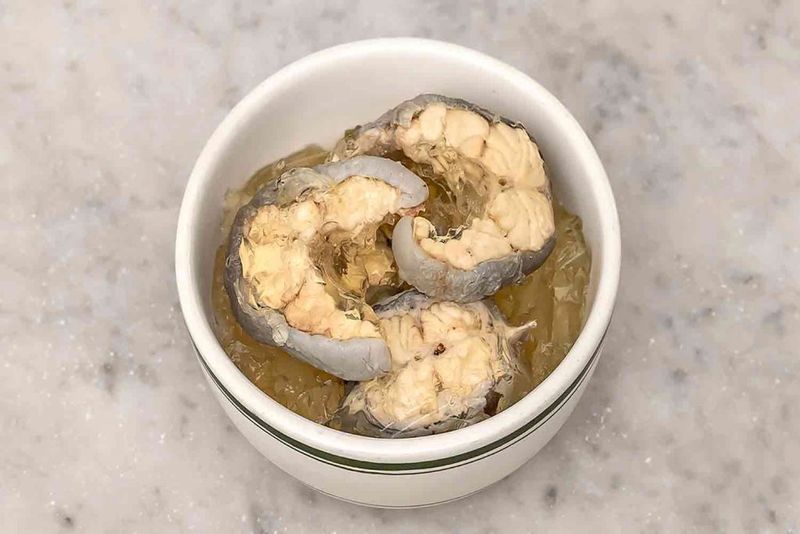
London's East End pubs once proudly served chopped eels set in their own natural gelatin, seasoned simply with white pepper and vinegar. This acquired taste represented centuries of Thames-side tradition and working-class heritage.
Changing palates and the decline of eel populations made this dish virtually extinct in modern pubs. Younger Londoners often recoil at the wobbly texture and fishy flavour that their grandparents considered a proper treat after a hard day's graft.
7. Haslet
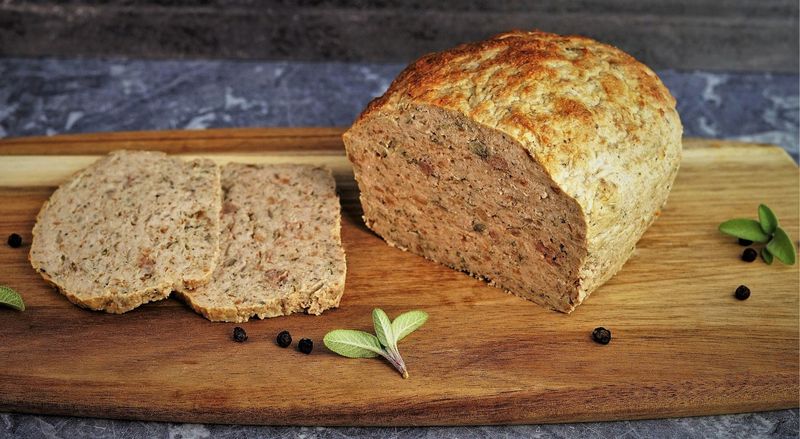
Pork shoulder, heart, and lungs mixed with herbs created this coarse country terrine that appeared on pub counters across rural England. Sliced thick and served with crusty bread, it provided sustenance for farmers and labourers throughout long days.
Urban tastes and reluctance to use organ meats pushed haslet into obscurity outside agricultural areas. Even countryside pubs rarely make their own anymore, preferring to stock mass-produced alternatives that lack the distinctive texture and robust flavour of traditional recipes.