










There’s something delightfully odd about British sayings, especially when food gets involved.
Tell a visitor someone’s “full of beans” or “bringing home the bacon,” and you’ll probably get a confused stare instead of a nod.
The truth is, these quirky phrases are as much a part of British culture as a cuppa or a Sunday roast - and half the fun is figuring out what they actually mean.
All information is provided for general interest only. Meanings, usage, and regional variations may differ across the UK.
1. It's Not My Cup Of Tea
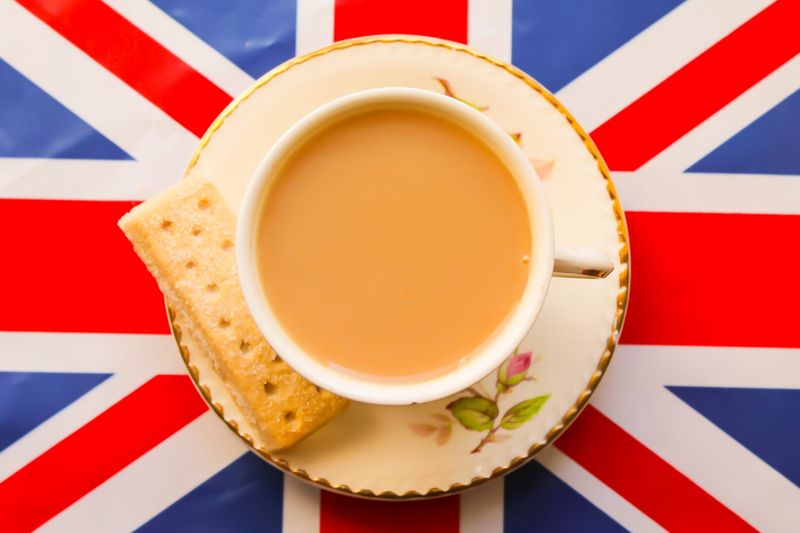
When a Brit says something isn't their cup of tea, they're not actually talking about beverages at all.
This phrase means they simply don't enjoy or prefer something.
You might hear it when someone declines an invitation to watch football or try a new restaurant.
It's a polite way to express dislike without being rude or hurtful to others.
2. Full Of Beans

No actual beans are involved in this cheerful expression about energy levels.
Someone who's full of beans is bursting with enthusiasm and liveliness, ready to tackle anything.
Teachers might describe excited students this way after break time.
The phrase likely comes from horses fed beans for extra energy, though nobody's quite certain of its true origin.
3. As Cheap As Chips
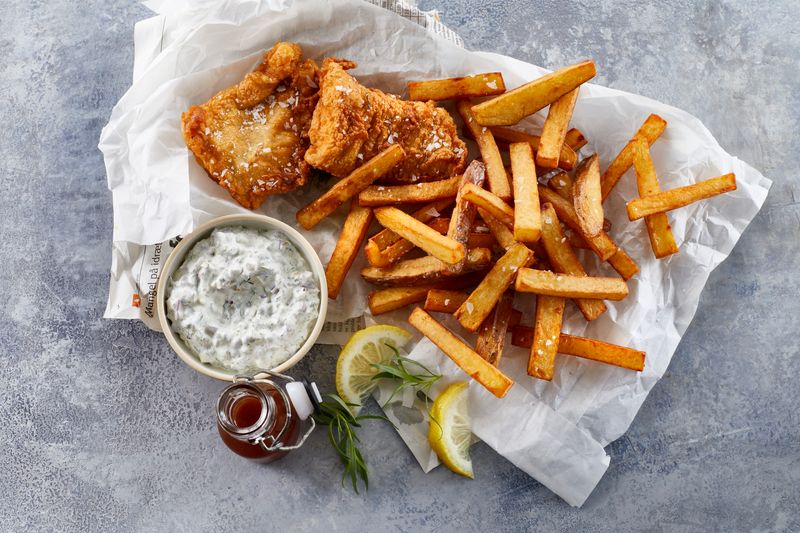
Chips in Britain mean thick-cut fried potatoes, not crisps like in America.
This saying describes something incredibly affordable or inexpensive.
You'll hear bargain hunters use this phrase at markets when they find amazing deals.
Since chips have always been a budget-friendly food, the comparison perfectly captures the idea of excellent value for money in everyday British life.
4. Spill The Beans
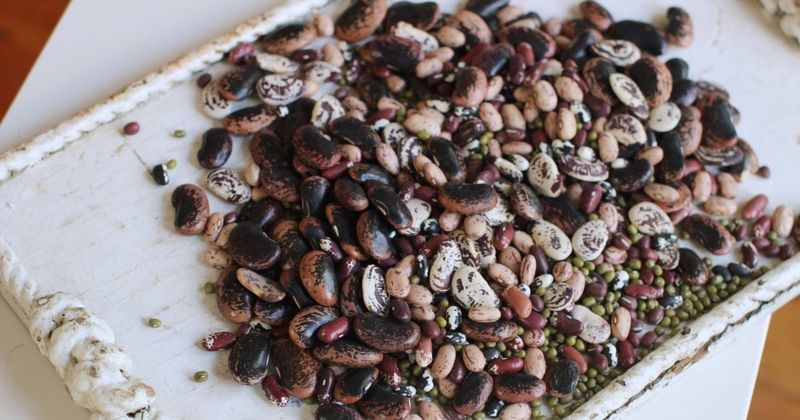
Ancient Greeks supposedly voted by dropping beans into jars, and accidentally knocking one over would reveal the secret results.
Today, Brits use this phrase when asking someone to reveal a secret or share gossip.
Friends might say this when they suspect you're hiding exciting news.
The expression has travelled worldwide, but it remains a favourite in British conversations.
5. Piece Of Cake
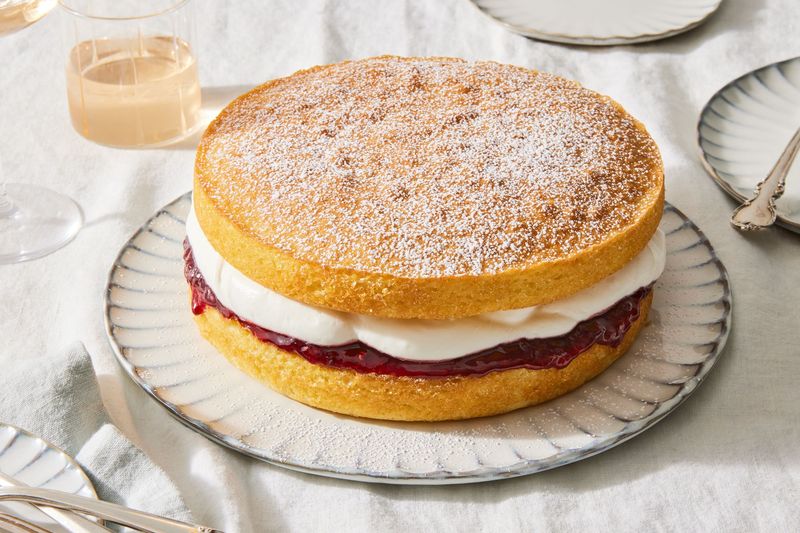
Cake is delightfully easy to eat, which explains why this phrase means something is simple or effortless.
British people say this when describing tasks that require minimal effort.
Students might use it after finishing an easy exam.
The saying became popular in the 1930s and has since spread across English-speaking countries, always bringing sweetness to conversations about simplicity.
6. Butter Someone Up
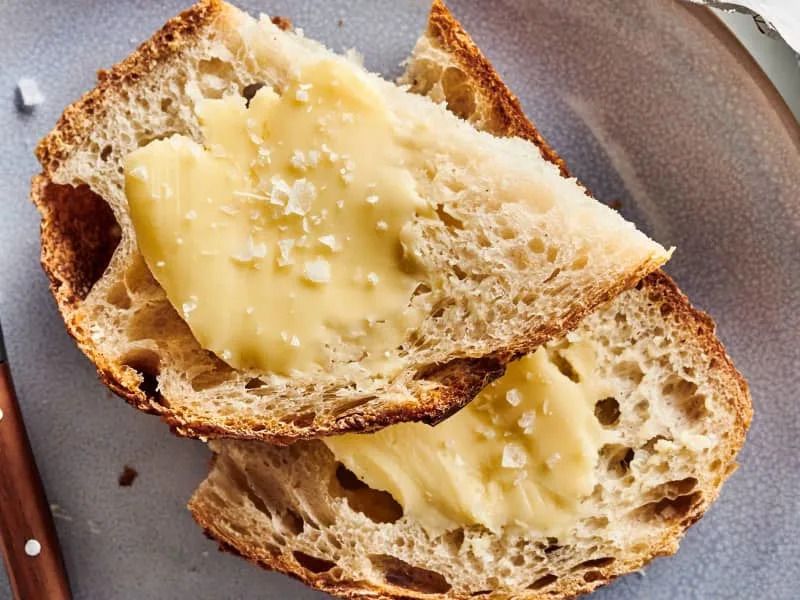
Flattery works like smooth butter, making everything slide along more easily in social situations.
When you butter someone up, you're giving them compliments to gain their favour or approval.
Children often butter up parents before asking for treats or permission.
The phrase comes from an ancient Indian custom of throwing butter at statues of gods for blessings and good fortune.
7. Bring Home The Bacon
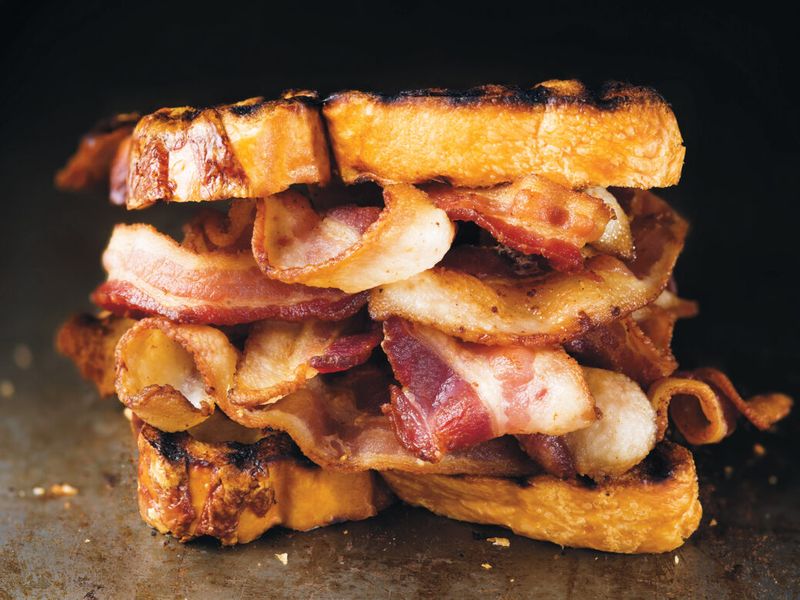
Bacon has long symbolised sustenance and prosperity in British households.
This expression means earning money to support your family or succeeding at an important task.
Parents who work hard bring home the bacon for their children.
Some historians trace this phrase to medieval fairs where couples competed in challenges, with bacon as the prize for winners.
8. Cool As A Cucumber
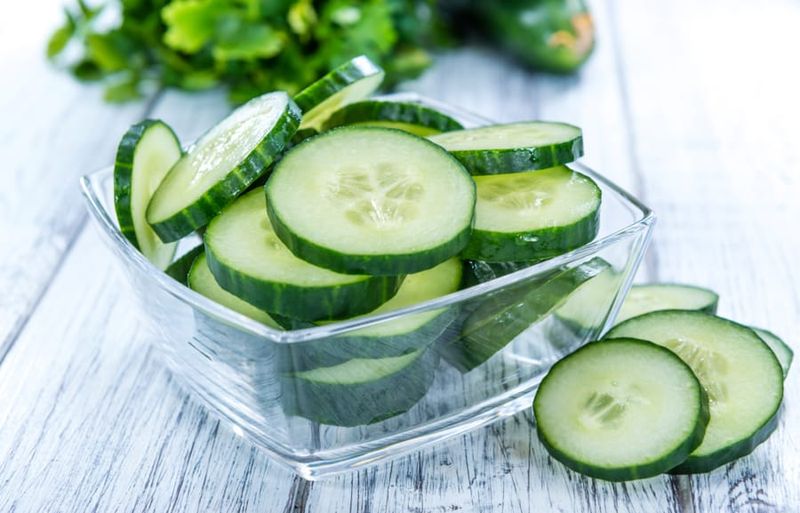
Cucumbers stay cooler than the surrounding air temperature, even on hot days.
Brits describe someone as cool as a cucumber when they remain calm under pressure.
Athletes who don't panic during competitions embody this saying perfectly.
The phrase appeared in British poetry during the 1700s and continues to celebrate composure, reminding us that staying collected helps solve problems more effectively.
9. Use Your Loaf
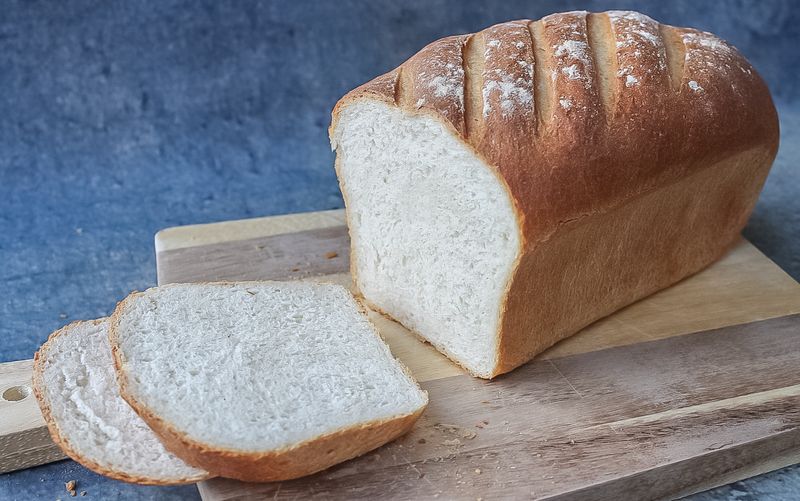
Ever been told to use your loaf?
It’s not an invitation to start baking - it actually means “use your head.”
The phrase comes from Cockney rhyming slang, where “loaf of bread” stands in for “head.”
It’s a cheeky reminder to think before you act, and it’s still thrown around today with that classic British mix of humour and mild scolding.
10. Sour Grapes

We’ve all met someone who says they didn’t want something anyway - that’s a classic case of sour grapes.
The saying comes from Aesop’s old fable about a fox who failed to reach some grapes and decided they must’ve tasted bad.
Brits use it when someone pretends they’re not bothered after missing out.
It’s the perfect phrase for spotting fake nonchalance served with a hint of bitterness.