









Fluffy scrambled eggs might seem simple, but according to chef Taylor Ann Spencer, most people get them wrong. Her tried-and-true rules focus on technique, timing, and temperature – not extra ingredients.
By skipping the milk and paying attention to the details, she promises perfectly soft, creamy eggs that taste as good as anything from a restaurant kitchen. These expert tips prove that the secret to better breakfasts is all in how you handle the eggs.
This article is for general informational purposes only. Cooking results may vary depending on technique and equipment. Images are for illustrative purposes only.
1. Introducing Chef Taylor Ann Spencer

Meet Taylor Ann Spencer, the culinary whiz behind these game-changing scrambled egg techniques. With years of professional kitchen experience under her belt, Taylor has perfected the art of breakfast cookery at some of London's finest establishments.
Her approach strips away unnecessary complications and focuses on fundamental techniques that bring out eggs' natural richness. As she shared: "Understanding the basic science and technique behind what you're trying to achieve will set you up for success."
2. Why You Should Add Salt Before Whisking For Perfect Scrambled Eggs
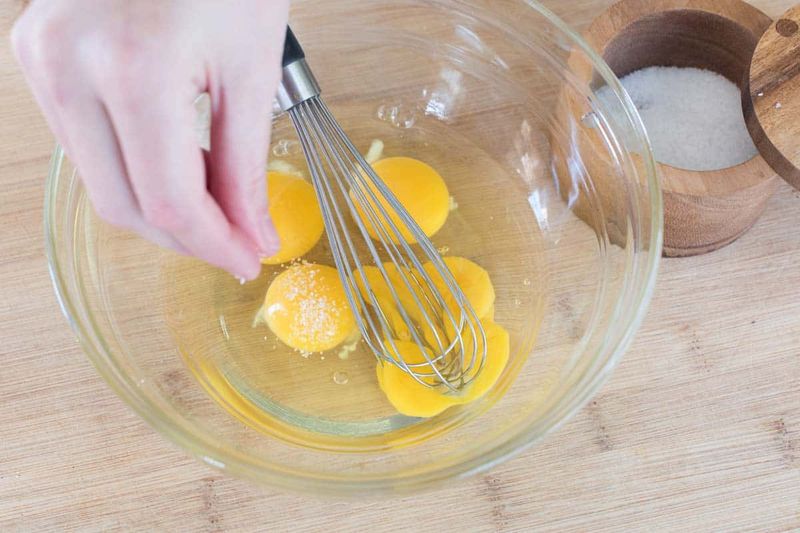
Salt isn't just for flavour – it's a crucial structural component in creating perfectly fluffy eggs. Adding it before whisking allows the salt to break down proteins, resulting in a more tender final texture.
The science is fascinating: salt disrupts the egg proteins' tendency to bind too tightly, preventing that rubbery texture nobody wants. About a quarter teaspoon per two eggs is the sweet spot – enough to enhance without overwhelming.
Many home cooks make the mistake of salting too late. When added during or after cooking, salt draws moisture out rapidly, leaving eggs dry rather than silky.
3. Why A Splash Of Water Makes All The Difference
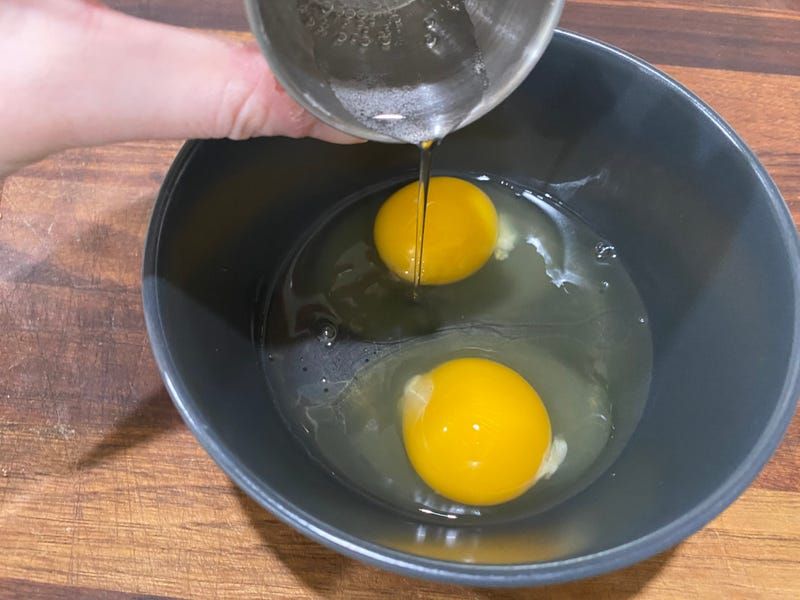
Forget milk – a teaspoon of water per egg is the secret weapon for cloud-like scrambled eggs. Water creates steam during cooking, lifting the eggs into delicate, airy curds that practically melt in your mouth.
The science is straightforward: water evaporates at a lower temperature than the eggs cook, creating tiny pockets of steam that inflate the mixture. This technique gives you that coveted restaurant-quality lightness without diluting the rich egg flavour as milk would.
Room temperature water works best, thoroughly incorporated during the whisking stage. Just a small amount does the trick – too much will create soggy rather than fluffy results.
4. Let The Mixture Rest – A Key Step For Light, Fluffy Eggs
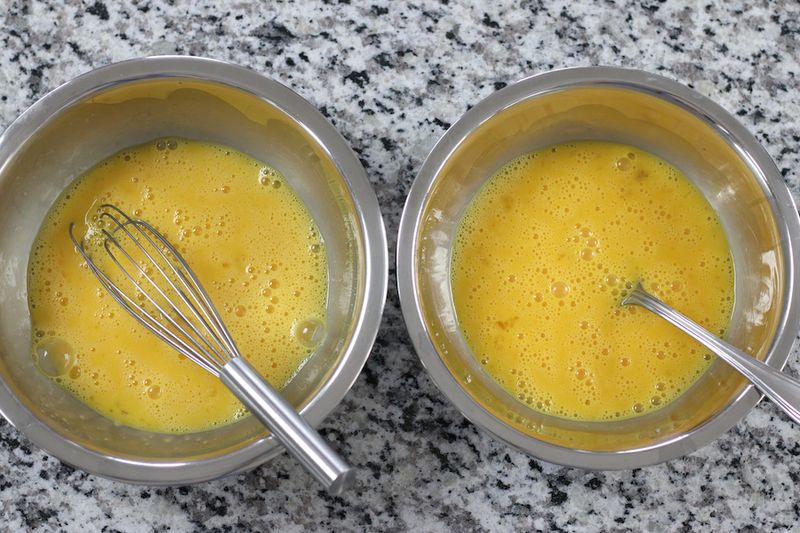
Patience transforms ordinary scrambled eggs into extraordinary ones. After whisking your eggs with salt, give them a brief 10-15 minute rest before cooking. This resting period allows proteins to relax and air bubbles to stabilise.
During this time, magic happens at the molecular level. The salt continues working, creating a more uniform mixture that will cook evenly. Think of it as the egg mixture 'settling into itself'.
If you're pressed for time, even a five-minute rest makes a noticeable difference. Use these precious minutes to prepare your other breakfast components or simply enjoy a moment of calm before the cooking begins.
5. A Non-Stick Pan Is A Must – And Its Size Matters, Too!
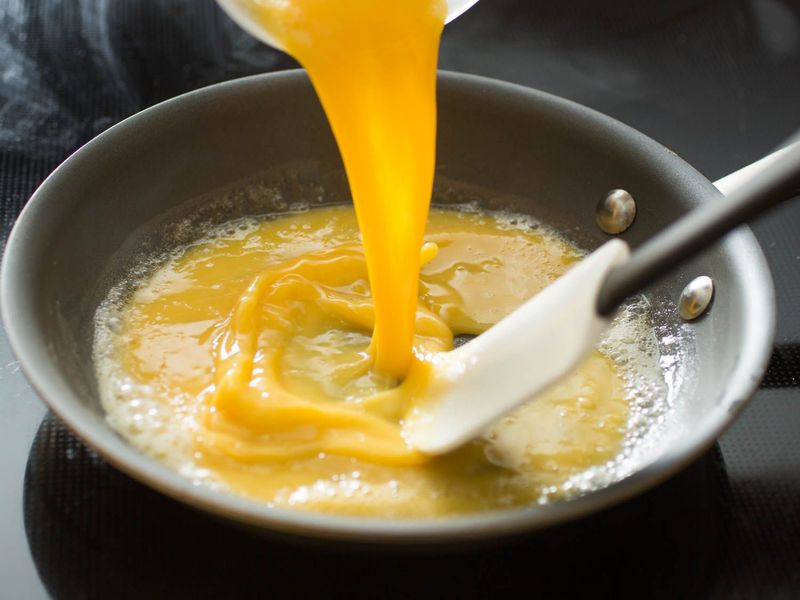
The perfect scrambled eggs begin with the right pan – a quality non-stick surface prevents sticking without excessive butter or oil. Chef Taylor insists this isn't a place to compromise if you're serious about your breakfast game.
Size truly matters here. A pan too large spreads eggs too thinly, cooking them too quickly and creating a flat, crepe-like result. Conversely, one too small creates deep, unevenly cooked eggs.
The golden rule? Your eggs should cover the pan's bottom with about 1cm depth. For two eggs, a 20cm pan hits the sweet spot, allowing proper movement without overcrowding.
6. The Importance Of Medium Heat For Perfectly Scrambled Eggs
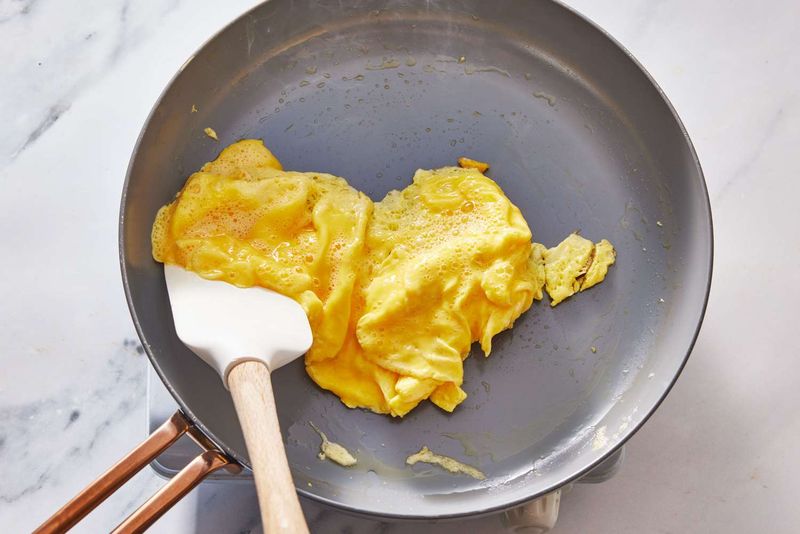
Temperature control separates amateur egg scramblers from masters of the breakfast craft. Medium heat – never high – creates the gentle cooking environment eggs need to develop their full flavour and perfect texture.
High heat is the enemy of good eggs, causing proteins to seize up quickly and release moisture. You'll spot this mistake immediately when eggs turn rubbery and weep liquid onto the plate.
Properly heated pans should allow butter to melt gradually without immediately browning. If your butter sizzles aggressively when it hits the pan, turn the heat down and wait a moment before adding your eggs.
7. The Final Step – Take Eggs Off The Heat While They're Still Slightly Wet
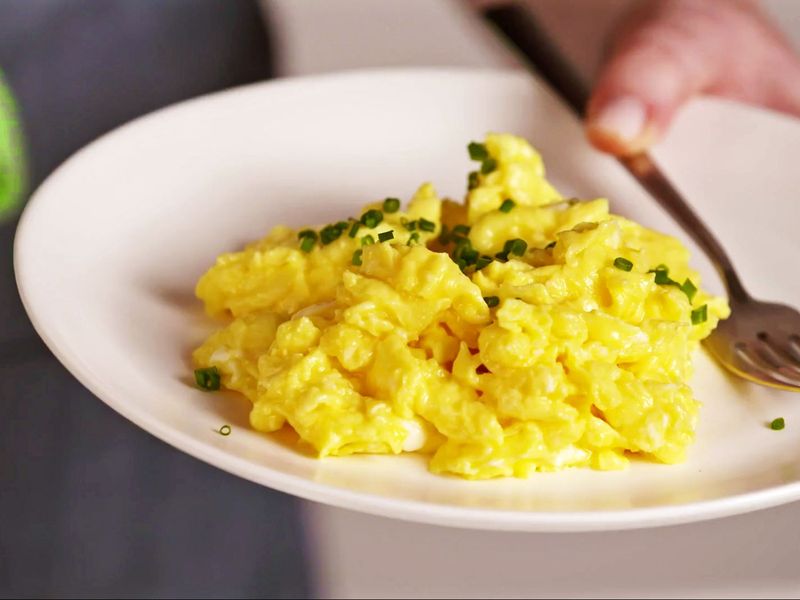
The most crucial moment in scrambled egg mastery comes at the very end – knowing exactly when to remove them from heat. The perfect time is when eggs look glossy and just slightly underdone, as residual heat continues cooking them even after leaving the pan.
This technique, called 'carryover cooking', applies to many foods but is particularly important with delicate eggs. What looks slightly too wet in the pan will be perfectly moist on the plate 30 seconds later.
Chef Taylor's clever test: when your spatula leaves a momentary trail through the eggs that slowly fills back in, they're ready to come off the heat. Serve immediately for that restaurant-quality experience.
8. Mistakes People Usually Make When Making Scrambled Eggs
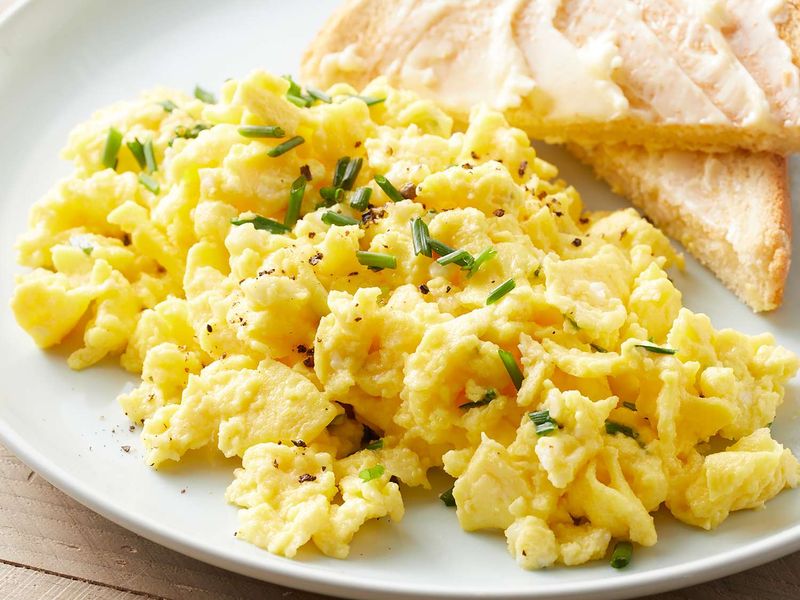
Scrambled eggs might seem simple, but they’re easier to mess up than most people think. Even seasoned home cooks can turn what should be silky and flavourful into something dry, rubbery, or bland without realising it.
Here are a few common slip-ups that often stand between you and the perfect plate of scrambled eggs.
9. Cooking On High Heat
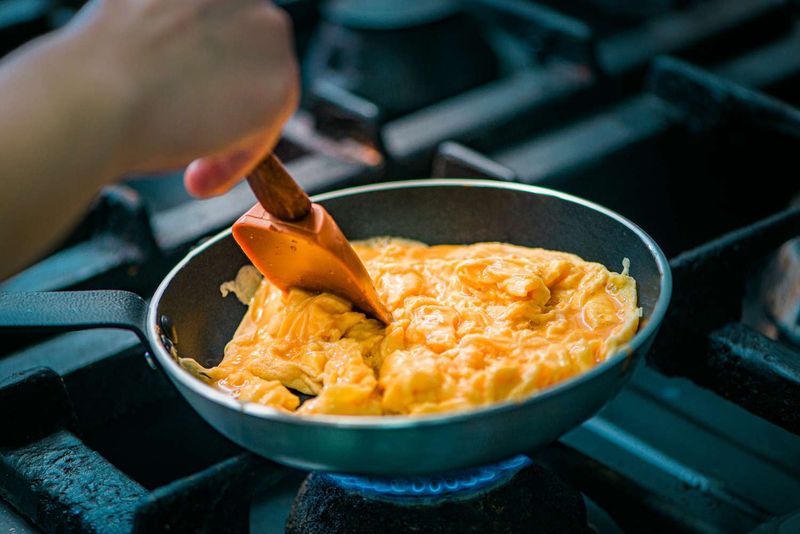
One of the biggest slip-ups is cranking the heat too high. Scrambled eggs need gentle, steady heat – not a blazing hot pan.
High temperatures cause the proteins to seize and release moisture, leaving you with rubbery, watery eggs instead of soft, creamy curds.
Keeping the pan over medium or even medium-low heat allows the eggs to cook slowly and evenly for that perfect silky texture.
10. Adding Milk To The Mixture
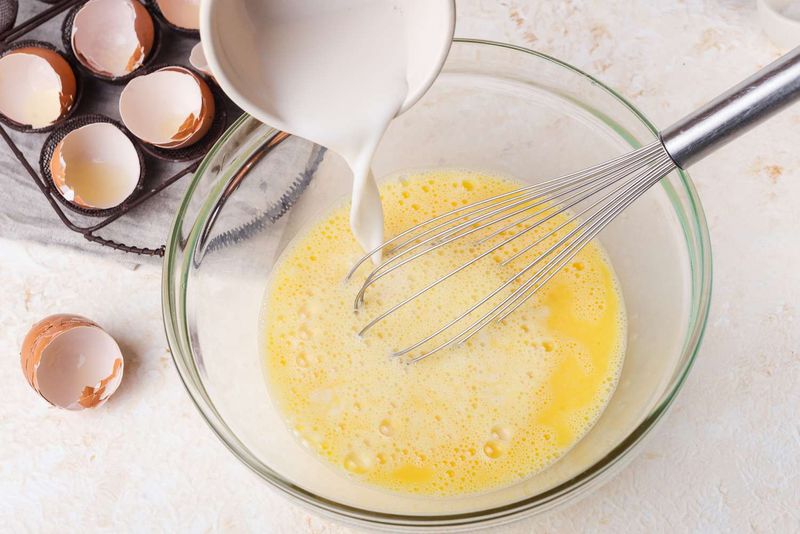
It’s a common misconception that milk makes scrambled eggs creamier – it actually does the opposite. Milk adds extra water, which dilutes the flavour and prevents the eggs from setting properly.
The result is a bland, slightly soggy texture rather than the rich, buttery fluffiness you want. A touch of butter or a splash of water works far better to achieve the ideal consistency.