



Cashews are a popular snack, loved for their creamy texture, crunch, and nutrient content. They offer protein, healthy fats, and vitamins that can support overall wellbeing.
However, even nutritious foods can have downsides if eaten in excess, so it’s important to enjoy cashews in moderation to get the benefits without overdoing it.
This article is for general informational purposes only and should not replace professional dietary advice. Individual nutritional needs may vary. Photos are for illustrative purposes only.
1. High In Calories
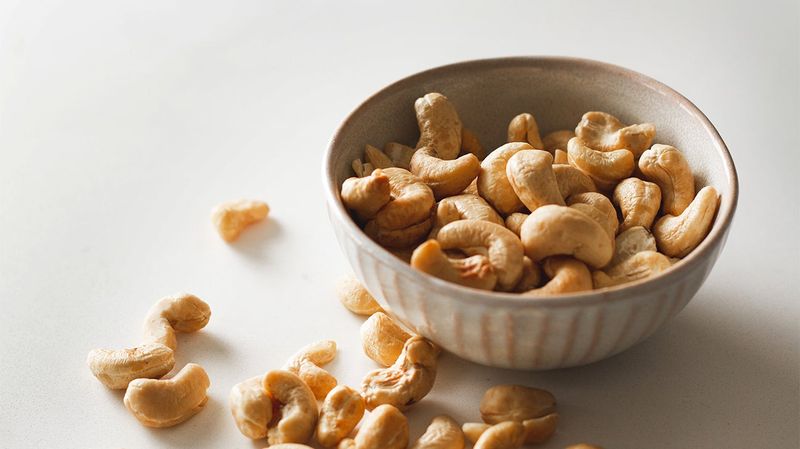
Ever wondered why a small bag of nuts can feel as filling as a proper meal? A single 30-gram serving of cashews packs around 170 calories, which adds up faster than you'd think. If you're grazing mindlessly whilst watching telly, you could easily polish off 500 calories before you realise what's happened.
Nutritionists recommend sticking to a palm-sized portion to keep your energy intake in check. They're brilliant for a quick boost, but treating them like crisps will do your waistline no favours.
2. Rich In Fat
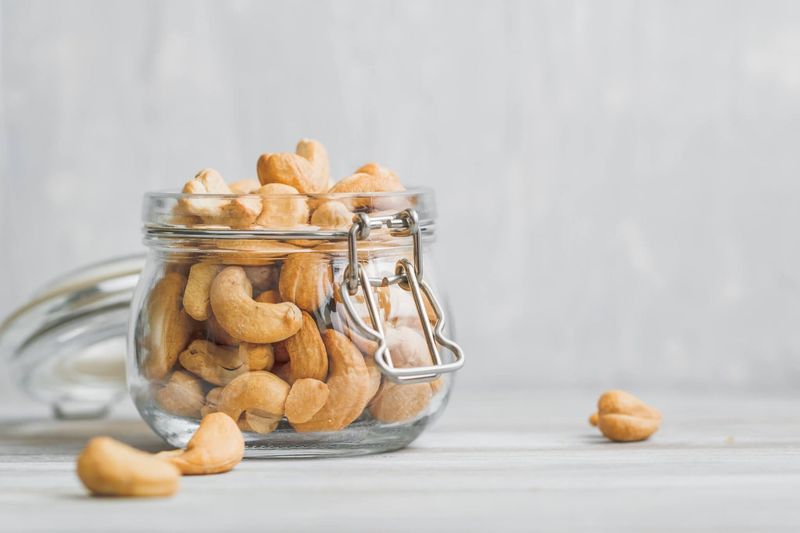
Now, before you panic, most of the fat in cashews is actually the good kind – monounsaturated and polyunsaturated fats that support heart health. The catch? Fat is still fat, and at 9 calories per gram, it's the most energy-dense macronutrient around.
About 46% of a cashew's weight comes from fat, so even though it's healthy fat, overdoing it can lead to unwanted weight gain. A balanced approach means enjoying them without going nuts – pun absolutely intended.
3. Contains Oxalates
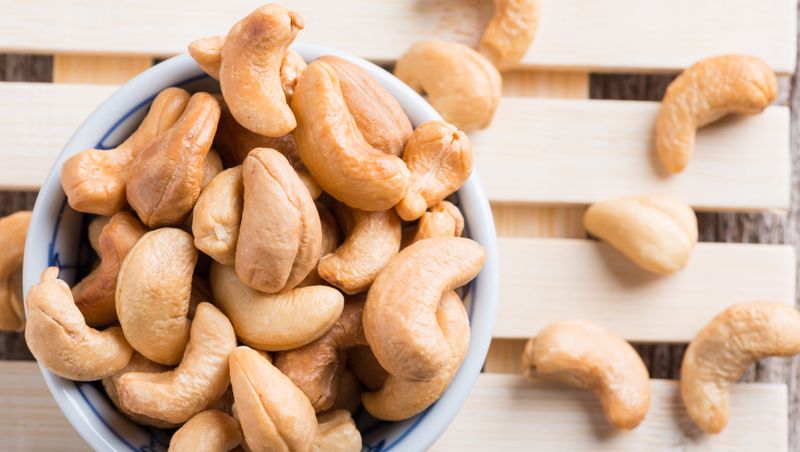
Here's something most people don't know: cashews contain oxalates, naturally occurring compounds that can bind with calcium in your body. For most of us, this isn't a problem at all.
But if you're prone to kidney stones or have been advised to watch your oxalate intake, going overboard with cashews might not be the best idea. Doctors often suggest limiting high-oxalate foods for those with a history of calcium oxalate stones. Moderation keeps things running smoothly without any unwanted surprises.
4. May Cause Allergic Reactions

Tree nut allergies are surprisingly common in the UK, and cashews are among the most frequent culprits. Reactions can range from a mild itch to something far more serious, like anaphylaxis.
Even if you've never had issues before, it's worth being cautious when trying cashews for the first time or introducing them to children. Always check food labels carefully, as cashews sneak into all sorts of products, from curries to energy bars. When in doubt, consult your GP or an allergy specialist.
5. Salted Varieties Increase Sodium Intake
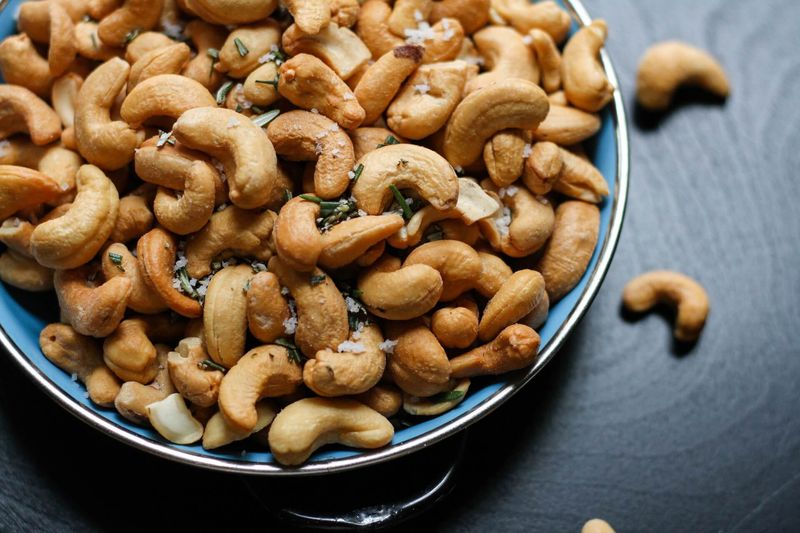
Walk down any British supermarket aisle and you'll find salted cashews everywhere – they're absolutely moreish. The problem? A single serving can contain up to 200 milligrams of sodium, and it's ridiculously easy to eat several servings in one sitting.
Too much sodium raises blood pressure and puts strain on your heart over time. Nutritionists suggest opting for unsalted or lightly salted versions whenever possible. Your taste buds might take a day or two to adjust, but your heart will thank you later.
6. Possible Digestive Issues
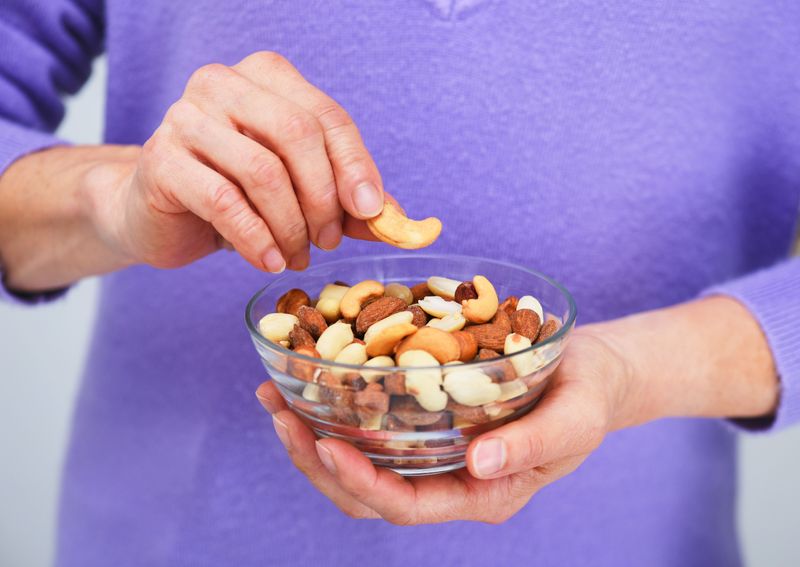
Scoffing down too many cashews in one go can leave your stomach feeling rather dodgy. They're high in fibre and fat, which means your digestive system has to work overtime to break them down properly.
Some people experience bloating, cramping, or even diarrhoea after overdoing it. If you've got a sensitive tummy or conditions like IBS, it's worth being extra cautious. Start with a small portion and see how your body reacts before going back for seconds or thirds.
7. Portion Control Matters
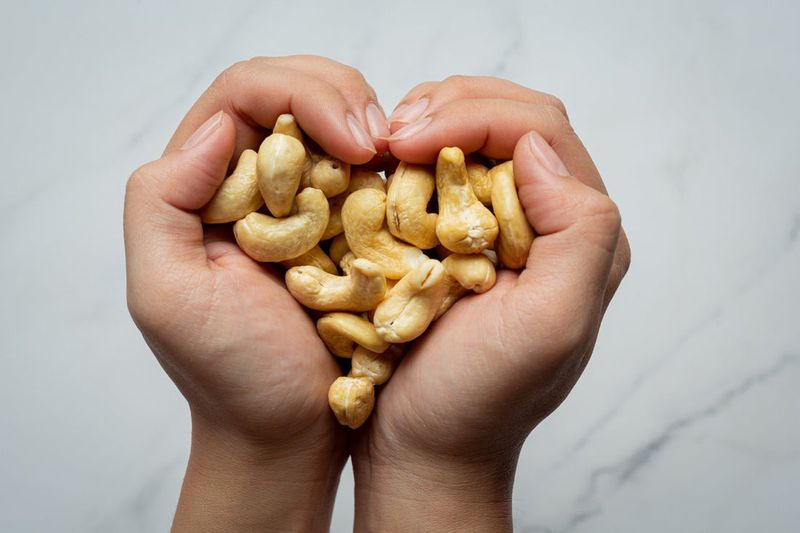
The golden rule with cashews? Treat them like a garnish, not the main event. A sensible serving is about 15 to 20 cashews, roughly a small handful.
Pre-portioning them into little bags or containers can stop you from mindlessly munching through an entire jar. They're fantastic sprinkled over salads, stirred into porridge, or enjoyed as a quick snack between meals. Respect the portion, and you'll get all the benefits without any of the downsides. It's all about balance, really.