







There’s something fascinating about the way certain sweets never seem to disappear. While new treats come and go, a handful of classics have lasted much longer than most people realise. They connect generations, offering the same familiar taste decade after decade.
These candies prove that sometimes the simplest pleasures really do stand the test of time.
This article is for general informational and entertainment purposes only. Historical details are based on publicly available sources and may vary by region or brand.
1. Jelly Babies
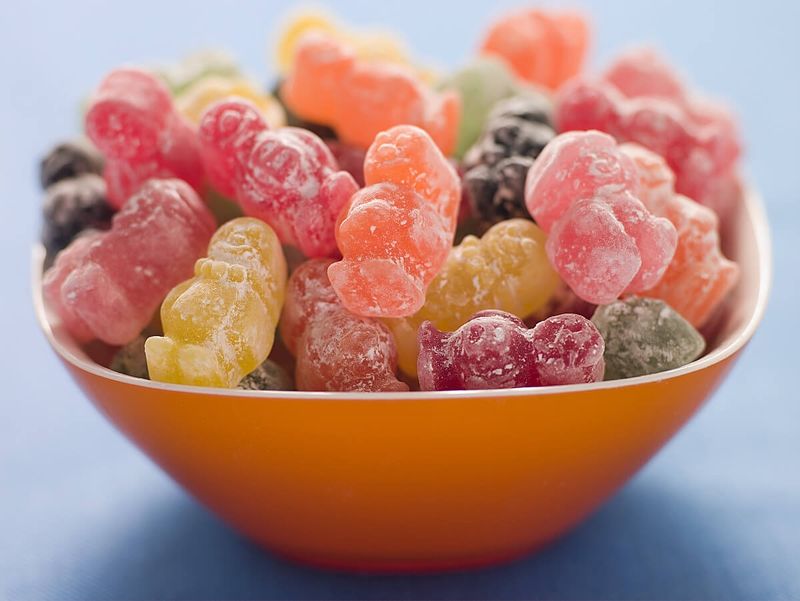
Bassett’s introduced Peace Babies in 1918, created to celebrate the end of the First World War. The name Jelly Babies only came into use decades later, and that’s when they became the chewy classic we know today.
Earlier versions of baby-shaped sweets were produced in the 19th century, but the direct link to today’s product isn’t fully documented. What is clear is that these fruity little figures have been loved in Britain for generations.
2. Dolly Mixture
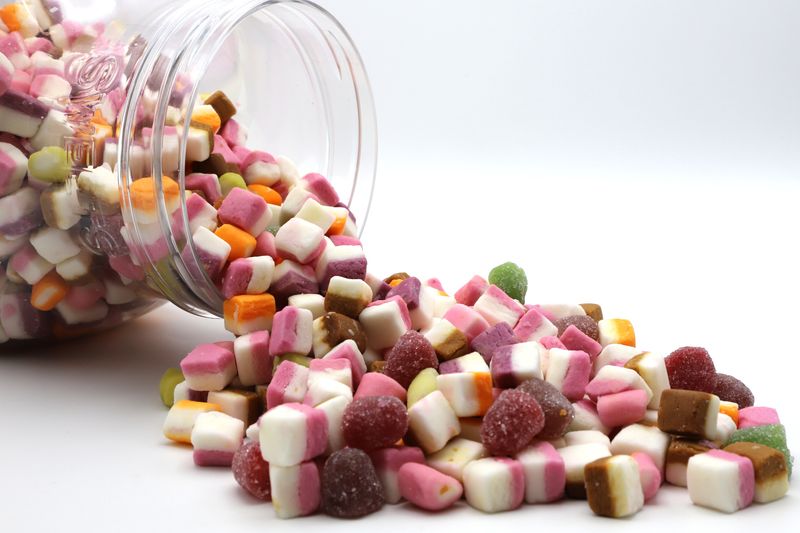
Dolly Mixture has been a sweet-shop favourite in Britain for many years, recognised by its colourful fondant pieces and jellies. Now sold under the Barratt name, it’s the kind of treat that instantly brightens up a pick-and-mix bag.
The tiny cubes and cylinders in pastel shades have become a nostalgic staple. For many, just a handful is enough to bring back memories of childhood trips to the sweet shop.
3. Mint Humbugs
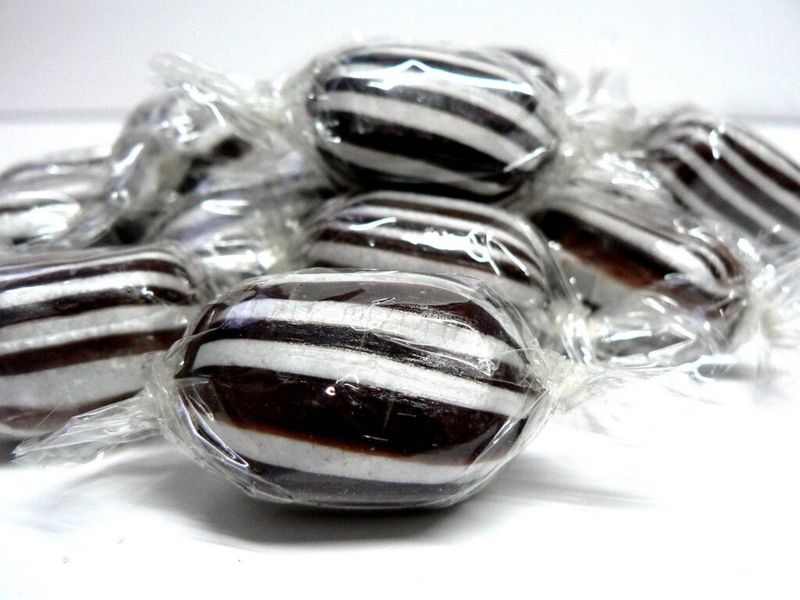
Humbugs have been around in Britain since at least the 19th century, with their distinctive peppermint flavour making them a sweet-shop staple.
The black-and-white stripes and cooling taste make them instantly recognisable. It’s easy to see why they’ve held onto their place in sweet jars for so long.
4. Pear Drops
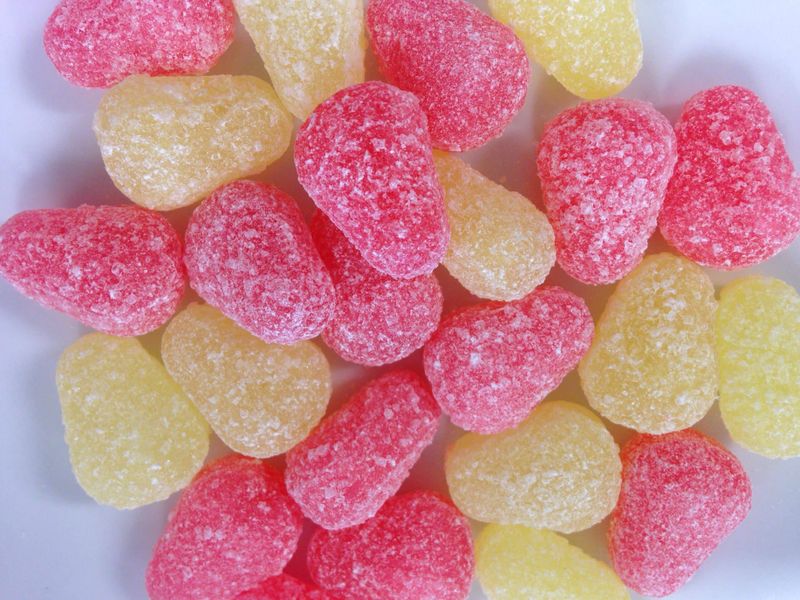
These half-red, half-yellow sweets have been sold in Britain for a long time, though no one can give a precise “first made” date. Their distinctive flavour comes from isoamyl acetate, the same compound found in pears, which explains their fruity but slightly sharp taste.
Generations of schoolchildren remember them from pick-and-mix counters. They’re still around today, proving some classics never fade.
5. Sherbet Lemons
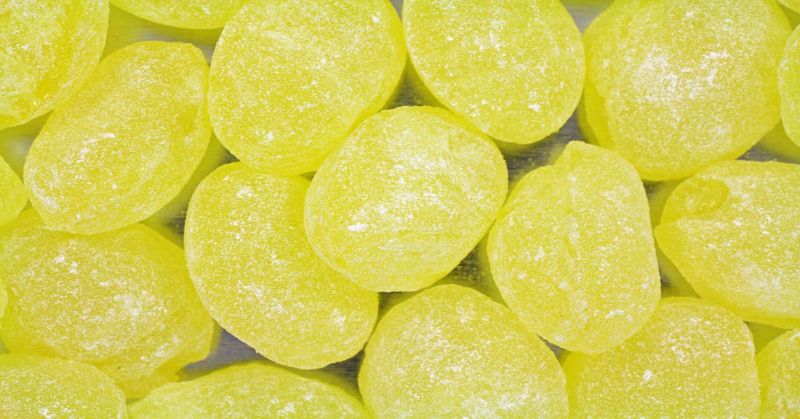
Lemon-flavoured boiled sweets filled with fizzy sherbet became popular in Britain during the 20th century. The fun contrast between the hard outer shell and the tangy powder inside made them stand out.
People loved the mix of sour and sweet, and they’ve been enjoyed for decades since. They even earned a special place in pop culture when they appeared in the Harry Potter books.
6. Cough Drops
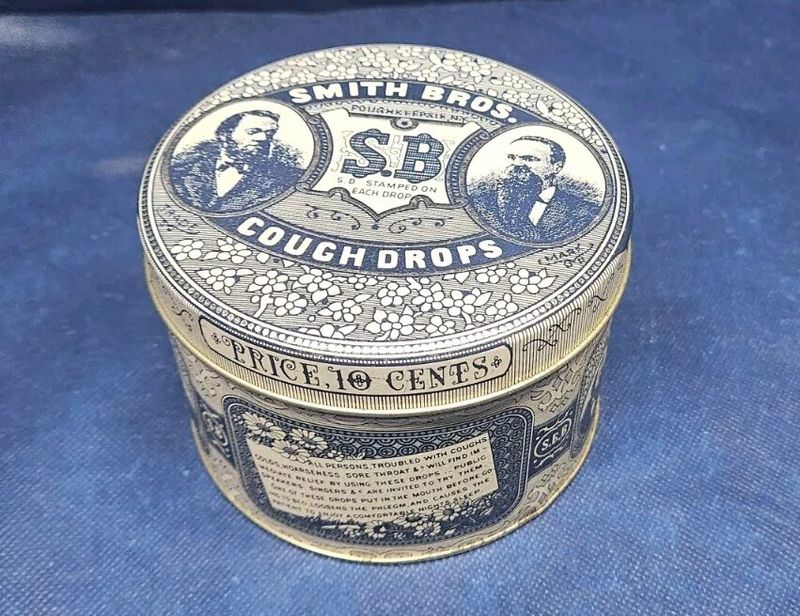
Lozenges made with sugar and herbs were being sold in Britain by the 18th and 19th centuries, originally as remedies. Over time, many became more candy-like, with strong flavours such as menthol making them appealing beyond medicine.
Packaging began to look more like sweets than pharmacy items. Even now, they sit somewhere between confectionery and comfort cure.
7. Rhubarb And Custard Sweets
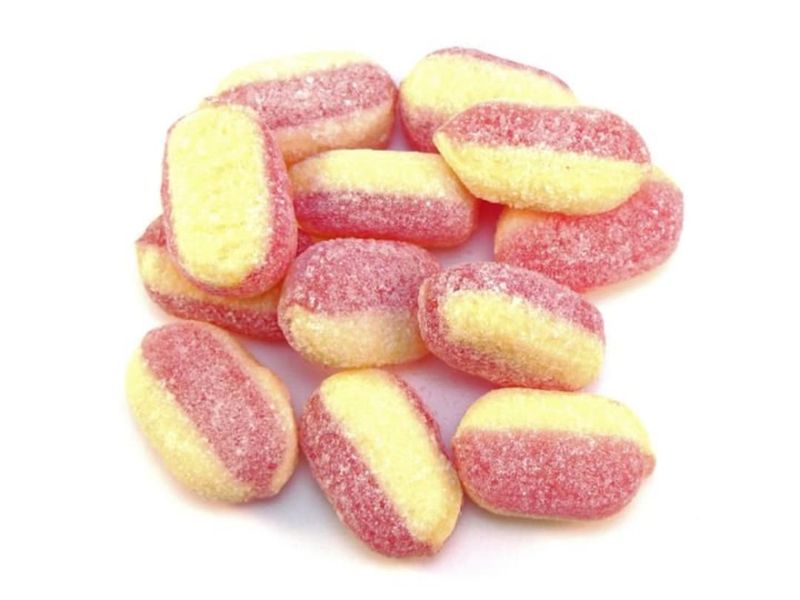
The flavour of rhubarb and custard was already popular in British puddings before it appeared in sweet form. By the 20th century, it had become a classic boiled sweet flavour with its distinctive pink and yellow colours.
For many, these sweets taste like pure nostalgia.
8. Jelly Beans
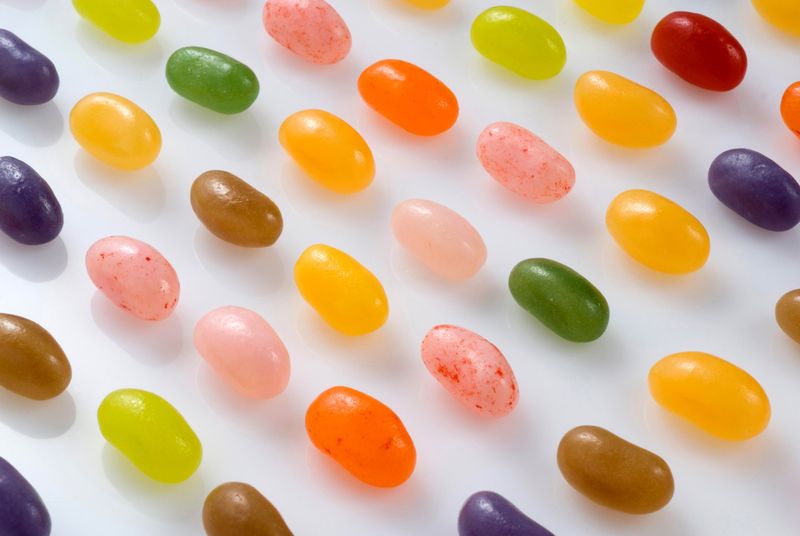
Adverts for jelly beans appeared in America in the late 19th century, making them one of the country’s longer-standing candies. Their shiny shells are created using a sugar-panning technique, the same method used for older sweets like Jordan almonds.
They gradually became an everyday treat rather than something reserved for special occasions. Bright colours and fruity flavours have kept them popular ever since.