










Canadian food culture blends comforting classics, French culinary influence and regional specialities that can feel both familiar and unfamiliar to British diners.
When Britons encounter Canadian dishes in restaurants, food markets or at home, some flavours translate easily and quickly become favourites, while others attract more cautious reactions.
Differences in ingredients, portion styles and seasoning often shape how these dishes are received on this side of the Atlantic. Exploring which foods Britons happily order and which they tend to skip offers an interesting snapshot of how international food habits adapt across cultures.
This article is for general interest only and reflects general consumer trends and publicly available information. Individual tastes, availability and regional menus may vary.
Photos are for illustrative purposes only.
5 Canadian Dishes Britons Happily Order
When Canadian dishes mirror familiar British comfort food or offer flavours that feel approachable, they tend to suggest safe and satisfying choices for many diners. Rich gravies, comforting carbs and recognisable ingredients often make these options easy to enjoy without much hesitation.
Texture, portion size and straightforward seasoning also play a role in how quickly a dish wins favour. These are the Canadian favourites that usually translate well to British tastes and regularly earn repeat orders.
1. Poutine
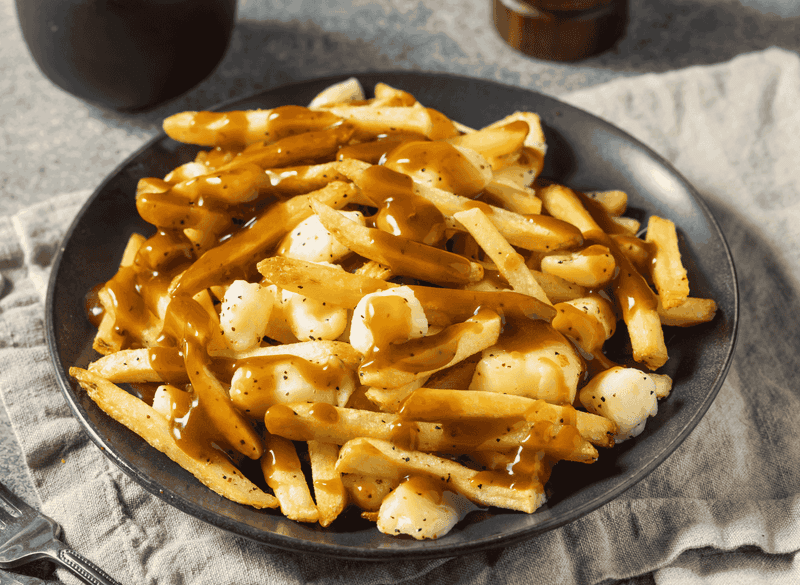
Crispy chips smothered in rich gravy and topped with squeaky cheese curds – what's not to love? This Quebec classic has become Canada's most famous export, and Brits take to it like ducks to water.
The combination feels instantly comforting, like a posher version of chips and gravy.
The cheese curds are the star here, creating that signature squeak against your teeth whilst melting slightly in the hot gravy. You'll find poutine everywhere in Canada, from food trucks to fancy restaurants.
It's proper comfort food that speaks directly to the British soul, especially after a night out.
2. Maple Syrup Pancakes

Fluffy American-style pancakes drenched in proper Canadian maple syrup are breakfast perfection. Unlike the thin crepes Brits might make at home, these are thick, soft, and incredibly satisfying.
The real maple syrup – not that fake stuff – adds a natural sweetness that's genuinely special.
Canadians take their maple syrup seriously, and rightly so. The amber liquid has complex flavour notes that transform simple pancakes into something memorable.
Often served with butter melting on top, this breakfast feels like a treat without being overly complicated or strange.
3. Montreal Smoked Meat Sandwich
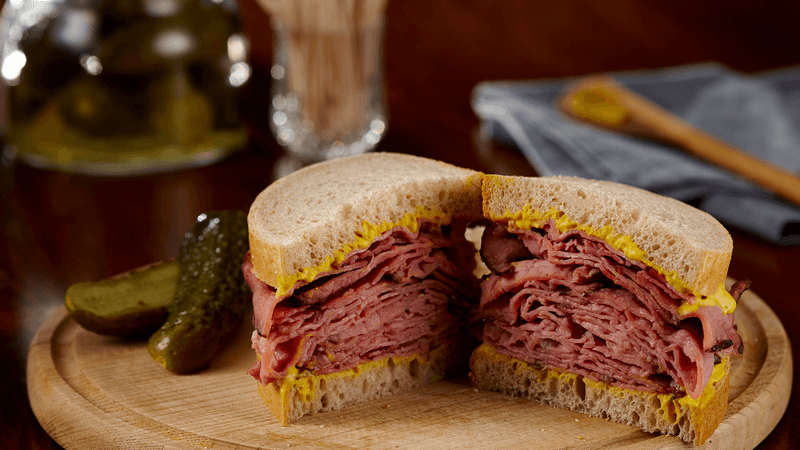
Imagine the best pastrami sandwich you've ever had, then make it Canadian. Montreal smoked meat is beef brisket that's been cured, seasoned with peppery spices, and smoked until incredibly tender.
Piled high on rye bread with mustard, it's straightforward brilliance.
The meat has a distinctive pink colour and peppery crust that sets it apart from American deli meats. Brits appreciate the no-nonsense approach – quality ingredients done properly without faffing about.
It's hearty, flavourful, and feels familiar enough to order confidently whilst still being authentically Canadian.
4. Butter Tarts
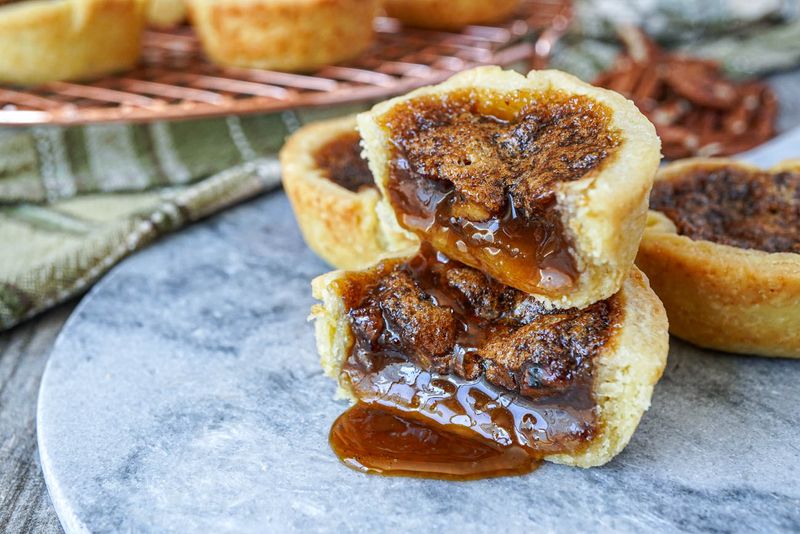
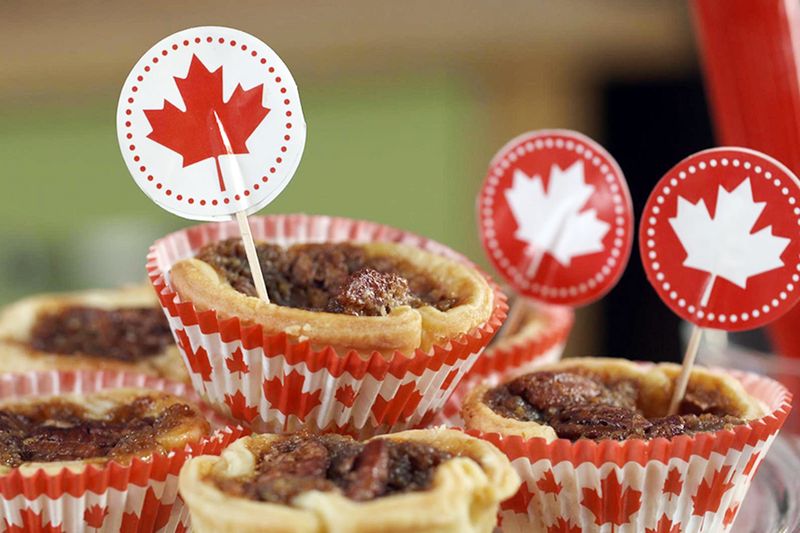
These small pastry shells filled with a gooey, buttery filling are Canada's answer to treacle tart. The filling is made from butter, sugar, and syrup, creating an intensely sweet and sticky centre.
Some versions include raisins or pecans, though purists prefer them plain.
Whilst they're undeniably sweet, butter tarts have a caramelised depth that keeps them interesting. The pastry is flaky and buttery, providing textural contrast to the soft filling.
Brits who enjoy sticky toffee pudding or fudge will find butter tarts hit that same comfort spot without feeling completely foreign.
5. Nanaimo Bars
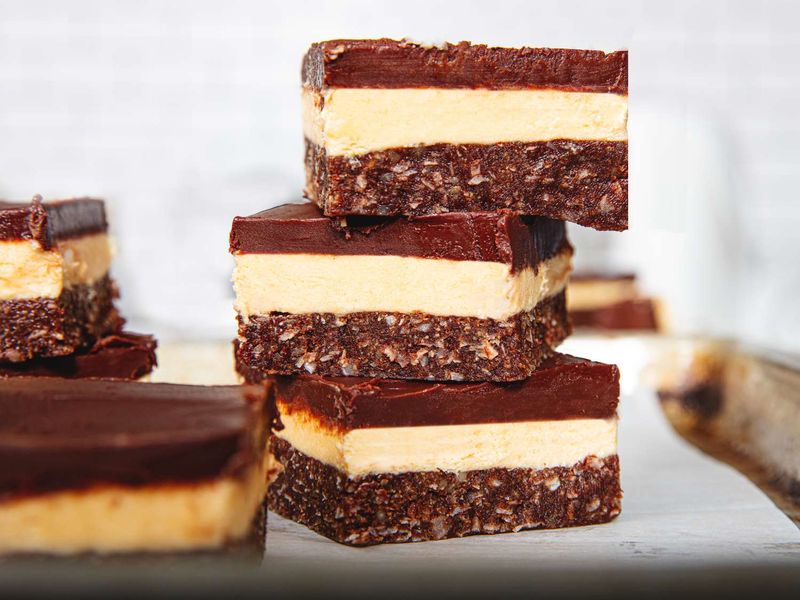
Named after a city in British Columbia, these no-bake squares feature three distinct layers that create a proper sugar rush. The base is a chocolatey, coconut-crumb mixture, topped with custard-flavoured buttercream, and finished with chocolate ganache.
They're ridiculously indulgent.
The middle layer is where opinions divide – it's very sweet and has a distinctive vanilla flavour that some find artificial. However, many Brits enjoy them as an occasional treat, especially when made well with quality ingredients.
They're rich enough that one small square satisfies, making them perfect with afternoon tea.
5 Canadian Dishes Britons Tend To Skip
Some Canadian specialities rely on flavour combinations, textures or traditions that feel less familiar to British palates. Unusual ingredients, stronger aromas or sweeter savoury profiles can make diners more cautious when scanning a menu.
In a few cases, presentation or naming alone can influence expectations before the first bite. These are the dishes that often raise eyebrows, spark curiosity or quietly remain untouched by many Britons.
1. Tourtière
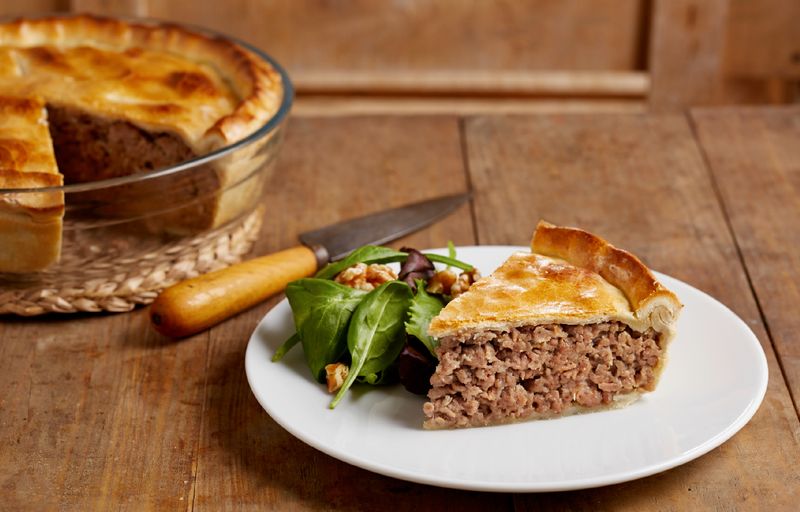
This traditional French-Canadian meat pie sounds brilliant on paper – spiced ground pork in flaky pastry, often served at Christmas. Yet Brits tend to approach it cautiously, if at all.
The spicing is different from British pies, often including cinnamon and cloves alongside savoury herbs.
The sweet-savoury combination throws people off, as does the fine texture of the minced meat filling. British pie culture favours chunky meat in gravy, so tourtière's drier, more compact filling feels unfamiliar.
It's not unpleasant, just odd enough that most Brits stick with what they know rather than taking the plunge.
2. Toutons
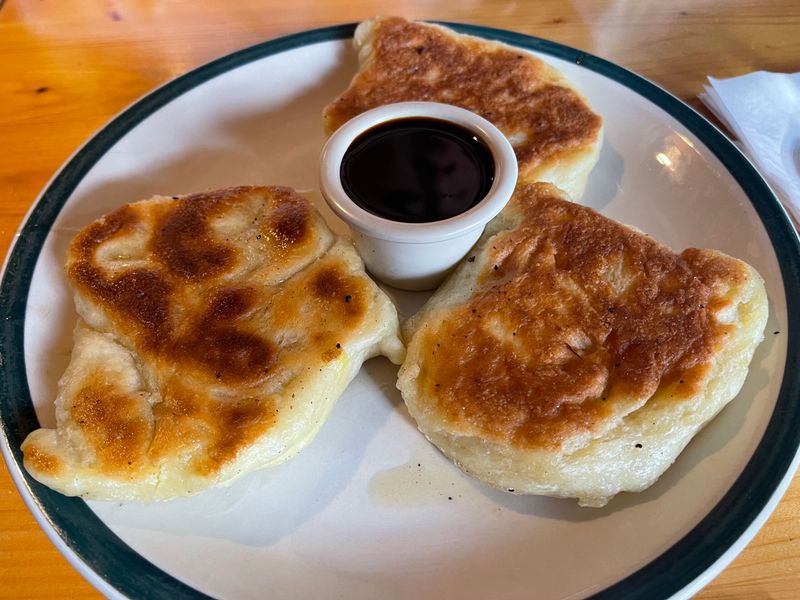
Newfoundland's traditional breakfast involves frying bread dough in pork fat, then serving it with molasses. Toutons are essentially fried dough cakes, crispy outside and soft inside.
Whilst they sound like doughnuts, they're savoury-leaning and served with dark, bitter molasses for dipping.
The combination of pork fat and molasses is where Brits tend to bail out. Molasses has an intense, almost medicinal flavour that's quite divisive.
The idea of frying bread in meat fat for breakfast feels heavy and old-fashioned, even to Brits who enjoy a proper fry-up.
3. Peameal Bacon Sandwich
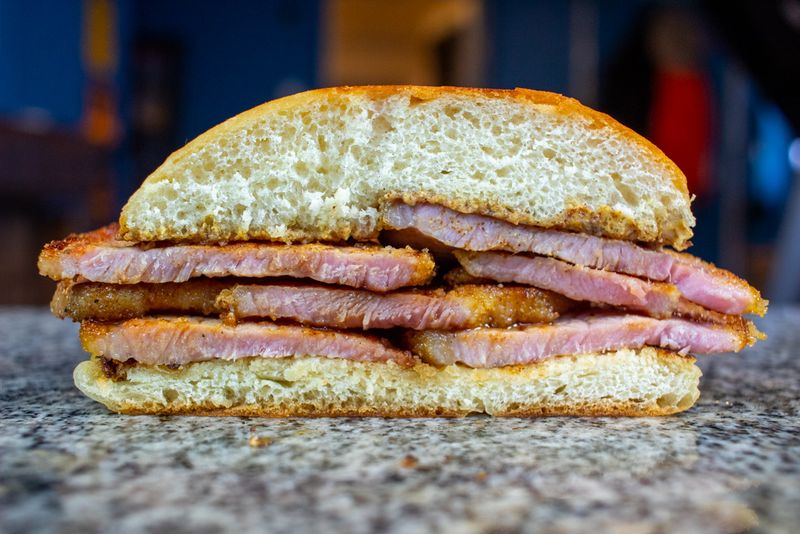
Toronto's signature sandwich features back bacon rolled in cornmeal, griddled until crispy, and stuffed into a soft white roll. Peameal bacon is lean, mild, and quite different from the streaky bacon Brits love.
The cornmeal coating adds crunch but can feel gritty.
British bacon culture revolves around crispy, fatty rashers with proper flavour, so peameal bacon's lean, ham-like texture disappoints. It's not bad, just underwhelming compared to expectations.
The simple presentation – just meat and bread – highlights the bacon's mildness rather than celebrating it. Most Brits try it once, then don't bother again.
4. Split Pea Soup (Habitant-Style)
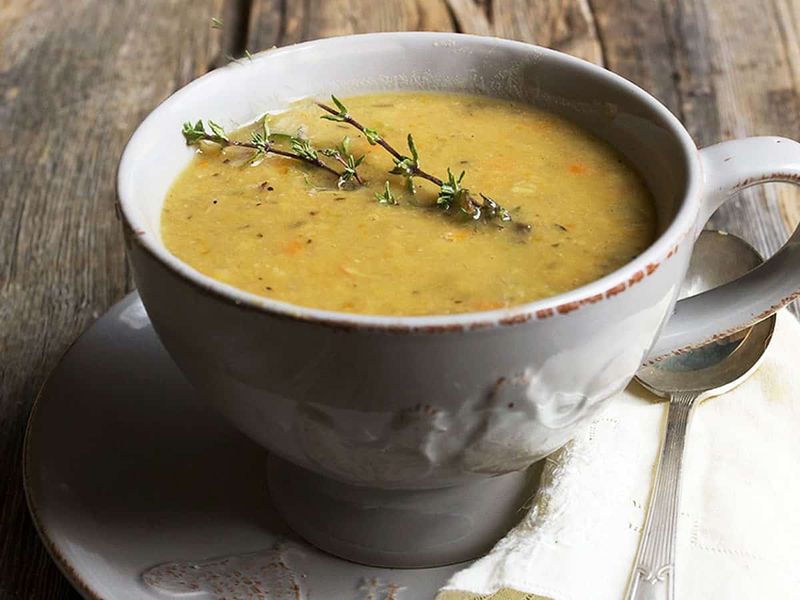
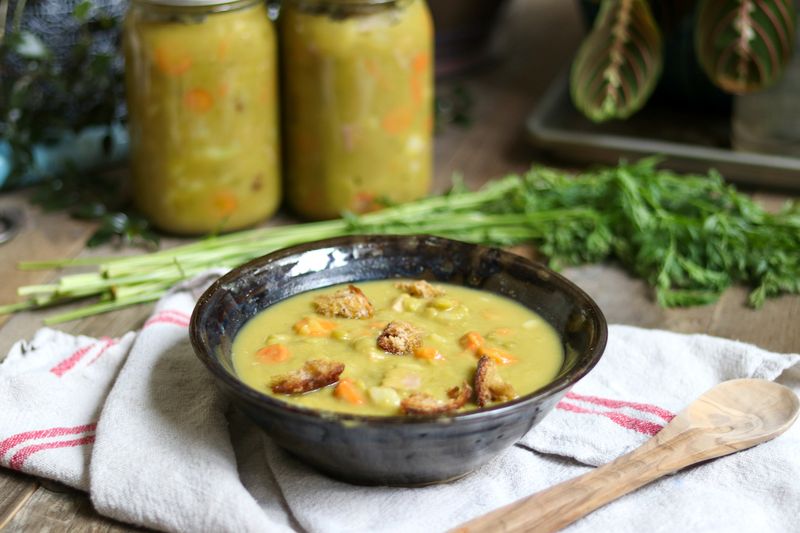
This thick, hearty French-Canadian soup is made from yellow split peas, often with pork or ham for flavour. It's warming, filling, and nutritious – exactly the sort of thing you'd want on a freezing Canadian winter day.
The texture is smooth and porridge-like.
However, Brits find it rather bland and boring compared to more exciting soups. The colour is an unappealing khaki-green, and the thick consistency feels more like baby food than proper soup.
Whilst there's nothing wrong with it, there's nothing particularly exciting either. When faced with menu choices, most Brits skip past it entirely.
5. Seal Flipper Pie
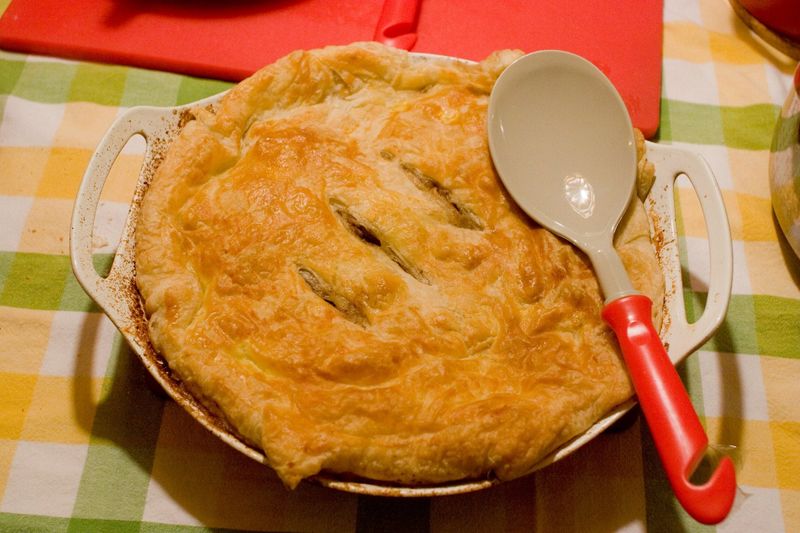
Right, this Newfoundland delicacy is exactly what it sounds like – seal flippers cooked in pastry. It's a traditional dish with deep cultural significance in Atlantic Canada, where seal hunting has historical importance.
The meat is dark, rich, and gamey.
Unsurprisingly, most Brits won't touch this with a bargepole. The cute factor of seals makes eating them emotionally difficult for many people, regardless of sustainability arguments.
Even adventurous eaters struggle with the idea. The strong, fishy flavour of the meat doesn't help matters.
This is one Canadian tradition that definitely stays in Newfoundland as far as British visitors are concerned.