








Jammie Dodgers have been a familiar sight in British biscuit tins for generations, often associated with their bright centre and simple design.
Many shoppers assumed the name referred directly to the filling, without giving much thought to its wider origins.
Recent television coverage and online discussion have brought renewed attention to where the name actually came from and how it connects to British popular culture.
Taking a closer look at the story behind the biscuit reveals how branding, language, and nostalgia can quietly shape everyday food habits.
All information is provided for general information only. Taste, appearance, and availability may vary.
Photos are for illustrative purposes only.
1. The Comic Character Behind The Biscuit's Name
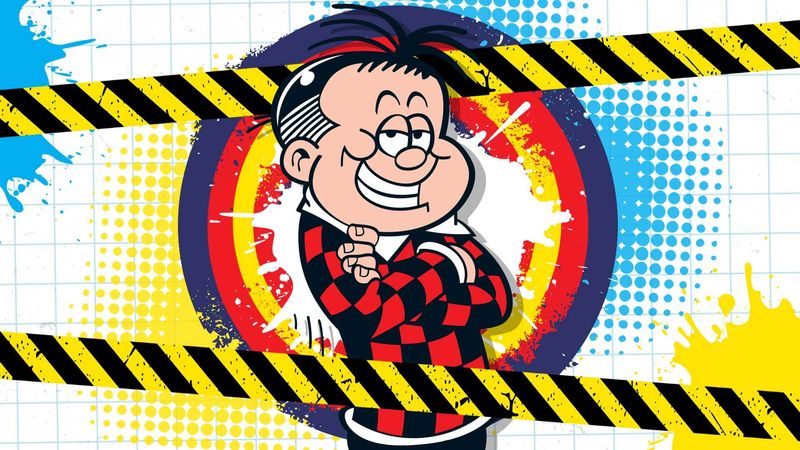
The name Jammie Dodger does not come from the biscuit’s filling, as many shoppers have long assumed, but from a character in The Beano comic.
During an episode of Inside The Factory on BBC One, staff explained that the biscuit was named after Roger The Dodger, a long running comic character first introduced in the early nineteen fifties.
The character became known for always managing to escape trouble through luck and cleverness, which mirrors the playful meaning of being “jammy”. This connection helped shape the brand identity at the time and added a cultural reference that many consumers were unaware of until recently.
2. How A Beano Favourite Influenced A Household Brand
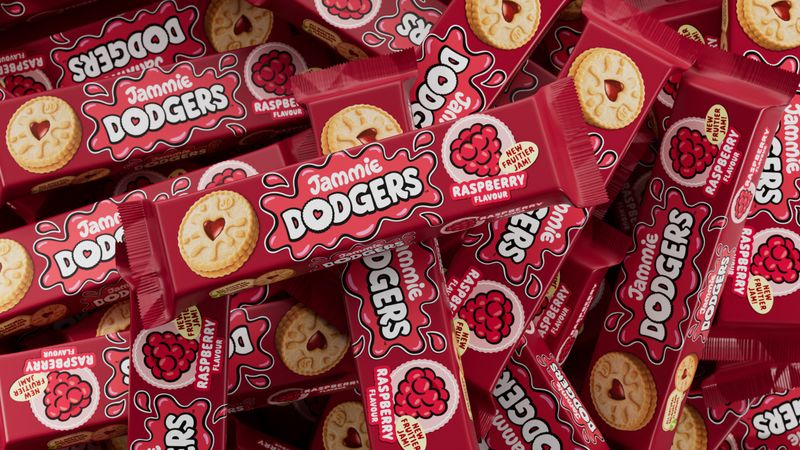
Roger The Dodger has remained one of The Beano’s most recognisable characters for decades, appearing in countless comic strips and annuals. When the biscuit was developed, the character’s popularity made the reference familiar to many families who regularly read the comic.
Brand representatives have since confirmed that the playful reputation of the character helped influence the name choice rather than any specific ingredient used in the filling.
This link highlights how British food brands have often drawn inspiration from popular culture to create names that feel familiar and memorable across generations.
3. Why Many Shoppers Assumed The Name Meant Something Else
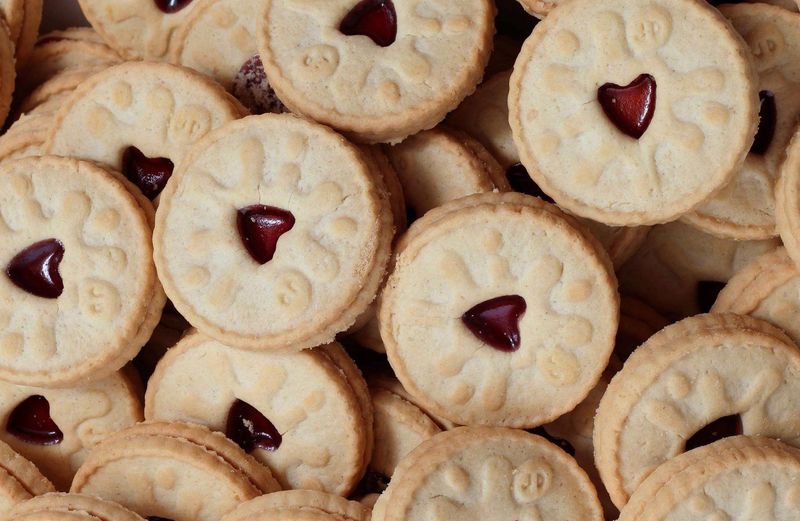
For many people, the word “jammie” naturally suggested that the biscuit was named purely because it contains a jam flavoured centre.
In reality, the filling is made using apple jam that is flavoured to resemble raspberry, which added further confusion for shoppers learning more about the product.
Online discussions showed surprise from consumers who had never questioned the origin of the name and assumed it was simply descriptive.
The discovery prompted wider conversation about how product names can quietly carry cultural references that become less obvious over time as habits and media change.