



Bread has long been a staple in British kitchens, yet in recent years, many have started to avoid it, often in the name of a “healthy lifestyle.”
Around 8 per cent of UK adults now skip gluten even without medical reasons such as coeliac disease or wheat intolerance.
While concerns about processed bread and additives are valid, there’s a wider perspective to consider – especially when looking at how Europeans incorporate bread into their diets.
This article is for general informational purposes only and should not replace professional dietary or medical advice. Individual nutritional needs and preferences may vary. Photos are for illustrative purposes only.
Bread Is A Pleasure In France, Not A Problem

Across France, bread remains central to daily life, not just as sustenance but as a source of enjoyment.
The French buy around 30 million baguettes each day from supermarkets and boulangeries, with the average person consuming over 50 kg annually.
For many, a bakery visit is more than shopping – it’s part of the rhythm of life, a small ritual that celebrates the art of baking and the joy of fresh bread.
Italy Shows Bread’s Cultural Role
In Italy, bread – or pane – is an essential companion to meals. From rustic loaves in Tuscany to Rome’s rosetta bread, Italians use it to scoop sauces, accompany cheeses, and complete dishes.
Although per-capita bread consumption has declined over the decades, the cultural importance remains strong. Bread isn’t feared; it’s a functional and enjoyable part of dining.
Spain Keeps Bread On The Table
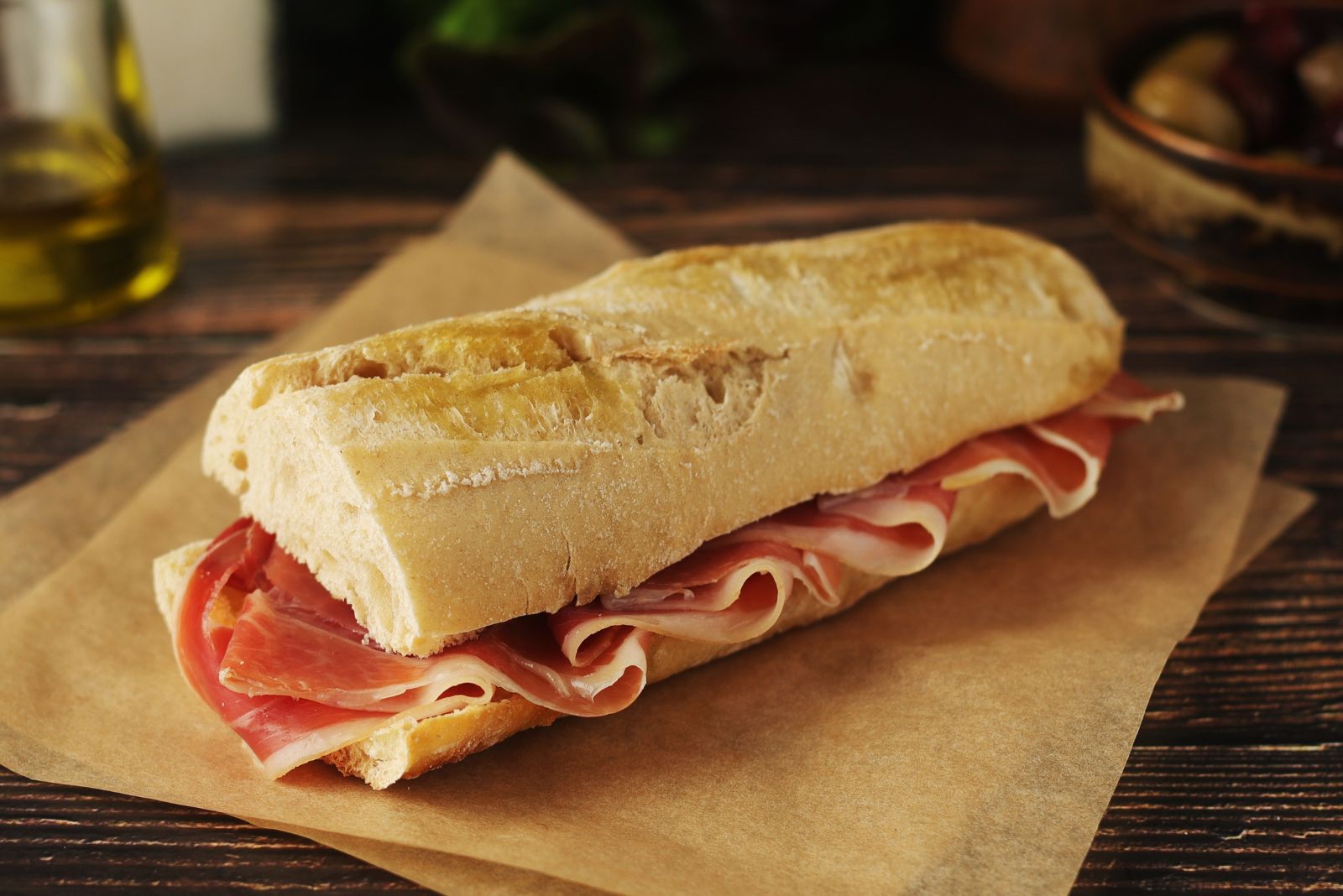
In Spain, bread plays a practical role at every meal.
From a hunk of sliced baguette at breakfast to a base for jamón or tapas, it’s often used to scoop sauces or accompany dishes.
Spanish flour typically has lower gluten content, making it easier to digest, and the growing popularity of artisan sourdough breads shows a renewed appreciation for traditional baking methods.
Greece Shows Bread’s Deep Roots
Greek dining traditions also place bread at the heart of meals. Taverns serve generous chunks alongside salads, olive oil, and slow-cooked mains, with bread often used to mop up juices or sauces.
From twice-cooked dakos barley rusks to sesame-coated koulouri, bread remains intertwined with both daily eating and festive occasions, reflecting centuries of culinary history.
The British Perspective

While the UK has seen a rise in gluten-free diets, European examples suggest there’s room for balance.
Bread can be enjoyed in moderation as part of a varied diet, providing nutrients, fibre, and simple culinary pleasure.
Taking a more relaxed, European-style approach could help Britons rediscover a healthy relationship with one of the world’s most enduring foods.