










Ever picked up your favourite snack and thought, 'Hang on, this feels lighter'? You're not imagining things.
British supermarkets have been quietly reducing product sizes while keeping prices the same or even hiking them up – a sneaky tactic known as 'shrinkflation.'
Let's look at some everyday items that have fallen victim to this consumer-unfriendly practice.
1. Cadbury Dairy Milk
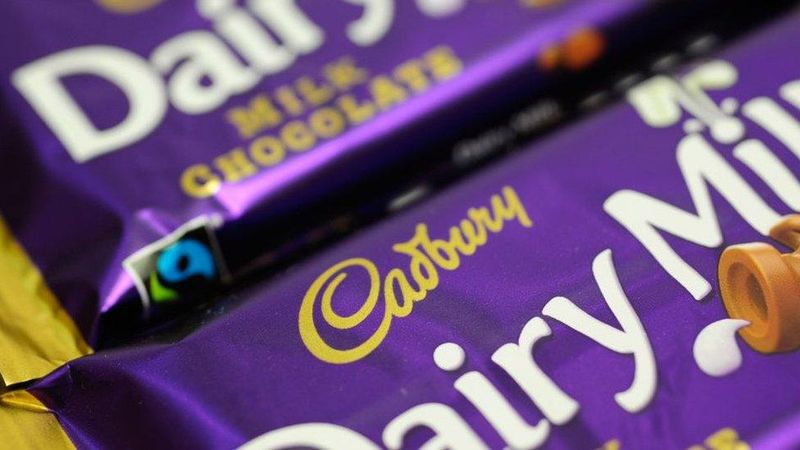
Remember when these iconic purple-wrapped bars weighed a hefty 200g? Now you're lucky if you get 180g for your money.
The beloved chocolate recipe remains unchanged, but the size reduction happened gradually so consumers wouldn't notice. Meanwhile, prices have climbed by nearly 20% since 2018.
2. Walkers Crisps
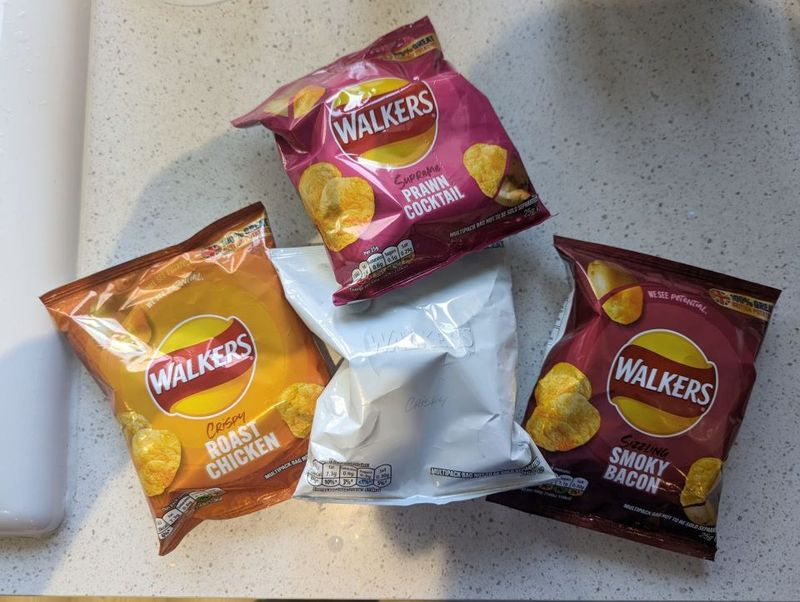
The nation's favourite potato snack packets once bulged with 34.5g of crunchy goodness. Today, standard bags contain a measly 25g.
What's particularly cheeky is how the packaging stayed roughly the same size, creating the illusion of getting the same amount. Salt content dropped too, though prices have risen by about 14% in recent years.
3. Toblerone Bar
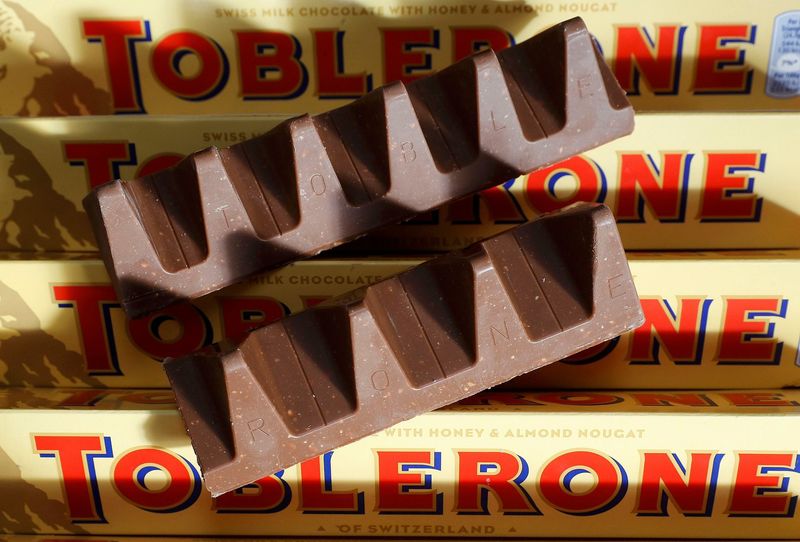
The 2016 Toblerone scandal shocked chocolate lovers everywhere! The distinctive triangular peaks suddenly appeared with massive gaps between them.
The 400g bar shrank to 360g while the 170g version dropped to 150g. Mondelez blamed rising ingredient costs, but customers weren't having it. Public outcry eventually forced them to revert to the original design.
4. Mr Kipling Cakes
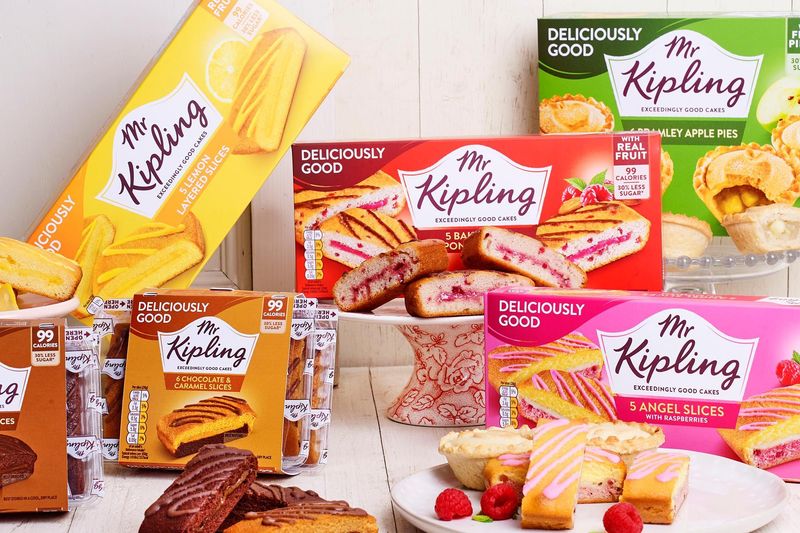
Portion sizes of Mr Kipling cakes have noticeably decreased over the years, even as the price has crept up.
Some packs now contain fewer slices or smaller individual treats.
Shoppers have voiced frustration, especially as these cakes are marketed as indulgent snacks.
What used to feel like a generous treat now feels more like a mini bite.
5. Heinz Baked Beans
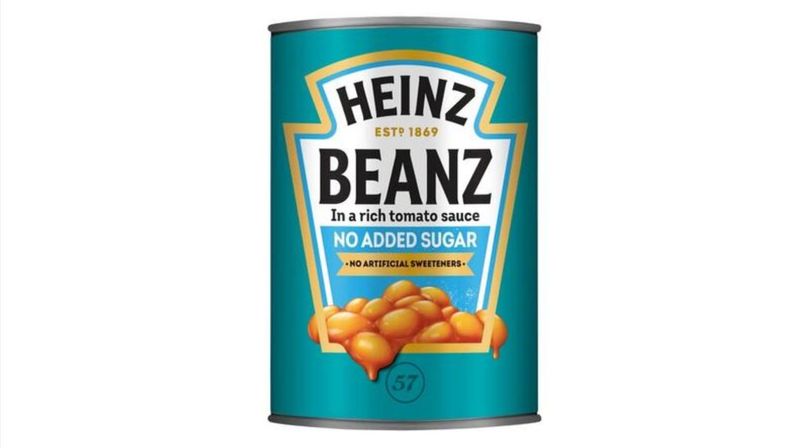
Heinz Baked Beans tins have shrunk in size while the cost per tin has risen. Smaller cans are often priced similarly to what full-sized tins used to be.
This has annoyed long-time customers who rely on it as a cupboard staple. It’s a subtle change that becomes clear when you compare older packs to today’s versions.
6. Lurpak Butter
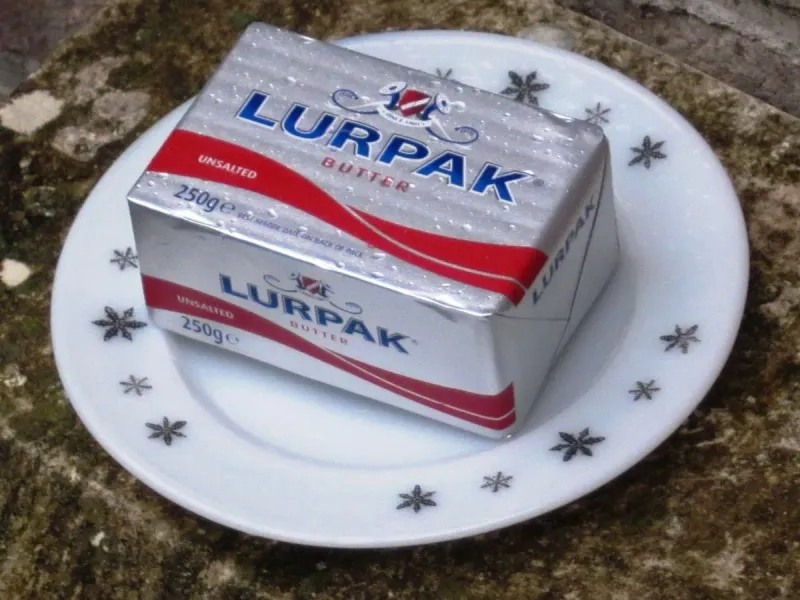
The posh butter brand that's become a luxury item! Standard packs once weighed 250g before shrinking to 225g and now a paltry 200g in many stores.
Meanwhile, prices have soared so dramatically that some shops have resorted to security tags on packs. The butter itself remains delicious, but at nearly £5 for 200g, it's become a genuine treat.
7. Tropicana Orange Juice
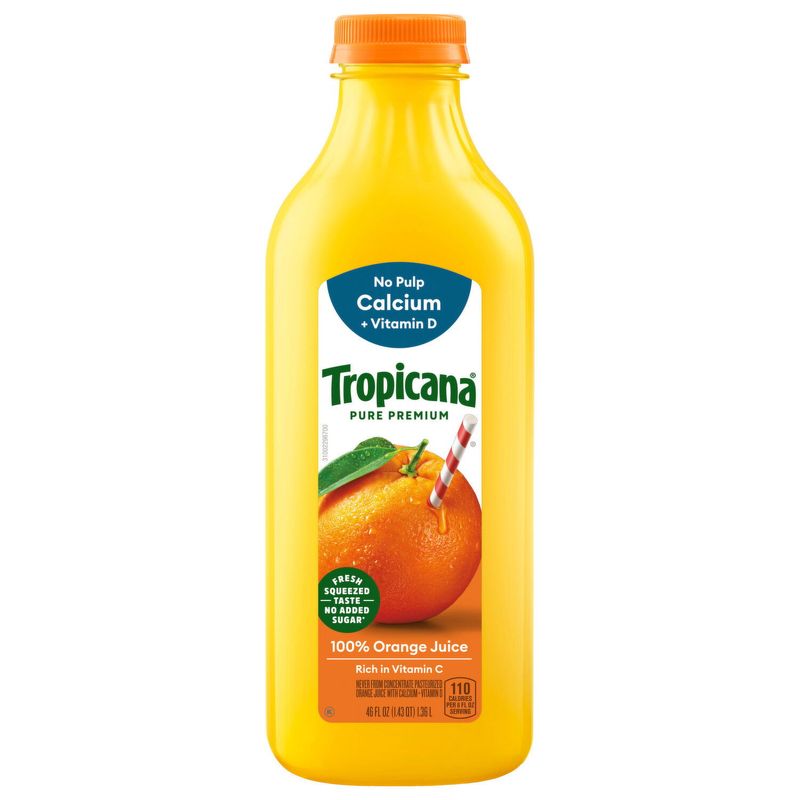
Your morning vitamin C fix has taken a hit too. The family-sized cartons of Tropicana dropped from 1.75 litres to 1.6 litres with barely a whisper.
The redesigned packaging cleverly disguised the reduction with taller, slimmer cartons that look deceptively similar to their predecessors. Prices, naturally, stayed the same or increased at many retailers.
8. Kellogg's Corn Flakes
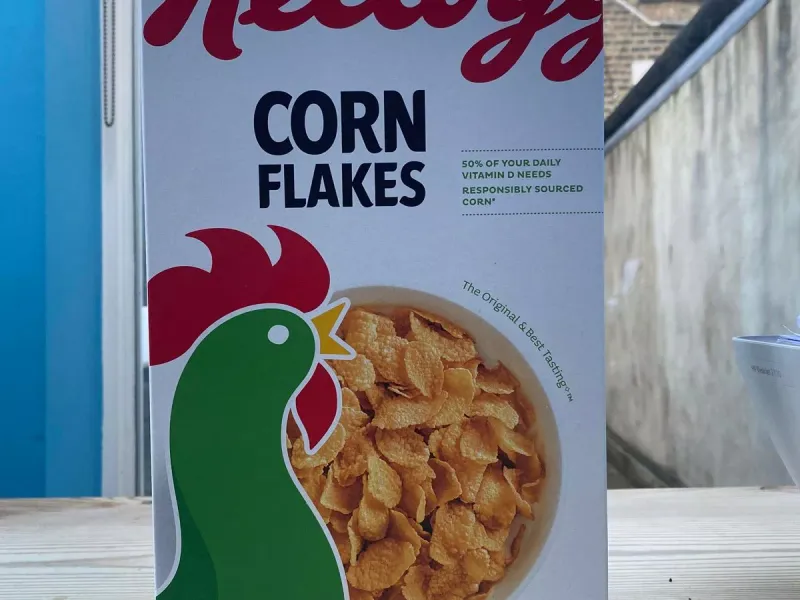
Breakfast bowls aren't quite as full these days. The family-sized box of these crispy morning staples has shrunk from 750g to 720g and sometimes even 680g.
Kellogg's blamed rising production costs and inflation for the downsizing. The cereal itself remains unchanged, but families now get fewer servings per box while paying more at the till.
9. Cathedral City Cheese
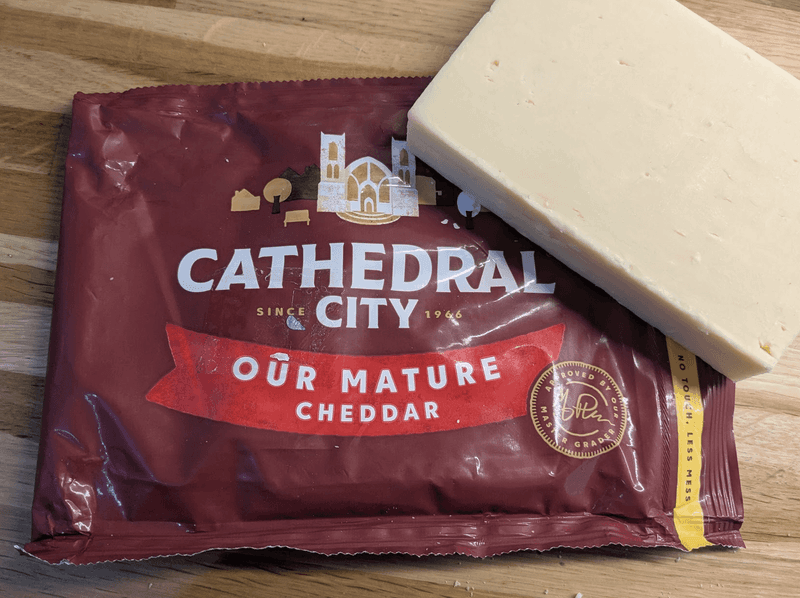
Britain's favourite cheddar brand pulled a fast one when they shaved their standard block from 350g to 300g.
The packaging redesign featured more prominent branding and a refreshed look, conveniently distracting shoppers from the size reduction. Perfect for toasties and sandwiches, but nowadays you're getting significantly less for your money.
10. McVitie's Digestives
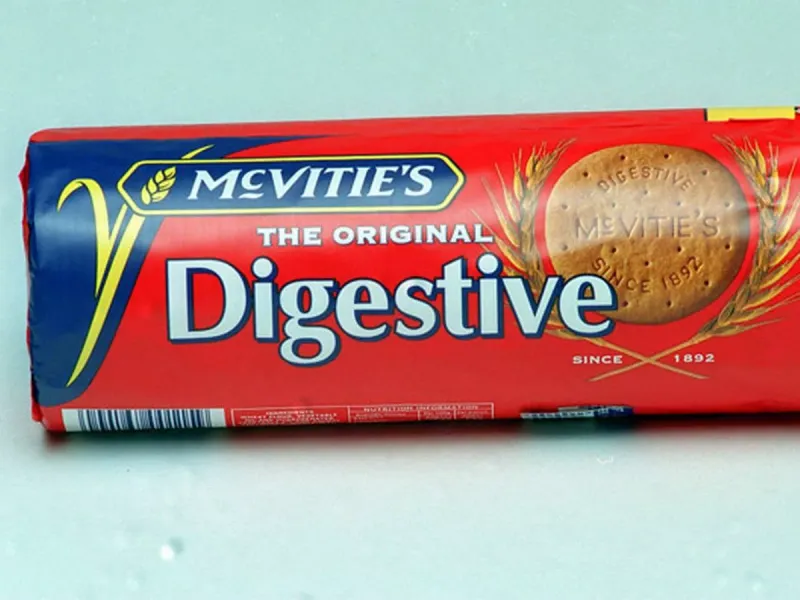
The quintessential tea-dunking biscuit packet used to weigh a satisfying 500g before shrinking to 400g in recent years.
McVitie's claimed rising ingredient costs forced their hand. Each biscuit remains the same size, but you now get fewer in each pack. Perfect with a cuppa, but your biscuit tin empties noticeably faster these days.
11. Warburtons Toastie Bread
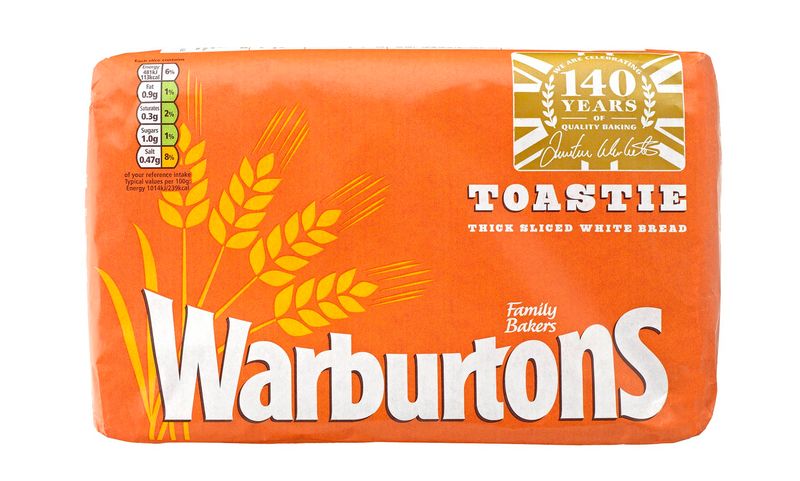
The sliced bread that makes perfect toast has seen its loaf weight drop from 800g to 750g in recent years.
The number of slices stayed the same, but each one became thinner. Warburtons cited rising wheat and energy costs for the change. Your sandwich fillings might now poke through the bread, but you're still paying more for less.