






Some British desserts come with names that sound a bit strange, but the flavour tells a completely different story. These classic recipes have stayed alive because people know they deliver something comforting and genuinely tasty. Curious names often hide dishes that are far better than you would ever guess at first glance.
This content is for general information only and may not reflect every regional variation or family tradition. Images are for illustrative purposes only.
1. Sussex Pond Pudding
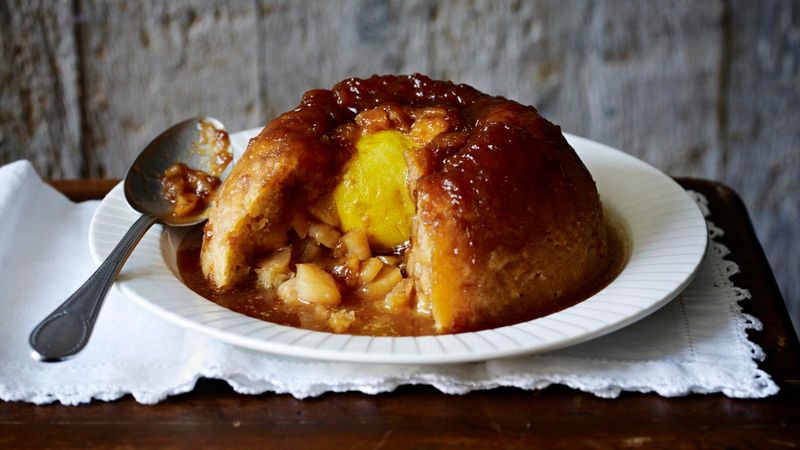
Picture a whole lemon wrapped in buttery suet pastry, creating a magical sauce that floods your plate when cut. Originating from Sussex in southern England, this steamed pudding earned its watery name from the golden liquid that spills out dramatically.
The combination of sharp citrus and rich butter creates an unexpectedly sophisticated flavour. While the name might sound odd, one bite reveals why this dessert has survived centuries.
2. Lardy Cake
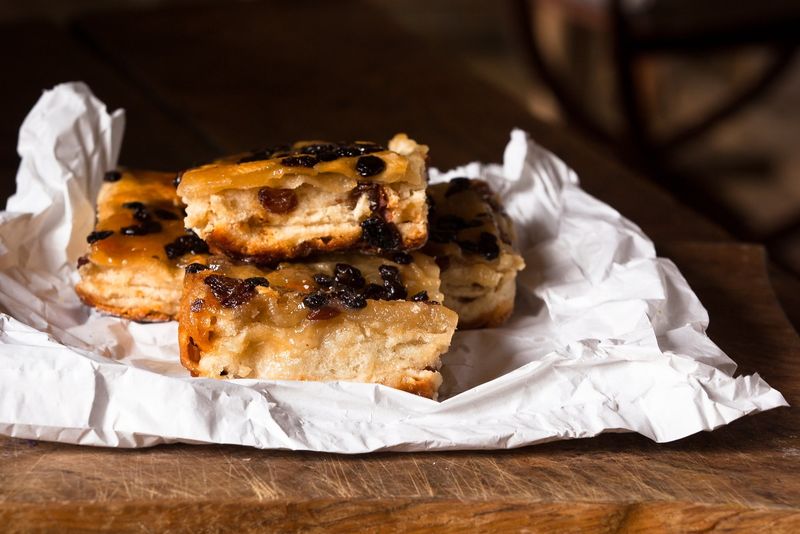
Don't let the name fool you - this Wiltshire speciality is a celebration of indulgence. Layers of sweet dough get folded with lard, sugar, and dried fruit, then baked until gloriously sticky and golden.
The result tastes more like a sweet pastry than anything heavy. Historically made to use up leftover bread dough, it became a weekend treat for hardworking families. Its caramelised bottom creates an irresistible crunch that modern bakeries still perfect today.
3. Gypsy Tart
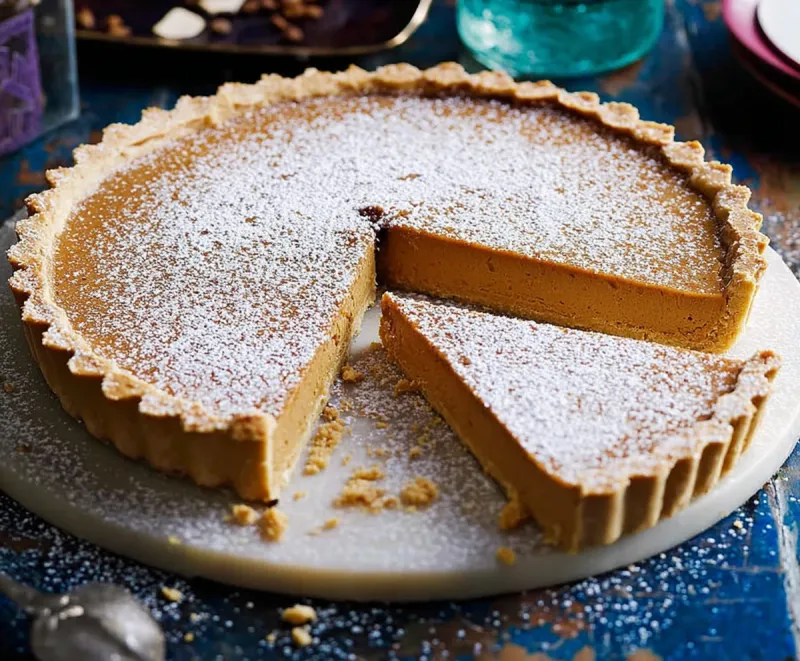
Kent schoolchildren have enjoyed this incredibly sweet tart for decades, and it requires just two filling ingredients: evaporated milk and muscovado sugar. Whipped together until thick and mousse-like, the mixture bakes into a caramel-coloured dream.
Legend says it was created to feed hungry children during tough times. The texture sits somewhere between fudge and cream, making it utterly addictive despite its simple origins and peculiar name.
4. Manchester Tart
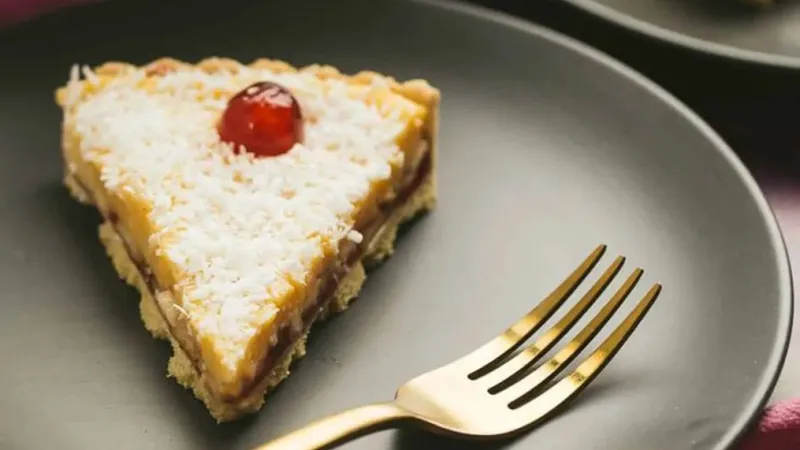
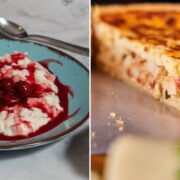
Bright, cheerful layers make this northern classic a feast for the eyes and tastebuds. A shortcrust pastry base holds raspberry jam, then gets topped with smooth custard, desiccated coconut, and often a cherry for good measure.
Schools across Greater Manchester served this regularly during the mid-twentieth century. The contrasting textures - crisp pastry, silky custard, and chewy coconut - create a delightful eating experience that's far more exciting than its simple name suggests.
5. Bakewell Pudding
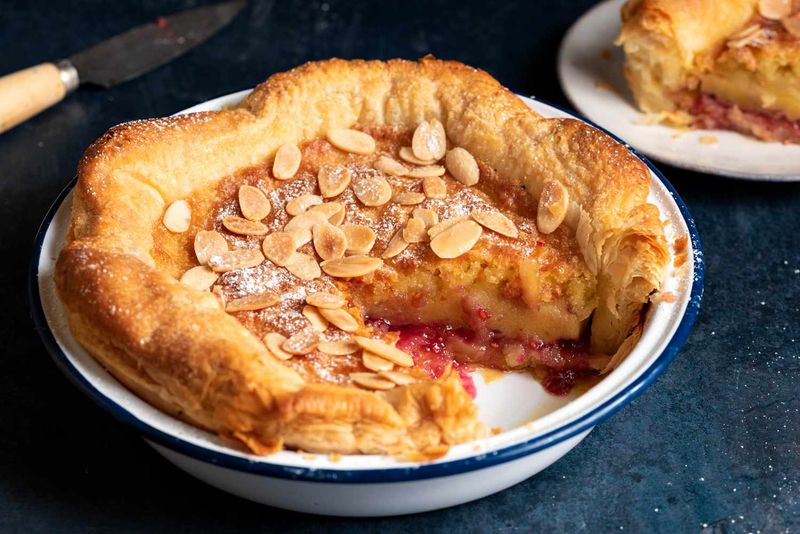
This Derbyshire delight supposedly came from a kitchen mistake in the 1860s when a cook spread egg mixture on top of jam instead of mixing it into the pastry. The accident created something magnificent - a puff pastry base with jam and a rich almond filling.
Not to be confused with Bakewell tart, the original pudding has a softer, almost custardy texture. Locals in Bakewell town still debate which bakery makes the authentic version.
6. Eton Mess
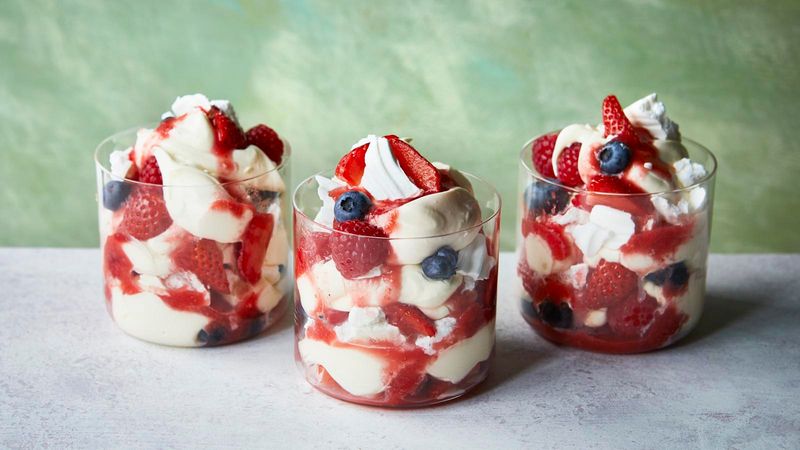
Born at Eton College, this dessert celebrates beautiful chaos. Crushed meringue gets folded with whipped cream and fresh strawberries, creating a mess that's absolutely intentional and wonderfully delicious.
Some stories claim a Labrador dog sat on a picnic basket, smashing a pavlova and inspiring the dish. Whether true or not, this summer favourite proves that presentation isn't everything. The contrast between crunchy meringue and soft cream is pure perfection.
7. Banoffee Pie
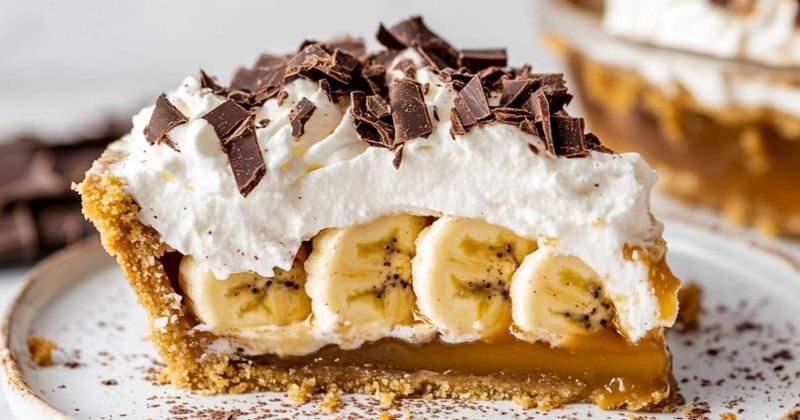
Created in 1971 at The Hungry Monk restaurant in East Sussex, this modern classic combines bananas and toffee in perfect harmony. A biscuit base supports thick dulce de leche, fresh banana slices, and clouds of whipped cream.
The name is a clever portmanteau that actually helps describe what's inside. Within years of its invention, it became a nationwide sensation. Today, it remains a favourite that showcases how simple ingredients can create extraordinary results.
8. Eccles Cake
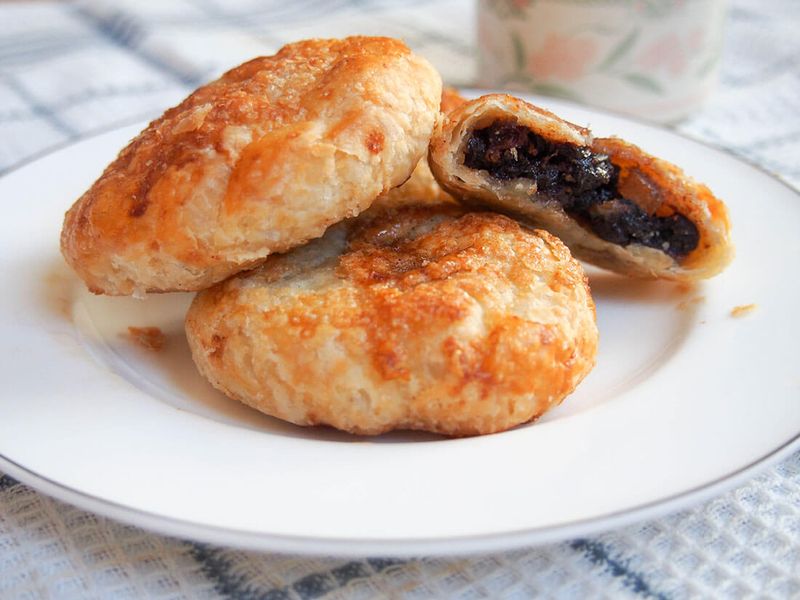
Eccles cakes are small, flaky pastries filled with spiced currants and wrapped in crisp, buttery puff pastry. They originated in the town of Eccles in Greater Manchester and have been enjoyed for generations. Bakers traditionally slash the tops before baking, which helps the fruit filling bubble and caramelise beautifully.
Their golden, sugary crust and rich, fruity centre make them a staple at bakeries and teatime tables across the region.