











Some British classics look simple on paper, yet a tiny misstep in timing, temperature, or seasoning can turn a promising dish into a real let-down. Whether it’s soggy pastry, dry meat, or gravy that never quite comes together, even confident home cooks have a few kitchen mishaps under their belt.
A handful of practical tips can make all the difference between a disappointing plate and a meal you’re genuinely proud to serve.
This content is intended for general interest and cooking inspiration only. Results may vary depending on ingredients, equipment, and personal skill level, and readers should always follow food safety guidance when preparing meals.
1. Roast Potatoes
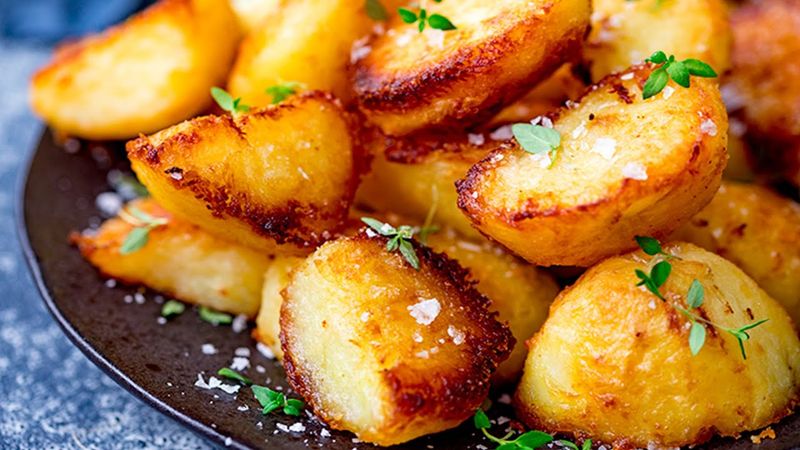
Crispy on the outside, fluffy on the inside - that's the dream for roast potatoes. Many cooks skip parboiling, which is essential for creating that perfect texture.
Without this step, your spuds will turn out hard and disappointing. Make sure to roughen up the edges after boiling and use plenty of hot oil in the oven.
This creates the golden, crunchy crust everyone loves.
2. Full English Breakfast
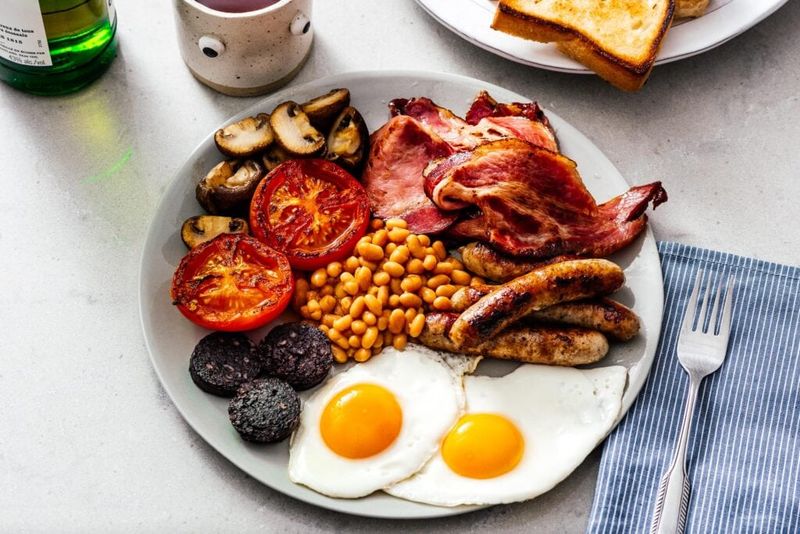
A proper fry-up is a morning masterpiece, but timing is everything. Overcrowding the pan leads to steaming rather than frying, leaving you with pale, greasy ingredients.
Cook each element separately at the right temperature - crispy bacon, golden eggs, and properly browned sausages all need their own space. Keep everything warm in the oven whilst you finish cooking.
3. Yorkshire Puddings
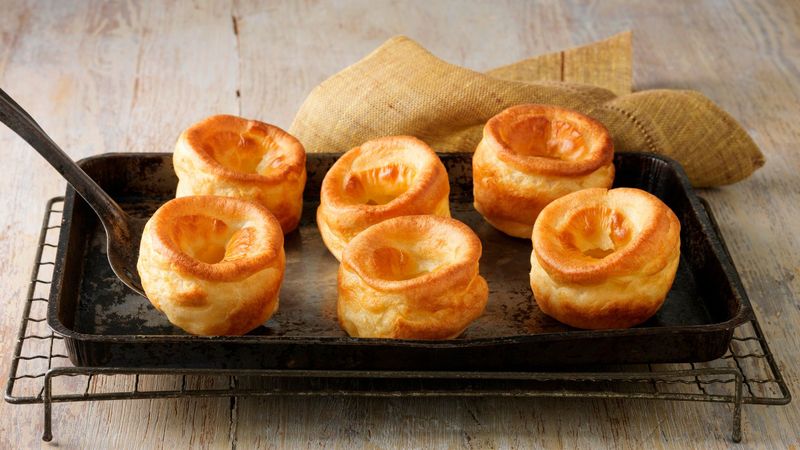
These puffy delights can deflate your spirits if you open the oven door too early. The sudden temperature drop causes them to collapse into sad, flat discs.
Your batter needs to be room temperature, and the oil must be smoking hot before pouring. Never peek until they're golden and risen - usually around twenty minutes.
4. Fish And Chips
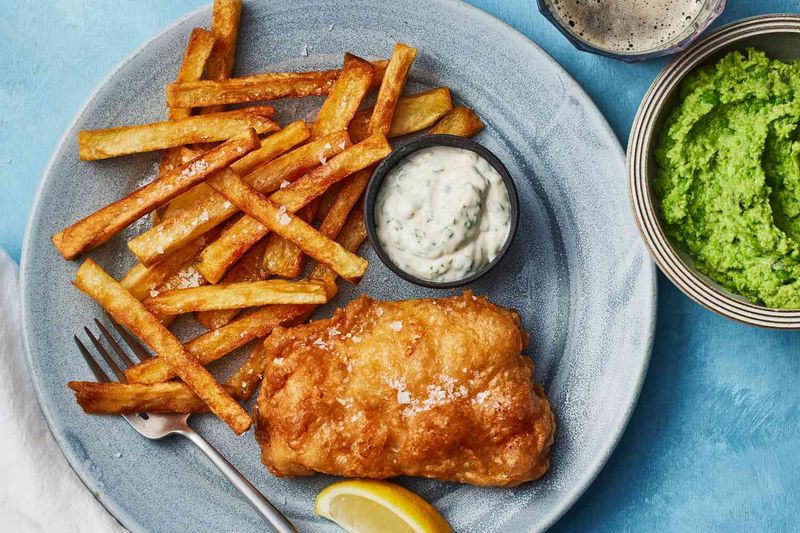
Nobody wants soggy batter sliding off their fish. The key mistake is using warm batter or oil that isn't hot enough, which creates a greasy mess.
Your batter should be ice-cold, and the oil needs to reach at least 180°C before frying. Pat the fish completely dry beforehand to help the batter stick properly.
Drain on paper towels immediately.
5. Shepherd's Pie
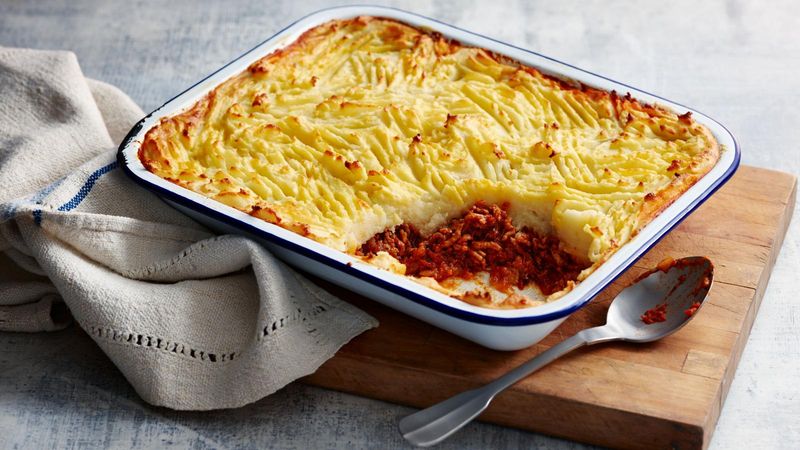
Watery filling ruins this comfort classic faster than anything else. Adding vegetables without cooking off excess moisture creates a soupy disaster beneath your mash.
Always brown your mince properly and let the gravy thicken before assembling. Use floury potatoes for the topping - they mash better and create a fluffy layer that crisps beautifully.
6. Beef Wellington
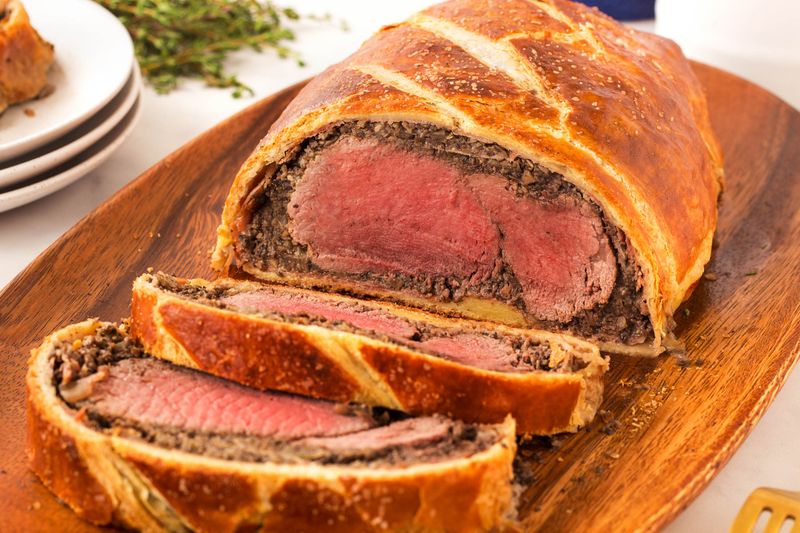
This showstopper can quickly turn soggy if moisture isn’t handled carefully from the start. Cooking the mushroom mixture until it’s properly dry helps stop excess liquid soaking into the pastry as it bakes.
Brushing the pastry with egg wash improves colour and helps seal the edges, giving a crisp, golden finish. Letting the beef cool slightly before wrapping reduces steam and keeps the layers neat and defined.
A little patience and careful prep go a long way toward a beautifully crisp result.
7. Sunday Roast Chicken
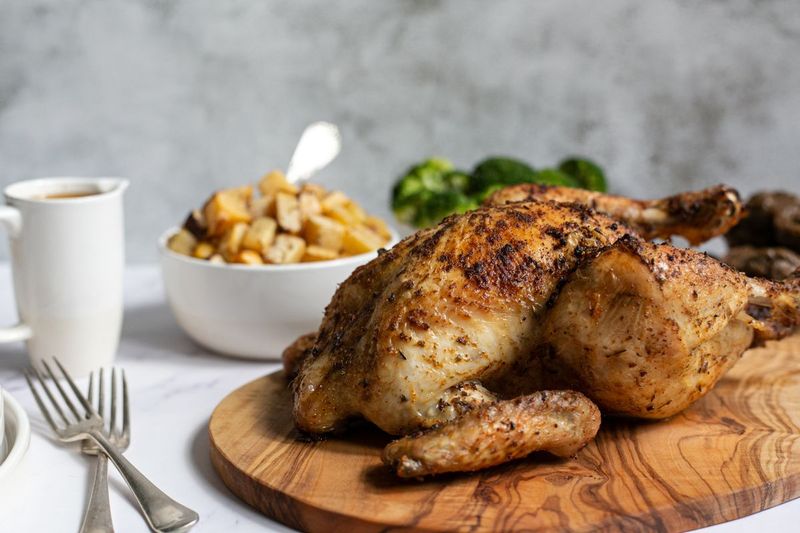
Dry chicken is one of the easiest ways to disappoint a hungry table, especially when the timing slips off course. Letting the bird sit out briefly before cooking helps promote more even roasting from edge to centre.
Generous seasoning inside and out builds flavour, while occasional basting keeps the surface from drying too quickly. Resting the chicken after roasting allows the juices to settle back into the meat instead of running straight onto the board.
The result is a more tender, flavourful roast that feels worth the effort.
8. Victoria Sponge
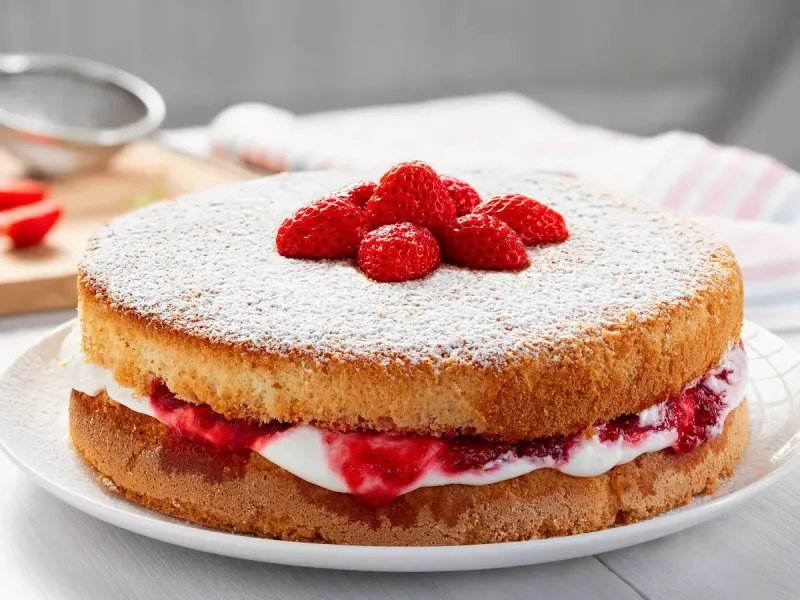
Dense, heavy sponge happens when you overmix the batter or use the wrong flour. Self-raising flour is essential, and gentle folding preserves those precious air bubbles.
Ensure your butter and eggs are room temperature for better incorporation. Bake until golden and springy - a skewer should come out clean but not dry.
Light texture is everything in this classic.
9. Sticky Toffee Pudding
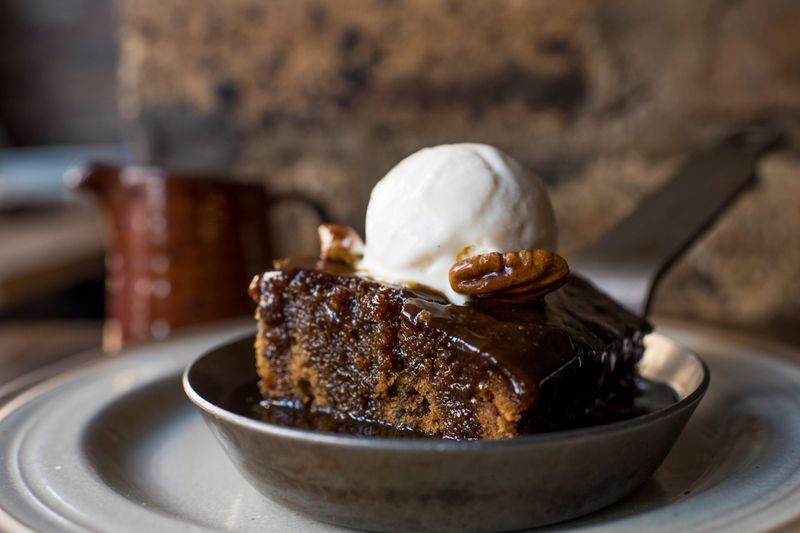
A dry pudding defeats the entire purpose of this indulgent dessert. The common mistake is overbaking or skimping on the dates, which provide essential moisture.
Soak your dates properly in hot water before mixing them in. Pour warm toffee sauce over the pudding immediately after baking - it should soak in beautifully.