



British food names have a habit of looking far more complicated than they sound. Visitors often approach menus with confidence, only to pause mid-word and rethink their choices.
Locals barely notice these names anymore, which makes the mispronunciations all the more memorable. Stick around and you may recognise a few familiar slip-ups.
All information is provided for general interest only. Pronunciations can vary by region and personal habit.
1. Worcestershire Sauce
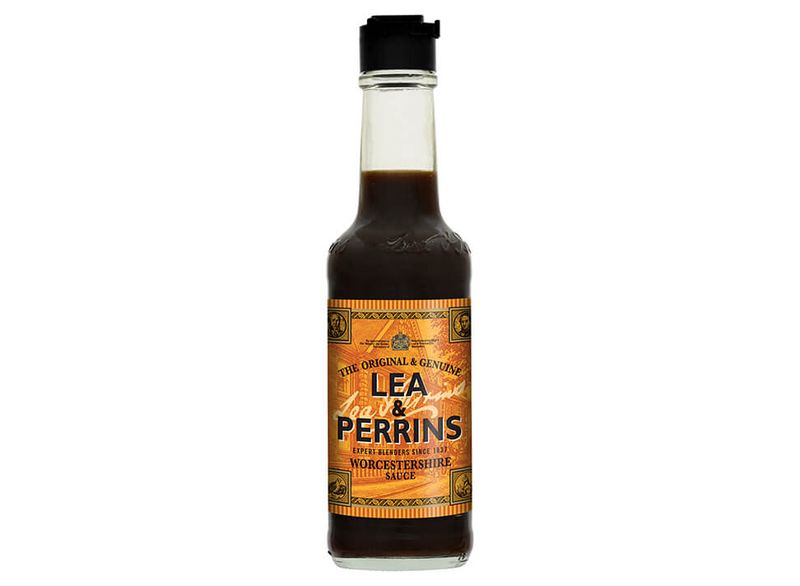
This tangy brown condiment often causes hesitation the first time it appears on a menu. Many visitors try to pronounce every letter, even though locals keep it much simpler.
The name comes from the county where it originated, which explains its unusual spelling. In the kitchen, it adds savoury depth to stews, marinades, and everyday cooking.
Once you hear it said aloud a few times, it suddenly feels far less intimidating.
2. Leicester Cheese
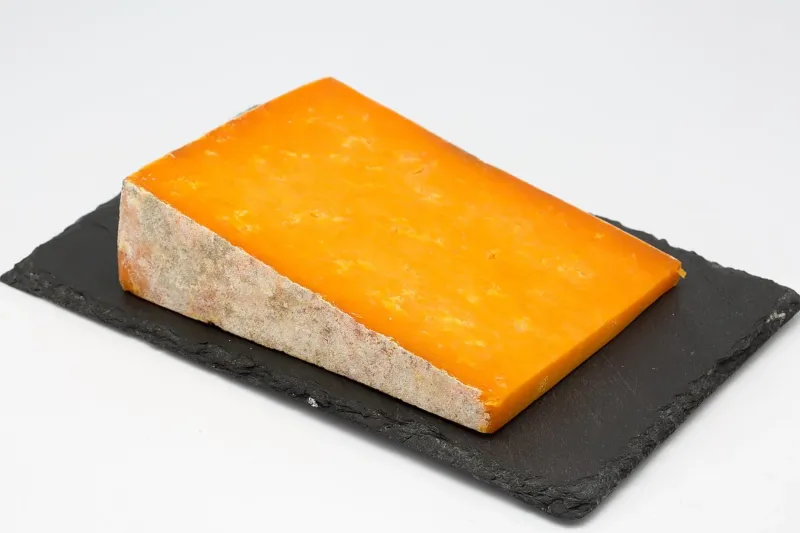
Bright orange and crumbly, this cheese often surprises people when they see how it is pronounced. The spelling suggests one thing, while local usage keeps it much shorter.
Like many British place names, Leicester drops a few letters when spoken. The cheese itself has a mild, nutty flavour that works well in sandwiches and simple dishes.
Saying the name correctly usually comes naturally after a visit or two.
3. Wensleydale
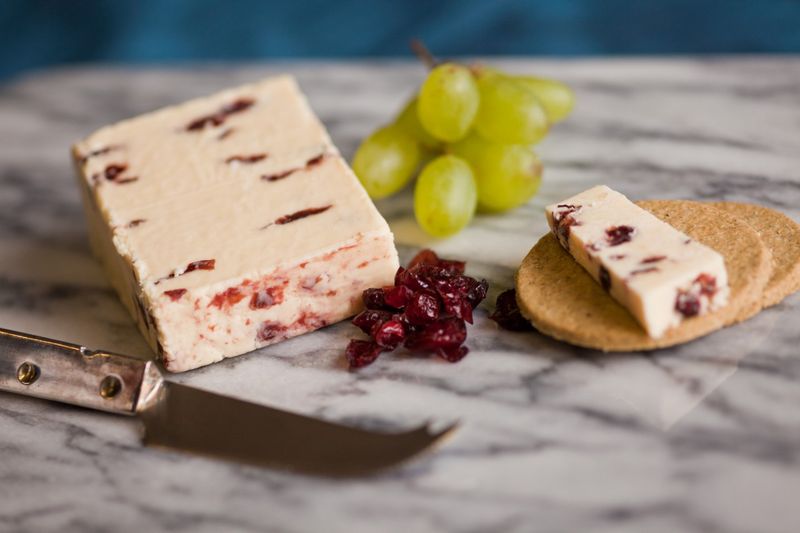
Made famous by Wallace and Gromit, this creamy white cheese has a name that sounds trickier than it is. Visitors often stumble over "Wensley," trying variations like "Wenz-lee" or "Wen-suh-lee," when it's simply "WENZ-lee-dale."
This Yorkshire cheese pairs beautifully with fruit cake and cranberries, offering a mild, slightly sweet taste. The name comes from Wensleydale valley in North Yorkshire.
Once you've tried it with a slice of Christmas cake, you'll never forget its proper pronunciation!
4. Melton Mowbray Pork Pie
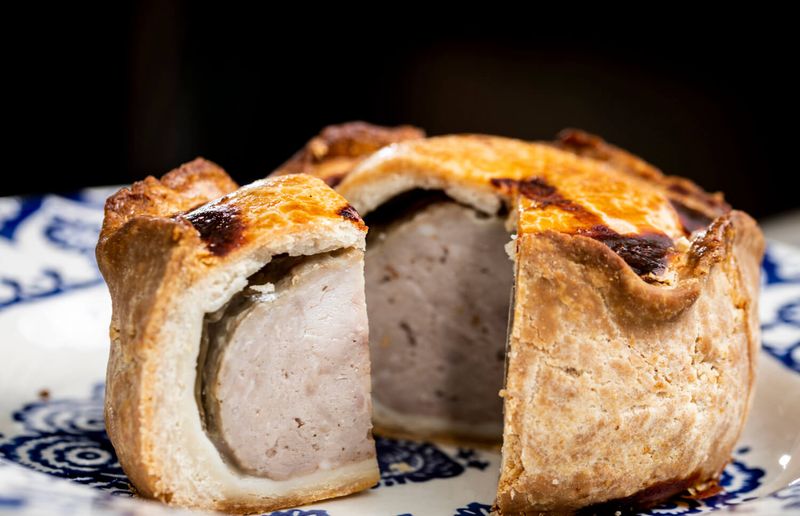
"Mowbray" is where the confusion begins for most visitors attempting this classic British snack. Many try "Mow-bray" (rhyming with "now"), but it's actually "MOE-bray" (rhyming with "toe").
These hand-raised pork pies from Leicestershire have protected status, meaning only pies made in the area can use the name. With their golden pastry and peppery pork filling, they're picnic essentials.
Master the pronunciation before ordering one at a traditional British bakery, and you'll sound like a local straightaway!
5. Bakewell Tart
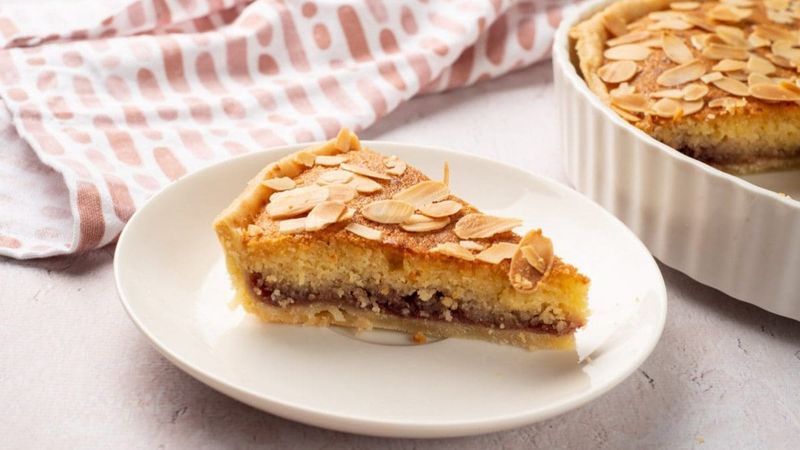
This one seems straightforward until you realise many visitors say "Bake-well" with equal stress on both syllables. The proper way is "BAKE-w'l," with the second syllable almost disappearing.
Hailing from the Derbyshire town of Bakewell, this almond-flavoured tart sits on a layer of jam with a flaky pastry base. It's sweet, satisfying, and quintessentially British.
When ordering at a tea room, getting the name right shows you're a dessert connoisseur who appreciates proper British baking traditions!
6. Scone
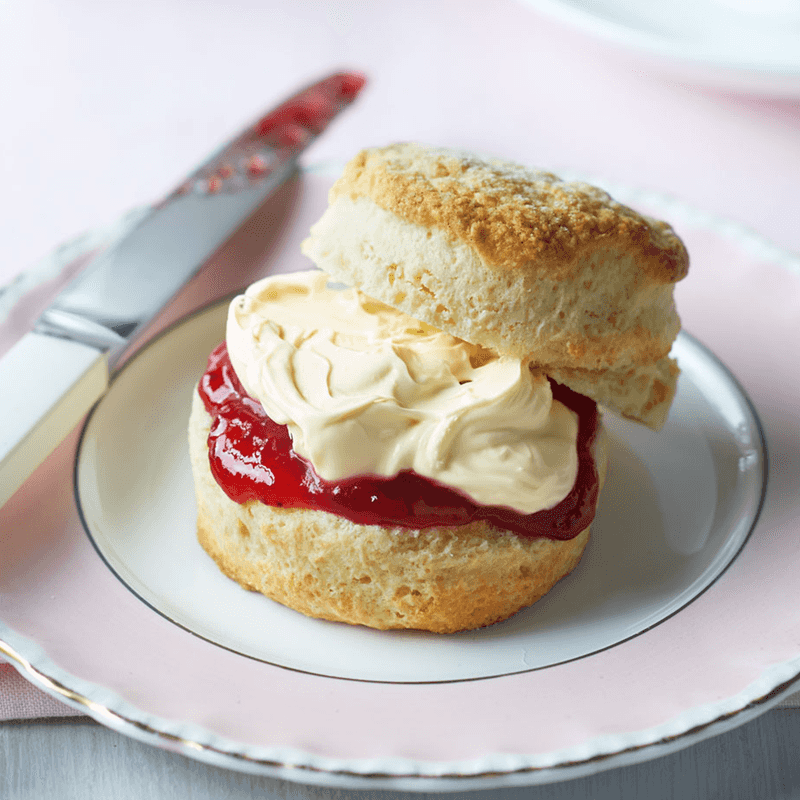
Believe it or not, even native English speakers argue about this one! The great scone debate centres on whether it rhymes with "gone" or "cone." Both pronunciations exist across Britain, though "scone" (rhyming with "gone") is more common in the south.
These fluffy baked treats are essential to cream teas, served warm with jam and clotted cream. Whether you say "scon" or "scone," just don't call it a biscuit!
The pronunciation might vary, but everyone agrees they're delicious.
7. Derby Cheese
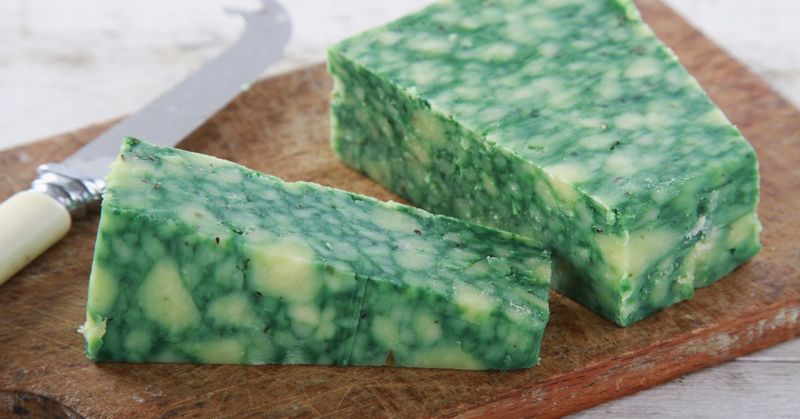
Another place-name cheese that trips up tourists! People instinctively want to pronounce every letter: "Der-bee." The correct pronunciation drops the middle vowel entirely: "DAR-bee."
This mild, semi-firm cheese from Derbyshire comes in plain and sage varieties, the latter featuring attractive green marbling. Sage Derby was traditionally made for special occasions and harvest festivals.
When asking for it at the cheese counter, pronounce it properly and you'll avoid the confused looks from the cheesemonger behind the glass!
8. Gloucester Cheese
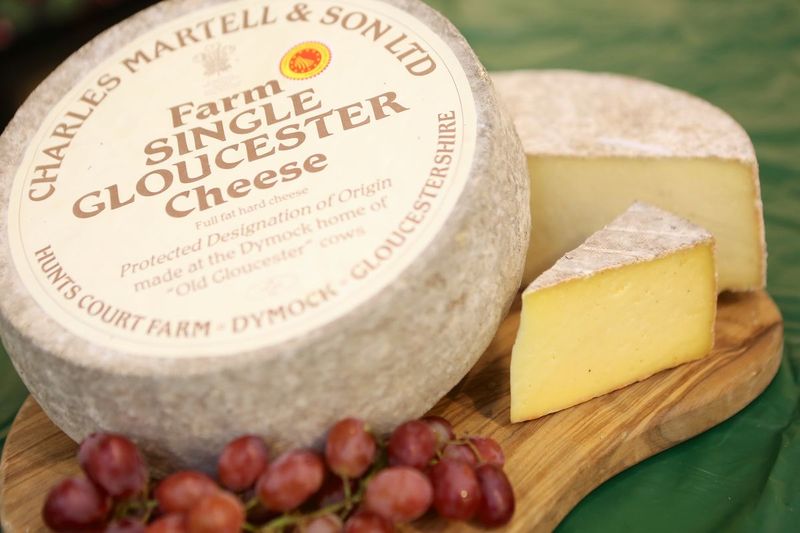
"Gloucester" looks like it should have three syllables, leading visitors to say "Glow-sess-ter" or "Glow-chest-er." Wrong! It's simply "GLOSS-ter," losing that middle syllable completely.
Available as Single or Double Gloucester, this cheese varies in richness and colour. Double Gloucester is creamier and more flavourful, whilst Single Gloucester is lighter and crumblier.
Both come from Gloucestershire, where they've been made for centuries. Pronounce it correctly, and you'll sound like you've lived in the Cotswolds your whole life!
9. Lancashire Hotpot
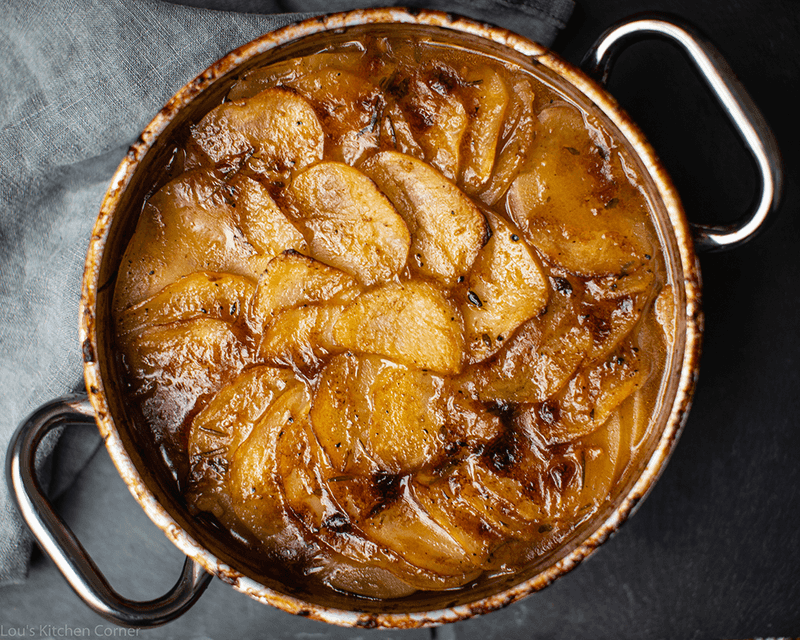
While the word “hotpot” is straightforward, the county name can trip people up. Different pronunciations exist, even within the region itself.
Locals tend to use a shorter, softer version that sounds quite natural once you hear it. The dish itself layers lamb, onions, and sliced potatoes before baking slowly.
It remains one of northern England’s most comforting traditional meals.
10. Kedgeree
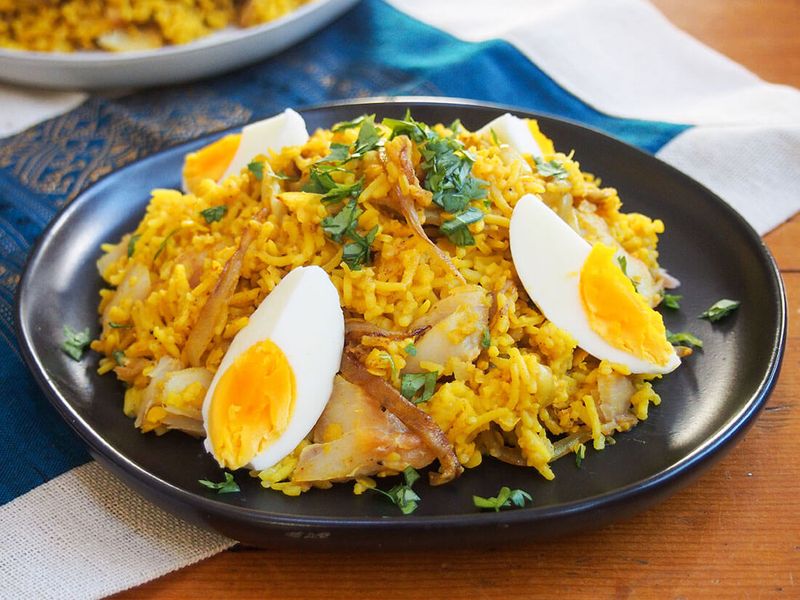
This Anglo-Indian breakfast dish confuses people with its unusual spelling. Most attempts sound like "Ked-jer-ee" or "Ked-guh-ree," but the proper pronunciation is "KEDGE-uh-ree," with the stress on the first syllable.
Kedgeree combines flaked smoked fish, rice, hard-boiled eggs, and curry spices into a warming breakfast or brunch dish. It arrived in Britain during colonial times and became a Victorian breakfast staple.
Get the pronunciation right when ordering at a traditional English breakfast spot, and you'll impress everyone around the table!