








British food habits can feel charmingly baffling to newcomers, especially when everyday routines look nothing like what they are used to back home.
Some traditions spark instant love, while others prompt raised eyebrows and plenty of curious questions at the table.
From tea habits to unexpected flavour pairings, these small customs often become memorable talking points that reveal a lot about life in Britain.
A few surprises along the way make settling into the local food culture even more entertaining.
All information is provided for general interest only. Taste, appearance, and availability may vary.
1. British Food Rules Foreigners Find Confusing
British food traditions can feel charming, puzzling, and slightly mysterious to visitors experiencing them for the first time.
Everyday habits around tea, toast, and condiments often spark curiosity, friendly debates, and plenty of amused reactions.
The next five rules are the ones that tend to cause the most confusion while people settle into British food culture.
2. Putting Milk In Tea Before Or After The Tea Bag
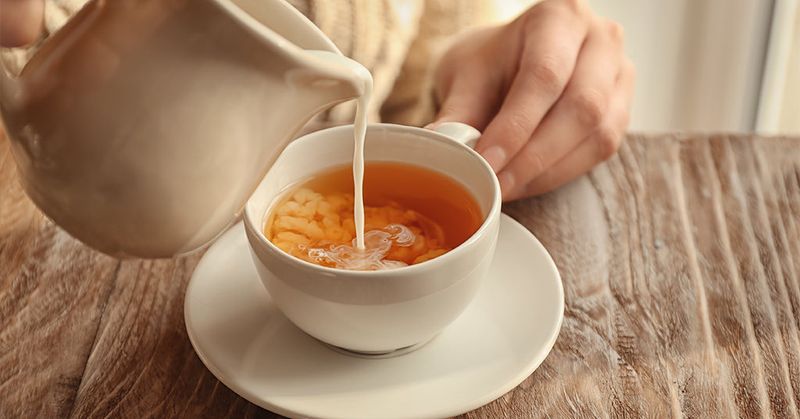
Brits take their tea seriously, and the milk debate can spark passionate discussions.
Some insist milk goes in first, whilst others firmly believe it should be added last after the tea bag steeps.
Foreigners often find this bewildering since it seems like such a minor detail.
The truth is, there's no universally correct answer, but everyone has an opinion they'll happily defend at length!
3. Buttering Bread For Almost Every Sandwich
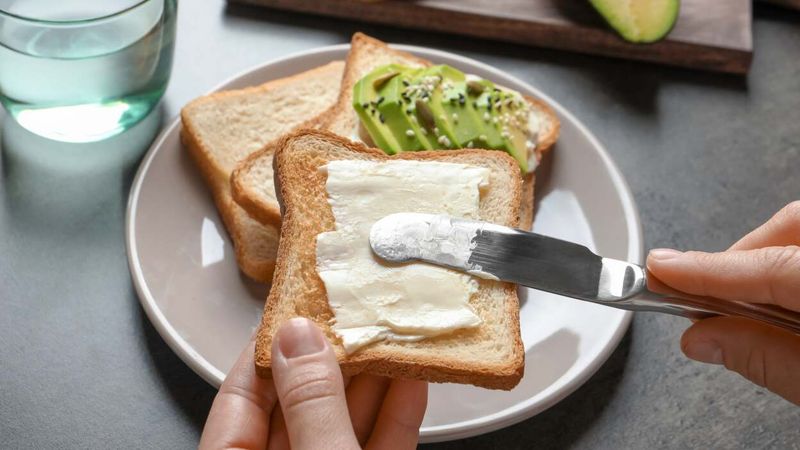
Walk into any British kitchen and you'll notice butter being spread on sandwich bread as standard practice.
It doesn't matter if the filling is already moist or rich - butter is considered essential.
Many foreigners question why you'd add butter to a sandwich with mayonnaise or other spreads.
Brits argue it adds flavour and prevents sogginess, though visitors often remain unconvinced by this reasoning.
4. Beans Served On Toast As A Regular Food
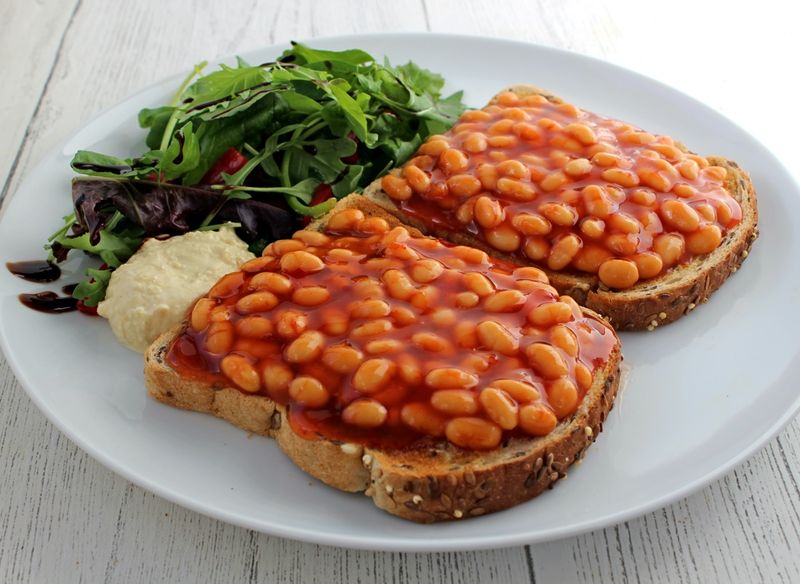
Tinned baked beans piled high on buttered toast is a British staple that appears at breakfast, lunch, or even dinner.
It's cheap, filling, and utterly beloved across the country.
Newcomers often wonder why beans belong on bread rather than as a side dish.
The combination seems odd at first, but the sweet tomato sauce soaking into warm toast creates a comfort food that's hard to explain until you've tried it properly.
5. Vinegar On Chips
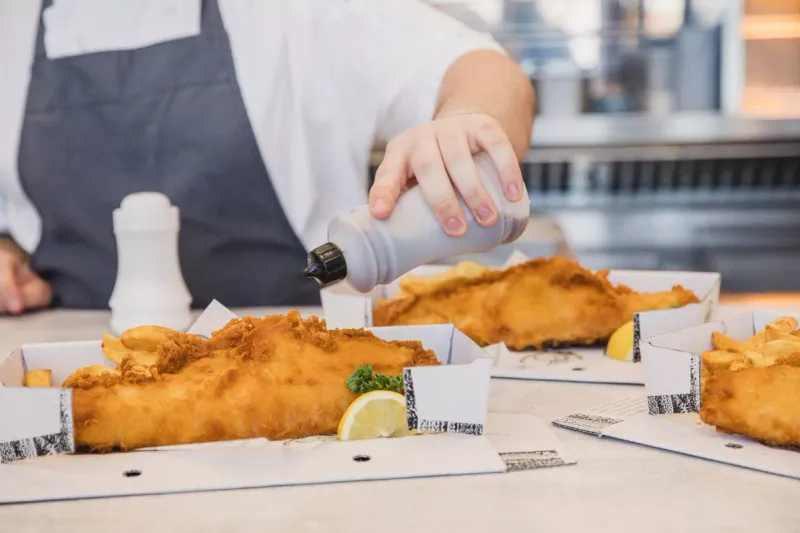
Malt vinegar is the traditional condiment for chips in Britain, with many people dousing their portions generously.
The sharp, tangy flavour cuts through the richness of fried potatoes beautifully.
Foreigners accustomed to ketchup or mayonnaise find this practice rather strange initially.
The pungent smell and sour taste take some getting used to, though Brits insist it's the only proper way to enjoy proper chippy chips fresh from the fryer.
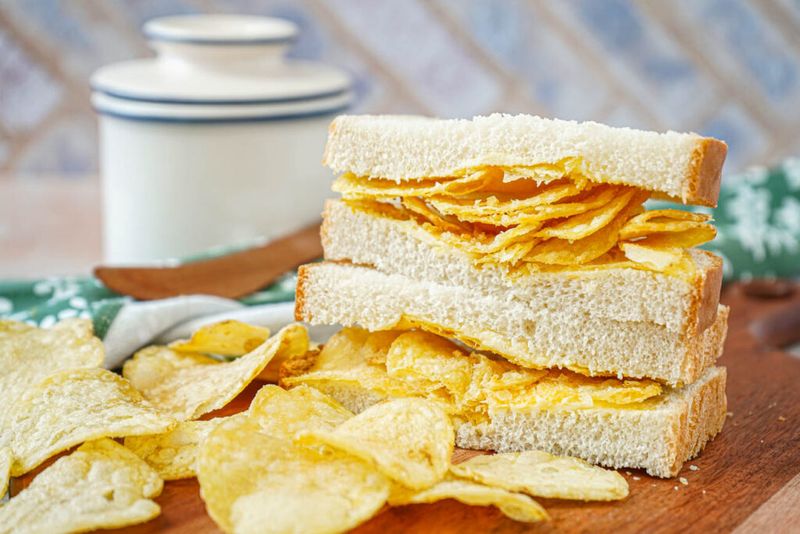
6. Crisps Inside Sandwiches
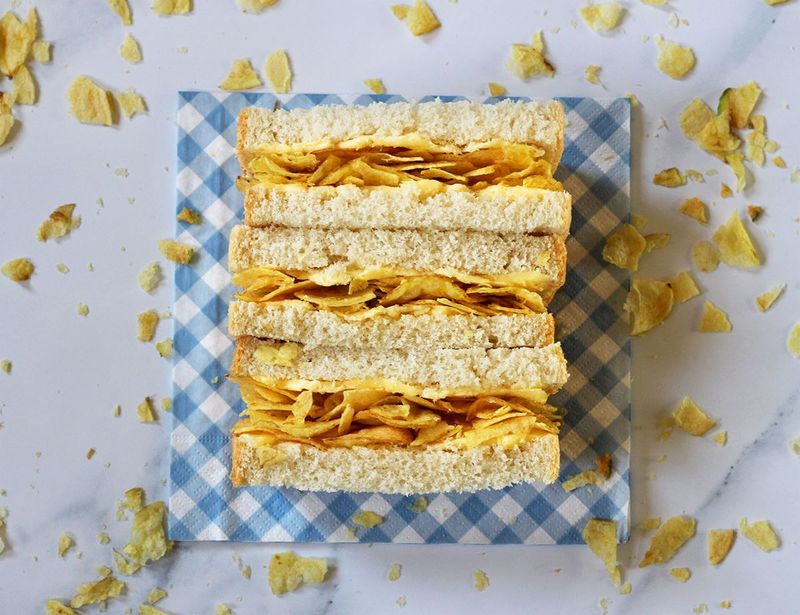
Adding a layer of crisps between sandwich fillings is a beloved British habit that creates extra crunch and flavour.
Cheese and crisp sandwiches are particularly popular, especially with ready salted or cheese and onion varieties.
This seems completely bonkers to many visitors who see crisps as a separate snack.
The texture combination feels redundant when bread already provides structure, but Brits adore that satisfying crackle with every bite.
7. British Food Rules Foreigners Quickly Embrace
Some British food habits win people over almost instantly, especially when comfort, flavour, and tradition come together.
These customs often feel cosy, satisfying, and surprisingly easy to enjoy no matter where someone comes from.
The next five rules are the ones that newcomers usually adopt with enthusiasm and keep as part of their routine.
8. Full English Breakfast
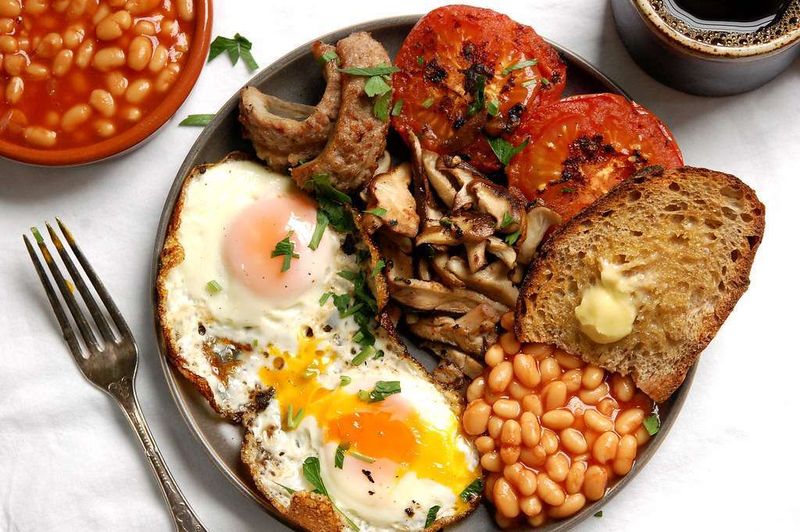
Eggs, bacon, sausages, mushrooms, tomatoes, beans, and toast all piled onto one glorious plate - this is the Full English.
It's hearty, filling, and absolutely delicious when done properly.
Foreigners quickly fall in love with this breakfast feast that keeps you satisfied for hours.
There's something wonderfully indulgent about starting your day with such variety, and most visitors find themselves craving it long after they've left Britain behind.
9. Sunday Roast With Roast Potatoes And Gravy
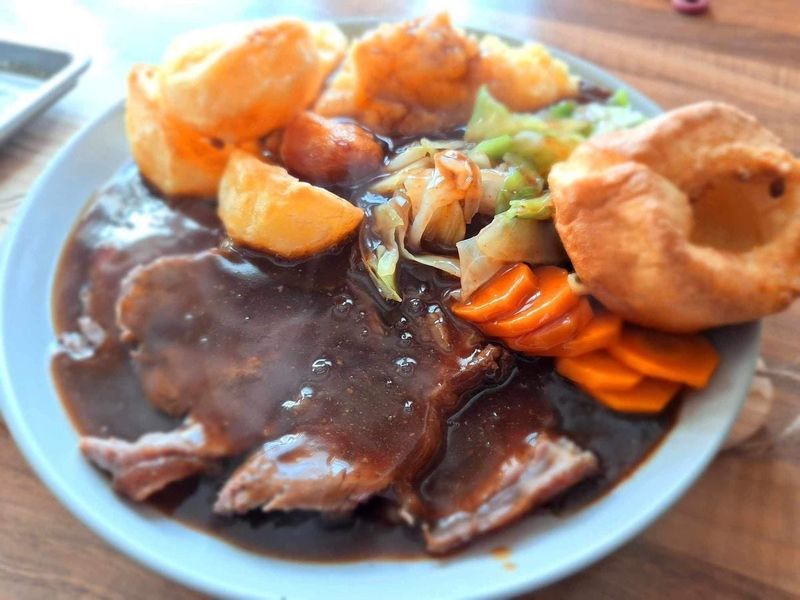
Sunday lunch featuring roasted meat, crispy potatoes, Yorkshire puddings, vegetables, and lashings of gravy is a cherished weekly tradition.
Families gather around the table for this comforting, substantial meal.
Visitors embrace this custom enthusiastically because it represents warmth, togetherness, and proper home cooking.
The combination of flavours and textures, especially those golden roast potatoes, wins hearts immediately and becomes something people genuinely miss when returning home.
10. Fish And Chips
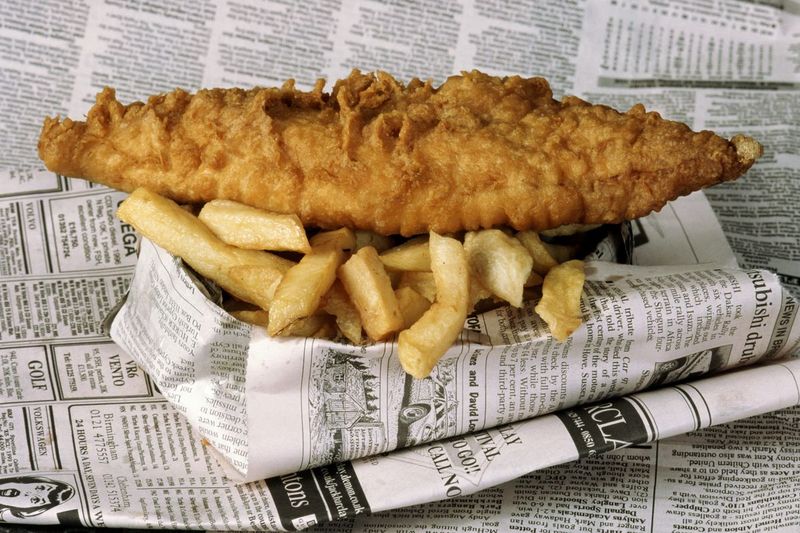
Battered fish with chunky chips wrapped in paper is iconic British takeaway fare that's been enjoyed for generations.
The crispy coating, flaky fish, and fluffy chips create perfect comfort food.
Foreigners quickly understand why this combination is so beloved - it's simple, satisfying, and tastes amazing eaten outdoors.
Whether enjoyed by the seaside or from a local chippy, this meal becomes an instant favourite that visitors actively seek out during their stay.
11. Afternoon Tea With Scones And Jam
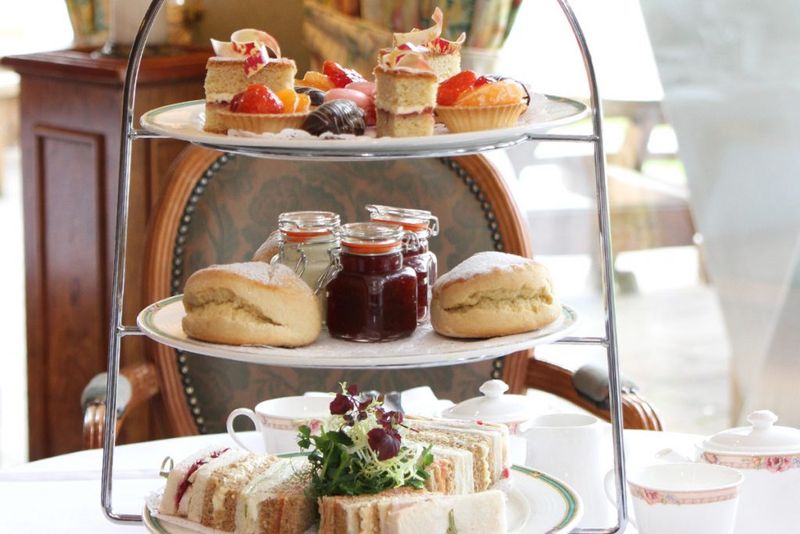
Delicate sandwiches, warm scones with clotted cream and jam, and dainty cakes served with proper tea - afternoon tea is elegance on a tiered stand.
It's a special occasion treat that feels wonderfully civilised.
Visitors adore this quintessentially British experience that combines delicious food with a sense of occasion.
The ritual of spreading cream and jam on fresh scones whilst sipping tea becomes a highlight of any trip to Britain.
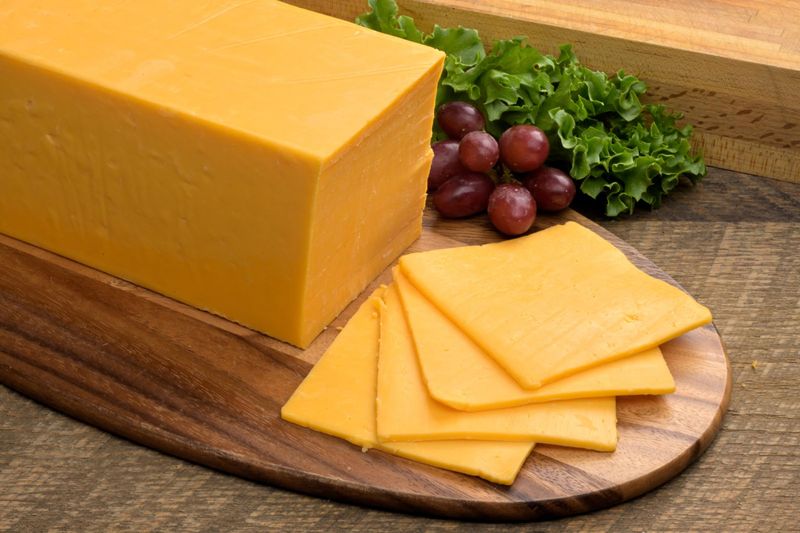
12. Cheddar Cheese In Everyday Cooking
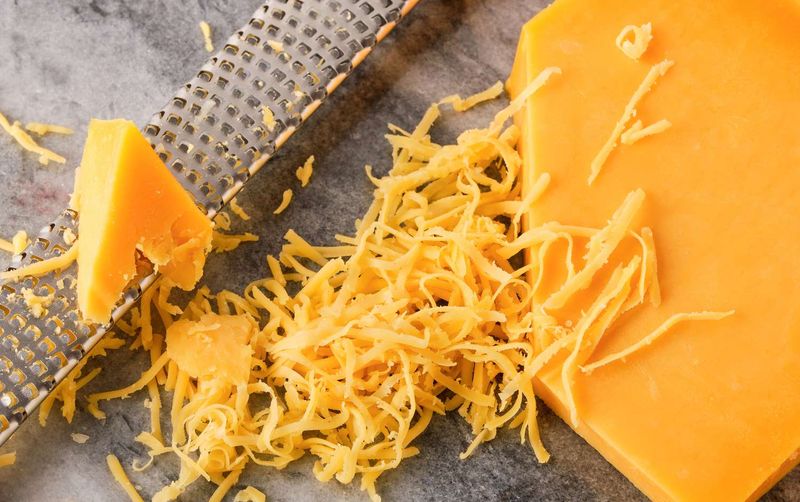
British cheddar appears in countless everyday dishes—from cheese on toast to macaroni cheese to ploughman's lunches.
Its sharp, mature flavour makes it incredibly versatile for cooking and snacking.
Foreigners quickly appreciate how this reliable cheese elevates simple meals into something special.
The quality and variety of British cheddar, from mild to extra mature, impresses visitors who find themselves incorporating it into their own cooking habits back home.