













Britain's culinary landscape is packed with dishes that leave foreigners scratching their heads in confusion. From mysterious meat concoctions to desserts with peculiar names, these foods are beloved by Brits but often bewildering to everyone else.
Take a tour through these traditional British dishes that make perfect sense to locals but leave the rest of the world utterly baffled.
1. Black Pudding
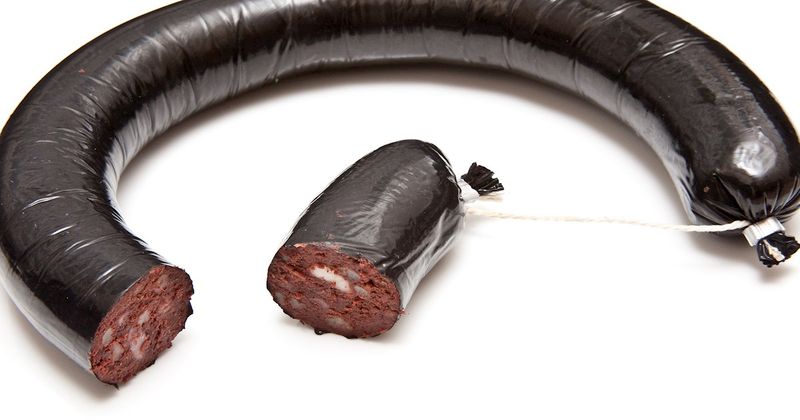
Blood sausage might sound like something from a vampire's cookbook, but it's actually a breakfast staple in parts of Britain. Made from pig's blood, fat, oatmeal, and spices, it's sliced and fried until crispy.
Part of a proper full English breakfast, this dark disc puzzles tourists who can't fathom starting their day with congealed blood.
2. Jellied Eels
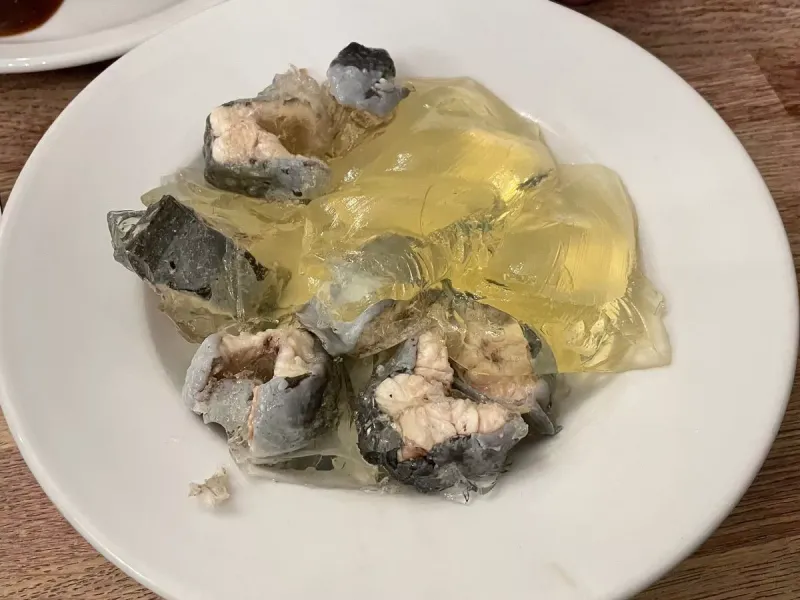
Born in the East End of London, this dish features chopped eels boiled in a spiced stock that naturally sets into a jelly when cooled. Traditionally sold in paper cones and eaten with a splash of vinegar and white pepper.
While beloved by cockney Londoners for centuries, the sight of fish suspended in wobbly, clear jelly sends most foreigners running.
3. Toad In The Hole
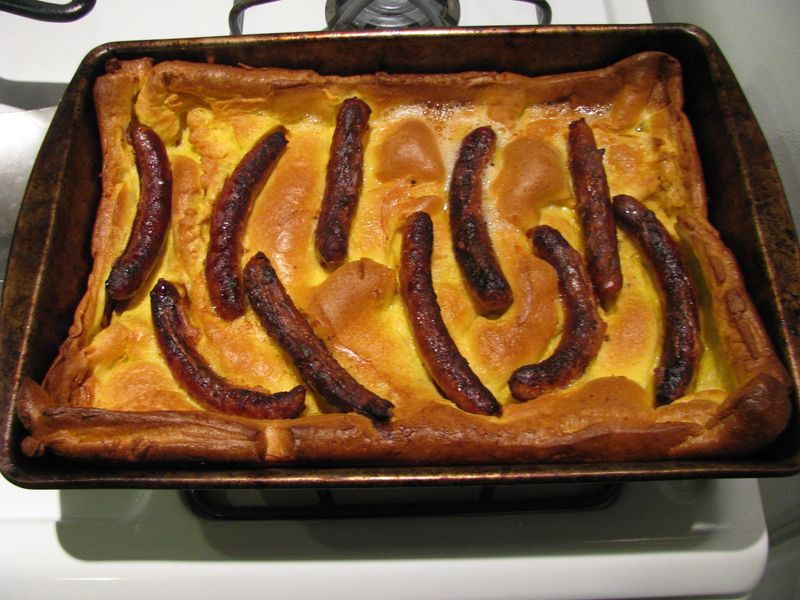
Despite its alarming name, no amphibians are harmed in the making of this comfort food. Sausages are baked in Yorkshire pudding batter until golden and puffy, creating a homely dish that's greater than the sum of its parts.
The odd name supposedly comes from how the sausages peek out of the batter, resembling toads poking their heads from holes.
4. Haggis
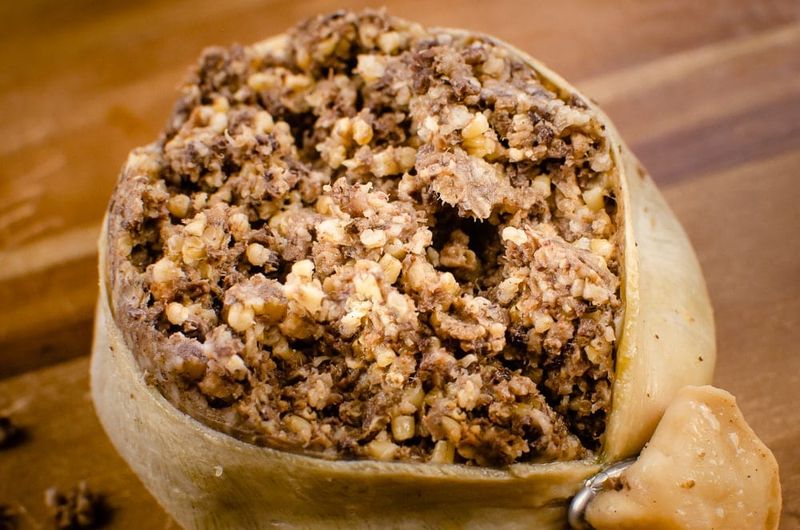
Scotland's national dish strikes fear into foreign hearts. A sheep's stomach stuffed with minced heart, liver, lungs, oatmeal, onion, and spices, then boiled for hours. Burns Night celebrations wouldn't be complete without it.
So misunderstood is haggis that Americans banned it for decades. When described to tourists, they often can't believe people voluntarily eat it!
5. Marmite On Toast
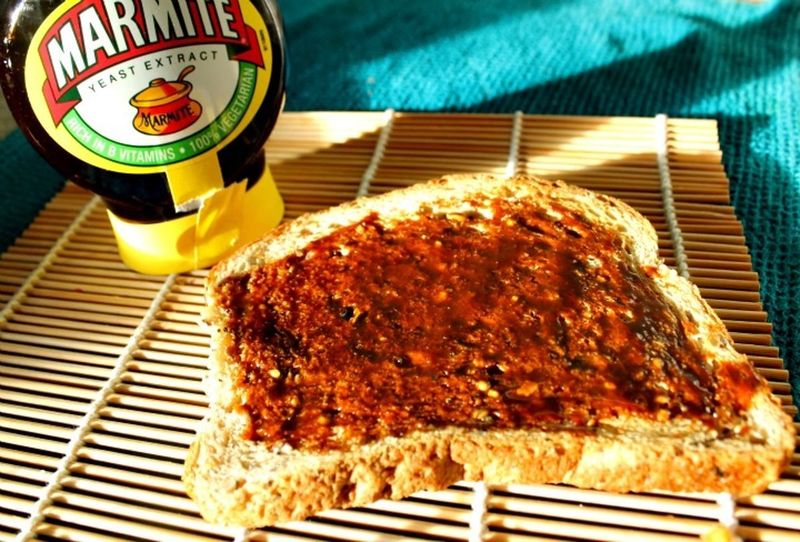
"Love it or hate it" isn't just a slogan – it's the universal truth about this sticky, dark brown yeast extract. Brits spread it thinly on buttered toast for breakfast or a snack.
The intense salty, umami flavour is divisive even among locals. Foreigners trying it for the first time often react with theatrical disgust, wondering why anyone would willingly eat what tastes like concentrated soy sauce.
6. Bubble And Squeak
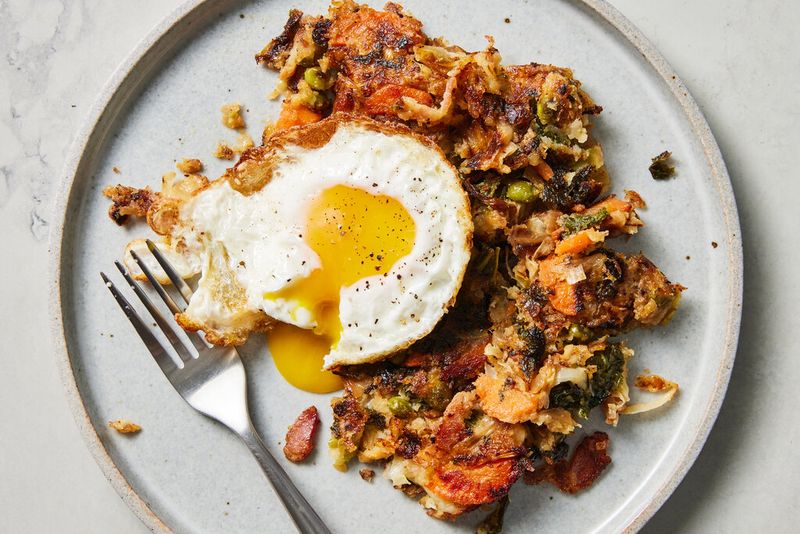
Monday's dinner table revelation uses Sunday roast leftovers. Cabbage, potatoes and whatever vegetables remain get fried together until crispy and, yes, they make bubbling and squeaking noises in the pan.
Named for the sounds it makes while cooking, this humble dish baffles foreigners who can't understand the British obsession with repurposing leftover veg into something new.
7. Stargazy Pie
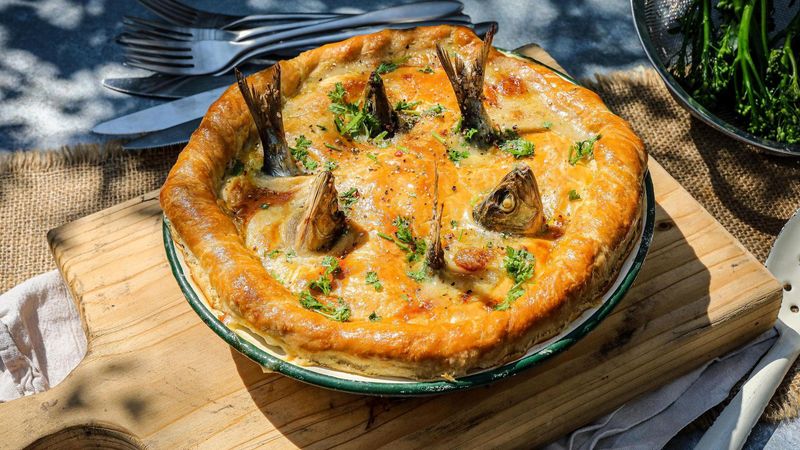
From Cornwall comes this theatrical pie where fish heads (usually pilchards) poke through the pastry crust, gazing skyward. Legend says it originated when a brave fisherman sailed during a storm to feed his starving village.
While locals celebrate this dish on Tom Bawcock's Eve, visitors find the sight of fish heads staring up from their dinner distinctly unsettling.
8. Bedfordshire Clanger
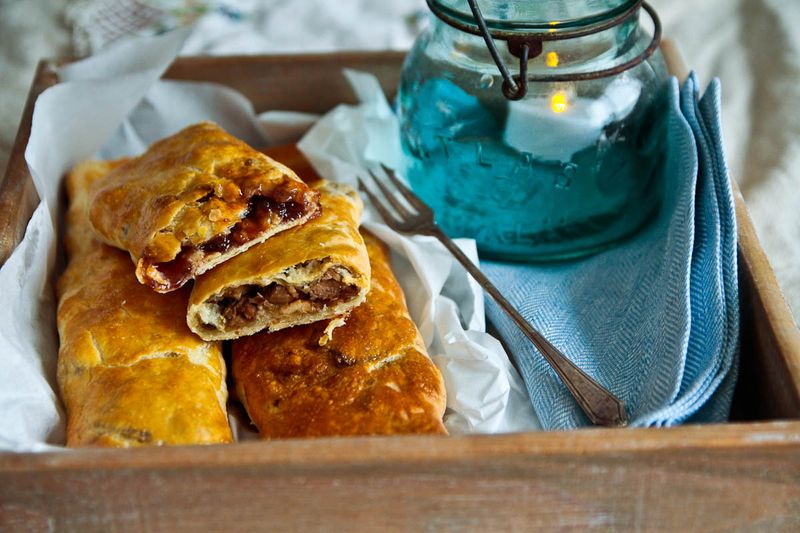
This ingenious pastry solves the main-course-and-pudding dilemma with a single item. One end contains savory meat filling, while the other holds sweet fruit – all in one elongated suet pastry.
Farm workers could eat their entire meal from one hand. The dividing dough wall between sweet and savory sections often leaks, creating flavor combinations that perplex non-Brits.
9. Chip Butty
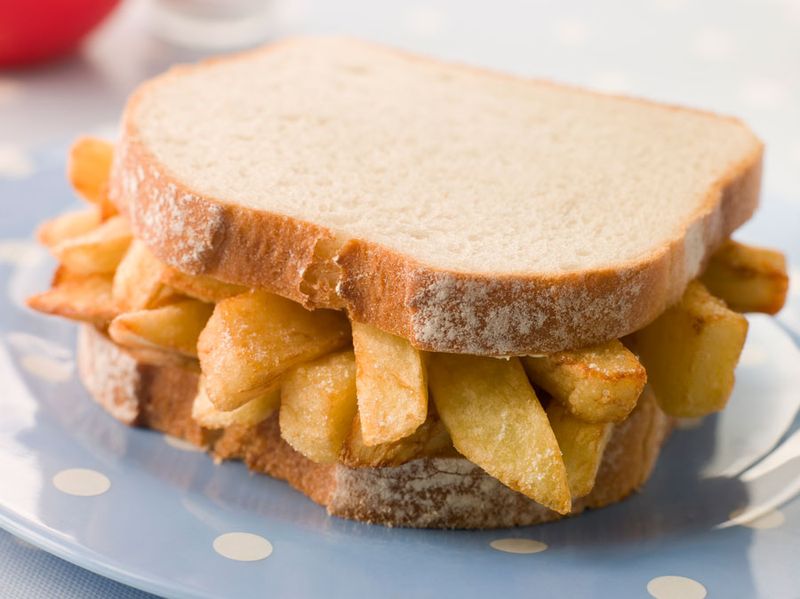
Carb-loading reaches its peak with this sandwich of chips (thick-cut fries) between two slices of buttered white bread. Sometimes enhanced with ketchup or brown sauce, it's beloved in northern England, especially Sheffield.
Football terraces and late-night kebab shops keep this tradition alive. Nutritionists worldwide gasp at this starchy monument to beige food.
10. Scotch Eggs
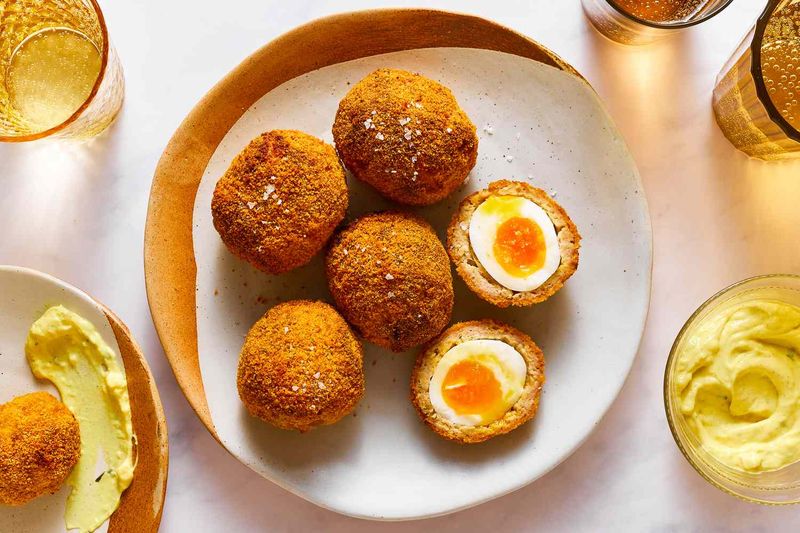
Hard-boiled eggs wrapped in sausage meat, coated in breadcrumbs, then deep-fried – picnic food doesn't get more British. Despite the name, they likely originated in London, not Scotland.
While Brits grab them for quick lunches and picnics, foreigners struggle with the concept. The combination of egg and meat in portable form seems unnecessarily complicated to those unfamiliar with British picnic traditions.
11. Bread And Dripping
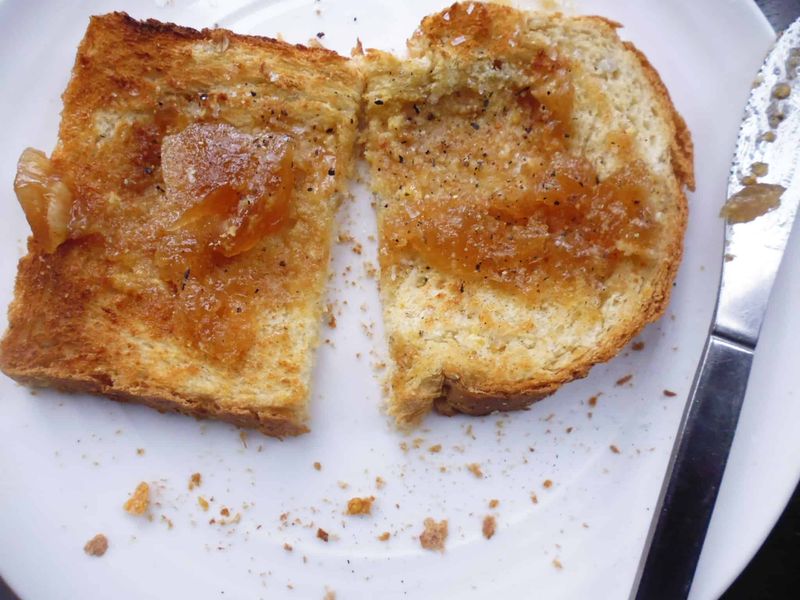
During harder times, nothing went to waste. The fat collected from roasting meat (dripping) was spread on bread, sometimes with a sprinkle of salt. The meaty, savory flavor made this a treasured treat despite its humble origins.
Modern visitors recoil at the thought of spreading animal fat on bread, but older Brits still reminisce about this simple delicacy.
12. Mushy Peas
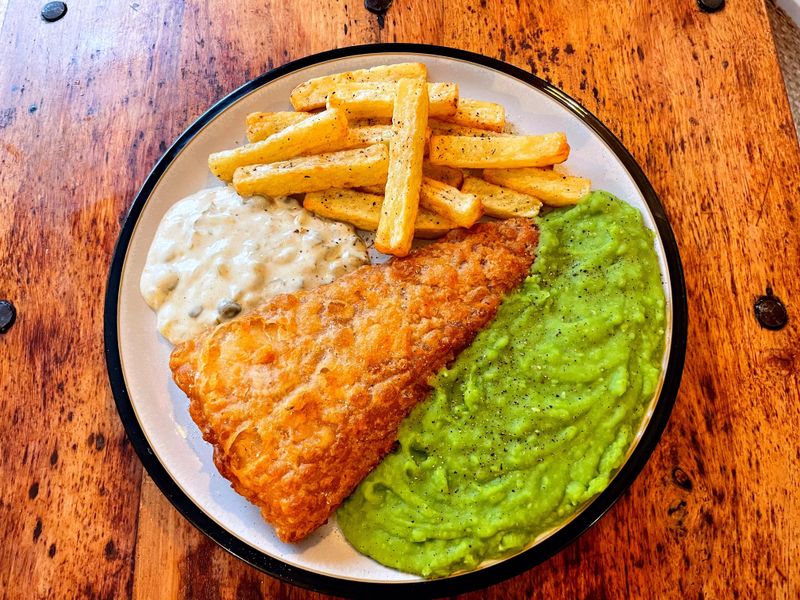
These bright green, mint-flavored mashed marrowfat peas are the non-negotiable companion to fish and chips in northern England. Their vibrant color comes naturally from the peas, though chip shops sometimes enhance it.
The sloppy texture and vivid hue cause considerable alarm to first-time visitors. Americans often mistake them for guacamole, leading to a shocking taste surprise!
13. Pork Pie
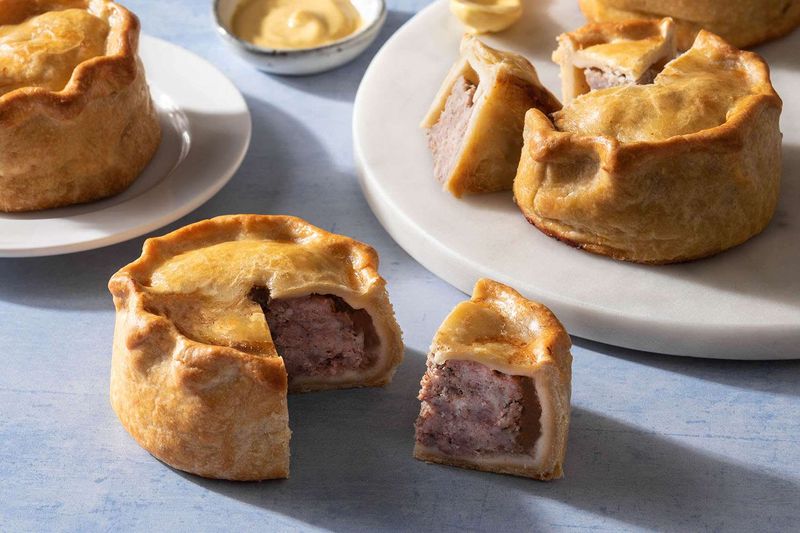
Cold meat encased in hot water crust pastry with a distinctive layer of jelly between the two. The Melton Mowbray variety is the most famous, protected by geographical status like champagne.
The peculiar room-temperature serving and mysterious meat jelly layer make foreigners deeply suspicious. Yet for Brits, a picnic without these dense, savory treats is hardly worth having.
14. Laverbread
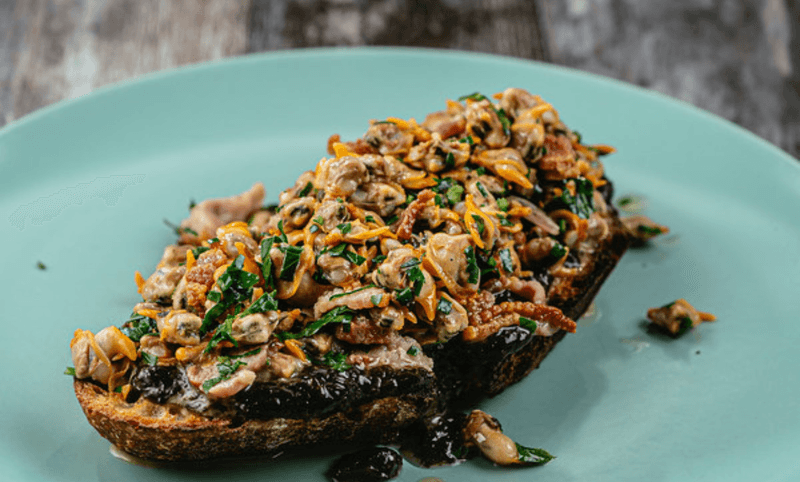
Welsh coastal communities have long harvested seaweed, boiled it for hours, and minced it into a green-black paste called laverbread. Often rolled in oatmeal and fried, then served with cockles and bacon for breakfast.
The slimy texture and strong marine flavor make perfect sense to Welsh seaside dwellers but cause immediate regret for unprepared tourists trying to be adventurous.
15. Jam Roly-Poly
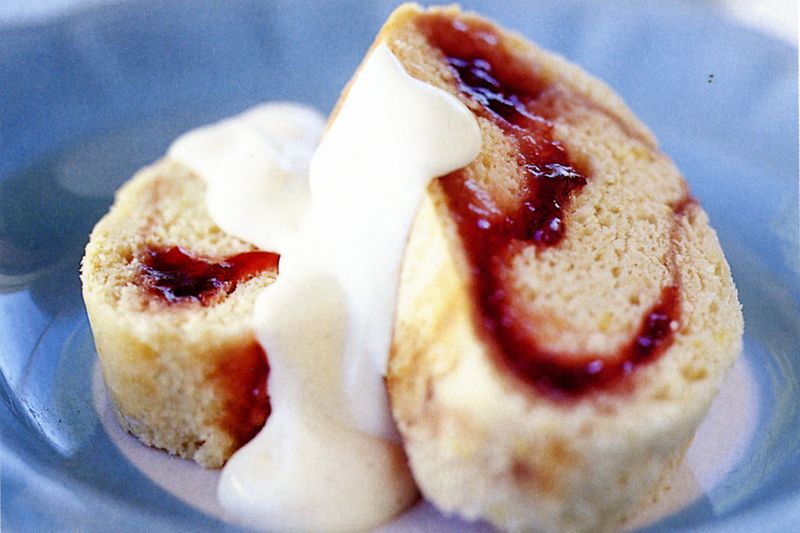
Nicknamed "dead man's arm" for its appearance, this suet pudding is spread with jam, rolled up, and traditionally steamed in an old shirt sleeve. School dinner memories come flooding back for Brits at the mention of this stodgy dessert.
The dense, heavy nature of this pudding and its gruesome nickname puzzle outsiders who prefer lighter desserts.
16. Liver And Onions
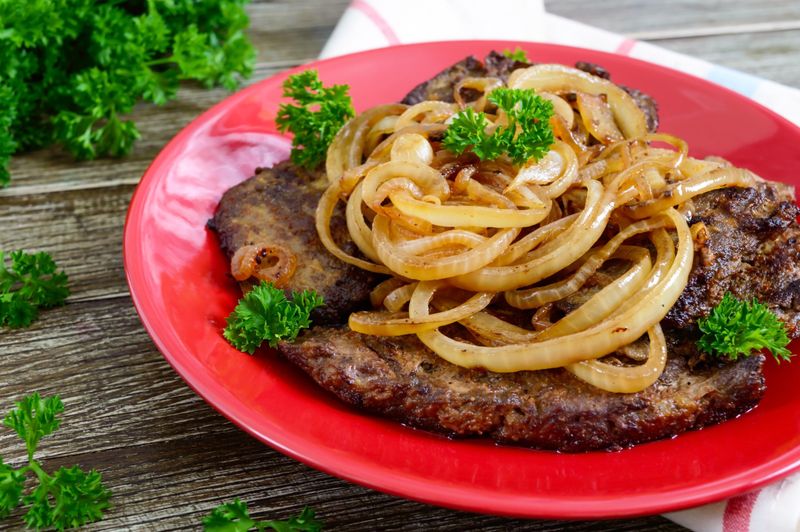
Once a weekly fixture on British dinner tables, this simple dish of fried liver smothered in onion gravy remains divisive even among locals. The strong, mineral flavor of liver paired with sweet onions creates a distinctive taste experience.
Foreigners struggle with the soft texture and distinctive organ meat flavor. Yet this affordable dish sustained generations of working-class families.
17. Cockles
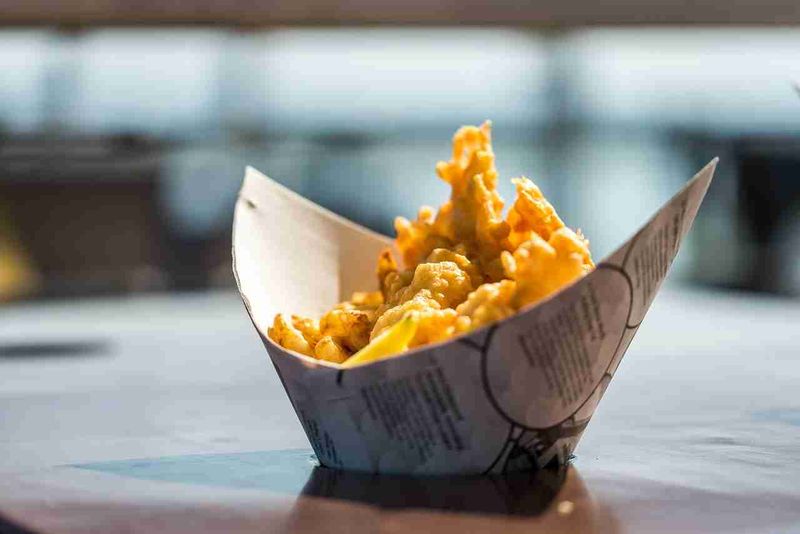
These small, heart-shaped shellfish are gathered from British beaches and typically eaten with vinegar from paper cones at seaside stalls. The salty, chewy morsels have sustained coastal communities for centuries.
While Mediterranean countries understand shellfish appreciation, many visitors find the British way of eating these plain with vinegar rather primitive compared to their own seafood preparations.
18. Kedgeree
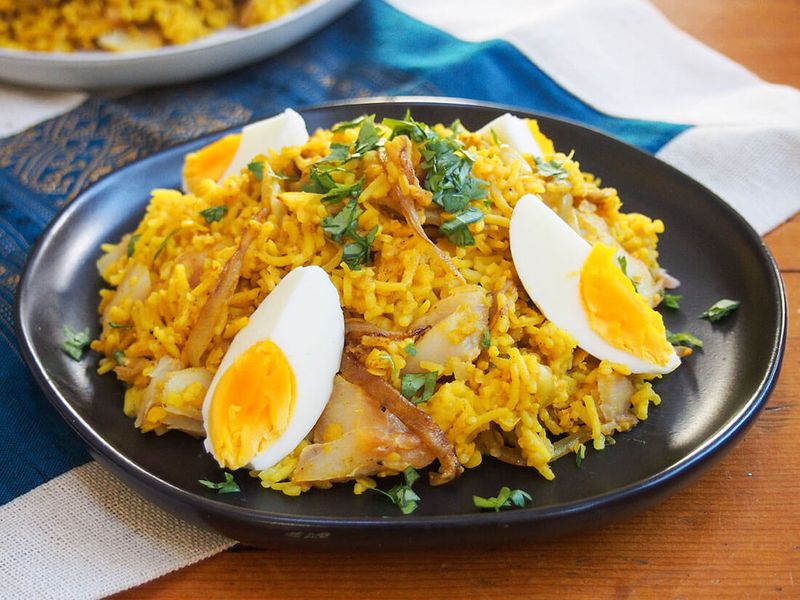
A curious Anglo-Indian breakfast dish born during colonial times. Flaked smoked fish (usually haddock) mixed with rice, hard-boiled eggs, curry powder, and parsley creates a morning meal that crosses continents.
The idea of curry-flavored fish for breakfast confounds most non-Brits. Yet this dish gracefully bridges the gap between British and Indian cuisine in a way that makes perfect historical sense.
19. Brawn
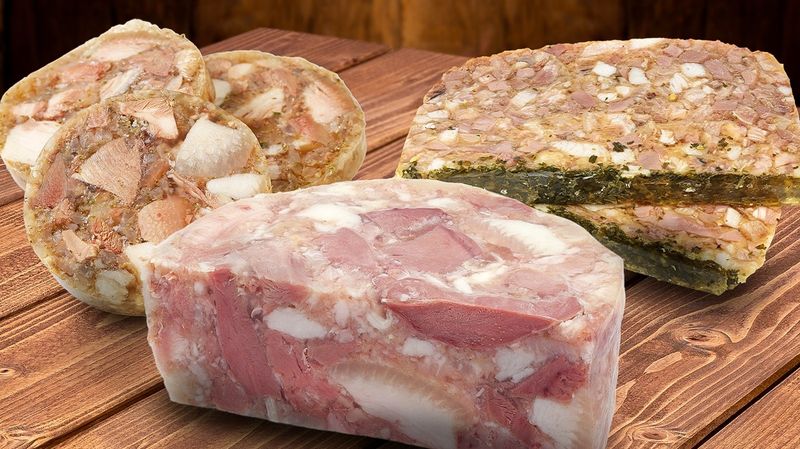
A forgotten delicacy made from a pig's head boiled until the meat falls off, then set in its own jelly with herbs and spices. Sliced cold and often eaten with piccalilli, it was once a staple of British charcuterie.
The very concept of head cheese, as it's sometimes known, horrifies the uninitiated. Yet nothing demonstrates traditional British thrift better than this use of every part of the animal.
20. Potted Shrimps
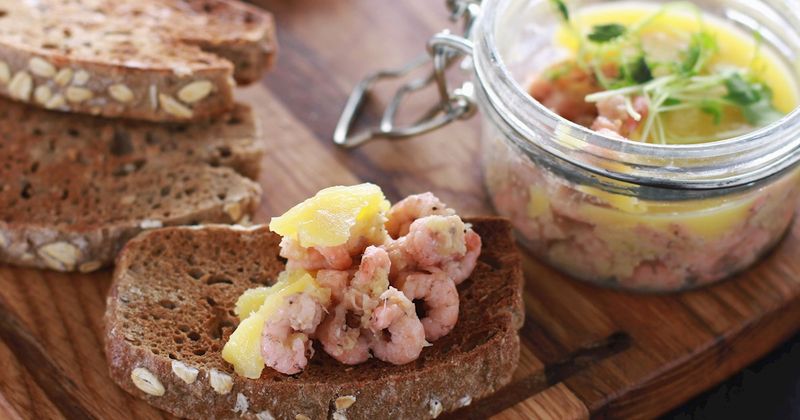
Brown shrimps from Morecambe Bay are cooked, peeled, and preserved in spiced butter. Served cold and spread on toast, this delicacy dates back to days before refrigeration when butter acted as a preservative.
The concept of tiny shrimps suspended in a solid block of seasoned butter baffles international visitors. For Lancashire locals, however, these represent the taste of the seaside.
21. Bread Sauce
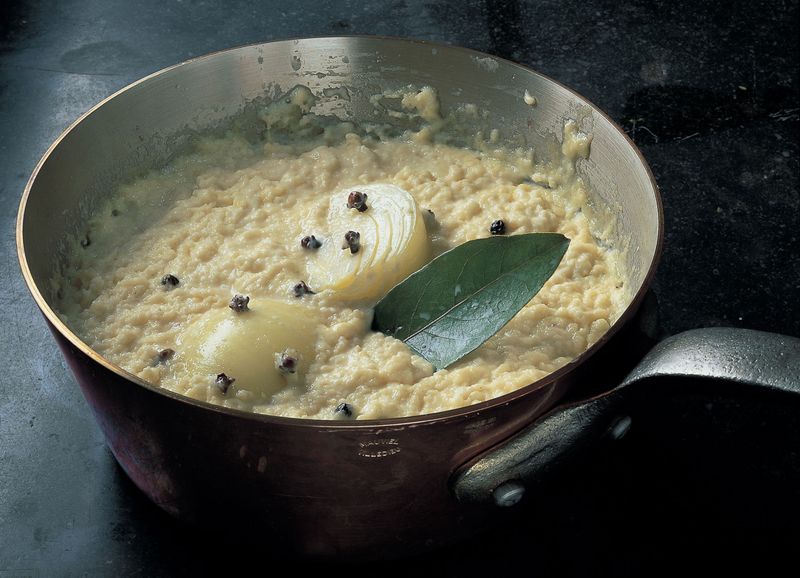
Christmas dinner wouldn't be complete without this medieval sauce made from bread crumbs steeped in milk with onion, cloves, bay leaf, and nutmeg. The pale, lumpy appearance masks its subtle, comforting flavor.
Foreigners cannot comprehend why Brits would soak bread in milk and call it sauce. Yet this ancient accompaniment to roast chicken or turkey persists as a beloved tradition.
22. Welsh Rarebit
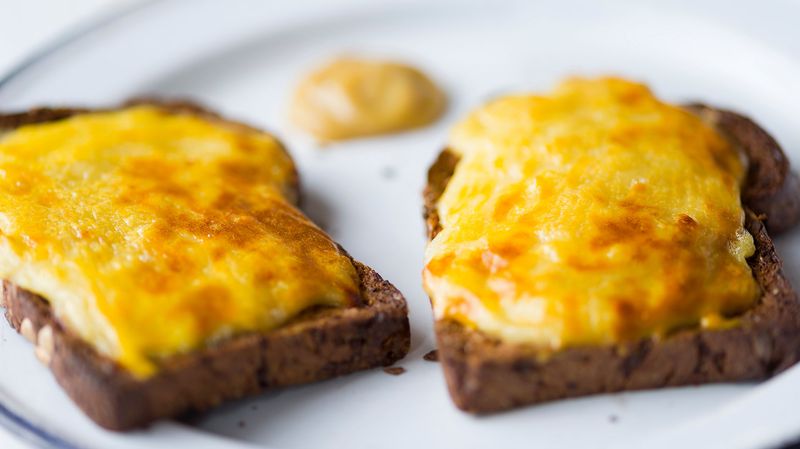
Far more than just cheese on toast, this savory treat involves a complex cheese sauce with mustard, Worcestershire sauce, and often beer. The mixture gets poured over bread and grilled until bubbling and golden.
Originally called 'Welsh rabbit' as a joke about Welsh poverty (cheese instead of meat), the name evolved over time. Americans simplified it to 'cheese toast,' missing the rich, boozy complexity.




Comments
No Comments