






British cuisine can be a mystery to visitors seeing it for the first time. From savoury puddings to sauces with curious names, many traditional dishes leave tourists more puzzled than peckish. Yet behind these oddities lies centuries of history, humour, and hearty flavour that define British comfort food at its best.
This article is for general informational and entertainment purposes only. Regional recipes and ingredients may vary across the UK, and individual tastes differ. Photos are for illustrative purposes, and dishes may appear differently depending on preparation and location.
1. Yorkshire Pudding
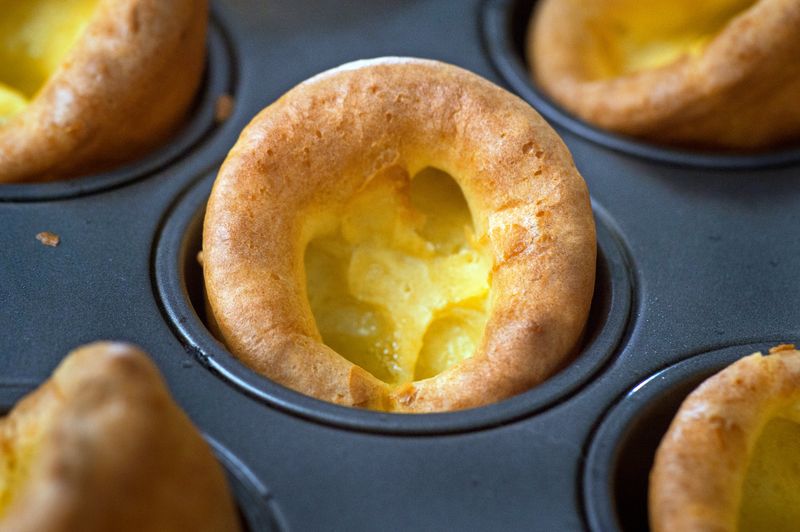
The word “pudding” throws visitors off straight away - they expect something sweet, not a savoury baked batter served with roast beef. Made from eggs, flour, and milk, Yorkshire pudding puffs up in the oven to form crisp, golden cups perfect for holding gravy.
Tourists often mistake it for a dessert until the first bite reveals its rich, savoury flavour. What began as a thrifty way to stretch a Sunday roast is now one of Britain’s most beloved side dishes.
2. Suet Pudding
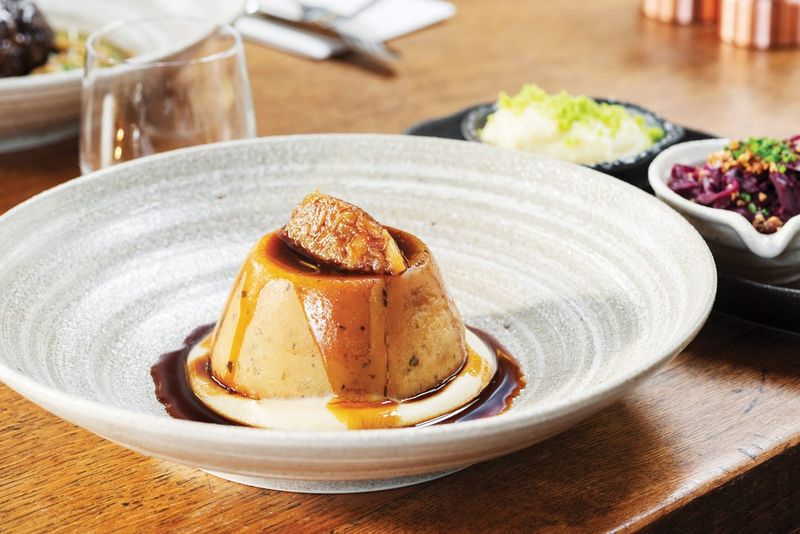
Tourists often expect a sweet dessert when they hear “pudding,” but suet pudding can be either savoury or sweet - and that’s where the confusion begins. Made from shredded beef or mutton fat mixed with flour and steamed until dense, it was once a staple of working-class Britain. Versions range from hearty steak and kidney pudding to syrupy spotted dick.
The idea of cooking with animal fat leaves many visitors uneasy, yet it’s this rich ingredient that gives the dish its signature fluffy texture.
3. Black Pudding
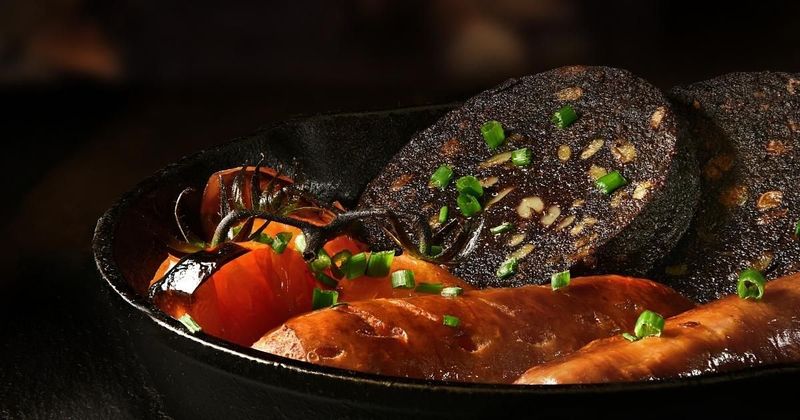
Americans recoil when they learn what's in black pudding – blood sausage sounds terrifying! Made from pork blood, fat, and oatmeal, it's sliced and fried until crispy on the outside. Part of a proper English breakfast, this dark disc adds rich, earthy flavour to your morning fry-up.
Far from scary, it's packed with iron and protein, making it oddly nutritious despite its vampire-repelling ingredients.
4. Jellied Eels
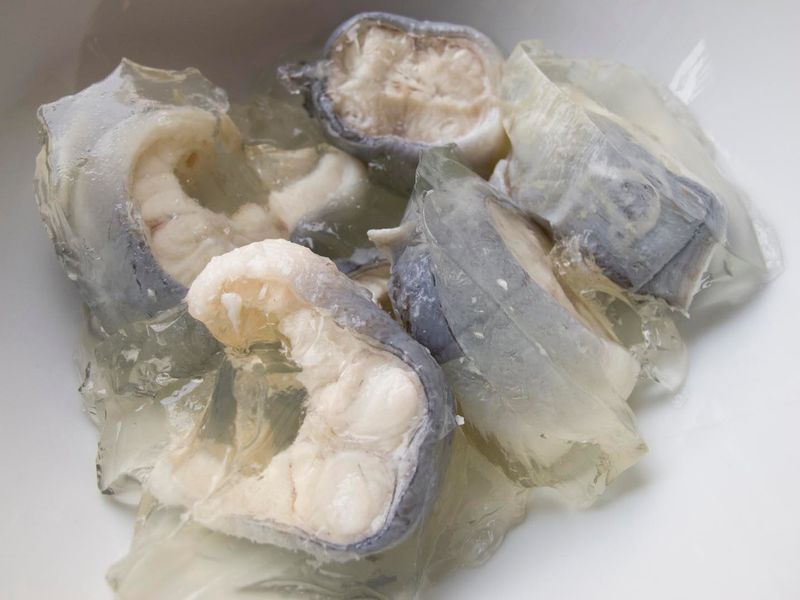
London's East End specialty that makes tourists squirm. Chopped eels boiled in a spiced stock that naturally sets into a jelly when cooled. Served cold with vinegar and white pepper. Born from necessity in Victorian London when eels from the Thames were cheap protein for working-class families.
The wobbly texture and fishy flavour create an experience most visitors struggle to appreciate, while cockneys queue up for this traditional treat.
5. Pease Pudding
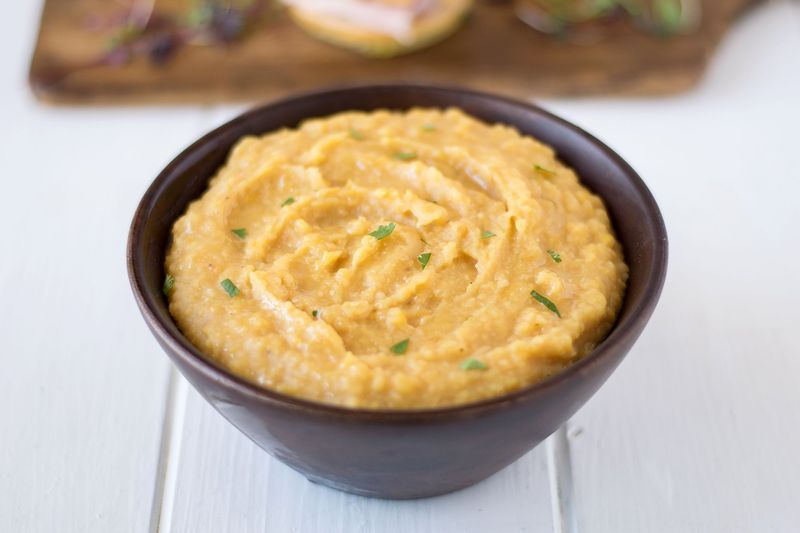
Tourists often assume it’s a sweet dish because of the word “pudding,” but pease pudding is savoury through and through. Made from boiled yellow split peas mashed with butter, salt, and sometimes a hint of mustard, it’s a North East staple typically served with ham or bacon.
The dense, porridge-like texture and mild flavour leave many visitors scratching their heads - but locals swear by it as hearty and satisfying.
6. Haggis
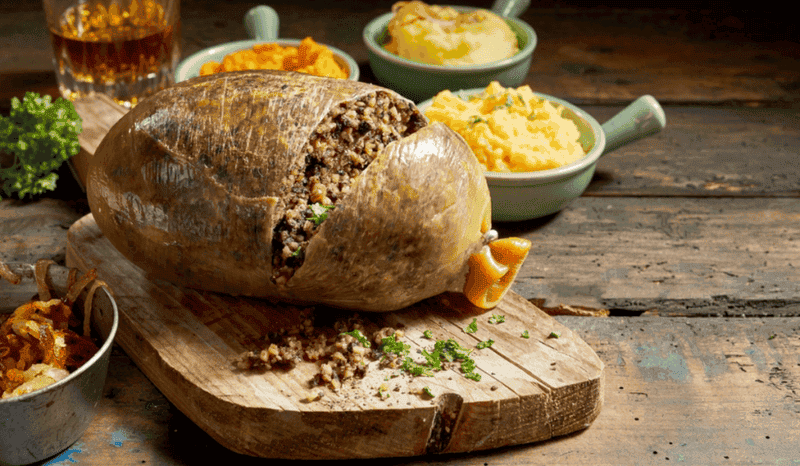
Scotland's national dish sends shivers down tourists' spines. Sheep's heart, liver and lungs minced with onion, oatmeal and spices, all stuffed inside a sheep's stomach and boiled. Sounds revolting? Many visitors refuse to try it, missing out on the peppery, nutty flavour that pairs brilliantly with neeps and tatties (turnips and potatoes).
Burns Night suppers wouldn't be the same without a ceremonial slicing of this misunderstood delicacy.
7. Toad In The Hole
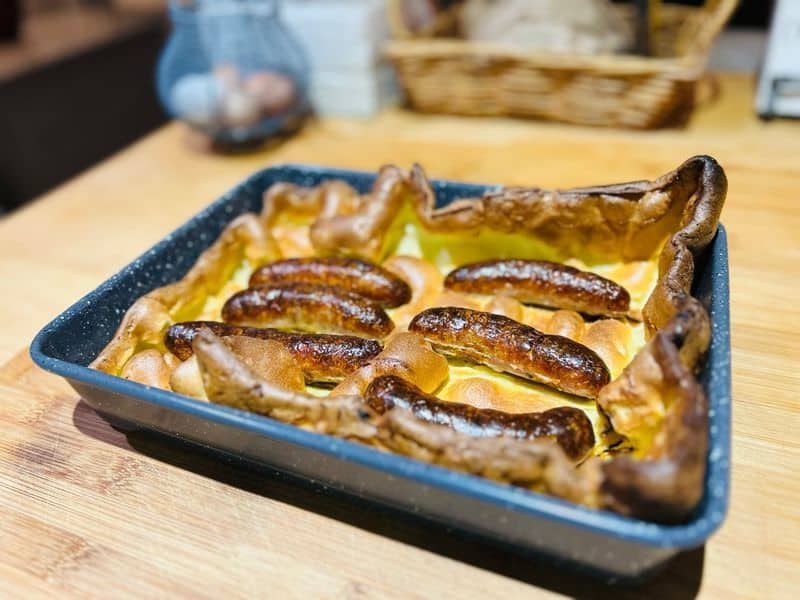
No amphibians are harmed in the making of this dish! Sausages baked in Yorkshire pudding batter create a comforting meal that confuses visitors with its peculiar name. The origin story involves sausages poking through batter resembling toads peeking from holes.
Drowned in onion gravy, it's the epitome of British stodge. Tourists expect something exotic based on the name but find homely comfort food instead.
8. Chip Butty
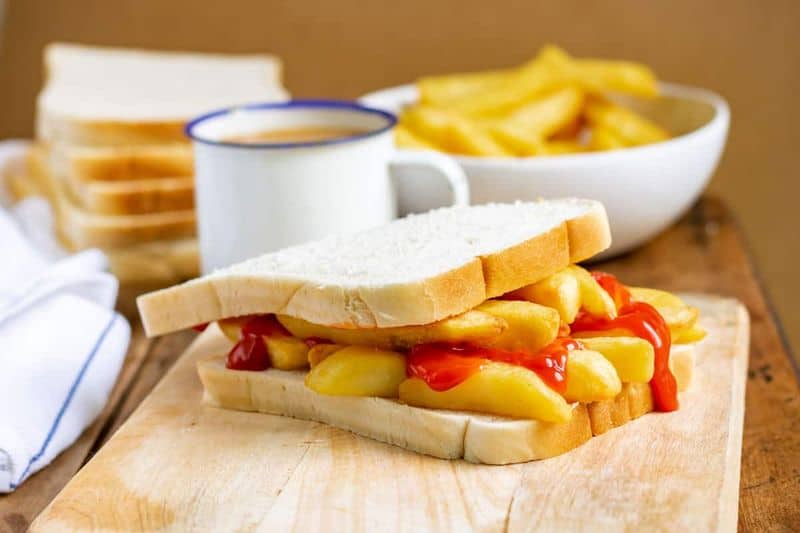
Carbs on carbs – a concept that baffles health-conscious visitors. This northern working-class staple is simply hot chips (thick-cut fries) stuffed between buttered white bread. Sometimes enhanced with ketchup or brown sauce, the chip butty represents British simplicity at its finest.
The soft bread, melting butter and crispy-yet-fluffy chips create a heavenly combination that's perfect after a night at the pub.
9. Stargazy Pie
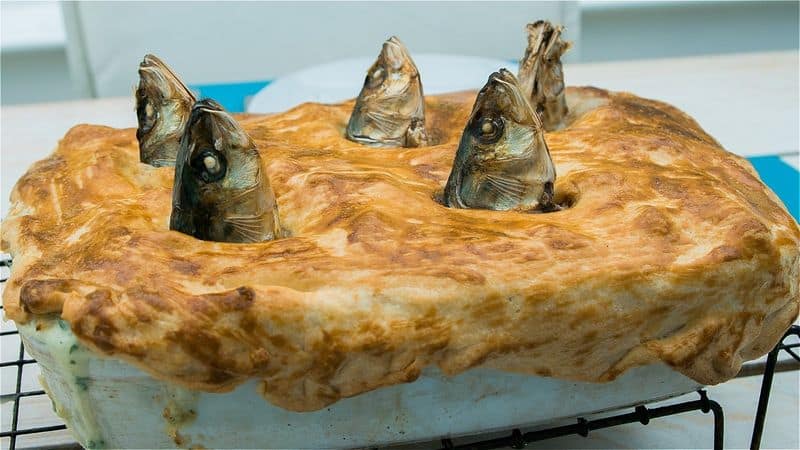
Cornwall's bizarre fish pie features whole pilchards with their heads poking through the pastry, gazing at the stars. Tourists often recoil at these fish faces staring back from their dinner. The unusual presentation comes from a legend about a brave fisherman who saved his village from starvation.
Inside, you'll find potatoes, eggs and bacon swimming in a creamy sauce with the fish. It's theatrical, traditional and totally baffling to outsiders.
10. Bubble And Squeak
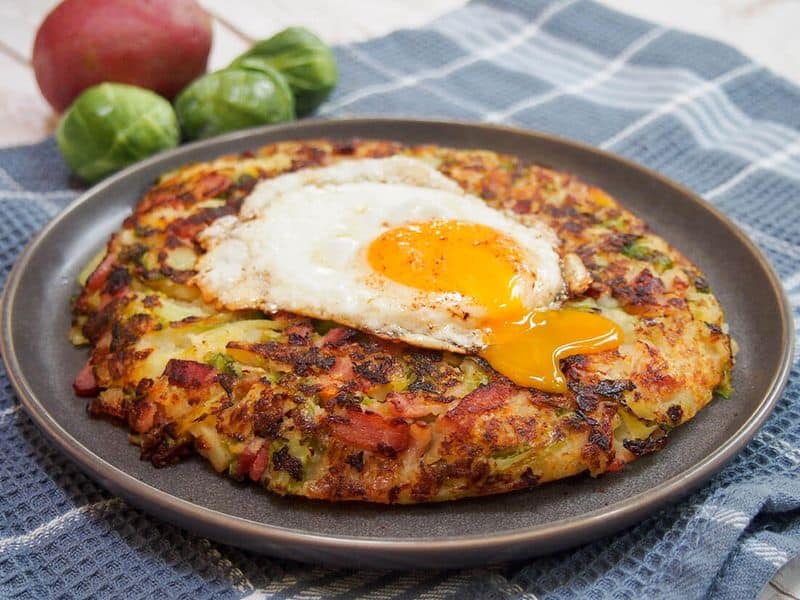
Leftover vegetables from Sunday roast, fried until crispy – hardly sounds appetising to visitors expecting sophistication. Named for the bubbling and squeaking sounds it makes while cooking. Typically featuring mashed potato and cabbage formed into patties, it's British thriftiness on a plate.
What tourists miss is the magical transformation of mundane leftovers into something greater than the sum of its parts, especially topped with a fried egg.
11. Bedfordshire Clanger
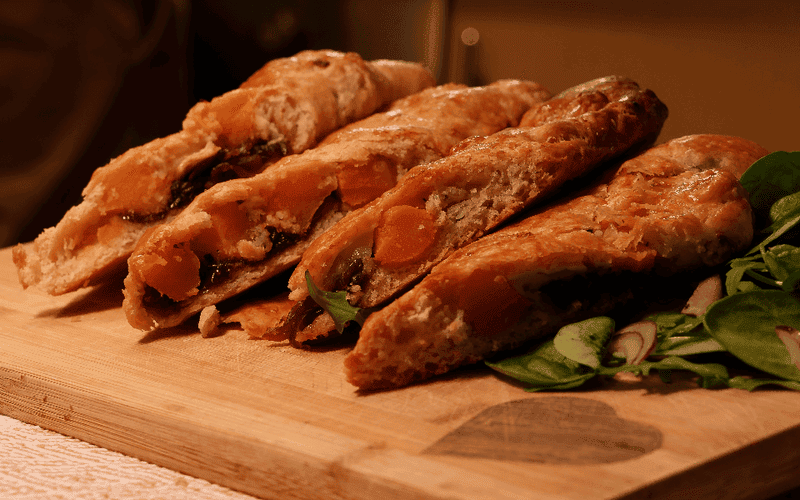
A peculiar pastry that can't decide if it's main course or pudding. One half contains savoury meat and vegetables, while the other holds sweet jam or fruit – separated by a doughy wall in the middle. Farm workers carried these all-in-one meals to the fields, eating them cold for lunch.
Modern tourists find the concept of mixing sweet and savoury in one pastry completely bizarre, but it's ingenious British practicality at work.
12. Scotch Egg
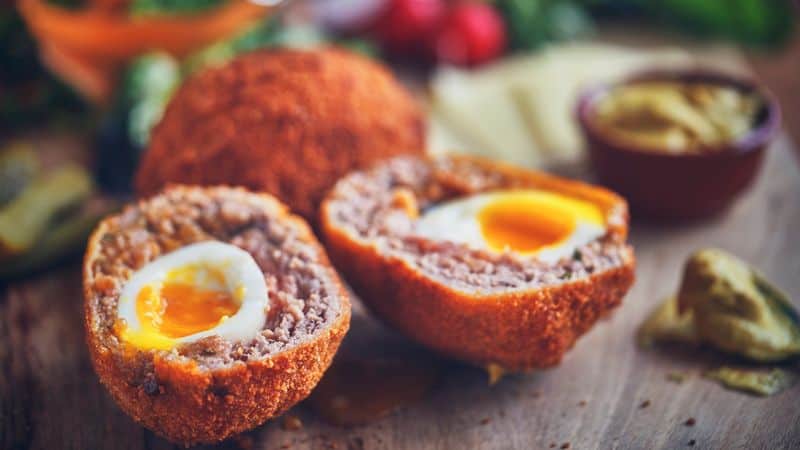
A hard-boiled egg wrapped in sausage meat, coated in breadcrumbs and deep-fried – not exactly what tourists expect from Scottish cuisine (despite the name, it's not Scottish at all). Created by London department store Fortnum & Mason in the 1700s as a portable snack.
Now found in pubs nationwide, with gourmet versions featuring runny yolks. Foreigners often struggle with the concept of eating eggs cold, missing out on this perfect picnic food.
13. Mushy Peas
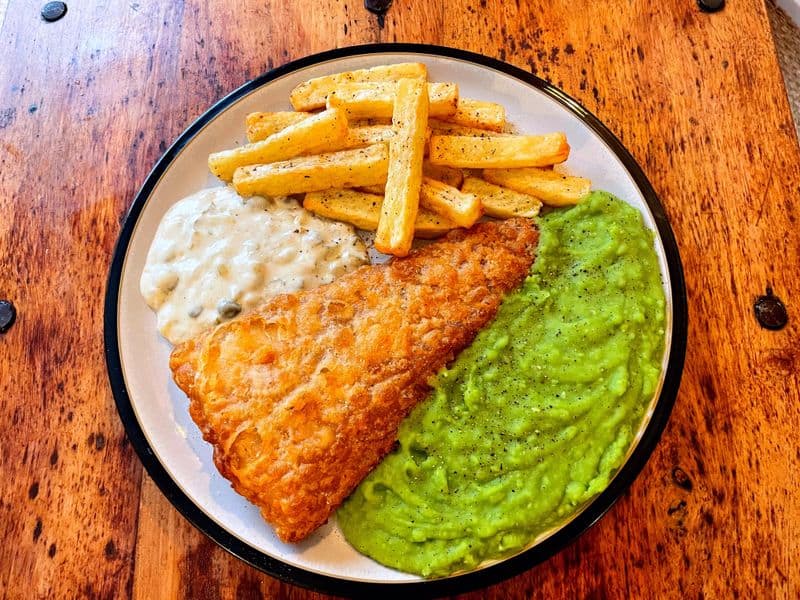
The vibrant green mush alongside fish and chips puzzles tourists who expect garden peas. These are marrowfat peas cooked until they break down into a thick, mint-flavoured paste. A northern staple that's gradually spread nationwide, mushy peas provide the essential vegetable component to Britain's favourite takeaway.
The texture is what throws visitors – neither solid nor liquid, but a comforting stodge that perfectly complements the crispy batter of fish.
14. Bread And Butter Pudding
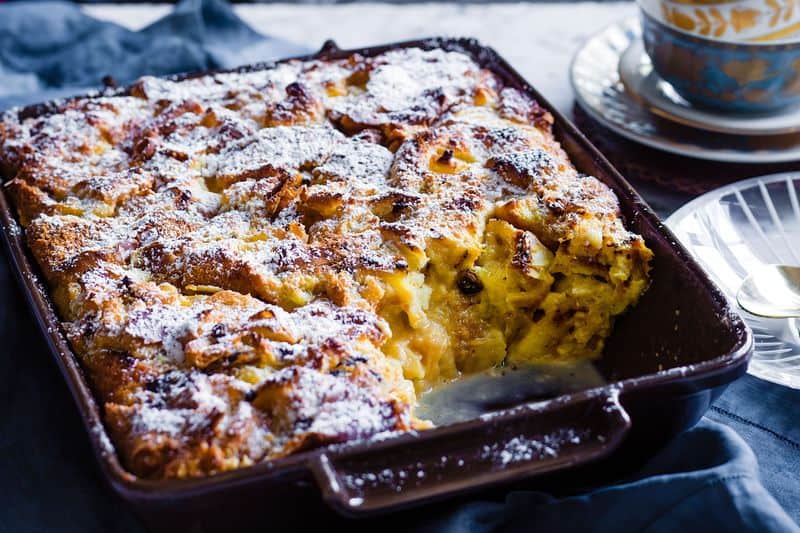
Stale bread soaked in custard hardly sounds appetising to tourists expecting fancy desserts. Yet this humble pudding transforms leftover bread into comfort food magic. Layers of buttered bread, studded with raisins, soaked in vanilla custard and baked until golden.
Born from frugality in times when nothing was wasted, it's now served in upscale restaurants with fancy twists. The simple ingredients belie the comforting, nostalgic flavour that makes Brits misty-eyed.
15. Welsh Rarebit
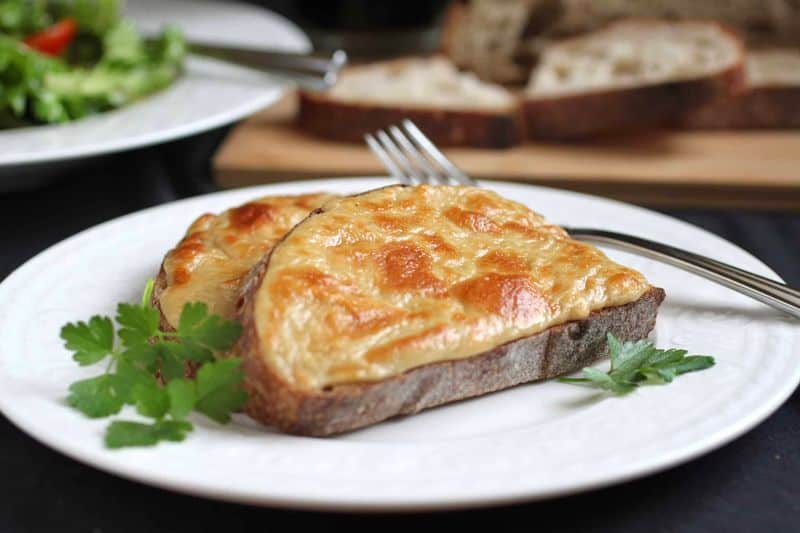
Foreigners expect rabbit when they order Welsh Rarebit, only to receive fancy cheese on toast! This misleading name (originally 'rabbit') causes confusion in pubs nationwide. Far more than just melted cheese, proper rarebit involves a rich sauce of cheddar, beer, mustard and Worcestershire sauce, grilled until bubbling.
A humble dish elevated to an art form, it showcases Welsh cheese at its finest while leaving tourists wondering where the meat went.
16. Pork Pie
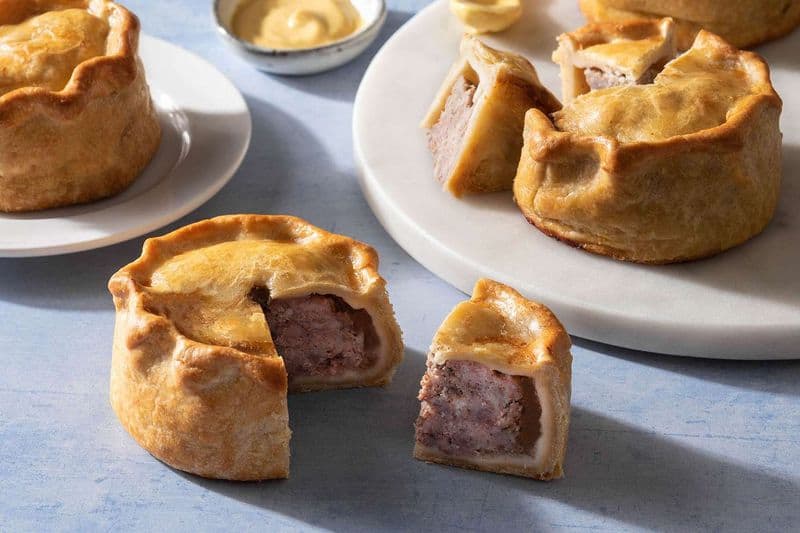
Cold meat encased in thick pastry with a mysterious jelly layer – not what most visitors consider appetising. The sturdy Melton Mowbray pork pie has remained unchanged for centuries. The peculiar jelly (technically aspic) forms when the meat juices cool between the pork and pastry.
Eaten with pickle or mustard, it's a British picnic essential. Tourists struggle with both the concept of cold pie and the wobbly jelly layer that Brits find perfectly normal.
17. Laverbread
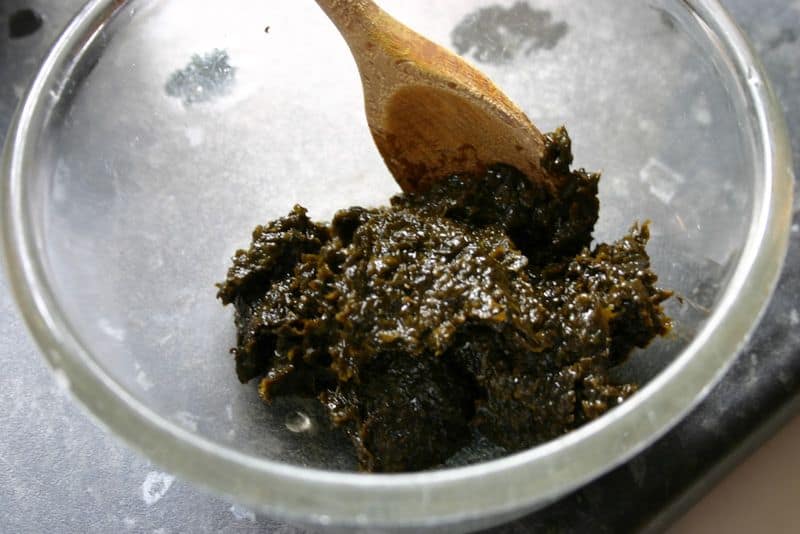
Welsh delicacy that horrifies seaweed-averse tourists. Despite the name, there's no bread involved – just seaweed collected from rocky shores, boiled for hours until it becomes a dark green paste. Traditionally mixed with oatmeal and fried, then served with bacon and cockles for breakfast.
Packed with nutrients, it's sometimes called "Welsh caviar" though it looks nothing like the luxury item. The slimy texture and strong taste of the sea makes most visitors pull faces.
18. Beans On Toast
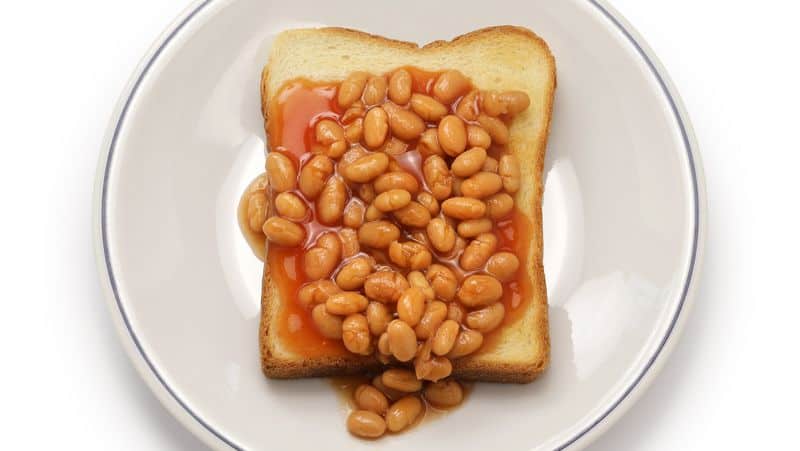
Americans find it bizarre that Brits pour tinned beans onto toast for a meal. This simple comfort food is a national institution – quick, cheap and cheerful. Navy beans in tomato sauce (usually Heinz) heated and poured over buttered toast. Sometimes topped with grated cheddar for luxury.
University students survive on it, children love it, and adults turn to it when cooking feels too much effort. Visitors expect complexity where Brits celebrate simplicity.
19. Eccles Cake
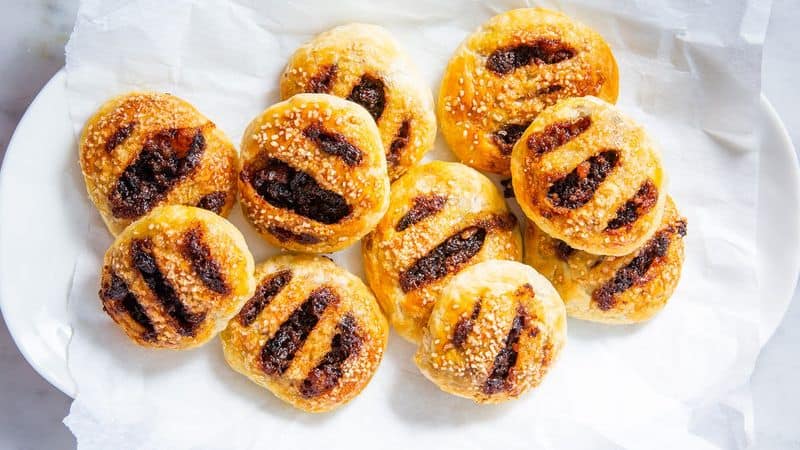
Not actually a cake, which confuses tourists immediately. These flaky pastry discs from Lancashire are filled with currants and spices, then baked until golden and sprinkled with sugar. Dating back to the 1700s and named after the town of Eccles, they were once banned by Puritans for being too delicious!
Often served with Lancashire cheese – a sweet-savoury combination that baffles visitors but delights locals who appreciate the contrast of sharp cheese with sweet fruit.
20. Kedgeree
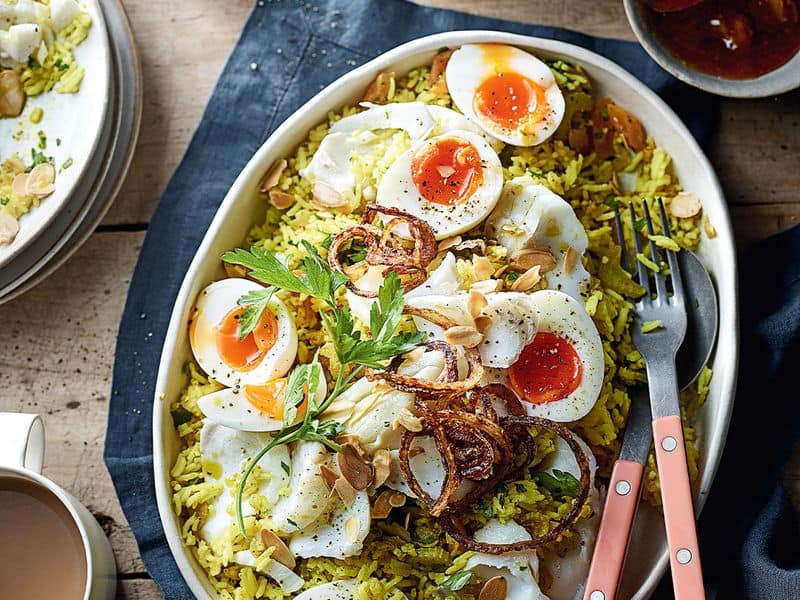
Smoked fish, rice and eggs for breakfast? Tourists are baffled by this Anglo-Indian dish that's a remnant of the British Empire. Brought back from India by colonial servants, it combines flaked smoked haddock, boiled rice, hard-boiled eggs, curry powder and butter.
Once a Victorian breakfast staple, now more commonly served for brunch or dinner. The combination of fish and egg in the morning remains particularly perplexing to visitors.