Dark chocolate is often chosen in baking for its more pronounced cocoa flavour and lower sweetness compared with milk chocolate. In many traditional British recipes, this balance can complement richer ingredients such as butter, dried fruit, and spices without overwhelming them.
With 1 February marking National Dark Chocolate Day, it is a fitting time to consider how using darker chocolate can subtly change the character of familiar bakes, particularly for those who prefer deeper flavours in everyday home baking.
This content is provided for general interest only. Taste preferences, ingredient availability, and results may vary depending on brands and recipes used. Images are for illustrative purposes only.
Chocolate Brownies
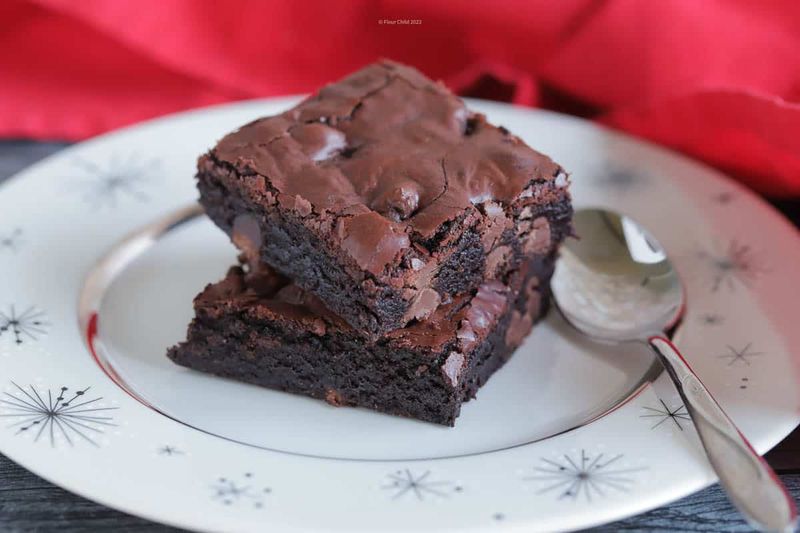
Dark chocolate turns brownies from sweet treats into something seriously indulgent. The intense cocoa flavour cuts through the sugar and butter, creating that perfect balance between fudgy richness and deep chocolate taste.
You get a more sophisticated flavour profile that doesn't leave you feeling overwhelmed after one square.
The bitterness also enhances the texture, giving you those coveted crispy edges whilst keeping the middle delightfully gooey. Whether you follow Delia's oil-based method or James Martin's double chocolate approach, dark chocolate ensures your brownies stay moist for days without becoming cloying.
Chocolate Tiffin
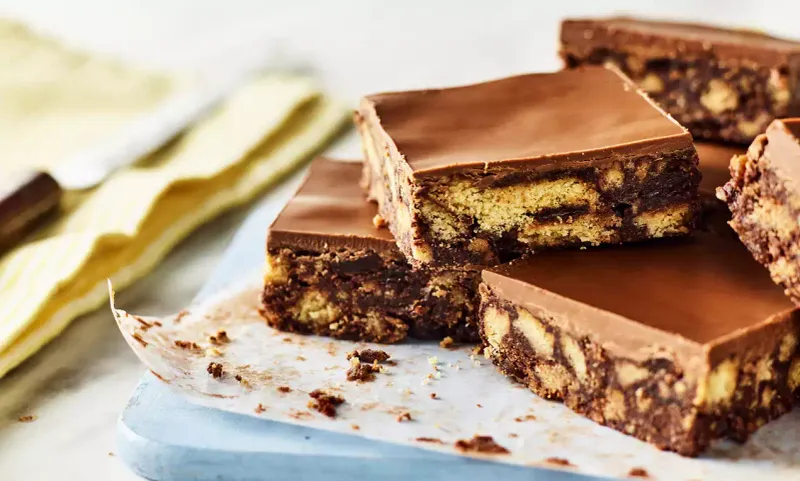
Tiffin benefits massively from dark chocolate's grown-up edge. This no-bake classic combines crushed digestive biscuits with dried fruit and syrup, all held together with melted chocolate.
Using dark chocolate prevents the whole thing from becoming tooth-achingly sweet, especially when you consider how much sugar is already lurking in those biscuits.
The slight bitterness also plays beautifully against the chewy raisins and crunchy biscuit pieces. Mary Berry's version proves that dark chocolate creates a firmer set too, making it easier to slice into neat squares without everything crumbling apart in your hands.
Chocolate Orange Loaf Cake
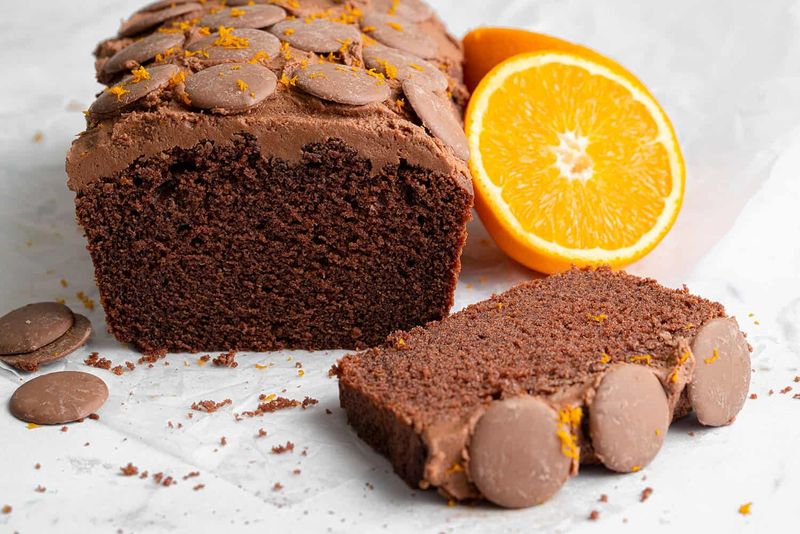
Orange and dark chocolate are proper mates in the flavour department. The citrus brightness needs that intense cocoa bitterness to create balance, otherwise you end up with something that tastes more like a chocolate bar than a proper cake.
Dark chocolate lets the orange zest really sing through without getting lost in sweetness.
This combination works particularly well in a dense loaf cake format. The moisture from the chocolate keeps the crumb tender for days, whilst the orange oil adds freshness that prevents it feeling heavy.
Perfect with a morning cuppa or afternoon tea.
Chocolate Shortbread
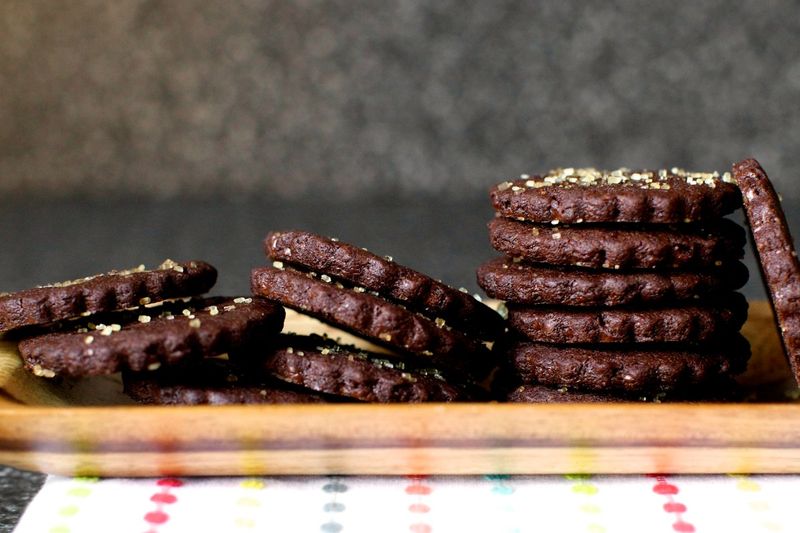
Shortbread is all about butter, and dark chocolate knows how to handle it. Adding cocoa powder from dark chocolate to traditional shortbread dough creates an incredibly rich biscuit that doesn't taste greasy or one-note.
The chocolate's complexity stands up to all that butter, creating something far more interesting than your standard teatime treat.
Dark chocolate also provides a lovely colour contrast against the pale dough. You get these gorgeous deep brown biscuits that snap cleanly when you bite them, with just enough bitterness to stop them feeling too indulgent, even though they absolutely are.
Chocolate Bread And Butter Pudding
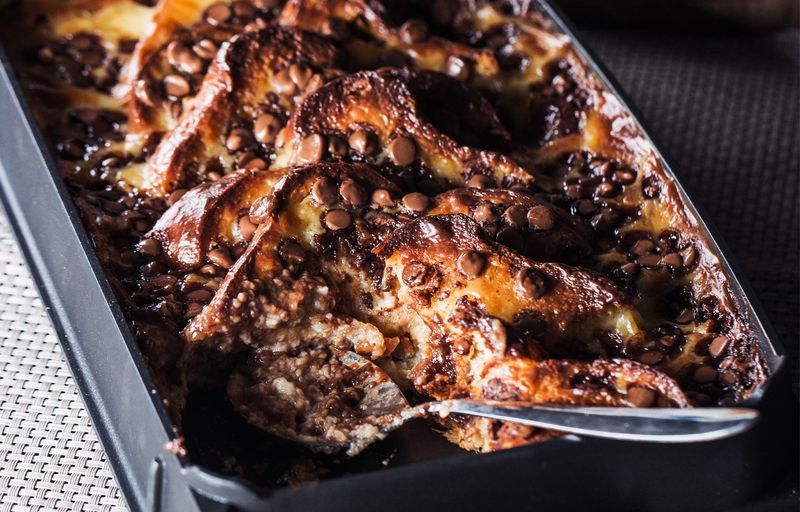
Bread and butter pudding gets a proper makeover with dark chocolate. This classic comfort pudding traditionally relies on dried fruit for flavour, but chunks of dark chocolate melted into the custard create pockets of intense richness throughout.
The slight bitterness cuts through the cream and eggs beautifully, preventing the whole thing from becoming too heavy.
Dark chocolate also holds its shape better during baking than milk chocolate. You get these lovely molten pools of chocolate rather than everything dissolving into sweet mush.
Serve it warm with the chocolate still gooey for maximum impact.
Chocolate Traybake Cake
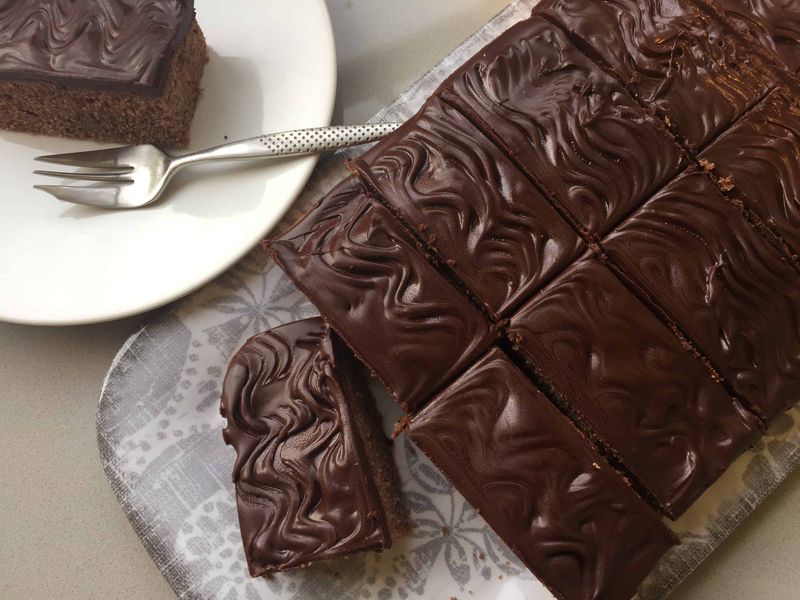
Traybakes need to feed a crowd without sending everyone into a sugar coma, which is where dark chocolate proves its worth. The deeper flavour means you can use less icing whilst still delivering proper chocolate satisfaction.
Nobody feels shortchanged, and you avoid that sickly sweet aftertaste that cheaper milk chocolate often leaves behind.
Dark chocolate also creates a more stable ganache topping that sets beautifully without going grainy. Whether you're making Mary Berry's version or your own family recipe, the result is a cake that travels well, cuts cleanly, and actually tastes better the next day.
Chocolate Chip Scones
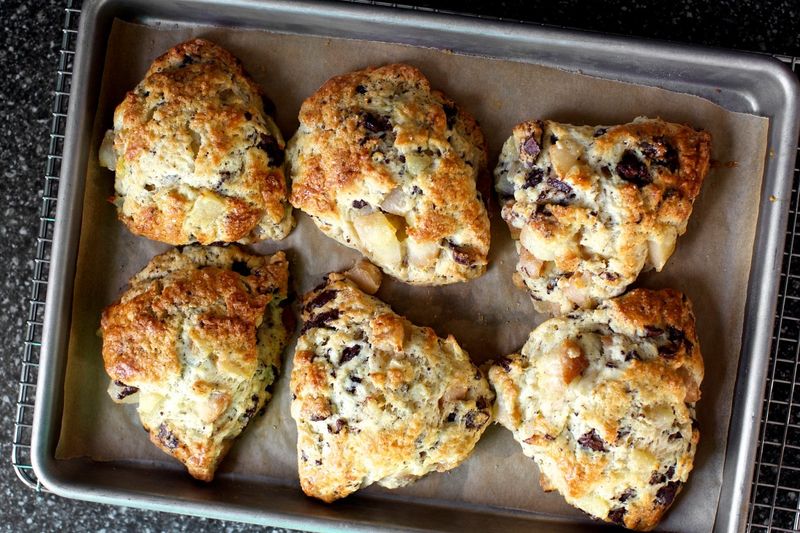
Scones might seem an odd place for dark chocolate, but hear me out. Traditional scones are quite plain, relying on jam and cream for flavour.
Dark chocolate chips baked into the dough add interest without overwhelming the scone's delicate crumb. The chocolate melts slightly during baking, creating little pockets of richness that complement rather than dominate.
Using dark chocolate also means the scones work beautifully at breakfast or tea time. They're sweet enough to feel like a treat but not so sugary that you feel guilty having one with your morning coffee.
Just lovely.