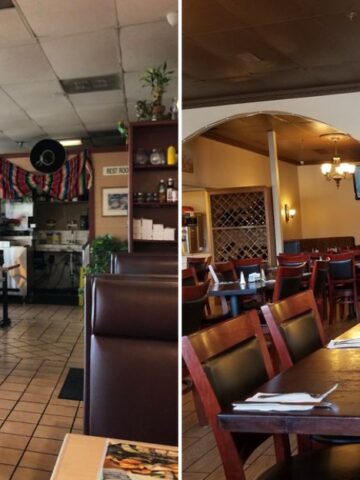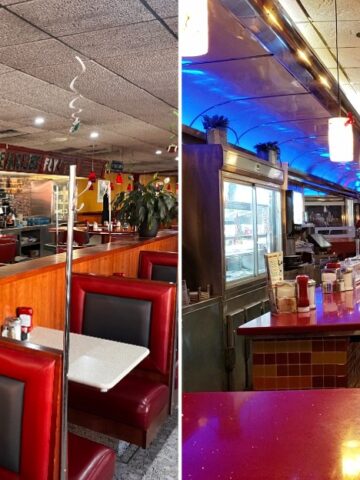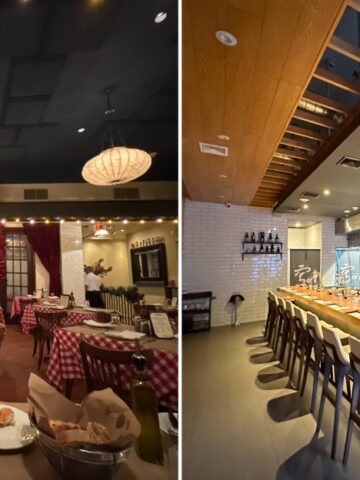







Once a familiar sight along motorways and high streets, Britain’s fast-food landscape has changed dramatically over the decades. From all-day breakfasts at Little Chef to deep-pan pizzas and classic diners, these chains once defined the way the nation ate on the go.
While some faded quietly and others were overtaken by global brands, they all left behind fond memories of a more nostalgic era of British dining.
This article is for general informational purposes only. Brand ownership, availability, and operational status may have changed since original publication. Photos are for illustrative purposes only.
1. Little Chef

Founded in 1958, Little Chef became a feature of British road travel with more than 400 locations at its peak. Known for dishes such as the Olympic Breakfast and Jubilee Pancakes, the chain was popular with families on long journeys.
Increased competition from motorway service stations and changing consumer habits led to its decline, and the final outlet closed in 2018.
2. Benjys

In the 1990s and early 2000s, Benjys grew quickly as a budget alternative to emerging high street café chains. Office workers and commuters relied on its sandwiches, hot drinks, and breakfast snacks.
Despite its popularity, financial pressures forced closures in 2007, and a short-lived revival in 2009 did not restore its former presence.
3. Pizzaland

During the 1980s, Pizzaland helped make pizza a family dining option across the UK. With red interiors and affordable menus, it became a venue for children’s parties and casual meals.
However, competition from Pizza Hut, Domino’s, and supermarkets intensified through the 1990s, and Pizzaland shut down completely by 1996.
4. Arthur Treacher's

This US-based chain expanded into Britain in the 1970s with a fast-food version of fish and chips. Restaurants featured nautical themes and promoted extra-crispy batter.
Despite the UK’s fondness for traditional fish and chip shops, the Americanised approach never gained a strong following. Arthur Treacher’s exited the UK market by the mid-1980s.
5. Happy Eater

Launched in 1972, Happy Eater restaurants targeted motorists, offering play areas and family-friendly menus. The brand competed directly with Little Chef for roadside customers.
In 1986, its parent company was acquired by Little Chef’s owners, and most outlets were converted. The final Happy Eater locations closed in 1997.
6. Spudulike

Founded in 1974, Spudulike specialised in baked potatoes served with a wide range of toppings, from tuna mayonnaise to chilli con carne.
Its simple and filling meals were popular in shopping centres and food courts, and at its height the chain operated more than 50 outlets. Declining sales and rising costs eventually led to its closure in 2019.
7. Deep Pan Pizza

From the late 1970s, Deep Pan Pizza offered a British take on American-style pizza. Restaurants had cosy interiors and served thick-based pizzas with generous toppings, alongside popular buffet deals.
By the late 1990s, however, larger international chains dominated the market, and Deep Pan Pizza gradually disappeared.
8. Top Dog

Top Dog, a beloved British fast-food chain, was known for its iconic hot dogs that delighted taste buds across the UK. Established in the 1980s, it quickly became a favorite stop for families and travelers alike.
The chain's unique selling point was its variety of toppings, allowing customers to customize their hot dogs to their heart's desire. Sadly, competition and changing dining preferences led to its closure in the early 2000s.
Despite its disappearance, Top Dog is fondly remembered for its quirky charm and the sense of community it fostered among its patrons.
9. Garfunkel’s

Garfunkel’s was a staple of the British casual dining scene, especially popular during the 1980s. Known for its diverse menu, it offered everything from hearty breakfasts to late-night suppers, catering to tourists and locals alike.
With its prime locations in bustling areas, Garfunkel’s provided a cozy retreat amidst the urban hustle. The decor was a blend of classic and contemporary, appealing to a wide demographic.
Unfortunately, as dining trends evolved, Garfunkel’s struggled to maintain its foothold. Although it attempted reinventions, the chain eventually closed most of its branches, leaving behind fond memories for its patrons.