










Breakfast habits vary dramatically across the globe, offering fascinating insights into different cultures. From hearty, protein-rich meals to light, sweet treats, morning food reflects local ingredients, history and lifestyle needs.
Join me on a worldwide breakfast tour to discover how people start their day in twelve different countries.
This article is for general cultural and informational purposes only. Breakfast customs vary widely, and individual practices may differ within each country.
1. Full English Breakfast - United Kingdom

Nothing beats the legendary fry-up that has fuelled Britons for generations! Sizzling bacon, eggs, sausages, baked beans, grilled tomatoes, mushrooms, and toast create a hearty plate.
Working-class families needed substantial morning nourishment before long days of physical labour. Today, it remains a beloved weekend tradition and hangover cure across the UK.
2. Croissant And Café Au Lait - France

Parisian cafés come alive each morning with locals enjoying buttery, flaky crescents of pastry perfection.
Paired with café au lait (coffee with hot milk), this light breakfast exemplifies French dining philosophy – quality over quantity, with emphasis on exquisite flavour.
3. Churros With Hot Chocolate - Spain

Spanish mornings often begin with crispy, sugar-dusted churros dipped in thick, velvety hot chocolate. These ridged fried dough pastries create the perfect contrast against the rich chocolate.
Originally shepherds' food, churros became popular breakfast fare for workers heading to early shifts. The Spanish chocolate is uniquely thick – dense enough to coat a spoon – making it the ideal churro companion.
4. Dim Sum - China

Chinese breakfast traditions shine brightest through dim sum – small steamed or fried dumplings filled with everything from prawns to pork. Families gather around circular tables, sharing bamboo baskets filled with har gow, siu mai, and char siu bao.
Dim sum translates to 'touch the heart,' reflecting how these bite-sized delicacies satisfy both hunger and social connection. Yum cha (drinking tea) accompanies the meal, aiding digestion.
5. Idli And Sambar - India

South Indian kitchens produce these cloud-like steamed rice cakes each morning, served alongside spicy sambar lentil soup and coconut chutney. Idlis' fermentation process makes them naturally probiotic and easily digestible.
Dating back to ancient Tamil cuisine, this breakfast provides balanced nutrition to start the day. The combination delivers protein, carbohydrates, and vegetables in one satisfying meal, explaining why millions of Indians remain devoted to this breakfast.
6. Misoshiru With Rice And Fish - Japan

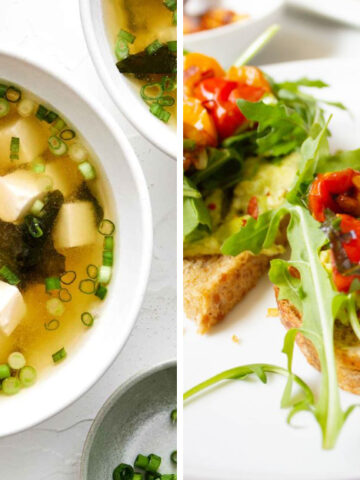
Japanese breakfast tables highlight a harmonious balance of flavours, textures, and nutrition. A typical spread includes misoshiru (fermented soybean soup), steamed rice, grilled fish, pickled vegetables, and nori seaweed.
Seasonal ingredients and a tradition of avoiding waste mean that even leftover fish from breakfast may reappear in later meals.
7. Ful Medames - Egypt

Ancient Egyptians started their mornings with this hearty fava bean stew thousands of years ago, and modern Egyptians continue the tradition. Slow-cooked beans are mashed with olive oil, lemon juice, garlic and cumin.
Served with warm pita bread, hard-boiled eggs, and fresh vegetables, ful medames provides sustaining energy. The dish crosses social boundaries, appearing on breakfast tables from humble homes to luxury hotels throughout Egypt and neighbouring countries.
8. Shakshuka With Bread - Middle East

Morning kitchens across Israel, Palestine and neighbouring countries fill with the aroma of tomatoes, peppers and spices simmering together. Into this bubbling sauce go eggs, poached directly in the mixture until perfectly set.
Shakshuka's origins trace to North Africa before spreading throughout the Middle East. The one-pan wonder exemplifies resourceful cooking – using affordable ingredients to create something magnificent. Fresh bread serves as the essential tool for scooping up every last bit.
9. Arepas With Cheese - Venezuela/Colombia

Morning routines in Venezuela and Colombia revolve around these golden corn cakes, split and stuffed with melting cheese. Made from pre-cooked corn flour mixed with water and salt, arepas are griddled until crisp outside yet tender inside.
Indigenous to northern South America, these versatile discs date back 3,000 years. Modern variations include fillings like avocado, beans, or shredded meat, but the classic cheese-filled version remains the breakfast favourite.
10. Pancakes With Maple Syrup - United States/Canada

Weekend mornings across North America feature the ritual of pancake stacks drizzled with amber maple syrup. These fluffy discs, also called hotcakes or flapjacks, create the perfect canvas for the distinctly North American sweetener.
Native Americans first taught European settlers about tapping maple trees for their precious sap. Today, pancake houses dot the landscape, and families maintain weekend pancake traditions, often adding blueberries, chocolate chips or bananas to the batter.
11. Açaí Bowl - Brazil

Brazilians transformed the humble açaí berry from the Amazon rainforest into a breakfast sensation. The dark purple berries are blended frozen to create a thick, sorbet-like base topped with granola, banana slices, and other fruits.
Originally fuel for indigenous tribes and later for Amazon fishermen, açaí bowls gained global popularity through Brazilian beach culture. The antioxidant-rich breakfast balances natural sweetness with nutritional benefits, explaining its journey from rainforest to worldwide phenomenon.
12. Smørrebrød - Denmark

Danish breakfast tables feature these artistic open-faced sandwiches that transform morning sustenance into visual masterpieces. Rugbrød (dense sourdough rye bread) forms the foundation, topped with precisely arranged layers of quality ingredients.
Traditional morning varieties include cheese, cucumber, boiled eggs, or leverpostej (liver pâté). The tradition emphasizes quality over quantity – even a simple smørrebrød receives careful attention to balance, colour and arrangement, reflecting the Danish appreciation for both aesthetics and practicality.