










Breakfast used to look very different when kettles whistled on the hob and corner shops carried just a handful of basics. Many of the dishes your grandparents grew up with were shaped by thrift, seasonality, and simple home cooking rather than convenience foods.
Some sound comforting, others a little curious, and a few might even surprise modern tastes in the best possible way. Taking a closer look is a lovely way to reconnect with forgotten flavours and old kitchen habits.
All information is provided for general interest only. Recipes, ingredients, availability, and regional traditions may vary depending on location, family customs, and time period.
1. Kedgeree

This curious mixture of rice, smoked fish, hard-boiled eggs, and curry powder came from British colonial India. Families would prepare large batches for weekend breakfasts, filling the house with aromatic spices.
The combination sounds unusual now, but it provided everything needed for a balanced meal. Yellow from turmeric and dotted with egg whites, it looked as interesting as it tasted.
Few modern households have heard of this once-popular morning dish.
2. Fried Bread

Before toast became standard, people fried bread in leftover bacon fat or lard. The result was crispy on the outside and wonderfully soft inside, soaking up flavours from whatever else sat on the plate.
Nothing went to waste in those days, and the cooking fat added richness to plain bread. Today's health-conscious eaters avoid this indulgent treat, though some traditional cafes still offer it alongside full English breakfasts.
3. Kippers
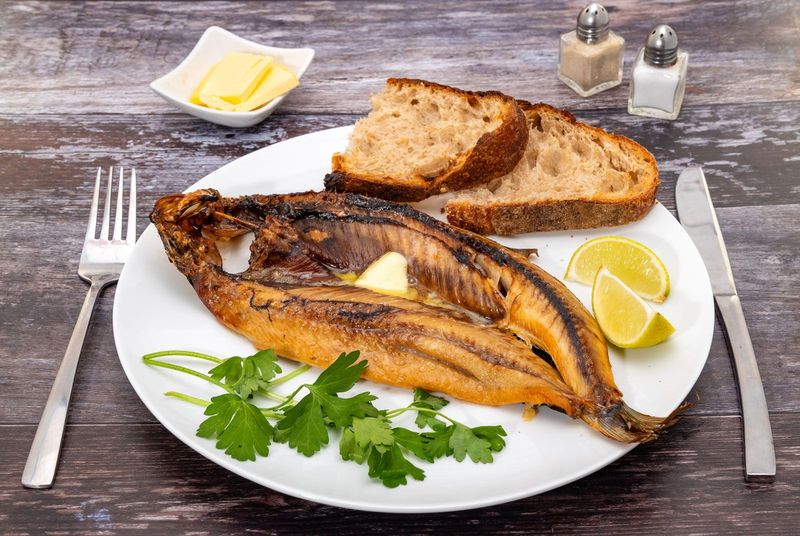
Smoked herring might sound odd for breakfast, but kippers were once a morning staple. The strong, salty flavour paired perfectly with buttered toast and a cup of tea.
Fishmongers would prepare them overnight, creating that distinctive smoky taste. Most people today find the smell too intense for early morning, though coastal communities still enjoy them occasionally.
Your grandparents considered them an affordable protein source that kept them full until lunch.
4. Bubble And Squeak
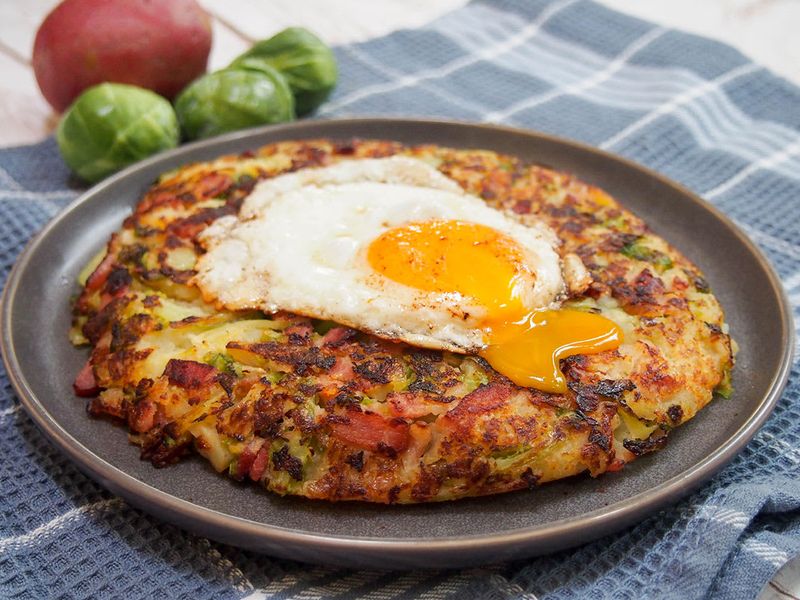
Leftover vegetables from Sunday dinner became Monday's breakfast treasure. Mashed potatoes mixed with cabbage, carrots, or sprouts were fried until crispy and golden.
The name comes from the sounds it makes whilst cooking in the pan. Families stretched their food budget by transforming yesterday's dinner into something completely new.
Younger generations rarely cook with leftovers this way, preferring fresh ingredients or simply reheating meals in the microwave instead.
5. Black Pudding
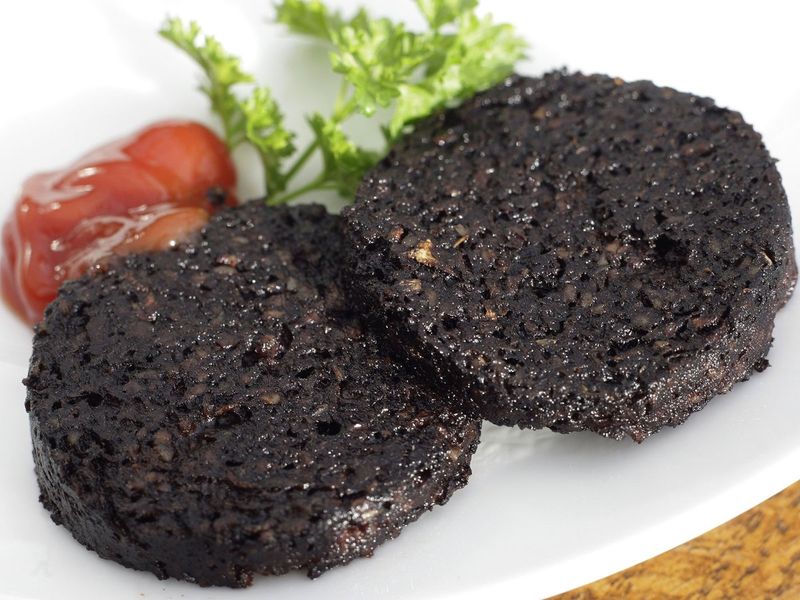
Blood sausage might make you squeamish, but your grandparents relished these dark, crumbly slices. Mixed with oatmeal, onions, and spices, black pudding provided iron-rich nourishment for working families.
Butchers made them fresh weekly, using every part of the animal to avoid waste. The rich, earthy flavour complemented eggs and bacon beautifully.
Modern breakfast plates rarely include this traditional item, though it remains popular in Scotland and northern England.
6. Devilled Kidneys
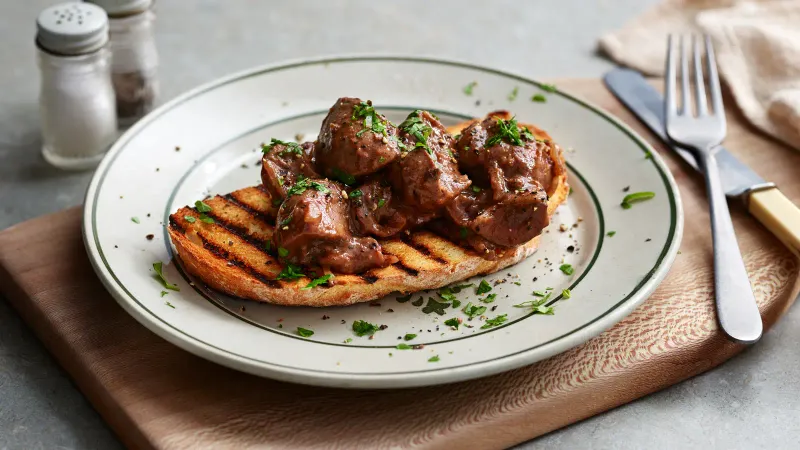
Organ meats were breakfast fare for previous generations, especially kidneys cooked in a spicy, tangy sauce. The "devilled" preparation used mustard, cayenne pepper, and Worcestershire sauce for a fiery kick.
Served on toast, this protein-packed dish fuelled long working days. Today's squeamish attitudes towards offal mean few people would consider kidneys appropriate morning food.
Your grandparents, however, appreciated the affordability and nutritional value these provided their families.
7. Tinned Tomatoes On Toast
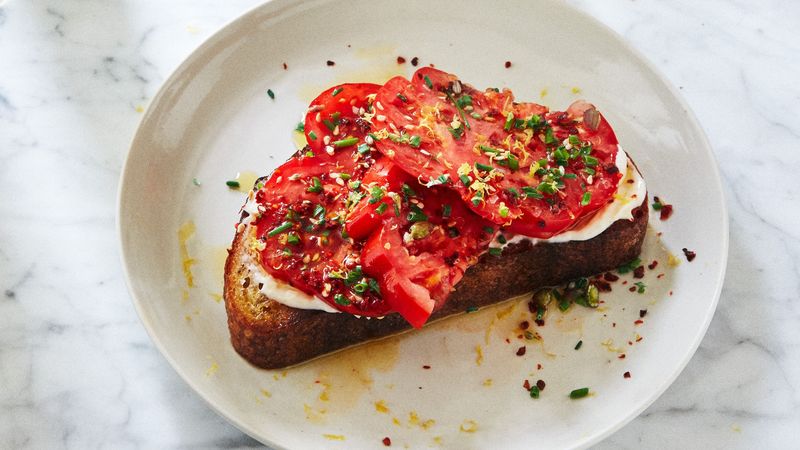
Opening a tin of tomatoes and heating them over buttered toast created a quick, satisfying breakfast. The sweet-tart tomatoes soaked into the bread, creating a comforting meal that cost very little.
Many households kept tinned goods in the cupboard for easy morning options. Fresh tomatoes were seasonal and expensive, making tinned versions practical year-round.
Today's avocado toast occupies the same cultural space, though few remember this humble predecessor.
8. Porridge With Golden Syrup

Oats simmered slowly on the stove created thick, creamy porridge that stuck to your ribs. Instead of honey or brown sugar, golden syrup added distinctive sweetness and amber colour.
The thick, treacle-like syrup was a British staple found in every kitchen. Families ate this warming breakfast throughout cold winters, sometimes adding a pinch of salt for balance.
Modern instant porridge lacks the same comforting texture and flavour that made this morning ritual special.
9. Eggy Bread
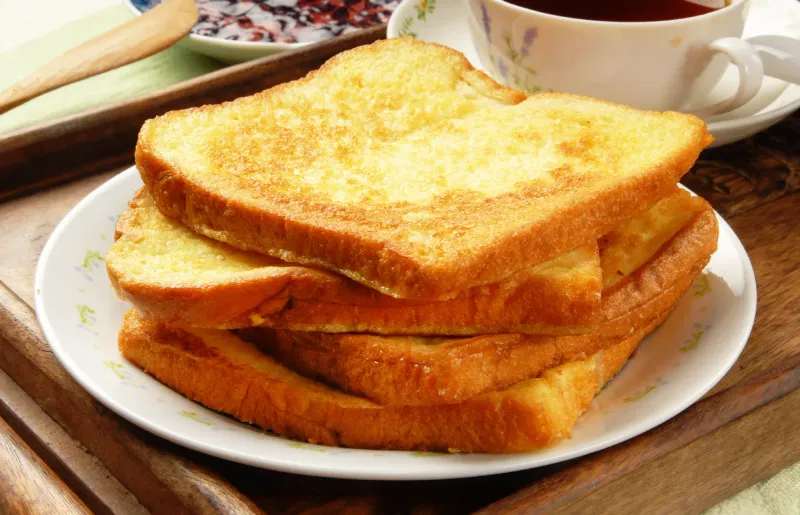
Slices of bread soaked in beaten egg and fried in a pan created a simple, filling breakfast known in many homes as eggy bread. It was a clever way to revive slightly stale bread while adding extra protein without needing expensive ingredients.
Some families kept it savoury with a pinch of salt, while others added a light sprinkle of sugar depending on taste and tradition.
This comforting dish still appears in British kitchens today, though many people associate it more with quick suppers than breakfast.
10. Liver And Bacon
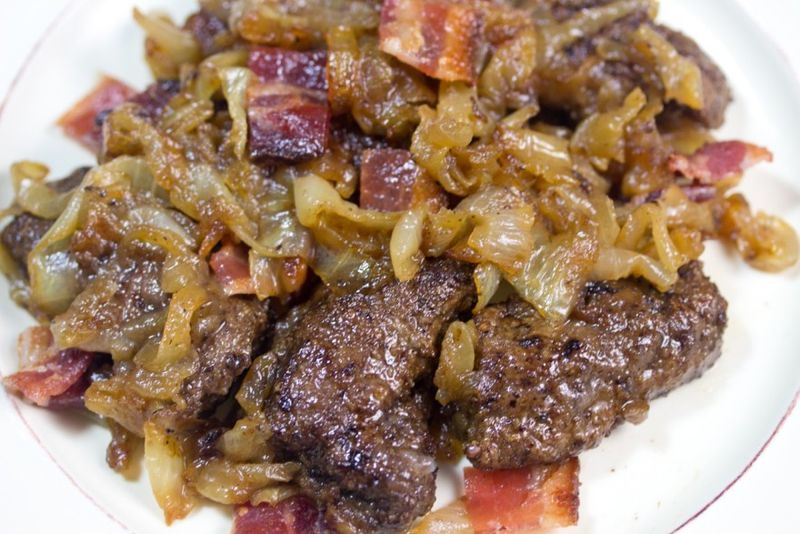
Starting the day with fried liver alongside crispy bacon might seem heavy now, but it provided essential nutrients for manual labourers. Calves' liver cooked quickly and cost far less than premium cuts of meat.
The bacon fat flavoured the liver perfectly whilst keeping it moist and tender. Younger people today often refuse to eat liver at any meal, finding the texture and flavour unappealing.
Your grandparents valued this iron-rich breakfast for maintaining strength and energy.
11. Bread And Dripping
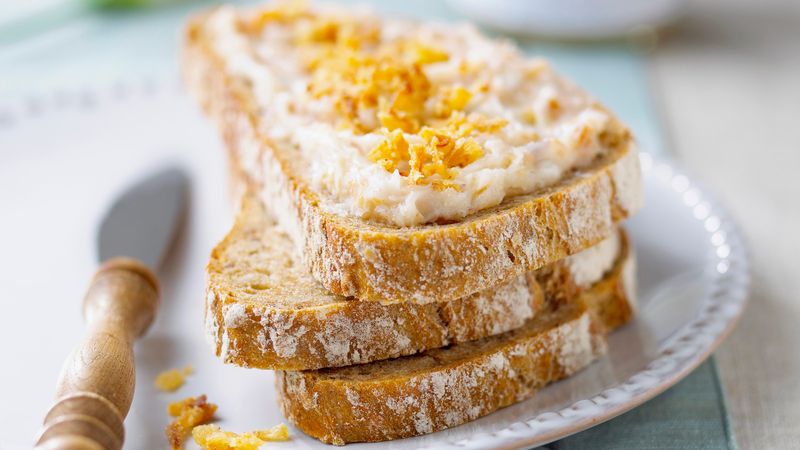
Beef fat saved from Sunday roasts was spread on bread like butter, creating an incredibly flavourful breakfast. The dripping solidified when cooled, forming a savoury spread with bits of meat jelly at the bottom.
Children would sprinkle salt on top for extra flavour. This frugal meal used every bit of the roast, wasting nothing.
Today's generation finds the idea of eating pure animal fat rather shocking, though artisan butchers have recently revived interest in traditional dripping.
12. Stewed Apples With Custard
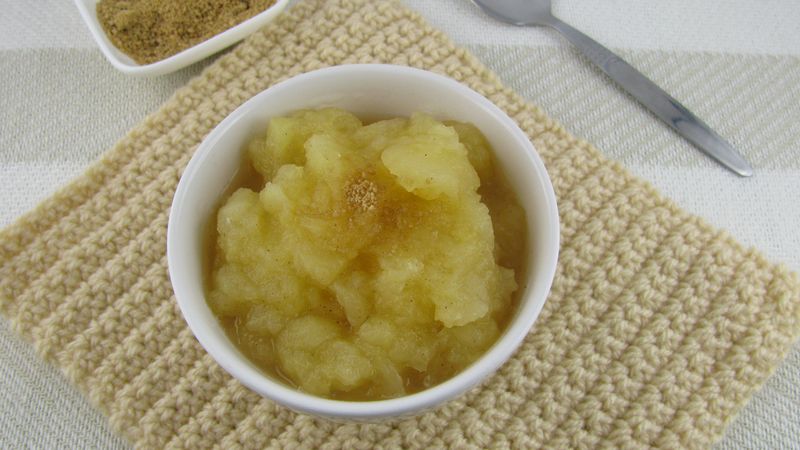
Apples cooked gently with sugar and cinnamon until soft, then topped with warm custard, made a sweet breakfast treat. Orchards provided abundant fruit in autumn, and stewing preserved apples for winter months.
The combination felt indulgent yet remained economical and filling. Families served this on special occasions or Sunday mornings as something different.
Today's rushed breakfast routines rarely include time for cooking fruit and making custard from scratch like grandparents once did.
13. Milk Toast
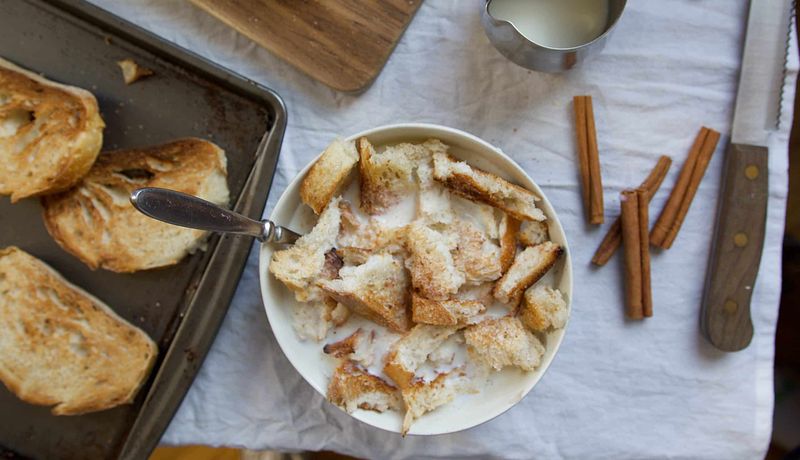
Milk toast was made by pouring warm milk over buttered toast and lightly seasoning it with salt or nutmeg. It was especially popular for children, older adults, and anyone needing a gentle, easy-to-digest breakfast.
During times when food budgets were tight, it offered warmth and nourishment using ingredients already in most cupboards. The soft texture and mild flavour made it soothing, even if it feels unusual by modern breakfast standards.