











Oatmeal has long been seen as a reliable way to add fibre to the morning routine, helping to support digestion and steady energy levels. While a typical serving does provide a useful boost, it is not the only breakfast option that contributes meaningful fibre.
A number of everyday foods can deliver equal or higher amounts, often while adding different textures, flavours, and nutrients to the plate. Exploring a wider mix of fibre-rich choices can make breakfast more varied while continuing to support gut health and long-term wellbeing.
All information is provided for general interest only. Nutritional values can vary by product, portion size, and preparation method.
Individual dietary needs differ, and professional advice may be helpful. Photos are for illustrative purposes only.
1. Chia Seeds

Just two tablespoons of these tiny powerhouses deliver a whopping 8 to 10 grams of fibre, more than double what you'd get from oatmeal. Chia seeds are loaded with soluble fibre, the kind that forms a gel-like substance in your gut to slow digestion and keep blood sugar levels steady.
Toss them into smoothies, stir them through yogurt, or whip up a quick chia pudding the night before. They're virtually tasteless, so they won't hijack the flavour of whatever you're making.
Plus, they expand when soaked, giving you that satisfying fullness that lasts well past mid-morning.
2. Ground Flaxseed
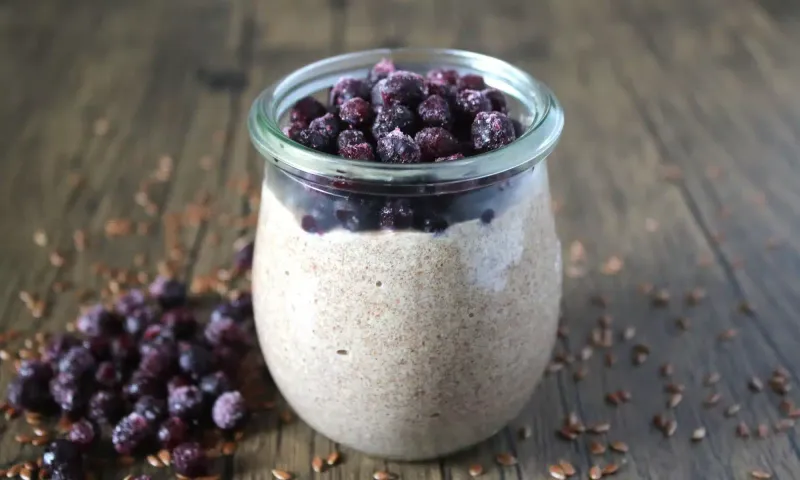
Ground flaxseed sneaks around 3 grams of fibre into every tablespoon, and because it's so concentrated, a couple of spoonfuls easily outpace a bowl of oats. The nutty, slightly earthy flavour pairs brilliantly with pancakes, muffins, or even scrambled eggs if you're feeling adventurous.
Grinding is key here; whole flaxseeds pass through your system intact, taking all their goodness with them. Keep a jar of ground flax in the fridge to preserve its omega-3 fats.
Sprinkle it over cereal, blend it into smoothies, or use it as an egg substitute in baking for a plant-based boost.
3. Wheat Bran Cereal
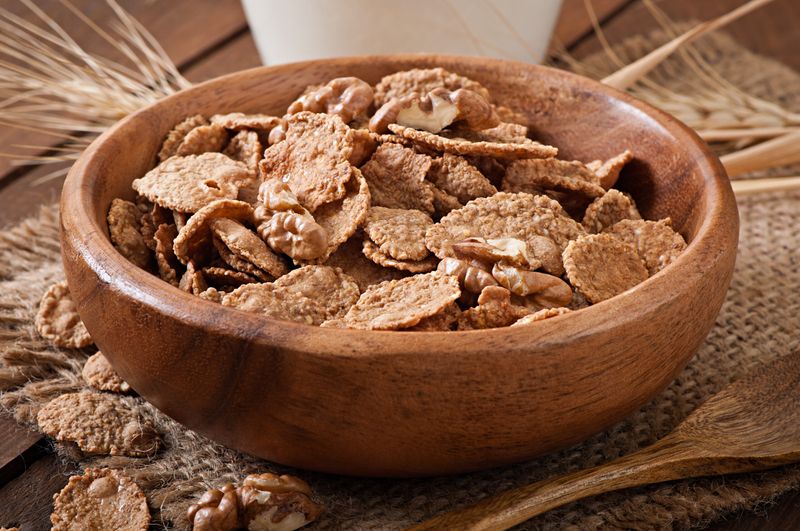
If you want fibre in a hurry, wheat bran cereal is your mate. A single serving can pack anywhere from 5 to 10 grams depending on the brand, leaving oatmeal in the dust.
It's the outer husk of the wheat kernel, so it's basically pure insoluble fibre designed to keep things moving smoothly.
Pour it into a bowl with cold milk, stir it into yogurt, or use it as a crunchy topping for fruit salads. The texture is a bit rough and ready, but that's exactly what makes it so effective.
Just be sure to drink plenty of water alongside it to help the fibre do its job properly.
4. Raspberries
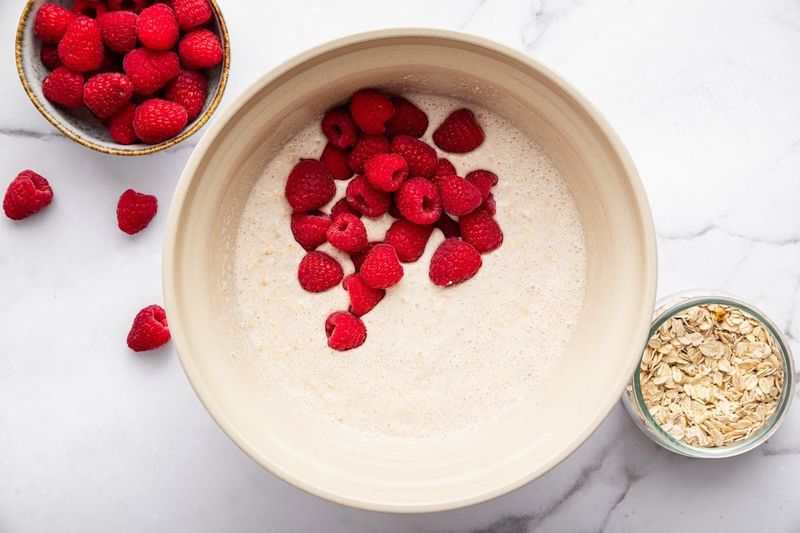
One cup of raspberries brings about 8 grams of fibre to the table, making them one of the fruitiest ways to beat oatmeal's count. They're especially rich in insoluble fibre, which helps your gut stay regular and supports a healthy microbiome.
Toss them onto cereal, blend them into smoothies, or simply eat them straight from the punnet whilst you're still half asleep. Their tartness adds a lively contrast to creamy yogurt or sweet pancakes.
Fresh or frozen, raspberries hold onto their fibre content beautifully, so stock up when they're on offer and keep a bag in the freezer for quick breakfasts.
5. Blackberries
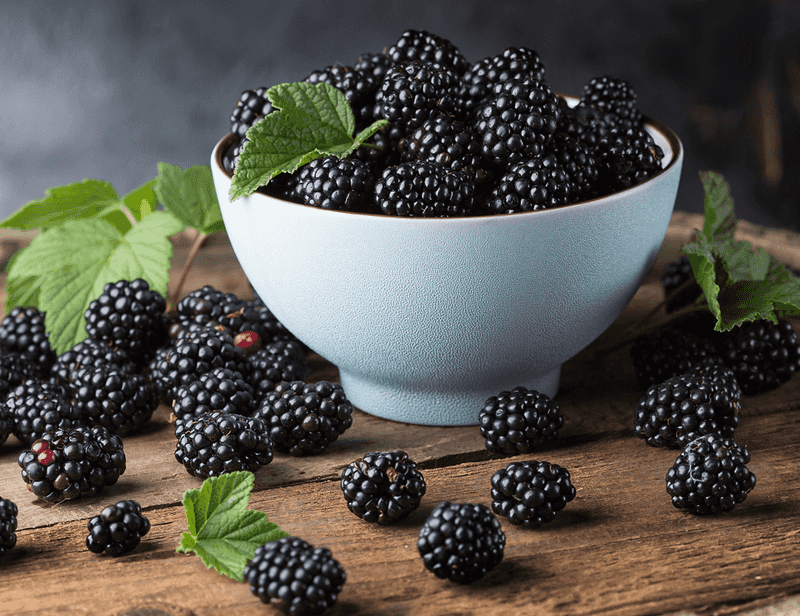
Blackberries are another berry superstar, delivering around 7 to 8 grams of fibre per cup. They've got a slightly deeper, more complex flavour than raspberries, with a hint of earthiness that makes them feel a bit more grown-up.
Layer them into parfaits, scatter them over porridge (yes, you can double down on fibre), or bake them into muffins for a morning treat. Their dark purple hue comes from anthocyanins, powerful antioxidants that support overall health.
Like raspberries, blackberries freeze brilliantly, so you can enjoy them year-round without worrying about them going mushy in the fridge.
6. Avocado
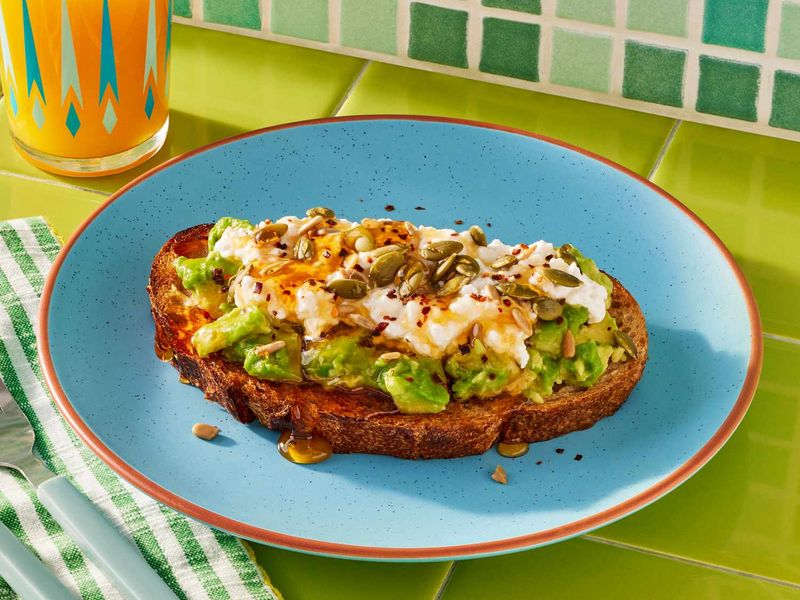
One medium avocado packs a staggering 13 grams of fibre, blowing oatmeal completely out of the water. It's loaded with both soluble and insoluble fibre, which means it helps with digestion whilst keeping you full for hours.
Smash it onto whole-grain toast, blend it into a green smoothie, or dice it up for a savoury breakfast bowl with eggs and salsa. The creamy texture and mild flavour make it incredibly versatile, and it pairs well with just about anything.
Plus, avocados bring healthy fats to the party, which help your body absorb fat-soluble vitamins from other foods on your plate.
7. Baked Beans

A half-cup of baked beans serves up around 5 to 6 grams of fibre, and a full portion easily outstrips oatmeal. They're a classic British breakfast staple, bringing both soluble fibre and plant-based protein to your morning plate.
Pile them onto toast, stir them into scrambled eggs, or serve them alongside grilled tomatoes and mushrooms for a proper fry-up. The tomato sauce adds a tangy sweetness that balances the earthiness of the beans.
Just watch the added sugar and salt in tinned versions; look for reduced-sugar options if you're keeping an eye on those.
8. Chickpeas
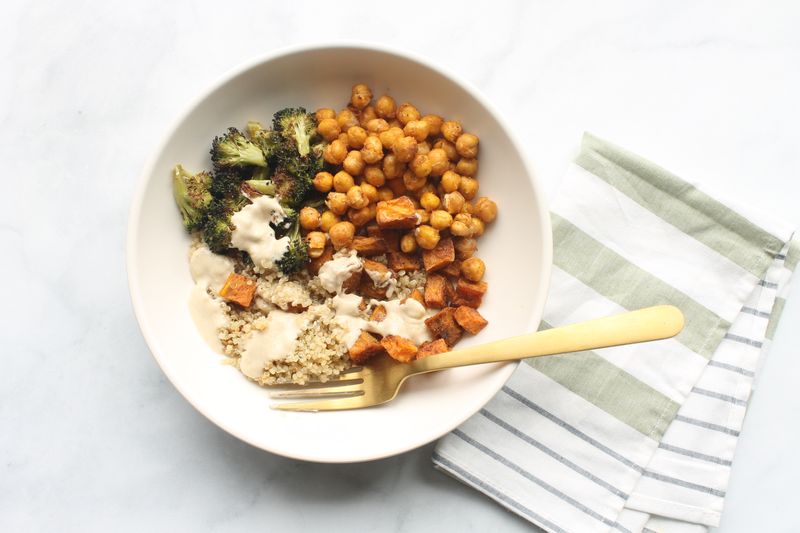
A half-cup of cooked chickpeas delivers around 6 to 7 grams of fibre, making them a surprisingly brilliant breakfast choice. They're mild, slightly nutty, and incredibly adaptable, whether you roast them for crunch or mash them into a savoury spread.
Try them in a breakfast hash with peppers and onions, blend them into a hummus for toast, or toss them into a veggie scramble. Chickpeas also bring a solid hit of plant-based protein, so they'll keep you fuelled through a busy morning.
Tinned chickpeas are quick and convenient; just rinse them well to cut down on sodium before adding them to your breakfast creations.