











Breakfast sets the tone for the day, yet some morning favourites behave very differently once you start eating them regularly.
Certain foods can lead to quick energy highs, while others support a steadier, more balanced start.
Understanding the difference can help breakfast feel more satisfying rather than leaving you chasing snacks before lunch.
All information is provided for general interest only and should not be taken as medical or nutritional advice. Individual blood sugar responses vary based on health status, activity level, and overall diet. Anyone with medical conditions or specific concerns should consult a qualified healthcare professional.
1. Breakfast Foods That Can Spike Blood Sugar

Some breakfast choices digest quickly and can lead to faster rises in blood sugar levels.
These foods are often lower in fibre or higher in refined carbohydrates and added sugars.
The next six breakfast foods are the ones most commonly linked with sharper blood sugar spikes.
2. Sugary Breakfast Cereals
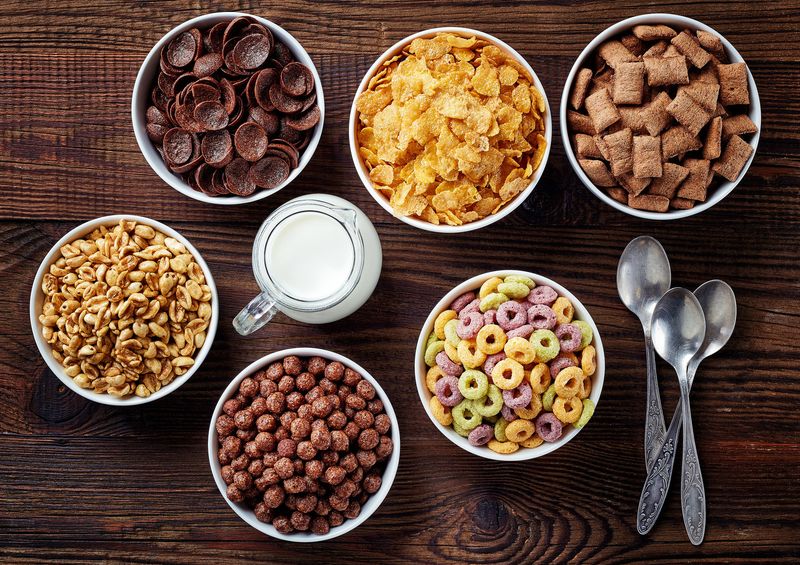
Many breakfast cereals contain added sugars and refined grains.
These ingredients are digested more quickly than whole grains with intact fibre.
As a result, they can lead to faster rises in blood glucose compared with less processed options.
Choosing cereals with lower added sugar and higher fibre content can support a steadier morning energy pattern.
3. White Toast With Jam

White bread lacks fibre, so it breaks down rapidly into sugar once you eat it.
Slathering on sweet jam only adds more quick-digesting carbohydrates to the mix.
This combination causes a sharp spike followed by an energy crash.
You might find yourself reaching for snacks well before lunchtime, feeling irritable and unfocused in the meantime.
4. Pastries And Croissants

Buttery, flaky, and utterly delicious, pastries are made with refined flour and often stuffed with sugary fillings or glazes.
They offer little protein or fibre to slow digestion down.
Blood sugar levels climb fast after eating them.
The high fat content might make you feel satisfied initially, but that spike-and-crash pattern leaves you hungry surprisingly soon.
5. Sweetened Yoghurts
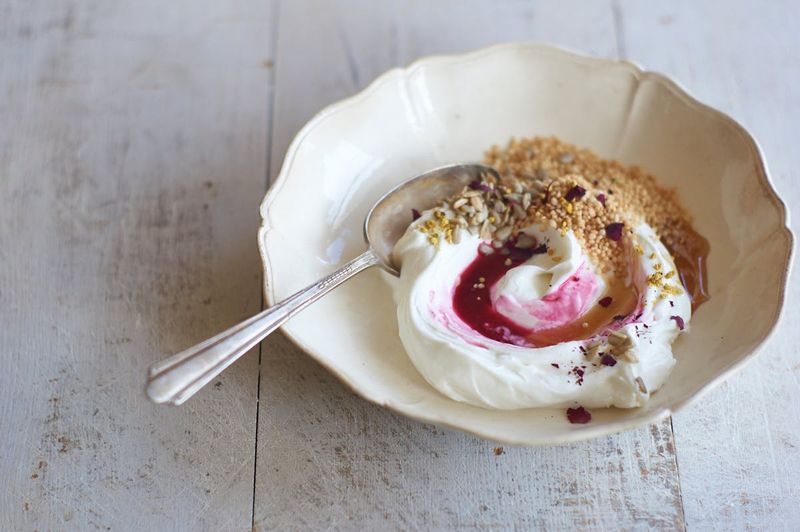
Flavoured yoghurts often contain added sugars to enhance taste.
Even when labelled low-fat, some varieties include sweeteners to compensate for reduced fat content.
This added sugar can increase total carbohydrate intake at breakfast.
Reading ingredient lists and nutrition labels helps distinguish between naturally lower-sugar and more heavily sweetened options.
6. Fruit Juice

Freshly squeezed or from a carton, fruit juice concentrates all the natural sugars from several pieces of fruit without the fibre that slows absorption.
Drinking it sends glucose levels climbing rapidly.
Even 100% juice lacks the pulp and fibre that whole fruit provides.
You're essentially drinking liquid sugar, which your body processes much faster than eating an actual orange or apple.
7. Pancakes With Syrup

Traditional pancakes are typically made with refined flour.
Syrup adds concentrated sugars that increase the overall carbohydrate content of the meal.
Together, these ingredients are digested more quickly than wholegrain or protein-rich alternatives.
This combination may feel less filling over time compared with breakfasts that include fibre or protein.
8. Breakfast Foods That Help Keep Blood Sugar Steadier
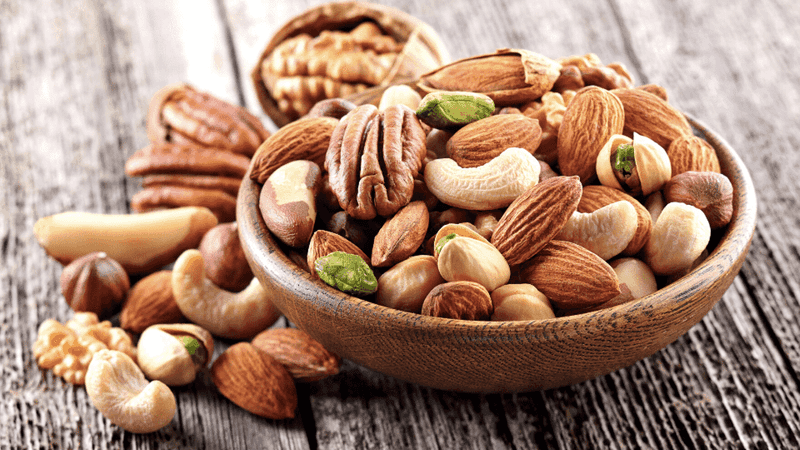
Other breakfast options digest more slowly and support a more balanced release of energy.
These foods tend to include fibre, protein, or healthy fats that slow carbohydrate absorption.
The next six breakfast foods are the ones known for helping keep blood sugar steadier through the morning.
9. Porridge Made With Whole Oats
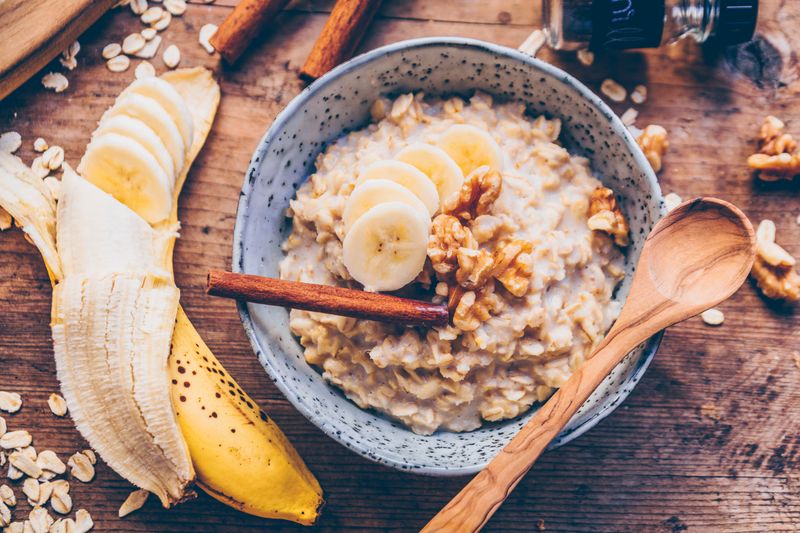
Whole oats are rich in soluble fibre, particularly beta-glucan, which slows down how quickly your body absorbs carbohydrates.
This keeps blood sugar from spiking sharply after you eat.
Porridge also keeps you feeling satisfied for ages.
Add some nuts or seeds for extra protein and healthy fats, and you've got a breakfast that truly fuels your morning without the crash.
10. Eggs

Eggs are a source of protein and contain very little carbohydrate.
Protein digests more slowly than refined carbohydrates.
Including eggs at breakfast can help add variety and balance to a meal.
They are commonly paired with other foods to create a more filling start to the day.
11. Greek Yoghurt (Plain)
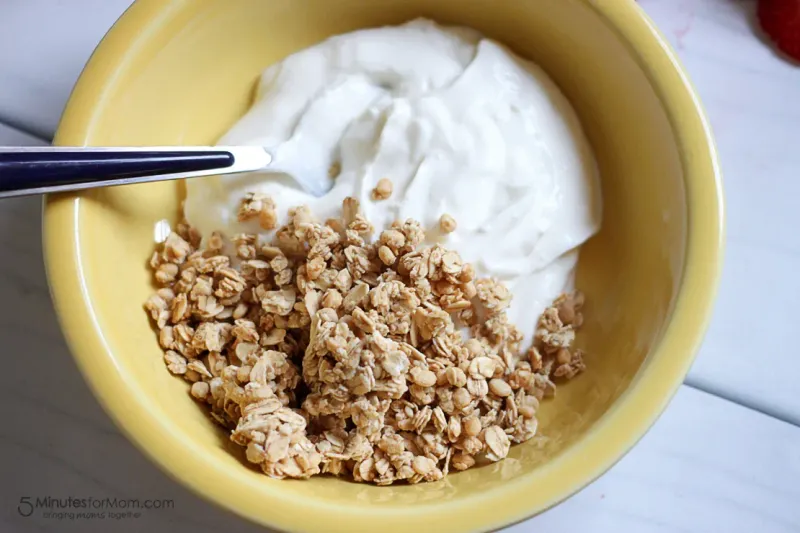
Unlike its sweetened cousins, plain Greek yoghurt is low in sugar and high in protein, which helps keep blood sugar stable.
The thick, creamy texture makes it satisfying too.
You can add your own toppings like berries or a sprinkle of nuts for flavour without overdoing the sugar.
The probiotics in yoghurt also support gut health, making it a win on multiple levels.
12. Wholegrain Toast
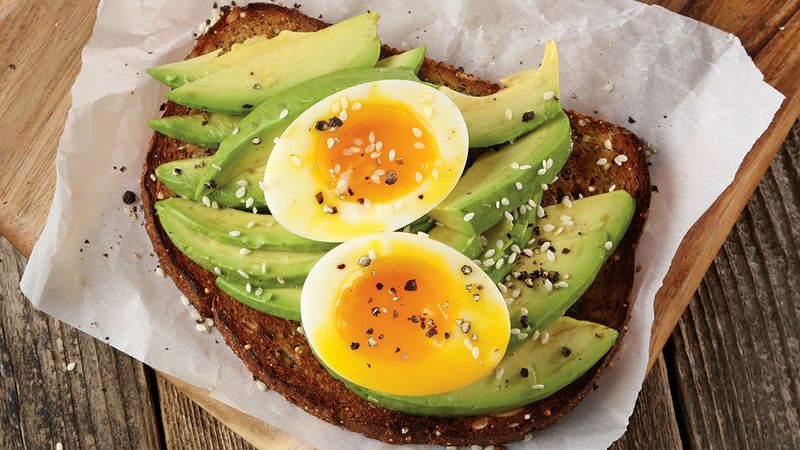
Made from flour that includes the entire grain kernel, wholegrain bread provides fibre that slows digestion and prevents blood sugar spikes.
It's a world apart from white bread.
Top it with protein-rich foods like nut butter, eggs, or avocado for an even steadier effect.
The complex carbohydrates release energy gradually, keeping you fuelled without the rollercoaster of refined grains.
13. Nuts And Seeds
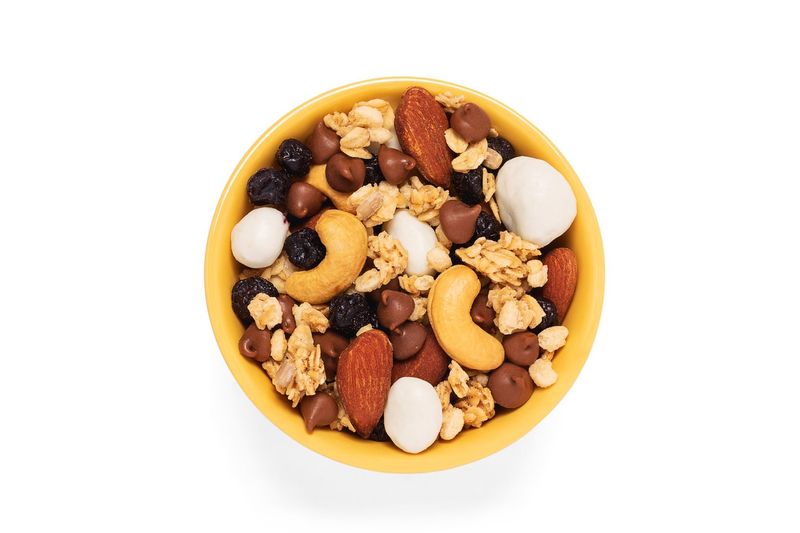
Almonds, walnuts, chia seeds, and flaxseeds are loaded with healthy fats, protein, and fibre - all of which help regulate blood sugar.
They contain very few carbohydrates, so they won't cause spikes.
Sprinkling them on porridge or yoghurt adds crunch and nutrition.
Even a small handful as a side keeps you satisfied longer, making them a smart addition to any breakfast routine.
14. Berries
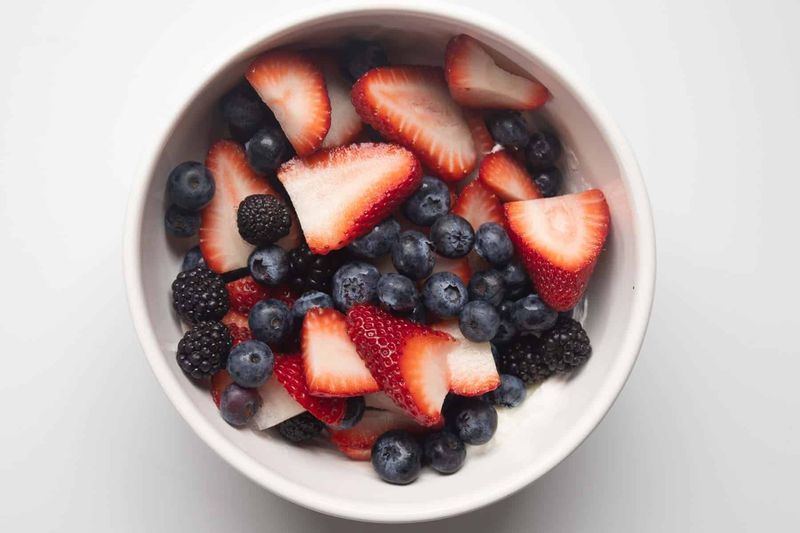
Strawberries, blueberries, and raspberries contain natural sugars, but they're also packed with fibre and antioxidants that slow sugar absorption.
They have a much gentler effect on blood sugar than other fruits.
Their vibrant flavours make breakfast more enjoyable without needing added sweeteners.
Plus, the antioxidants support overall health, making berries one of the best fruit choices for keeping blood sugar steady throughout the morning.