





There was a time when breakfast felt like the highlight of the morning – colourful cereal boxes, catchy jingles, and that rush of excitement as you dug for the toy hidden inside. Those sugar-filled mornings were pure magic for kids across the country.
But as tastes changed and brands disappeared, many of those nostalgic favourites quietly vanished from supermarket shelves. Here’s a trip down memory lane with eight breakfast cereals that once defined British mornings but now live only in our memories.
This article is for general informational and nostalgic purposes only. Product availability, branding, and formulations have changed over time, and some cereals featured may still exist in limited editions or under different names. Images are for illustrative purposes only and may not depict current packaging.
1. Ricicles

Picture Rice Krispies, but covered in a generous coating of sugar, and you've got the magic of Ricicles. Launched by Kellogg's in the 1960s, this cereal became a staple for kids who craved sweetness first thing in the morning. Captain Rik, the polar bear mascot, was as iconic as the snap, crackle, and pop itself.
By 2017, though, the writing was on the wall. Health campaigns and changing tastes meant sugary cereals were falling out of favour, and Ricicles quietly vanished from shelves, leaving behind only fond memories and a slightly sticky spoon.
2. Banana Bubbles
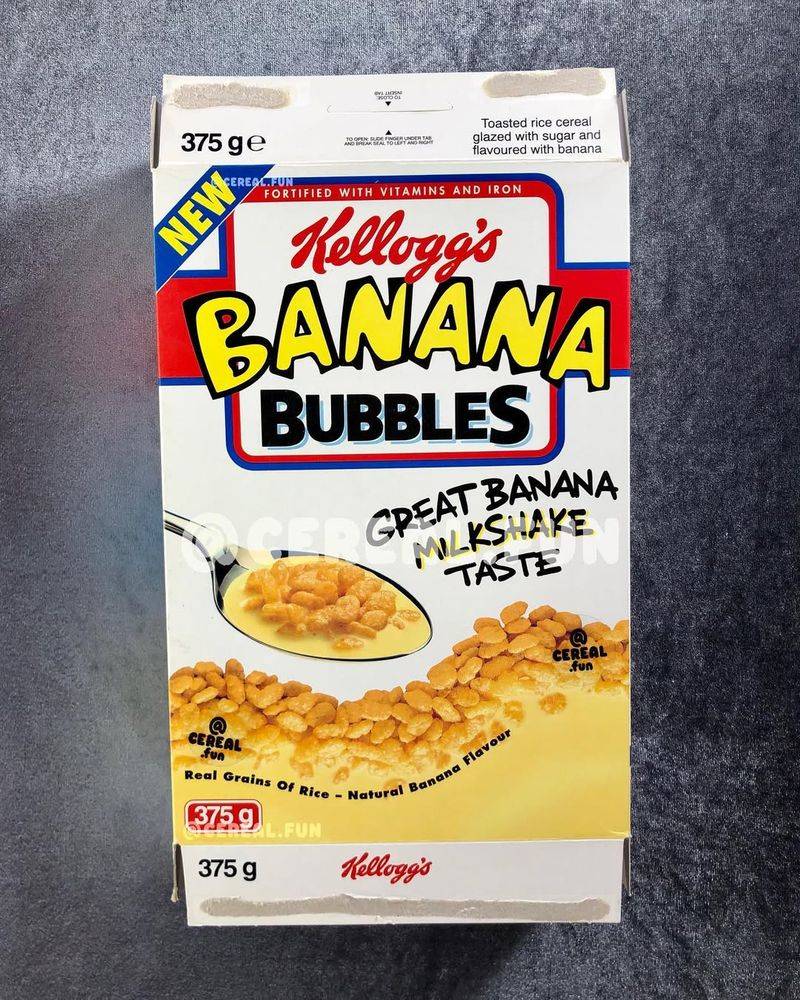
If you grew up in the 1990s, you might recall the bizarre brilliance of Banana Bubbles. These weren't your average cornflakes. Instead, they were bright yellow, banana flavoured puffs that turned your milk a suspicious shade of pale yellow.
Kellogg's marketed them with all the enthusiasm of the decade, complete with vibrant packaging and promises of fruity fun. Unfortunately, the novelty wore off faster than the flavour did, and Banana Bubbles faded into obscurity. Today, they're a curious footnote in cereal history, remembered mostly by those who lived through the era of dial up internet and Tamagotchis.
3. Start
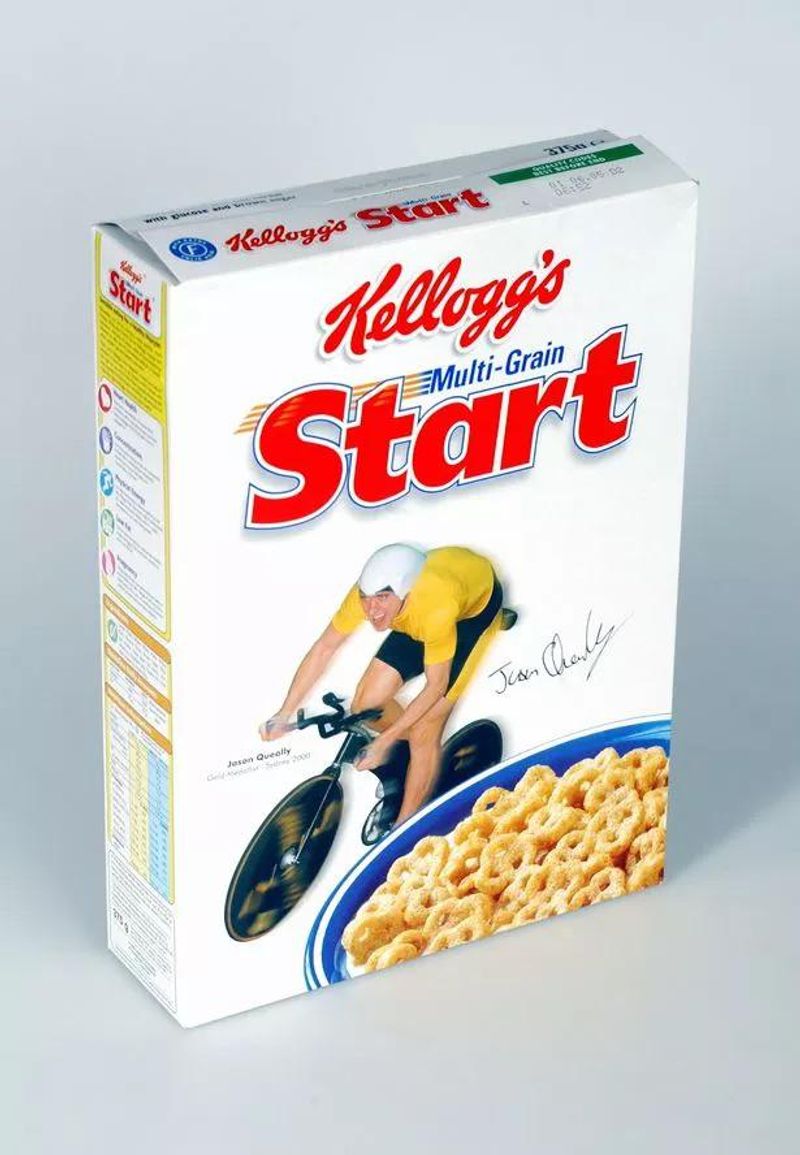
Long before protein shakes and superfood smoothies, there was Start. Kellogg's launched this cereal in the late 1970s as a nutritionally fortified option aimed at getting your day off to a proper beginning. It was essentially cornflakes with extra vitamins and minerals thrown in for good measure.
The tagline was all about energy and vitality, appealing to health conscious eaters before wellness became a buzzword. Despite its wholesome intentions, Start couldn't compete with flashier, sweeter rivals and was eventually discontinued in the early 1980s. It remains a curious relic of a time when cereal companies first tried to balance taste with nutrition.
4. Just Right
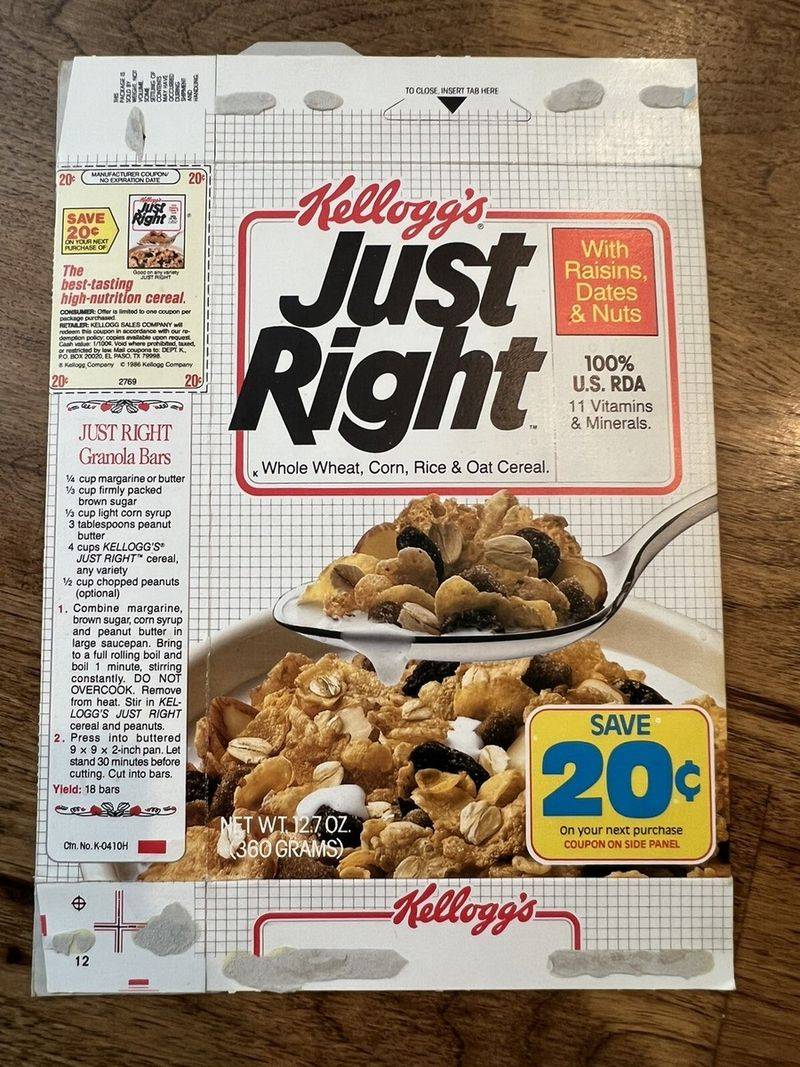
Aimed squarely at adults who wanted something more sophisticated than Frosties, Just Right promised the perfect balance of taste and nutrition. Launched in the 1980s, it featured a mix of flakes, dried fruit, and crunchy clusters that appealed to those seeking a grown up breakfast experience.
The cereal enjoyed a decent run in the UK, often marketed as the sensible choice for busy mornings. However, as consumer tastes shifted towards simpler ingredients and less processed options, Just Right gradually lost its appeal. By the mid 2000s, it had all but disappeared, leaving behind a generation who fondly remember its satisfying crunch.
5. Sugar Puffs
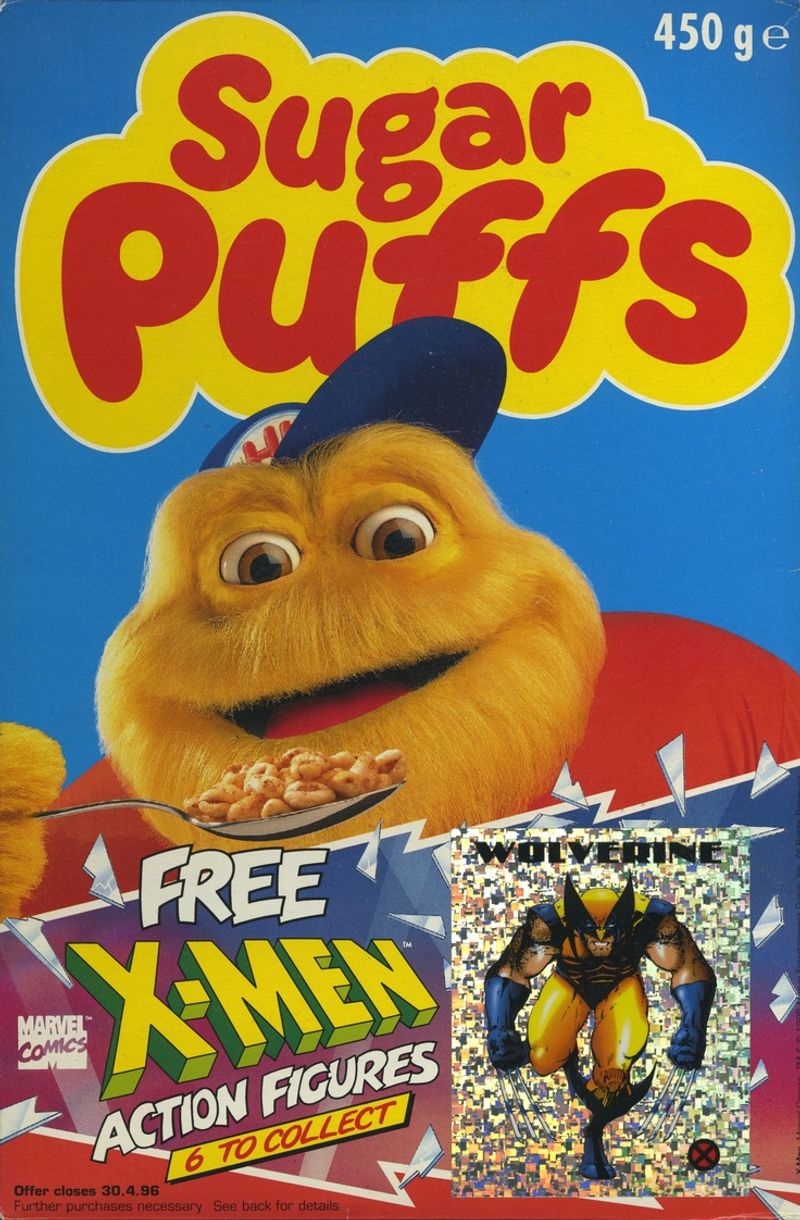
Few cereals have a mascot as memorable as the Honey Monster, the lovable giant who couldn't get enough of Sugar Puffs. These honey coated puffs of wheat were a breakfast table favourite for decades, known for their intensely sweet flavour and ability to turn milk into liquid gold.
In 2014, the cereal was rebranded as Honey Monster Puffs in a bid to distance itself from the negative connotations of sugar. Despite the name change, the magic was lost, and the cereal never quite recaptured its former glory. It's still available in some places, but the original Sugar Puffs branding is long gone.
6. Corn Pops
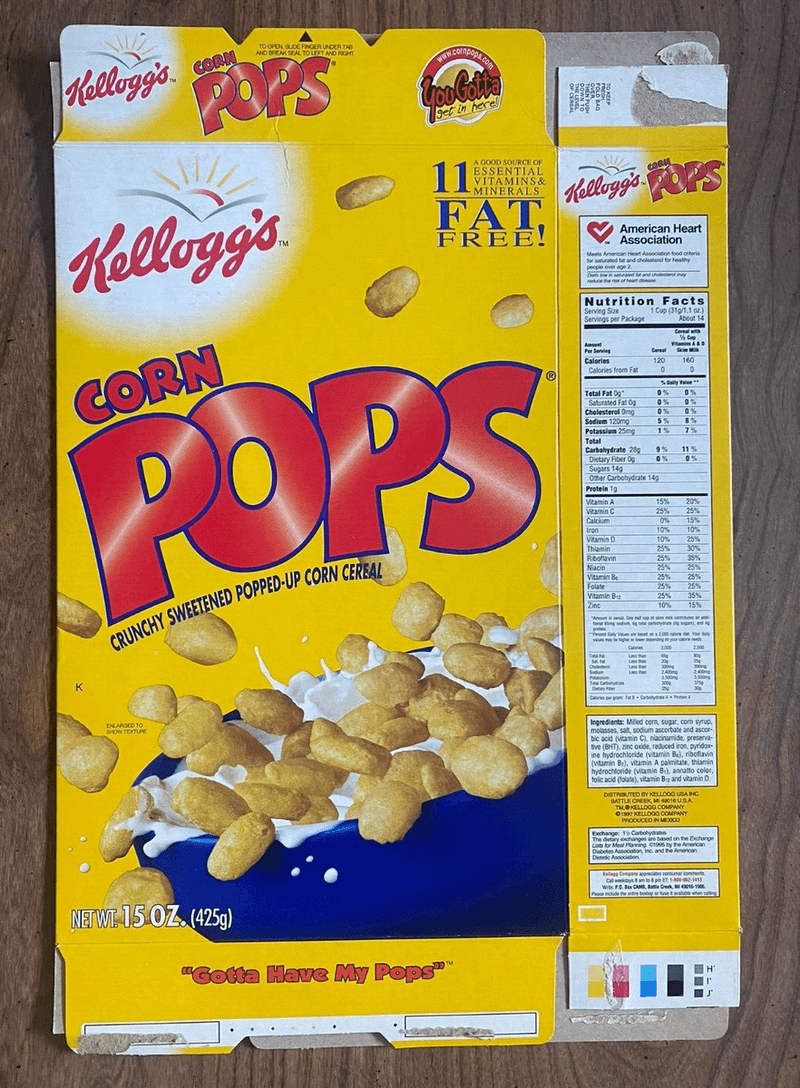
Known as Sugar Corn Pops when they first landed in the UK, these little golden spheres were pure sweetness in cereal form. Each piece was a crunchy ball of glazed corn that stayed crispy in milk longer than most competitors, making them a hit with kids everywhere.
Kellogg's eventually dropped the sugar from the name, but the cereal itself remained a guilty pleasure throughout the 1980s and 1990s. However, changing health guidelines and the rise of less sugary alternatives meant Corn Pops gradually vanished from British shelves, though they're still sold in other countries under different names.
7. Golden Grahams
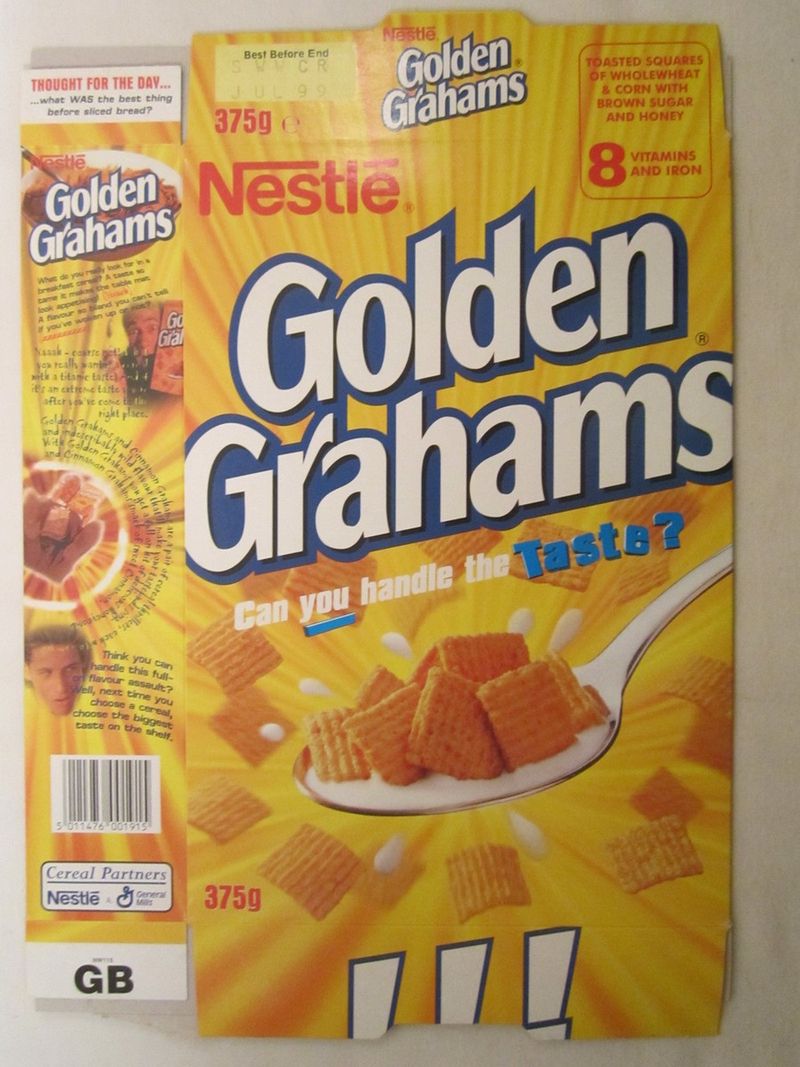
Imagine if someone turned a sweet biscuit into a breakfast cereal, and you've got Golden Grahams. Launched by Nestlé, these honey and graham flavoured squares had a unique taste that set them apart from standard cornflakes or wheat based cereals.
They enjoyed a strong following in the UK throughout the 1980s and 1990s, often appearing in lunchboxes as a snack as much as a breakfast option. Sadly, Golden Grahams have become increasingly hard to find on British supermarket shelves in recent years, though they occasionally pop up in specialist import shops. For many, they remain a nostalgic reminder of simpler mornings.
8. Force Flakes
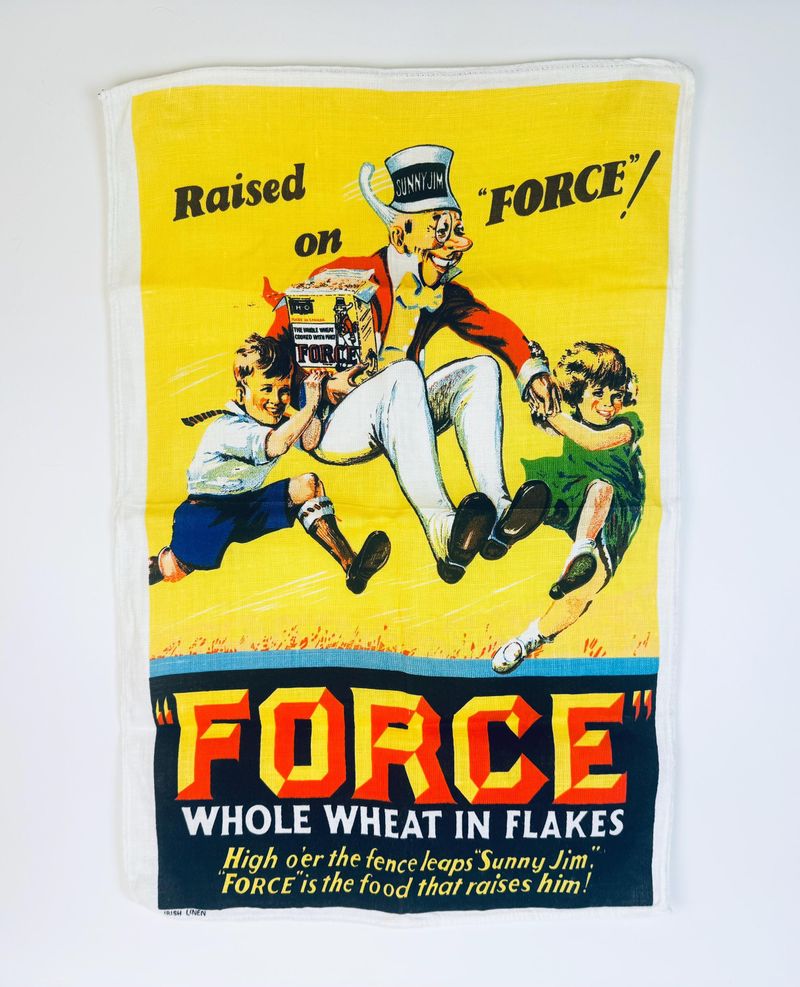
Long before Tony the Tiger or the Honey Monster, there was Sunny Jim, the cheerful mascot of Force Flakes. This wheat based cereal dates all the way back to the early 1900s, making it one of the earliest branded breakfast cereals sold in Britain.
Force Flakes were marketed as a health food, promising strength and vitality to anyone who ate them regularly. The brand enjoyed decades of popularity before eventually fading away in the mid 20th century. Today, Force Flakes are a fascinating piece of cereal history, representing the very beginning of the breakfast cereal craze that would dominate the following century.