










Every culture has its own idea of what counts as a delicacy, and some dishes can surprise even the most adventurous eater. From fermented shark to crispy insects, these meals might seem strange to outsiders but hold deep cultural meaning where they’re made. Food can be fascinating that way - what shocks one person is a proud tradition to another.
This article is for general informational purposes only. Ingredients, preparation methods, and cultural practices vary by region. Anyone with food allergies or dietary restrictions should always research ingredients carefully before trying unfamiliar dishes.
1. Balut
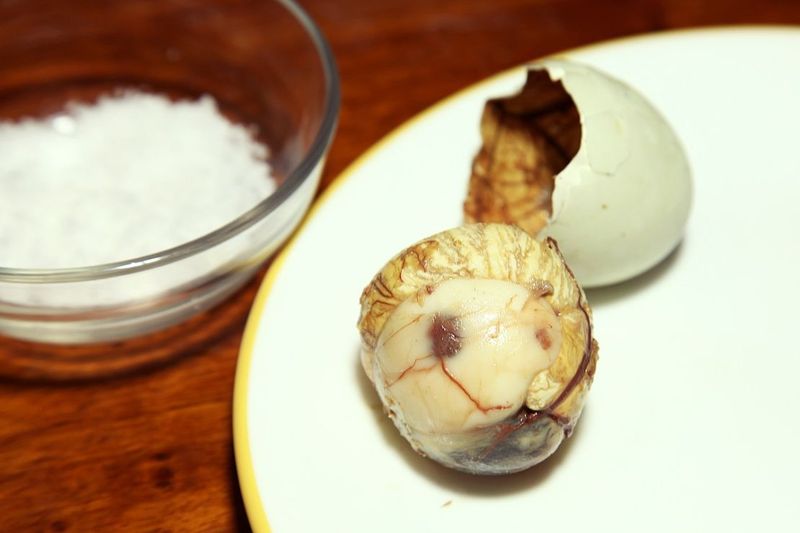
A popular street food in the Philippines, balut is a fertilised duck egg that’s boiled and eaten warm. It’s known for its rich, savoury flavour and soft texture, often enjoyed with a sprinkle of salt or a splash of vinegar. Many locals see it as a hearty, protein-packed snack rather than a novelty.
Though it can surprise visitors, it’s a long-standing part of Filipino food culture.
2. Hákarl
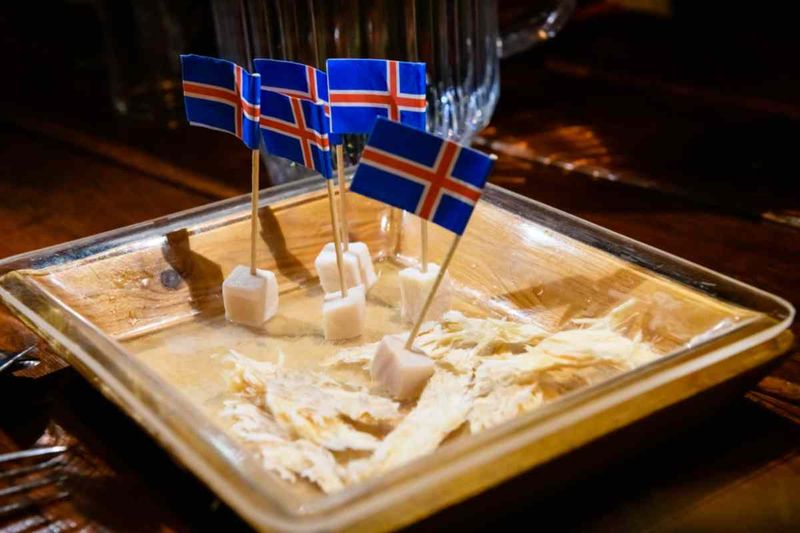
Iceland's national dish involves Greenland shark meat that's been fermented and hung to dry for several months. The curing process removes toxins that would otherwise make the shark poisonous to humans.
First-time tasters often describe hákarl as having an overwhelming ammonia smell. Despite its pungent aroma, Icelanders have eaten this preserved shark for centuries, especially during traditional celebrations and festivals.
3. Casu Marzu
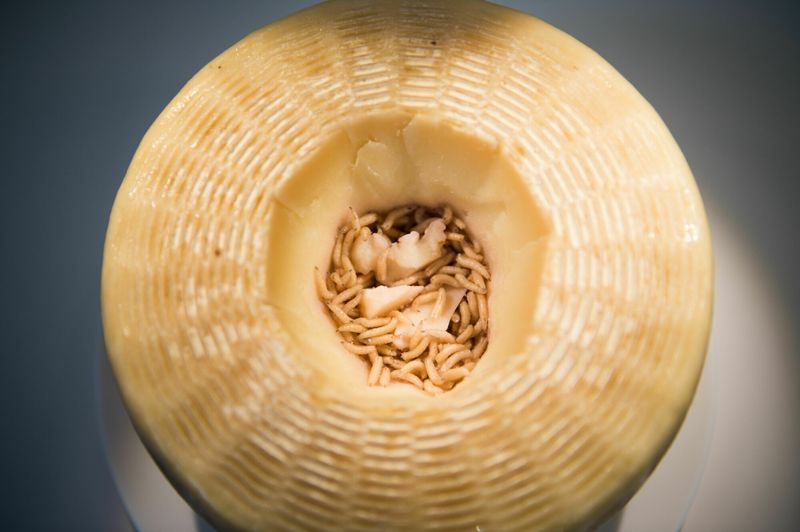
In Sardinia, this traditional sheep’s milk cheese has gained fame for its unusual ageing process. Made using time-honoured methods, it develops a creamy texture and intense flavour that cheese enthusiasts adore.
Despite modern food safety rules limiting its sale, some locals still make it privately for special occasions. It’s a bold taste of Sardinia’s rural traditions and history.
4. Century Egg
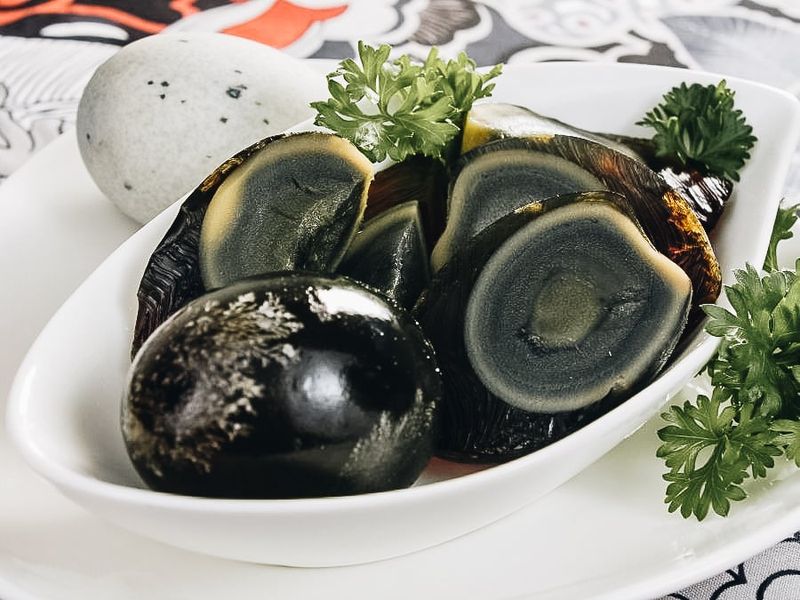
Chinese cuisine features these preserved duck, chicken, or quail eggs that turn dark green and develop a jelly-like texture. Despite the name, they're only preserved for several weeks to months in a mixture of clay, ash, and salt.
The yolk transforms into a creamy grey colour with snowflake patterns throughout. Century eggs taste rich and complex, with a slightly sulphuric aroma that adventurous eaters find surprisingly pleasant.
5. Fugu
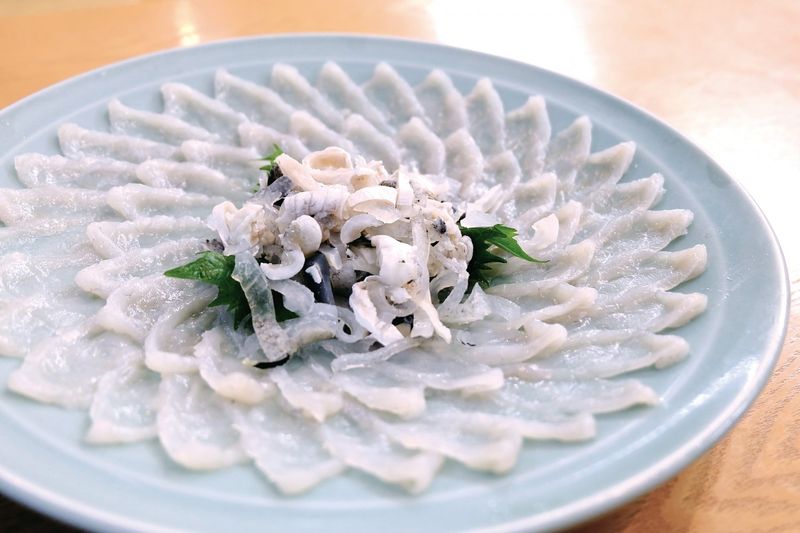
This delicate Japanese dish, made from pufferfish, has a reputation for being one of the country’s most carefully prepared foods. Only certified chefs are trained to handle it properly, ensuring it’s perfectly safe to enjoy.
The meat has a mild, clean flavour that pairs beautifully with light dipping sauces. For many diners, trying fugu is more about the cultural experience than the thrill.
6. Sannakji
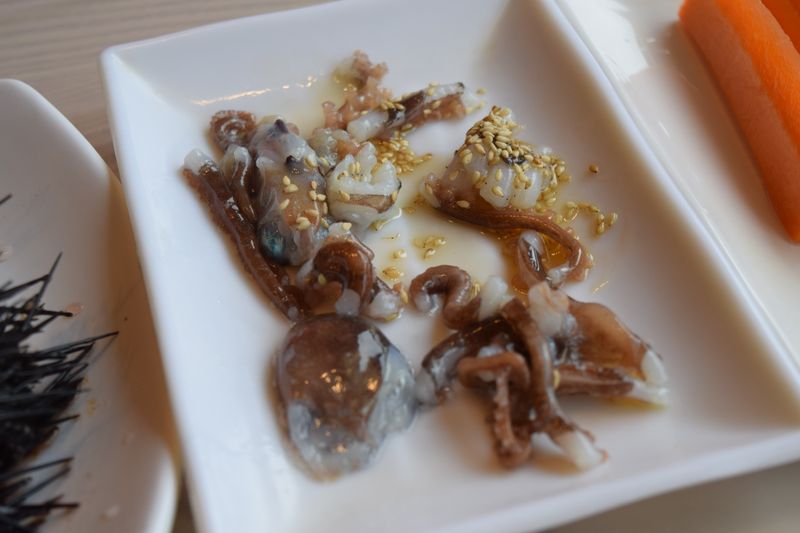
Korean cuisine is famous for its freshness, and sannakji takes that idea to another level. Made with small pieces of freshly prepared octopus, it’s seasoned with sesame oil and seeds for a savoury, ocean-rich taste.
The dish is known for its unique texture and the skill it takes to eat properly. It’s a popular choice among food lovers looking for something truly memorable.
7. Escamoles
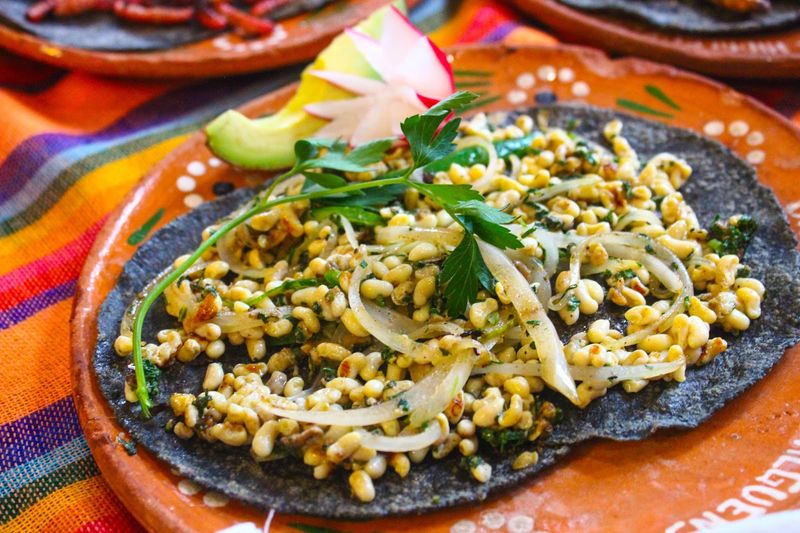
In Mexico, escamoles are known as a delicacy that dates back to ancient times. These ant larvae are harvested from agave plants and prized for their mild, nutty flavour. They’re often sautéed with butter and spices or served in tacos alongside guacamole.
The dish is a celebrated example of how traditional ingredients continue to influence modern Mexican cuisine.
8. Witchetty Grub
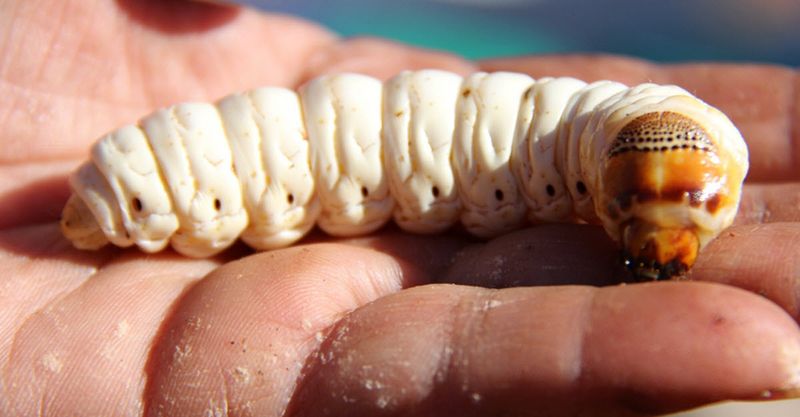
Aboriginal Australians have eaten these large, white moth larvae for thousands of years as an important protein source. Found in the roots of witchetty bushes, each grub grows as thick as an adult's thumb and can be eaten raw or cooked.
Raw witchetty grubs supposedly taste like almonds, whilst cooked ones develop a crispy skin with a chicken-like centre. Modern Australian restaurants now feature them on menus, introducing tourists to authentic bush tucker.
9. Fried Tarantulas
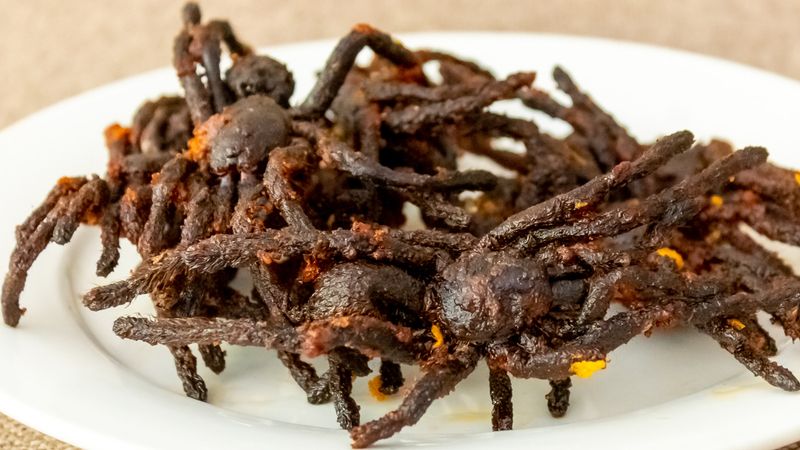
Cambodian markets sell these crispy arachnids as popular street snacks, a tradition that began during food shortages under the Khmer Rouge regime. Vendors deep-fry the spiders with garlic and salt until the legs become crunchy like crisps.
The abdomen contains a soft, white meat that some compare to fish or chicken. Tourists often buy fried tarantulas as a dare, but locals genuinely enjoy them as a tasty, protein-rich treat during their daily routines.
10. Snake Soup
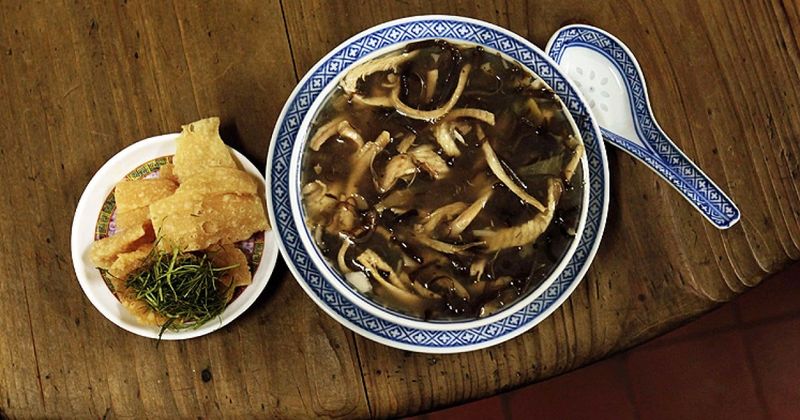
Hong Kong restaurants specialise in this warming winter soup made from several snake species, including cobra and water snake. Traditional Chinese medicine considers snake meat beneficial for health, particularly for improving circulation and strengthening bones.
Chefs combine the snake meat with chicken, mushrooms, and Chinese herbs to create a rich, flavourful broth. The meat tastes mild and slightly chewy, similar to fish, making it more palatable than many first-timers expect.
11. Tuna Eyeballs
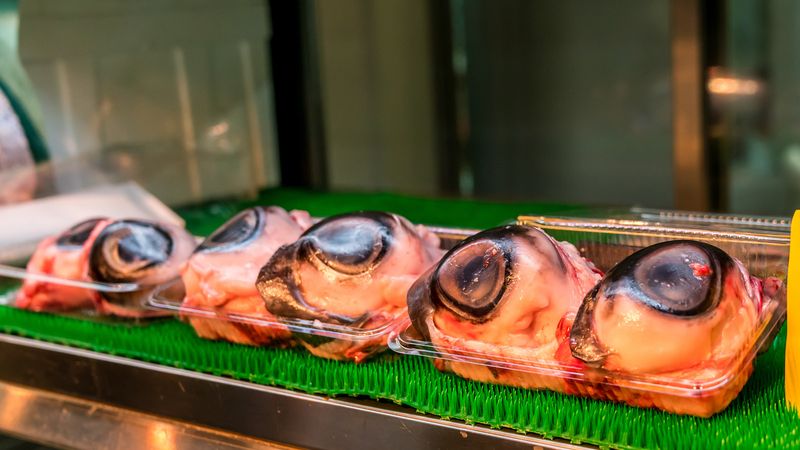
Japanese fish markets sell these tennis-ball-sized eyeballs that are surprisingly affordable compared to other tuna parts. Cooks typically boil or steam them with soy sauce and seasonings, creating an unusual but nutritious meal.
The eyeball contains fatty tissue surrounding a hard centre, with a texture some describe as squid-like. Whilst the appearance puts off many people, those who try it find the flavour mild and the omega-3 content impressively high.
12. Frog Legs
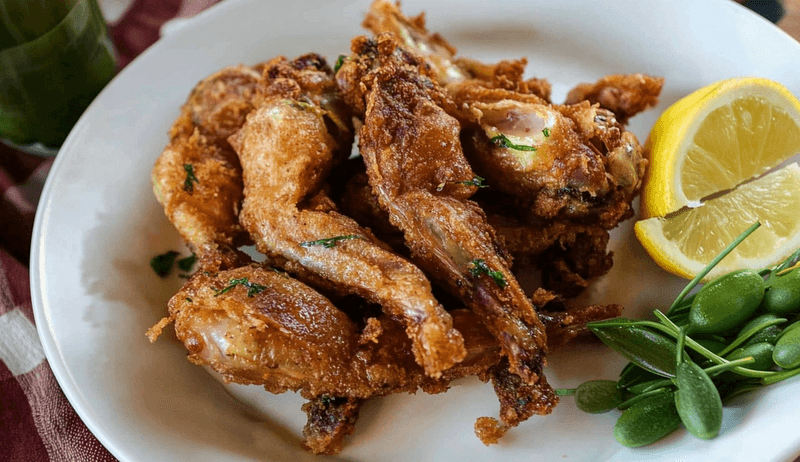
French cuisine made frog legs famous, though cultures across Asia and parts of America also enjoy them regularly. Restaurants typically serve the hind legs, which contain tender white meat that genuinely resembles chicken in both taste and texture.
Chefs usually prepare them by sautéing in garlic butter or coating them in breadcrumbs before frying. Each leg provides only a few bites, so orders typically include several pairs arranged attractively on the plate.