










The 1970s gave us flared trousers, disco nights, and some truly questionable food trends - many of which wouldn’t make it past today’s safety standards. From artificial dyes to ingredients later found to be harmful, plenty of once-ordinary foods have since vanished from supermarket shelves. Looking back at what we used to eat reveals just how much our understanding of nutrition and safety has evolved.
This article is for general informational and entertainment purposes only. Food regulations, ingredients, and product availability may vary by country and over time. Photos are for illustrative purposes only.
1. Artificially Coloured Pickled Eggs
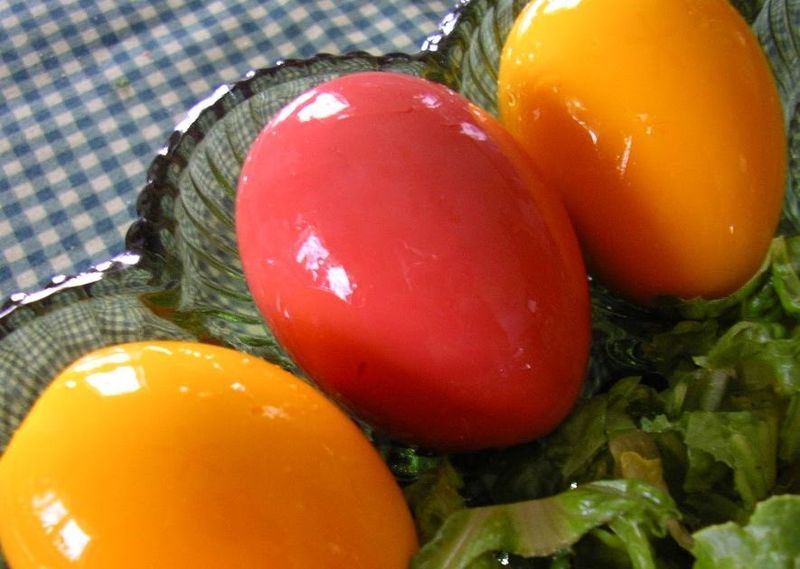
These neon-hued pickled eggs were a common sight in the 1970s, glowing in bright pinks and yellows from synthetic dyes like Red No. 2 and Yellow No. 5. The colours made them eye-catching in shop displays, but later research linked those dyes to allergic reactions and hyperactivity in children.
By the 1980s, the most vivid colourants were banned or heavily restricted. Today’s versions may look milder, but they’re far safer to eat.
2. Formaldehyde-Preserved Noodles

Some instant noodles in the 1970s were treated with trace amounts of formaldehyde to prolong shelf life during long shipping times. The chemical helped prevent spoilage but posed serious health risks once scientists understood its toxicity.
Regulators soon outlawed its use in food production worldwide. Modern packaging and safety standards have made preservatives like this a thing of the past.
3. Beef On The Bone

During the mad cow disease crisis, this Sunday roast staple vanished from butchers' counters. The government banned beef on the bone in 1997 after fears that BSE could lurk in the spinal column and bone marrow.
Throughout the 70s, families gathered around tables carving juicy bone-in joints without a care in the world. Many older Brits still reminisce about how meat tasted better when cooked on the bone.
4. Artificially Sweetened Canned Fruit
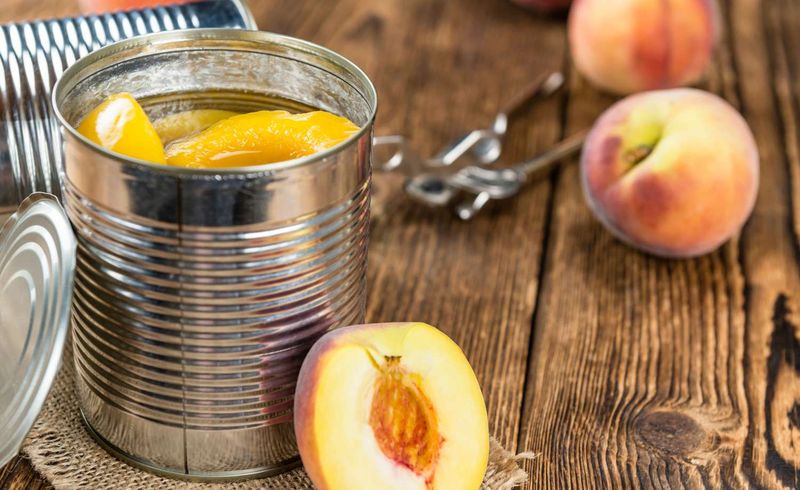
In the 1970s, many canned fruit varieties were packed in syrup sweetened with early artificial sweeteners such as saccharin. At the time, these additives were hailed as a calorie-saving alternative to sugar. Later studies linked excessive consumption of certain sweeteners to potential health risks, prompting tighter regulation and reformulation.
Today, canned fruits are typically preserved in natural juice or light syrup instead of chemical substitutes.
5. Sudan 1 Food Colouring
Bright orange-red Sudan 1 dye gave 70s foods that eye-catching colour consumers craved. It lurked in everything from ready meals to Worcester sauce, creating vibrant hues that made products pop on shelves.
Nobody batted an eyelid until research linked it to cancer. The 2005 recall of Sudan-containing products became one of Britain's largest food safety operations ever. Modern food scientists now use natural alternatives like beetroot and paprika extract.
6. Raw Milk Cheeses
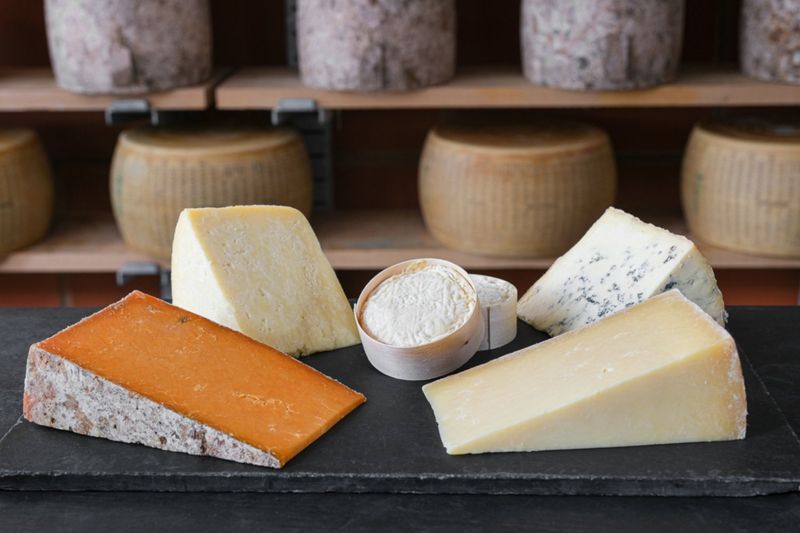
Farmhouse cheeseboards in the 70s featured numerous varieties made from unpasteurised milk. Folks bought them from local markets without questioning their safety, prizing their complex flavours.
Stricter hygiene regulations now ban many raw milk products due to bacteria risks. Health scares involving Listeria and E.coli prompted the changes. Some artisanal versions still exist under tight controls, but the free-wheeling raw milk cheese market is history.
7. Butter Dyed With Coal Tar
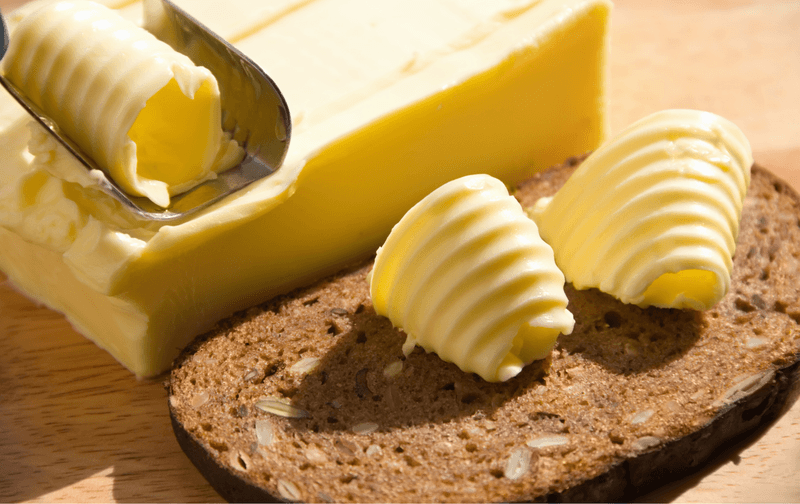
That sunny yellow butter on 70s breakfast tables wasn't natural. Manufacturers commonly used coal tar dyes to give pale winter butter the golden hue consumers expected year-round.
These industrial dyes are now banned as carcinogens. Back then, no one thought twice about it! The vibrant colour convinced shoppers they were getting high-quality butter, regardless of the season or what the cows had actually been eating.
8. Cyclamate Sweeteners
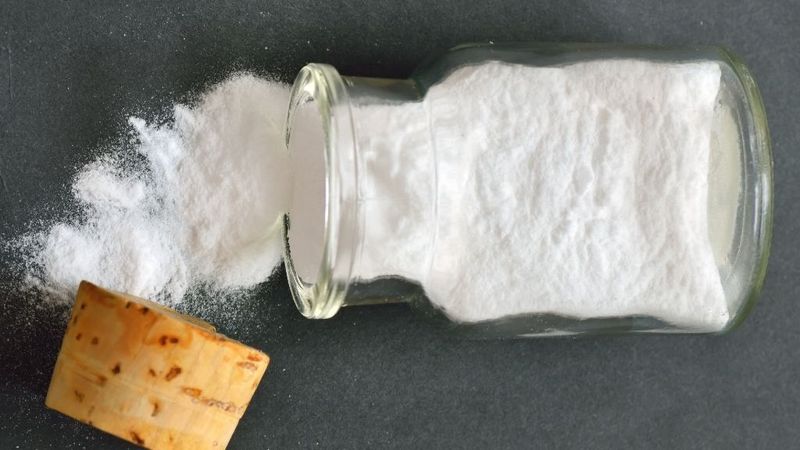
Tab, Panda Pops and other diet drinks of the 70s contained cyclamates – artificial sweeteners 30 times sweeter than sugar. These miracle ingredients helped slimmers enjoy sweet treats without calories.
Then studies linked them to bladder cancer in rats. Britain banned cyclamates in 1969, but many products containing them remained on shelves well into the 70s as stocks cleared. Weight-conscious Brits sipped their cyclamate-laden drinks blissfully unaware of any risks.
9. Unregulated Shellfish

Fancy a prawn cocktail? In the 70s, shellfish wasn't subject to today's strict hygiene rules. Seafood often travelled unrefrigerated and testing for toxins was minimal.
Coastal holidaymakers bought shellfish from beach vendors without a second thought. Modern food safety laws now require rigorous testing for algal toxins and bacterial contamination. Those casual seaside shellfish stalls with questionable refrigeration are mostly memories.
10. Brominated Vegetable Oil
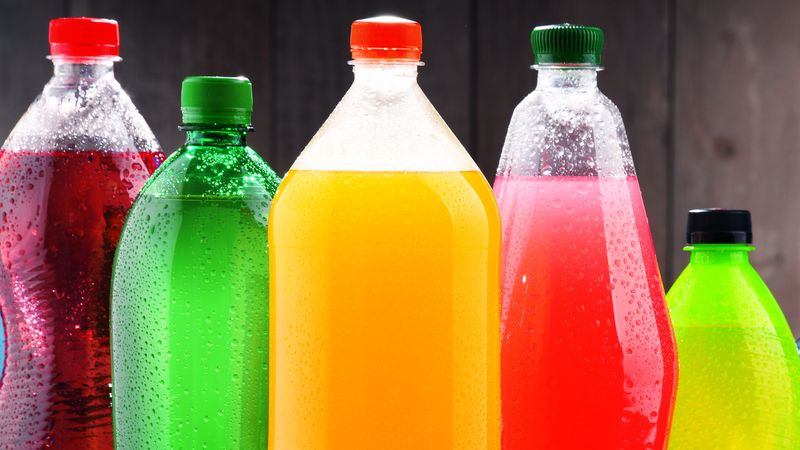
Those cloudy citrus drinks in your 70s packed lunch contained brominated vegetable oil (BVO). This additive kept the fruit flavours mixed in rather than floating to the top.
Scientists later discovered bromine builds up in the body, potentially causing memory loss and skin problems. While America only recently banned BVO, the UK axed it decades ago. Those unnaturally bright orange and yellow fizzy drinks of the 70s packed a chemical punch!
11. Offal-Stuffed Sausages

Sausages in the 70s contained parts of animals modern Brits would rather forget. Hearts, lungs, tripe and other offal filled casings alongside mysterious fillers and preservatives.
The 'meat content' regulations were practically non-existent. Post-BSE crisis, stricter rules banned certain offal in processed meats. Today's sausage fans would be shocked at what lurked in those glistening links sizzling under the grill at breakfast time!
12. Mercury-Laden Fish
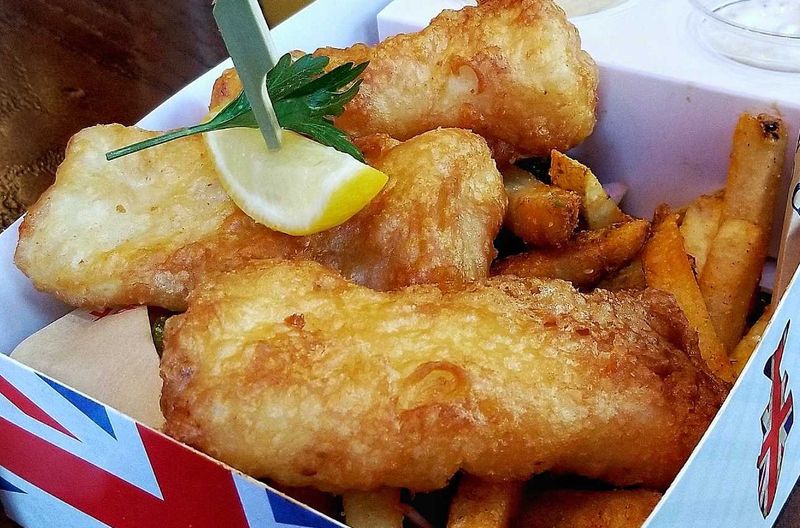
Fish and chip shops in the 70s served species now known to contain dangerous mercury levels. Shark (sold as 'rock salmon') and marlin were Friday night favourites, served without warnings.
Nobody monitored mercury levels back then. Scientists later discovered these predatory fish accumulate toxic mercury through their diet. Pregnant women now avoid them entirely, and consumption advisories exist for everyone else. The 70s chip shop menu looks positively dangerous by today's standards!
13. High-Lead Content Tinned Foods
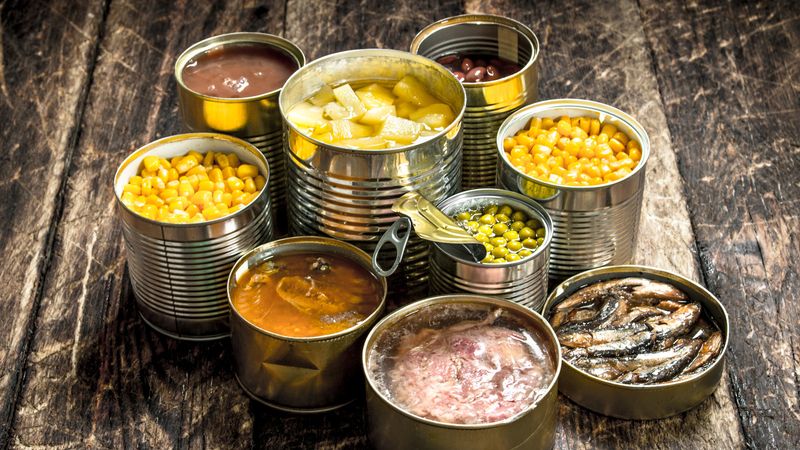
Those convenient tinned fruits and vegetables in 70s pantries had a hidden danger – lead solder sealed the cans. Small amounts leached into food, especially acidic products like tomatoes and pineapple.
Nobody worried about lead poisoning from their tinned peaches! Regulations now prohibit lead solder in food containers. The convenience of tinned food seemed worth any risk, as busy 70s housewives embraced time-saving options without questioning their safety.
14. Improperly Cured Meats
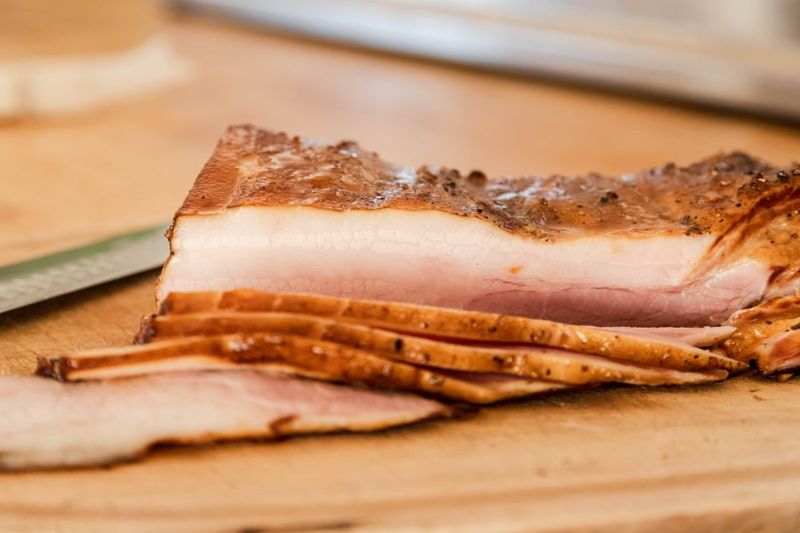
Local butchers in the 70s produced home-cured hams and bacons without standardised nitrite levels. Some contained dangerously high preservative concentrations while others had too little to prevent botulism.
Families bought these meats directly from counters with no nutritional information or ingredient lists. Modern food safety laws now strictly control curing processes. That distinctive pink colour in your grandparents' Sunday ham came from chemicals now considered hazardous in high amounts!
15. Oil-Injected Oranges

Bright orange citrus in 70s fruit bowls often got their colour from artificial means. Some Mediterranean exporters injected oranges with Rhodamine B dye to make pale fruits look riper and more appealing.
Nobody tested for these substances at UK borders. The practice was eventually banned after health concerns emerged. Those suspiciously perfect-looking oranges at Christmas weren't just naturally good specimens – they had help from the chemical industry!
16. Synthetic Vanilla Made From Wood Pulp

That vanilla ice cream from the corner shop in the 70s likely contained vanillin derived from wood pulp and coal tar. Real vanilla was expensive, so chemical alternatives dominated the market.
The manufacturing process used chemicals now considered harmful. Most people had no idea their 'vanilla' flavour came from timber industry byproducts! Modern regulations require clearer labelling, but back then, artificial flavours slipped into foods without much scrutiny.