


In the 1960s, many everyday foods contained additives that were considered safe at the time but are now banned across Europe. From brightly coloured ice lollies to flavoured cordials, manufacturers often used chemicals that only later raised health concerns.
Over time, research revealed risks associated with some of these ingredients, leading to stricter regulations and their removal from supermarket shelves.
This article is for general informational purposes only. Availability, formulations, and regulations may have changed since the 1960s. Photos are for illustrative purposes only.
1. Cyclamates (E952)
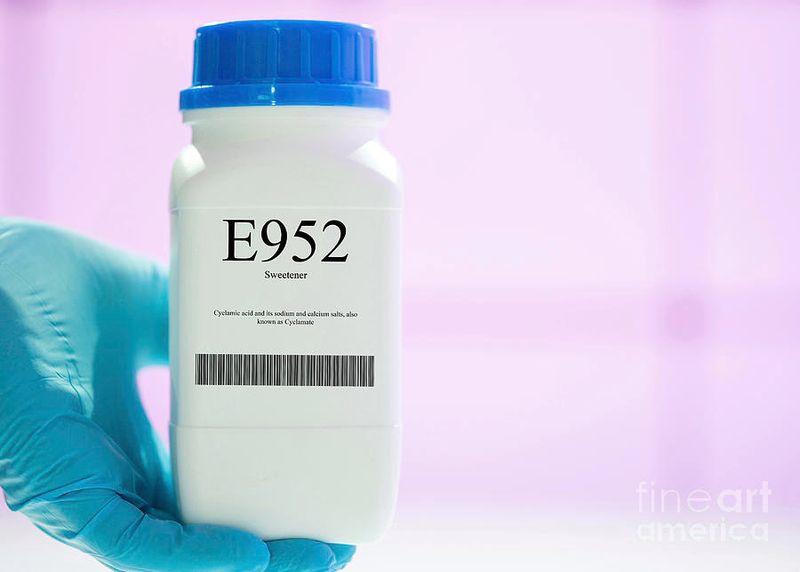
Imagine sipping a fizzy drink sweetened with something thirty times sweeter than sugar, yet containing zero calories. That was the magic of cyclamates, artificial sweeteners that flooded British soft drinks, puddings, and squashes throughout the sixties.
American researchers raised alarm bells in 1969 after lab tests suggested a possible link to bladder cancer in rats. Though the evidence remained contested, the UK followed suit and banned cyclamates in 1969, despite their popularity.
Interestingly, over fifty countries still permit their use today, including Switzerland and Australia, though they remain off limits here.
2. Brominated Vegetable Oil (BVO)
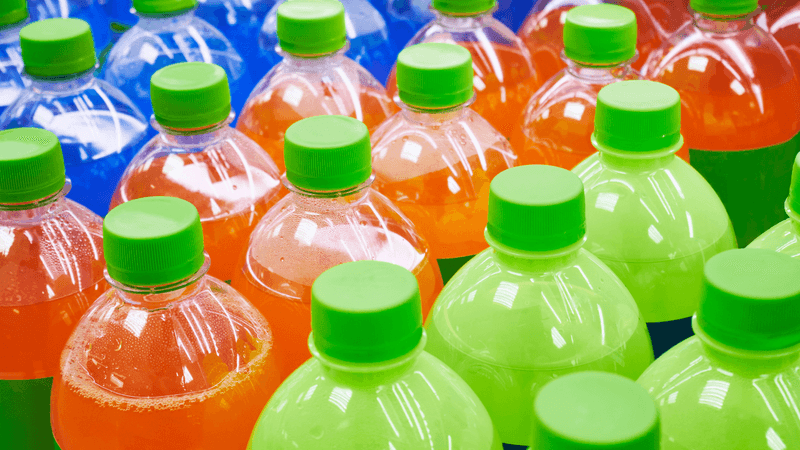
Ever wonder why your orange squash stayed perfectly mixed instead of separating into layers? Brominated vegetable oil was the secret weapon keeping citrus flavours suspended in fizzy drinks and cordials across Britain.
Derived from vegetable oil treated with bromine, a chemical also found in flame retardants, BVO started raising eyebrows when scientists noticed it could accumulate in body tissues. The EU banned it in 1977 after health concerns emerged.
Meanwhile, some American soft drinks continued using it until very recently, proving that food safety standards vary wildly across the pond.
3. E123 Amaranth Red Dye

Bright red sweets, lurid pink Angel Delight, and vividly coloured tinned cherries owed their eye-catching hues to amaranth, a synthetic red dye that was everywhere in the sixties. Manufacturers adored it because it created intense, stable colours that didn't fade.
Russian studies in the early seventies suggested amaranth might cause birth defects and cancer, prompting the United States to ban it in 1976. The UK and EU followed shortly after, though some countries like Switzerland never stopped using it.
These days, natural alternatives like beetroot extract have taken its place, though they're nowhere near as vibrant.
4. Diethylstilbestrol (DES) In Poultry Feed
British farmers in the sixties discovered a shortcut to plumper chickens and faster growth rates by adding diethylstilbestrol to poultry feed. This synthetic oestrogen hormone made birds gain weight rapidly, boosting profits considerably.
What seemed like agricultural innovation turned sinister when researchers linked DES to serious health problems, including cancer and reproductive issues in both animals and humans consuming the meat. The UK banned its use in livestock in 1982, following mounting scientific evidence.
Today, hormone use in meat production remains strictly prohibited across Europe, unlike in some other countries where growth hormones are still permitted.
5. E127 Erythrosine (Red No. 3)
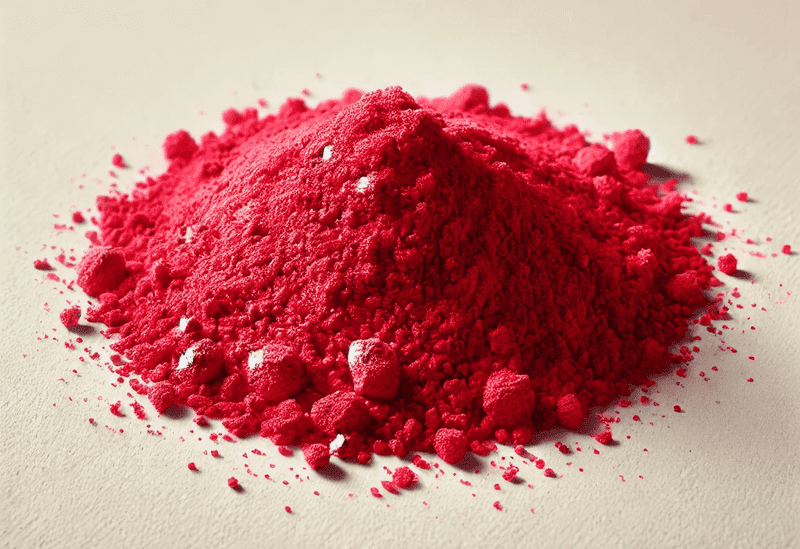
Glacé cherries perched atop trifles and Battenberg cakes glowed with an almost fluorescent pink thanks to erythrosine, a coal tar dye that dominated British baking in the sixties. Biscuit manufacturers and sweet makers relied on it for that distinctive, slightly unnatural rosy tint.
Studies in the eighties revealed erythrosine could interfere with thyroid function and potentially promote tumour growth in laboratory animals. The EU restricted its use significantly in 1994, though it's not completely banned.
Nowadays, you'll rarely spot it on ingredient lists, as manufacturers have switched to safer, plant-based colourings instead.
6. Certain Azo Dyes (e.g., Tartrazine And Sunset Yellow)
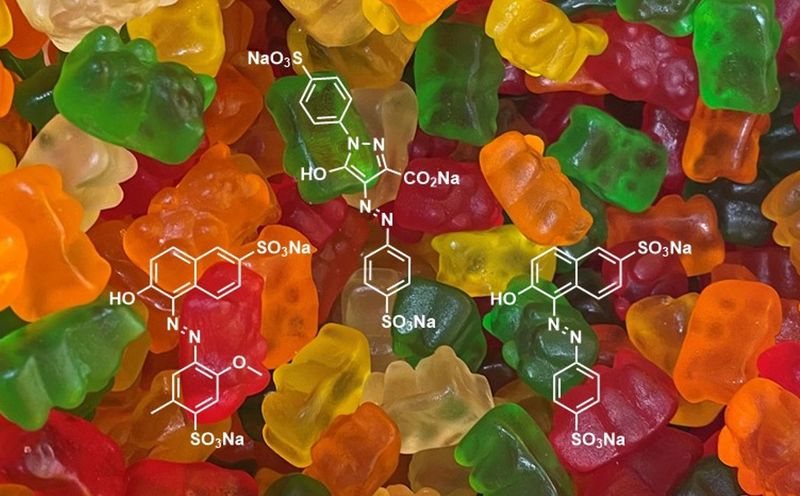
Walk down any sweet shop aisle in the sixties and you'd be dazzled by fluorescent yellows and oranges created by azo dyes like tartrazine and sunset yellow. These synthetic colourings appeared in everything from custard powder to penny sweets.
Research eventually connected these dyes to hyperactivity in children, prompting the EU to require warning labels in 2010 rather than outright bans. Many British manufacturers voluntarily removed them anyway, worried about consumer backlash.
Whilst not completely banned, their use has plummeted dramatically since the sixties, with natural alternatives like turmeric and paprika extract becoming the norm.
7. Boric Acid And Borax Preservatives
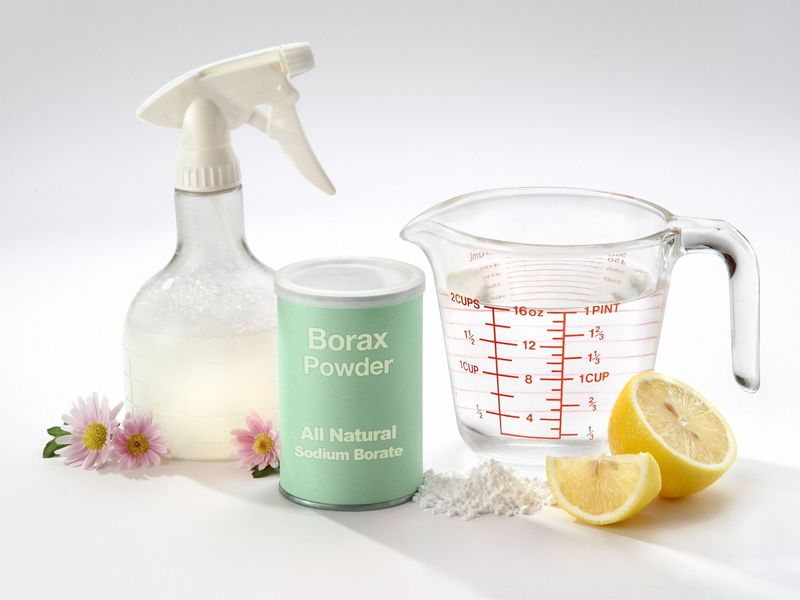
Your nan might remember when butter, margarine, and caviar contained boric acid and borax to extend their shelf life. These preservatives were commonplace in British kitchens throughout the sixties, keeping foods fresh longer without refrigeration.
Scientists gradually realised that regular consumption could lead to kidney damage and digestive problems, as these compounds accumulated in the body over time. The UK banned their use in food during the 1960s and 1970s.
Oddly enough, boric acid still appears in some imported foods from countries with less stringent regulations, though it's strictly prohibited here.