







Step back into post-war Britain when kitchens were simpler, and food safety laws were still finding their footing.
Many everyday staples from the 1950s would raise eyebrows today – or even be outright banned.
From chemical additives once prized for their “miracle” effects to meats now protected by conservation laws, these foods paint a fascinating picture of how much our diets, and our understanding of safety, have evolved over time.
All information is provided for general interest only.
Availability, legality, and safety standards may vary by region and current regulation.
Photos are for illustrative purposes only.
1. Potassium Bromate

Your local baker probably used this chemical to make bread rise higher and look whiter, completely unaware of the health risks lurking in every loaf.
Potassium bromate was a staple in British bakeries throughout the 1950s, giving bread that perfect fluffy texture everyone loved.
Turns out, this additive wasn't quite as harmless as bakers thought.
Research eventually linked it to cancer risks, leading to its ban across the EU in 1990.
These days, British bakers rely on safer alternatives like ascorbic acid to achieve similar results without the dodgy side effects.
2. Coumarin Flavouring

Remember when your mum's homemade custard or pudding had that distinctive vanilla-like flavour?
That wasn't always pure vanilla – many British cooks in the 1950s unknowingly used coumarin, a compound naturally found in tonka beans and cassia cinnamon.
Food manufacturers loved adding it to desserts, baked goods, and even some beverages because it was cheap and gave a lovely warm flavour.
Unfortunately, scientists discovered that high doses could damage the liver.
The UK banned its use as a food additive, though tiny amounts still occur naturally in cinnamon.
3. Safrole-Rich Sweets

Kids in the 1950s absolutely adored their root beer flavoured sweets and sassafras treats, blissfully unaware that safrole was the secret ingredient behind that distinctive taste.
British sweet shops stocked these American-inspired goodies, and they flew off the shelves.
Safrole comes from sassafras trees and was widely used in confectionery and soft drinks.
When researchers found it could potentially cause cancer in laboratory studies, alarm bells started ringing.
By the 1960s, safrole was banned from food products in both Britain and America, changing sweet recipes forever.
4. Whale Meat

Believe it or not, whale steaks appeared in British butcher shops during and after World War Two, sold as an affordable protein when traditional meat was rationed.
The government actually encouraged people to eat it, distributing recipes and promoting it as nutritious.
Most Brits found it rather fishy and tough, but desperate times called for desperate measures.
As the economy recovered and meat rationing ended, whale meat quickly fell out of favour.
Commercial whaling bans and conservation efforts have since made whale meat illegal to sell in the UK, thankfully protecting these magnificent creatures.
5. Swan Meat

Fancy a bit of swan for Sunday dinner?
In centuries past, this was a delicacy reserved for royalty, but by the 1950s, the occasional poacher still tried their luck despite existing laws.
All unmarked mute swans technically belong to the Crown, making them off limits to everyone else.
Eating swan had become increasingly rare by the mid-twentieth century, but some rural communities still whispered about the old days.
Today, swans are fully protected under the Wildlife and Countryside Act 1981.
Harming or eating one could land you in serious legal trouble, with hefty fines or even prison time.
6. Songbirds (Larks And Thrushes)

Hard to imagine now, but tiny songbirds like larks and thrushes occasionally ended up on British plates well into the twentieth century, particularly in rural areas.
French cuisine influenced some posh restaurants to serve these delicate birds, whilst country folk sometimes trapped them out of tradition.
As people became more aware of declining bird populations and animal welfare, attitudes shifted dramatically.
The Wildlife and Countryside Act put a stop to this practice entirely, making it illegal to kill or eat most wild birds.
Now we enjoy their beautiful songs instead of serving them with gravy.
7. Raw Drinking Milk

Fresh from the cow and straight into your glass – raw milk was completely normal in 1950s Britain, delivered daily by the friendly milkman in glass bottles.
Nobody thought twice about drinking unpasteurised milk, despite the health risks we understand today.
Pasteurisation, which kills harmful bacteria like E. coli, salmonella, and listeria, wasn't mandatory back then.
Outbreaks of illness eventually prompted stricter regulations.
Whilst raw milk isn't completely banned in England and Wales, it can only be sold directly from farms with strict hygiene controls, and it must carry health warnings.
8. Formalin-Preserved Fish
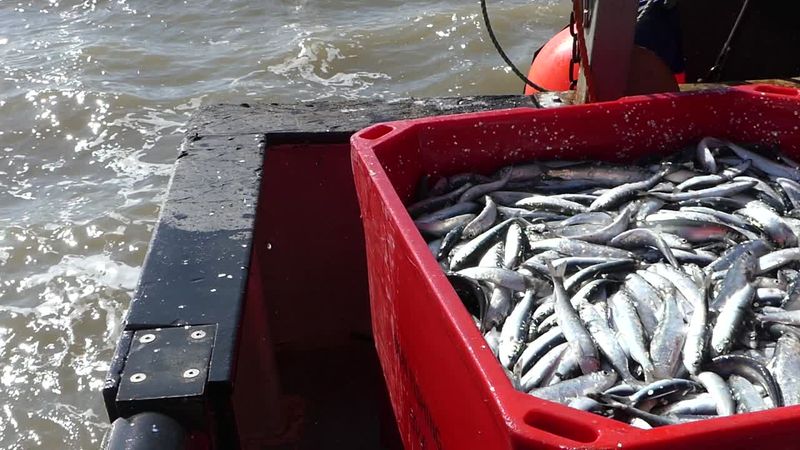
During the post-war years, when refrigeration was still limited in parts of Britain, some fishmongers used formalin (a solution containing formaldehyde) to keep fish looking fresh for longer.
It worked wonders for appearance but was incredibly dangerous for health.
As food safety standards improved, formalin use in food preservation was outlawed, and proper cold storage became the norm.
Today, strict inspections ensure seafood reaches the market safely chilled – not chemically preserved.
9. Lead-Based Sweets Wrappers
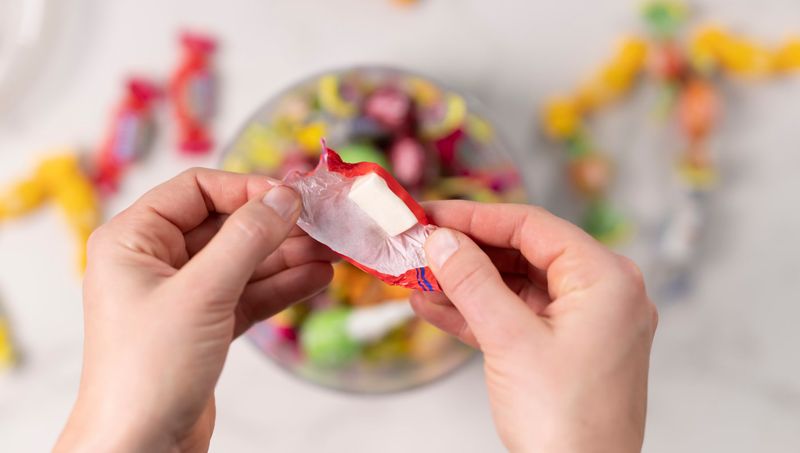
In the 1950s, many sweets came wrapped in brightly coloured foils that contained traces of lead.
At the time, nobody thought twice about it; the focus was on how shiny and festive the packaging looked.
It wasn’t until later that scientists realised lead could leach into the sweets, especially in warmer conditions, posing serious health risks.
Modern food safety laws now strictly regulate food packaging materials, ensuring they’re entirely non-toxic and safe for consumers.