









Bananas are one of the world's most popular fruits, but they're also surrounded by a bunch of misconceptions. From how they grow to their nutritional value, these yellow fruits have been misunderstood for years. Let's peel back the layers of misinformation and get to the truth about these curved wonders.
This article is for general information and lighthearted reading only. It explores common myths about bananas that many people still believe.
1. Bananas Grow On Trees
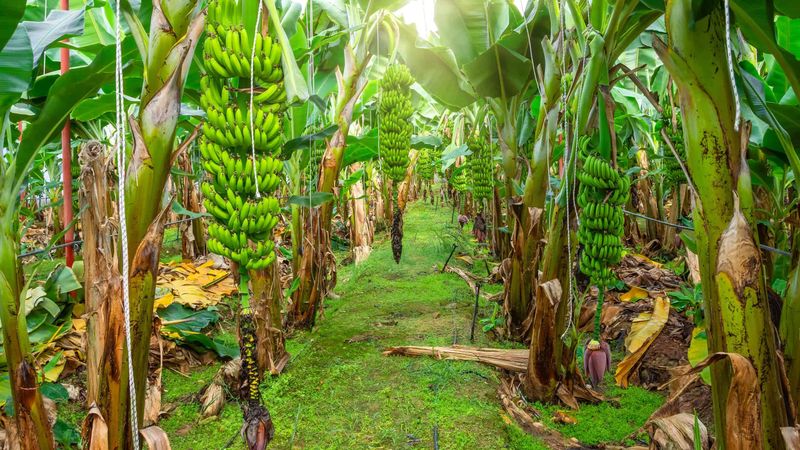
Despite their tree-like appearance, banana plants are actually giant herbs! The trunk isn't wood but tightly packed leaves.
These remarkable plants are related to lilies and orchids, not palm trees. After fruiting once, the main stem dies and is replaced by new growth from the base.
2. Bananas Are High In Fat
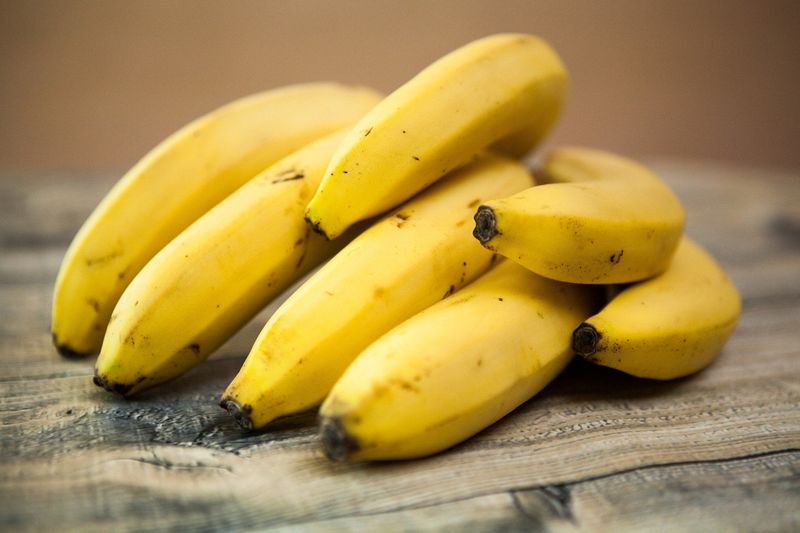
Contrary to popular belief, bananas are virtually fat-free! A medium banana contains less than half a gram of fat, making them an excellent snack option for those watching their fat intake.
Their creamy texture often fools people into thinking they're fatty, but it's actually their unique starch composition creating that satisfying mouthfeel.
3. Bananas Make You Gain Weight
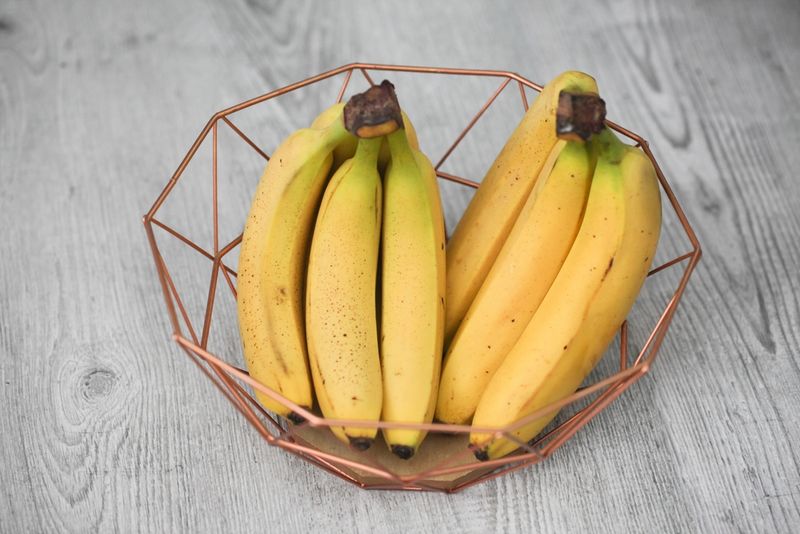
The fear of bananas causing weight gain is unfounded. At roughly 105 calories per medium fruit, they're actually quite reasonable for their filling nature.
Rich in fiber and water, bananas help you feel full longer. Studies show banana eaters tend to consume fewer calories overall, potentially aiding weight management rather than hindering it.
4. Bananas Are Loaded With Sugar
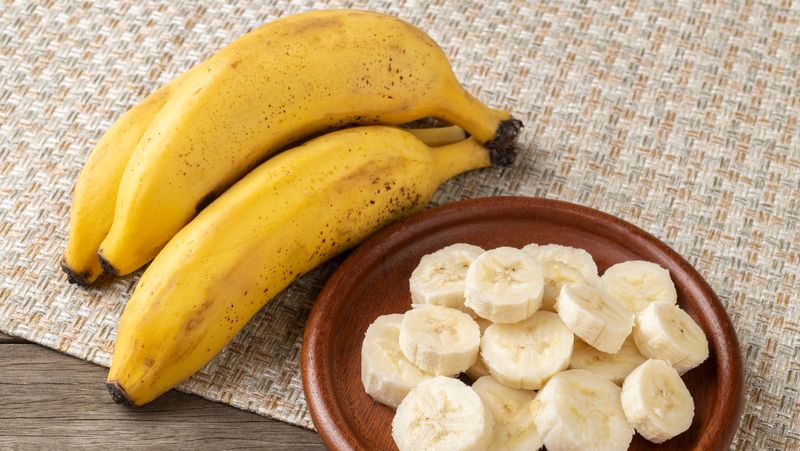
While bananas do contain natural sugars, they're far from "loaded." A medium banana has about 14g of sugar – less than a small apple!
What makes bananas special is their perfect packaging. The fiber slows sugar absorption, preventing blood sugar spikes. This natural balance makes them a smarter choice than processed sweet treats.
5. Bananas Are Only Yellow When Ripe
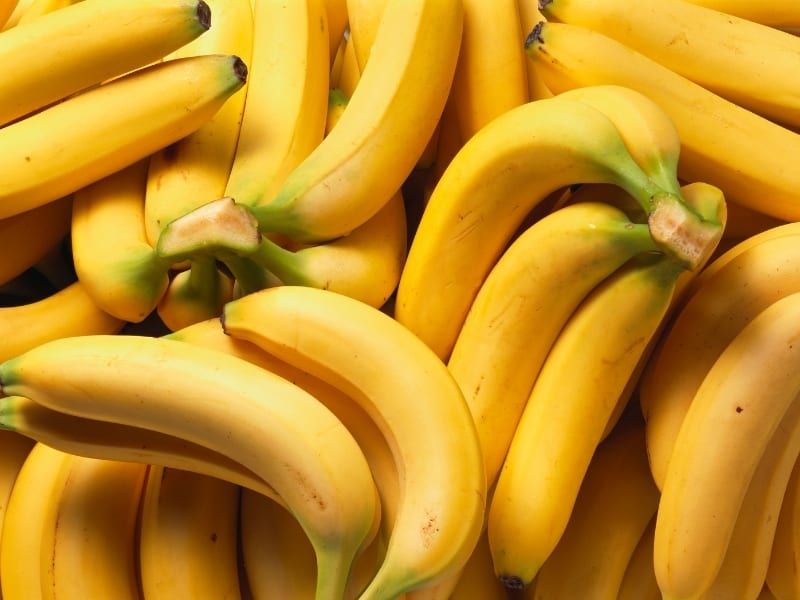
Yellow might be the classic banana colour, but ripeness shows itself differently across varieties. Red bananas turn reddish-purple when ready to eat, while some varieties remain green even when perfectly ripe.
In parts of Southeast Asia, people prefer starchy, green cooking bananas that never yellow. Colour is simply a characteristic of the specific variety.
6. Bananas Are Bad For People With Diabetes
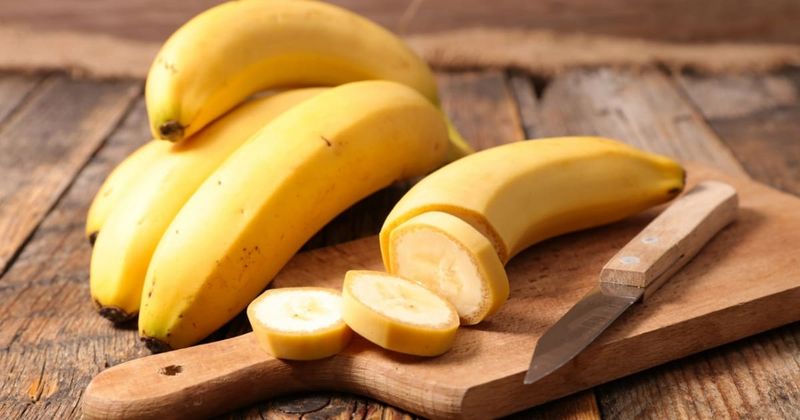
Many assume bananas are off-limits for diabetics because of their sweetness. The reality is more nuanced – bananas have a medium glycemic index of around 51.
Their fiber content helps moderate blood sugar impact. Nutritionists often recommend slightly underripe bananas for diabetics, as they contain resistant starch that causes smaller blood glucose increases.
7. Bananas Are Native To The Caribbean
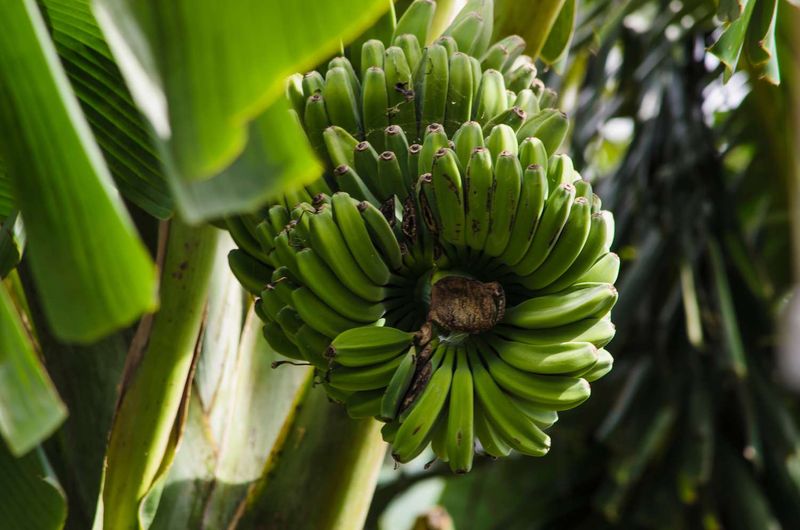
Surprised? Bananas actually originated in Southeast Asia, specifically regions of Malaysia, Indonesia, and the Philippines – not the Caribbean or Central America!
Arab traders brought them to Africa, and Portuguese explorers later introduced them to the Americas in the 16th century. Today's major production in Caribbean and Latin American countries came much later.
8. Bananas Have No Protein
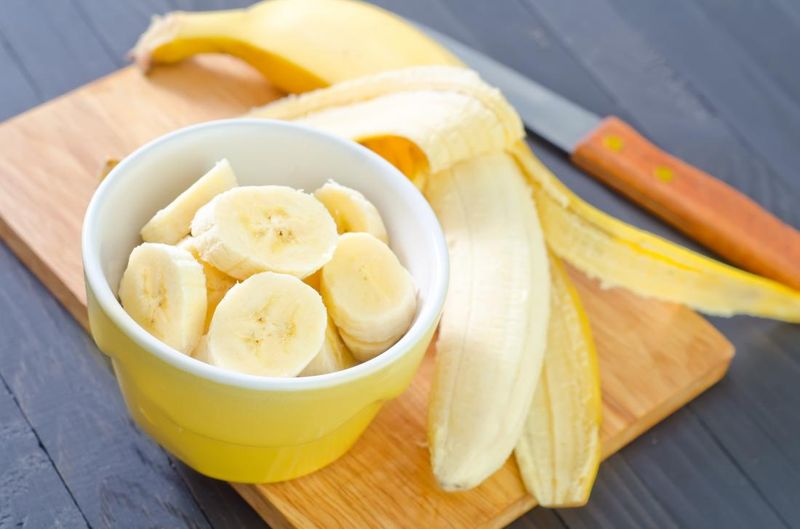
While not a protein powerhouse, bananas aren't completely devoid of this nutrient. A medium banana contains about 1.3 grams of protein – modest but present.
For comparison, an egg has about 6 grams. Interestingly, green bananas contain slightly more protein than fully ripened ones. Combined with other protein sources, bananas can contribute to your daily intake.
9. Bananas Always Ripen Naturally
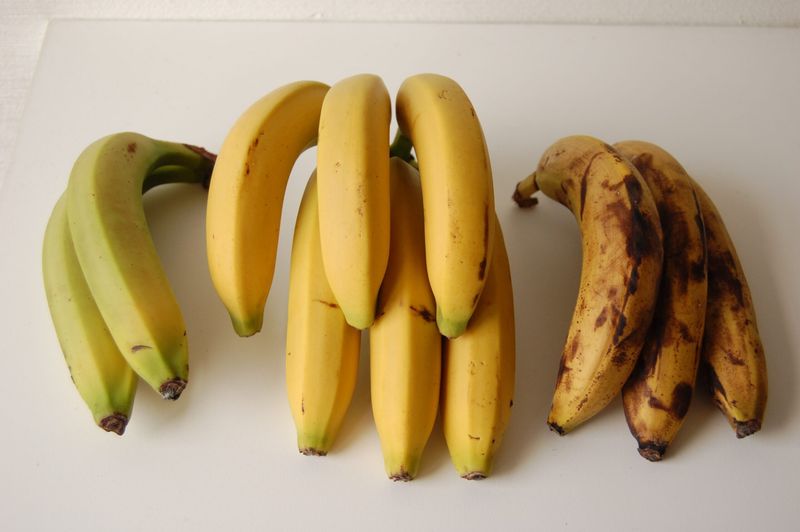
Those perfectly yellow bananas at your supermarket likely had some human intervention. Commercial bananas are typically harvested green and firm for shipping.
Once they reach their destination, they're placed in special ripening rooms where ethylene gas is introduced. This controlled environment ensures bananas ripen uniformly and reach shops at the ideal stage for consumers.
10. Bananas Are All The Same Variety
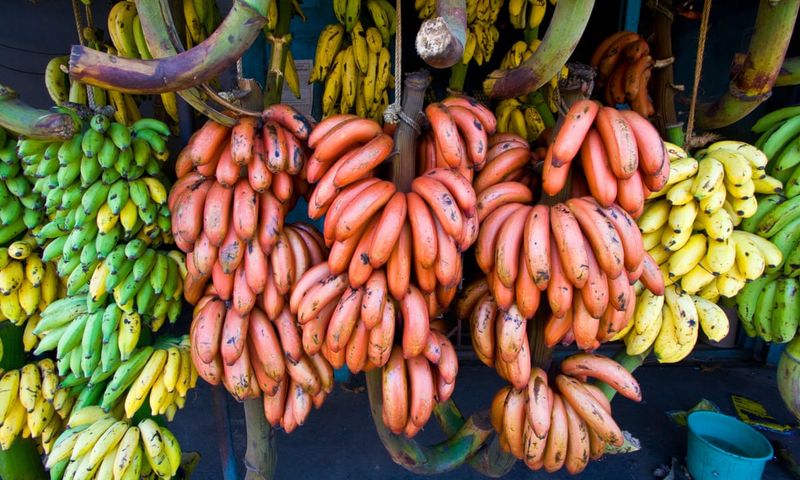
The yellow Cavendish banana dominating supermarkets is just one of over 1,000 banana varieties worldwide! Many cultures enjoy cooking varieties like plantains or small, sweet finger bananas.
Some exotic types include the Blue Java (tastes like vanilla ice cream) and the red-fleshed Dacca. The Cavendish only became dominant after the tastier Gros Michel variety was nearly wiped out by disease.