











Food habits have a sneaky way of sticking around long after they stop serving us well.
Many of the choices we make on autopilot feel normal, even when they quietly work against how we want to feel day to day.
This is a chance to take a closer look at the patterns we are finally ready to leave behind.
All information is provided for general interest only and does not replace professional nutritional or medical advice. Individual dietary needs and health goals vary. Consult a qualified healthcare professional or registered dietitian for personalised guidance.
1. Skipping Breakfast Then Overeating Later

Skipping breakfast works fine for some people, but for others it can make later meals harder to manage.
Hunger levels may build up through the morning, which can lead to feeling overly hungry by lunchtime.
That intense hunger sometimes makes it easier to eat more quickly or choose less balanced options.
Paying attention to how your own body responds matters far more than following a one-size-fits-all rule.
2. Mindless Snacking In Front Of Screens

Ever polished off an entire bag of crisps during a Netflix binge without realising it?
When your attention is glued to a screen, your brain doesn't register fullness signals properly.
This distracted eating leads to consuming far more than you intended.
Creating screen-free meal zones helps you tune into actual hunger cues.
Your favourite shows will still be there, but you'll enjoy your food more and eat less when you're truly present.
3. Treating All Fats As The Enemy
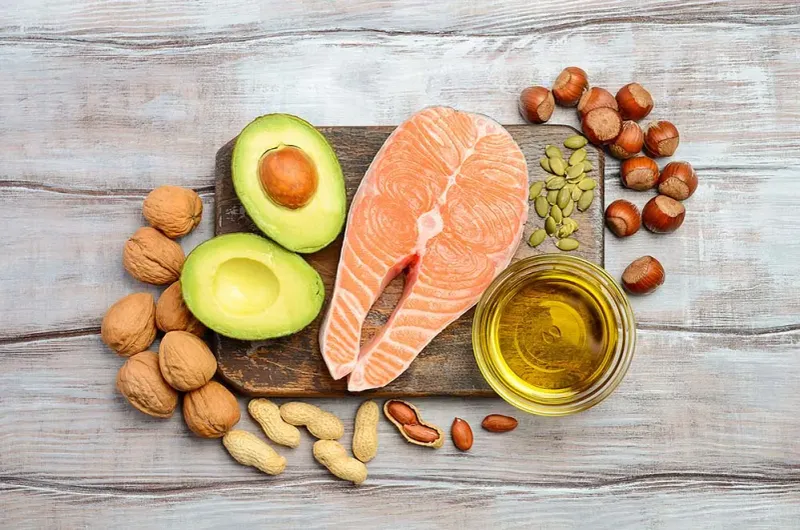
Fats are an essential part of a balanced diet and play many roles in the body.
They help with nutrient absorption and contribute to meals feeling satisfying and complete.
Different types of fat have different effects, which is why balance matters more than blanket avoidance.
Learning which fats to include, rather than cutting them all out, leads to more sustainable eating habits.
4. Drinking Calories Instead Of Eating Them

Some drinks contain a lot of energy without providing the same fullness as solid foods.
Liquid calories can be easier to consume quickly, especially when you are distracted or on the go.
This can make it harder to notice how much you have actually had.
Being mindful of what you drink helps ensure beverages support, rather than quietly undermine, your meals.
5. Relying On Ultra-Processed Convenience Foods
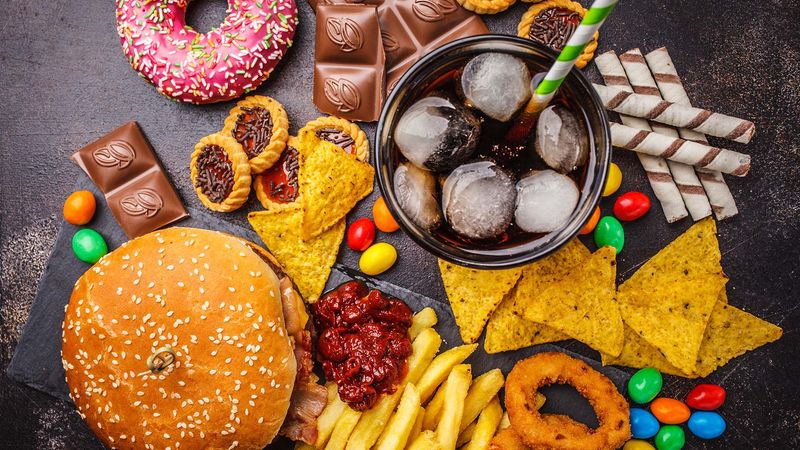
Highly processed foods are often designed to be easy to eat and long-lasting.
They can be convenient, but relying on them heavily may crowd out more varied foods over time.
Diets built mostly around these products tend to be lower in fibre and variety.
Using them occasionally while prioritising simple, minimally processed options strikes a healthier balance.
6. Eating Out Of Stress Rather Than Hunger

Bad day at work? Reach for chocolate.
Argument with a friend? Ice cream calls your name.
Using food to cope with emotions creates a problematic cycle that never addresses the real issue.
Stress eating provides temporary comfort but often leads to guilt and physical discomfort afterwards.
Learning alternative coping strategies like walking, journalling, or calling a mate helps break this pattern and actually resolves what's bothering you.
7. Ignoring Portion Sizes At Home
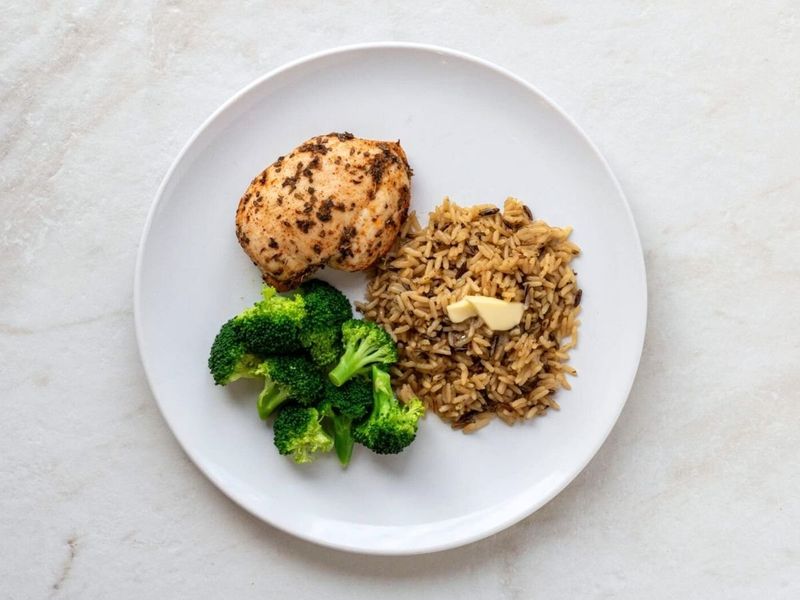
Plate sizes have grown dramatically over the decades, and so have our portions.
When you serve yourself at home, it's easy to heap on far more than your body actually needs.
Visual cues matter tremendously - larger plates trick your brain into thinking you're eating less.
Using smaller dishes and paying attention to recommended serving sizes helps recalibrate what a normal portion looks like without feeling deprived or constantly measuring everything obsessively.
8. Cutting Entire Food Groups Without Reason
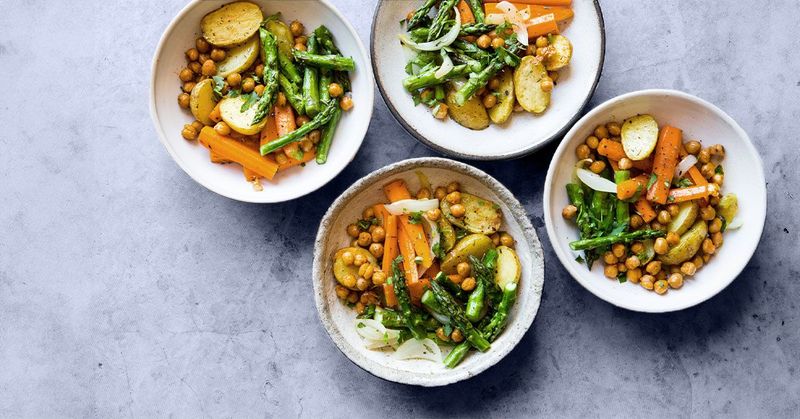
Unless you have a diagnosed allergy or intolerance, eliminating entire food groups like carbs or dairy often does more harm than good.
These trendy restrictions can lead to nutrient deficiencies and unhealthy relationships with food.
Whole grains provide fibre and B vitamins, whilst dairy offers calcium and protein.
Balance and variety give your body the diverse nutrients it needs.
If something genuinely makes you feel unwell, consult a doctor rather than self-diagnosing.
9. Saving Vegetables Only For Dinner
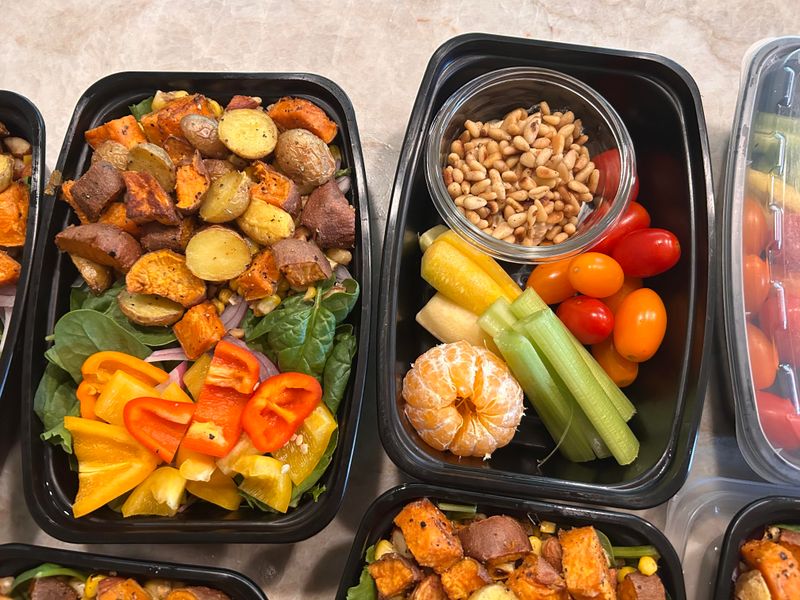
Vegetables are not limited to one meal of the day.
Including them earlier helps spread fibre and nutrients more evenly across meals.
This can make meals feel more filling and balanced overall.
Finding small ways to add vegetables beyond dinner makes variety easier to maintain.
10. Eating Too Fast To Notice Fullness

Eating quickly can make it harder to recognise when you have had enough.
Fullness signals develop gradually while you eat, not all at once.
Slowing down gives your body more time to register what is happening.
Simple habits like pausing between bites can make meals more satisfying.
11. Using Food As A Reward Or Punishment

"I've been good all week, so I deserve this massive dessert" or "I ate poorly yesterday, so I'll skip meals today."
This transactional thinking turns eating into a moral issue rather than basic nourishment.
Food is fuel and enjoyment, not a behaviour management tool.
Celebrating achievements with experiences rather than treats, and showing yourself compassion after slip-ups, creates a healthier mindset where all foods fit without guilt or restriction.