











We’ve all got a few eating habits that don’t exactly do us any favours. Maybe it’s skipping breakfast, eating too fast, or reaching for snacks when you’re not really hungry – small things that can quietly throw your health off balance.
The good news is that once you spot these patterns, they’re surprisingly easy to fix. With a few mindful tweaks, you can build healthier routines that keep your energy steady and your body feeling its best.
This article is for general informational purposes only and is not a substitute for professional dietary or medical advice. Individual nutritional needs vary, and results may differ. Always consult a qualified healthcare professional for guidance specific to you.
1. Skipping Breakfast

Your body has been fasting all night, and giving it fuel in the morning sets the tone for the entire day. Missing breakfast can leave you sluggish, irritable, and more likely to overeat later on.
Nutritionists often recommend keeping quick options like porridge, yoghurt, or even a banana handy for those rushed mornings. If you're not hungry right away, try having something small within an hour of waking.
Building this habit gradually makes it easier to stick with, and you'll likely notice improved focus and energy throughout the day.
2. Eating Too Quickly

Ever wolfed down a meal so fast you barely tasted it? Rushing through your food doesn't give your brain enough time to register that you're full, which often leads to overeating.
It takes about 20 minutes for your stomach to signal your brain that it's satisfied. Slowing down helps with digestion and lets you actually enjoy your meal.
Try putting your fork down between bites, chewing thoroughly, or chatting with someone during the meal. These small changes can transform your eating experience and leave you feeling more content.
3. Late Night Snacking
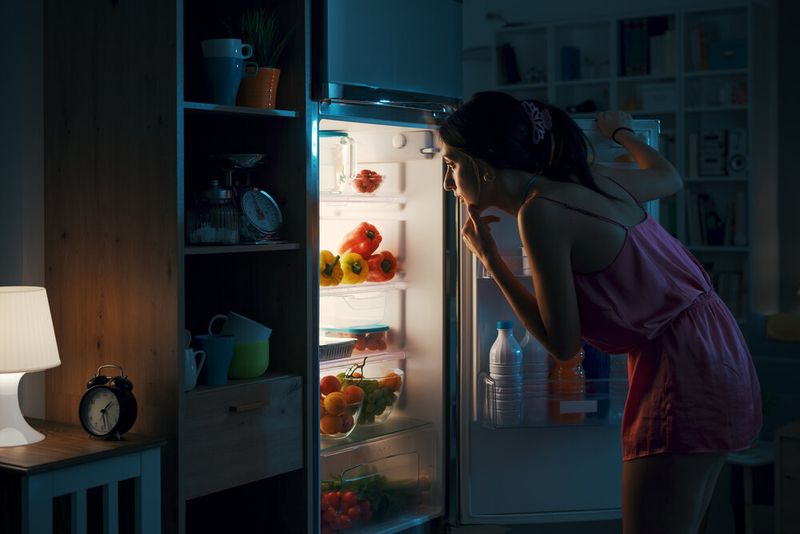
There's something oddly tempting about raiding the fridge when everyone else is asleep. Late night snacking often isn't about hunger but boredom, stress, or simply habit.
Eating close to bedtime can disrupt your sleep and digestion, leaving you feeling groggy the next morning. If you're genuinely hungry, opt for something light like a piece of fruit or a small handful of nuts.
Setting a kitchen curfew or finding an evening routine that doesn't involve food can help break this cycle and improve your sleep quality.
4. Overeating Processed Foods
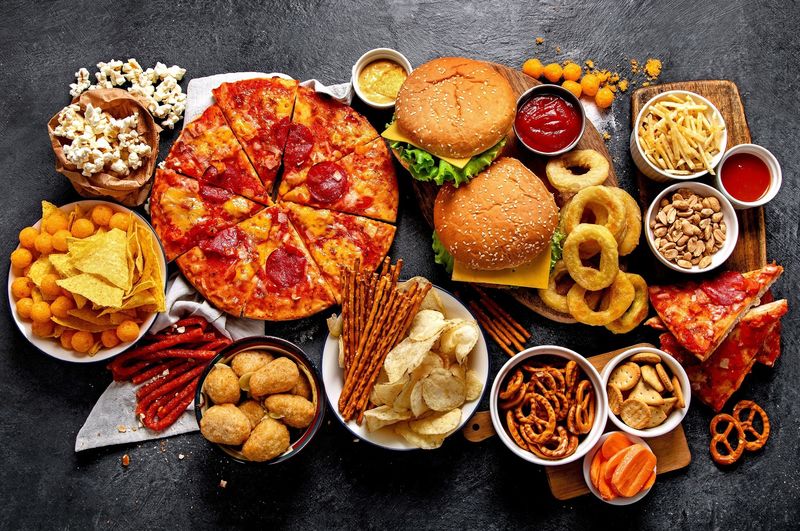
Supermarket shelves are packed with convenient options, but many processed foods are loaded with salt, sugar, and additives that leave you craving more. They're designed to be tasty and moreish, not necessarily nutritious.
Swapping out heavily processed items for whole foods like fresh veg, lean meats, and whole grains can make a massive difference. Start small by replacing one processed snack with a fresh alternative each week.
Your body will thank you with better energy levels, clearer skin, and improved overall health.
5. Drinking Too Many Sugary Beverages

Fizzy drinks, energy drinks, and even some fruit juices can pack more sugar than a chocolate bar. These liquid calories add up quickly without making you feel full, and they're a major contributor to weight gain and tooth decay.
Cutting back doesn't mean giving up flavour entirely. Try sparkling water with a squeeze of lemon or herbal teas for variety.
Gradually reducing your intake helps your taste buds adjust, and you'll soon find overly sweet drinks less appealing. Your teeth and waistline will definitely notice the difference.
6. Mindless Eating In Front Of The TV

Settling in for your favourite show with a bag of crisps sounds perfect, but before you know it, the bag's empty and you don't remember tasting a single one. Distracted eating means you're not paying attention to hunger cues or portion sizes.
Research shows that eating whilst watching telly can lead to consuming significantly more food. Try eating at the table instead, or at least portioning out snacks beforehand.
Being present during meals helps you enjoy your food more and prevents accidental overeating.
7. Ignoring Portion Sizes
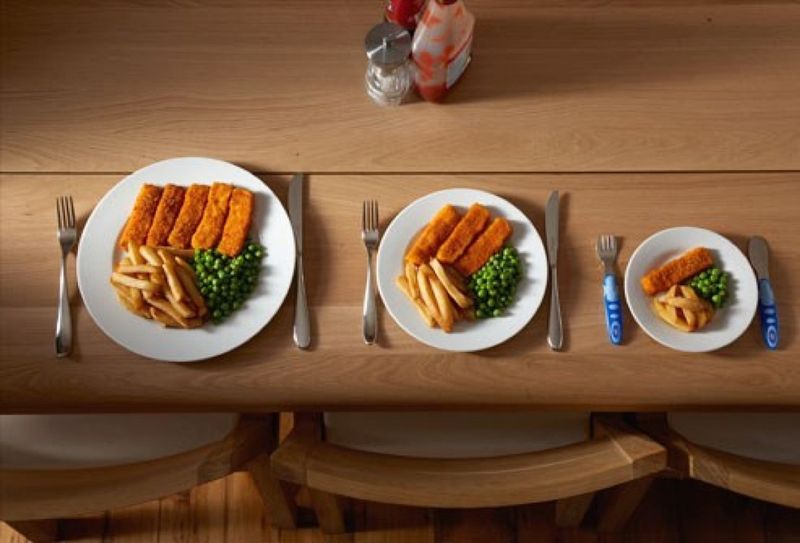
Portion sizes have quietly ballooned over the years, especially at restaurants and takeaways. What we consider a normal serving now would have seemed enormous a few decades ago.
Using smaller plates can trick your brain into feeling satisfied with less food, whilst measuring out servings helps you understand what appropriate portions actually look like. It's not about deprivation but awareness.
Once you get a feel for proper portions, you'll find it easier to stop when you're comfortably full rather than uncomfortably stuffed.
8. Emotional Eating

Reaching for comfort food when you're stressed, sad, or anxious is incredibly common. Food can feel like a hug from the inside, but it doesn't actually solve the underlying emotions.
Recognising your triggers is crucial. Keep a food diary noting how you felt before eating, and you'll start spotting patterns. Finding alternative coping strategies like going for a walk, calling a friend, or practising deep breathing can help.
It's perfectly fine to enjoy food, but using it as your primary emotional support isn't sustainable or healthy long term.
9. Not Drinking Enough Water

Your body is roughly 60% water, yet so many of us wander through the day barely sipping any. Dehydration can disguise itself as hunger, tiredness, or headaches, leading you to eat when you actually just need a drink.
Keeping a reusable water bottle handy makes it easier to sip throughout the day. Aim for around six to eight glasses, though your needs may vary.
Proper hydration improves concentration, energy levels, and even your skin. It's one of the simplest health habits with massive benefits.
10. Eating Out Too Often
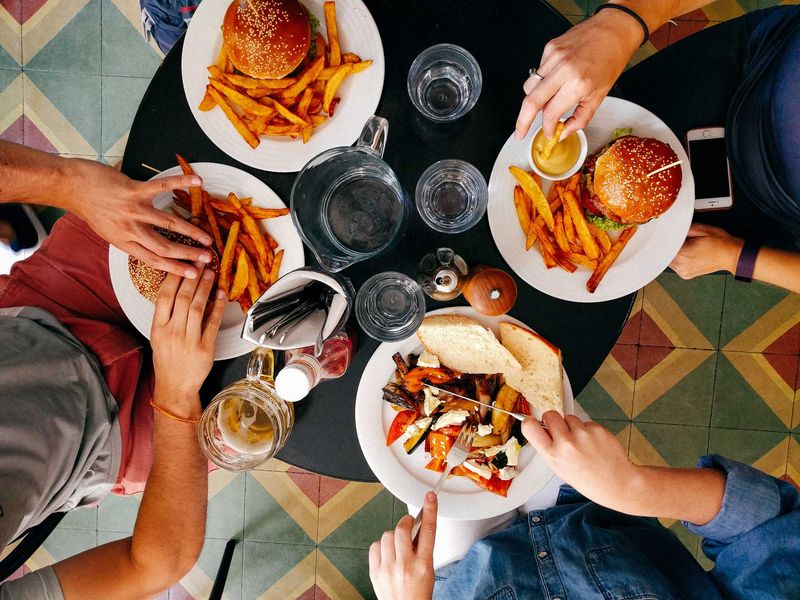
Grabbing a Pret sandwich or a cheeky Nando's is brilliant for convenience, but restaurant and takeaway meals typically contain more calories, salt, and fat than homemade versions. Plus, it adds up financially faster than you'd think.
Cooking at home gives you control over ingredients and portion sizes. Start by meal prepping a few lunches each week or cooking one extra portion at dinner for leftovers.
You don't have to give up eating out entirely, but finding a better balance supports both your health and your wallet.
11. Relying On Convenience Foods
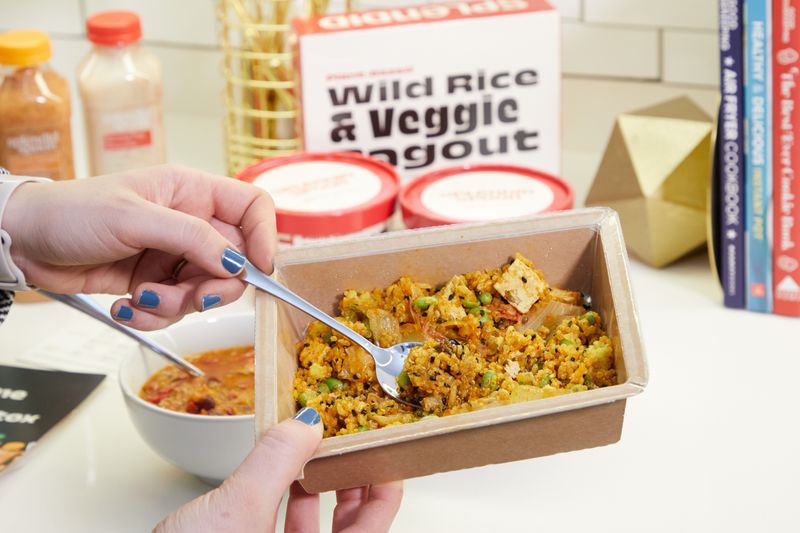
Ready meals and microwave dinners are lifesavers on hectic days, but making them your default can mean missing out on essential nutrients. Many convenience foods are high in sodium and preservatives whilst being low in actual nourishment.
Batch cooking on weekends or keeping simple ingredients like pasta, tinned tomatoes, and frozen veg on hand makes healthy meals almost as quick. Even basic cooking skills go a long way.
Balancing convenience with nutrition doesn't require being a master chef, just a bit of planning and creativity.