










When winter arrives, the delicious aroma of roasted chestnuts fills the air at holiday markets and street corners. These tasty treats aren't just a seasonal delight – they're packed with surprising health benefits too!
Chestnuts differ from other nuts by being lower in fat but rich in nutrients, making them a smart choice for your wellbeing.
This article is for general information purposes only and should not be considered medical advice. The health benefits mentioned may vary based on individual health conditions. Always consult a healthcare professional or nutritionist before making any changes to your diet.
1. Full Of Goodness
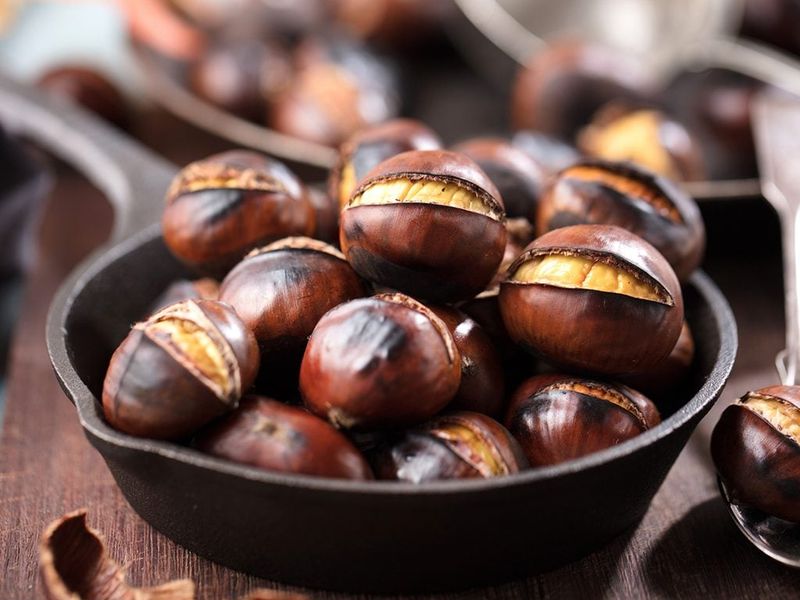
Unlike other nuts, chestnuts contain very little fat while offering plenty of vitamins and minerals. They're especially rich in vitamin C, which most nuts lack completely!
One serving provides manganese, copper, and B vitamins that help your body produce energy and keep your nervous system working properly. These little nutritional powerhouses support overall health without the high calorie count of typical nuts.
2. Boosts Your Immunity

Surprisingly, chestnuts contain vitamin C – something rarely found in nuts! Just 100g provides about 40% of your daily vitamin C needs, helping strengthen your immune system during cold and flu season.
The copper and B vitamins in chestnuts also support immune function. These nutrients help your body produce white blood cells and antibodies that fight off infections, giving you natural protection when you need it most.
3. Great For Your Heart
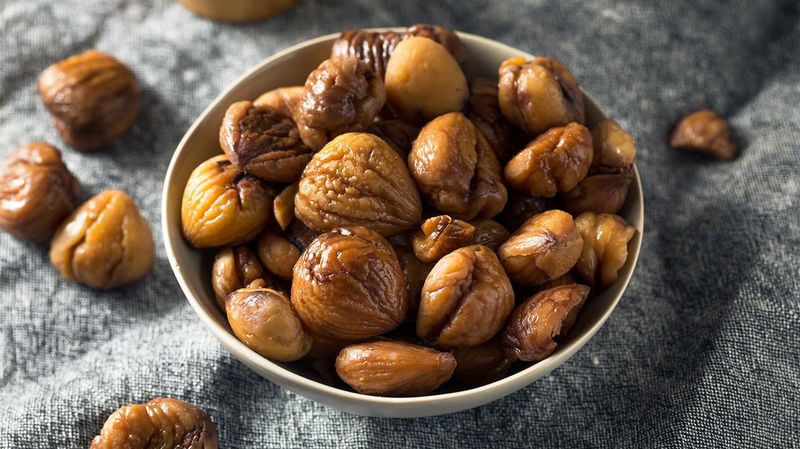
According to Healthline, chestnuts are rich in antioxidants, such as gallic and ellagic acid, which help protect the heart against oxidative stress, potentially lowering the risk of heart disease and strokes.
Additionally, chestnuts are a great source of potassium, providing 11% of your daily needs. Potassium plays a key role in regulating blood pressure, which is vital for maintaining a healthy heart.
Their low fat content also makes them a heart-friendly choice compared to other nuts, offering satisfying nutrition without the risk of clogging arteries.
4. A Tasty Way To Add Fiber

Just one serving of roasted chestnuts provides nearly 15% of your daily fiber needs! This helps keep your digestive system running smoothly and prevents constipation.
Fiber also feeds the good bacteria in your gut. The special type of fiber in chestnuts acts like a prebiotic, helping those friendly bacteria thrive and supporting your digestive health naturally.
5. Helps Keep You Full Longer

Feeling hungry between meals? Roasted chestnuts might be your perfect snack solution. Their combination of fiber and complex carbohydrates digests slowly, providing steady energy without blood sugar spikes.
A handful of chestnuts can keep hunger at bay for hours. They're more filling than many snacks with similar calorie counts, making them perfect for anyone watching their weight but still wanting satisfying food options.
6. Packed With Antioxidants
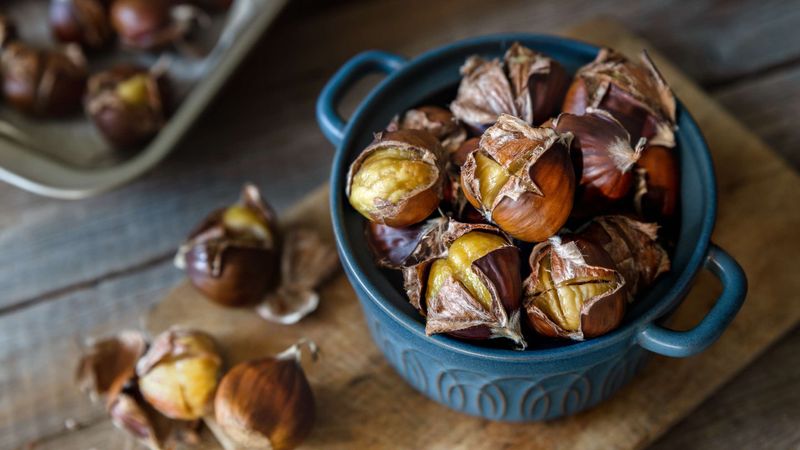
The golden flesh of chestnuts contains powerful antioxidants that fight harmful free radicals in your body. These compounds help protect your cells from damage that can lead to aging and disease.
The cooking process, such as roasting, can affect a food's antioxidant properties. For some foods, cooking can make certain antioxidants more available for your body to absorb.
7. Good For Your Tummy
Chestnuts contain resistant starch, a special type of carbohydrate that acts like fiber in your digestive system. This feeds beneficial gut bacteria and helps maintain a healthy digestive environment.
Many people find chestnuts gentler on sensitive stomachs compared to other nuts. Their low fat content makes them easier to digest, while still providing satisfying nutrition without the discomfort sometimes caused by fattier nuts.