









Some foods that are perfectly normal in America raise eyebrows elsewhere. From dough conditioners and preservatives to bright food dyes and farm additives, plenty of everyday U.S. ingredients don’t meet international standards.
Whether it’s tighter food laws or different health priorities, here’s why many American products never make it past foreign borders.
This article is for general informational and entertainment purposes only. Food regulations vary by country and may change over time. Always check local food standards for the most accurate and up-to-date information. Photos are for illustrative purposes only.
1. High-Fructose Corn Syrup Products
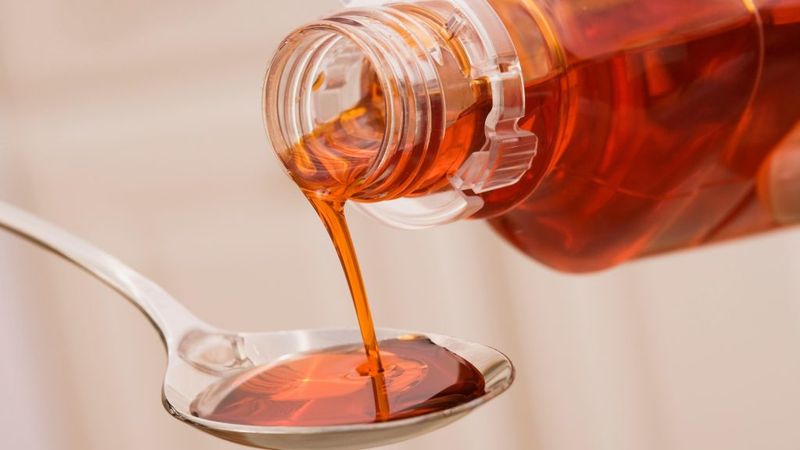
Walk down any U.S. supermarket aisle and you’ll spot high-fructose corn syrup (HFCS) in everything from sodas to salad dressings. It’s cheap, sweet, and widely used in American food manufacturing. But abroad, many countries restrict or heavily tax it, favouring cane sugar instead.
That’s why soft drinks and snacks in the UK or Europe often taste noticeably less sweet than their American versions.
2. Bleached Flour Products
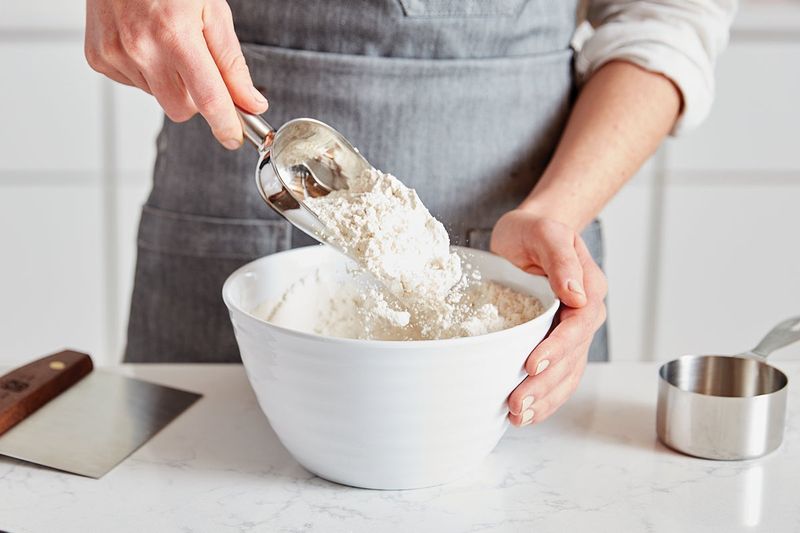
If you’ve ever noticed that American cakes look extra white, that’s often thanks to bleached flour. In the U.S., flour can be treated with chemicals like chlorine dioxide or benzoyl peroxide to speed up the aging process and improve texture.
The UK and EU banned this practice decades ago, sticking to unbleached flour instead. The result? Bread and pastries abroad tend to have a more natural colour and slightly different flavour.
3. Farm-Raised Shrimp With Antibiotics
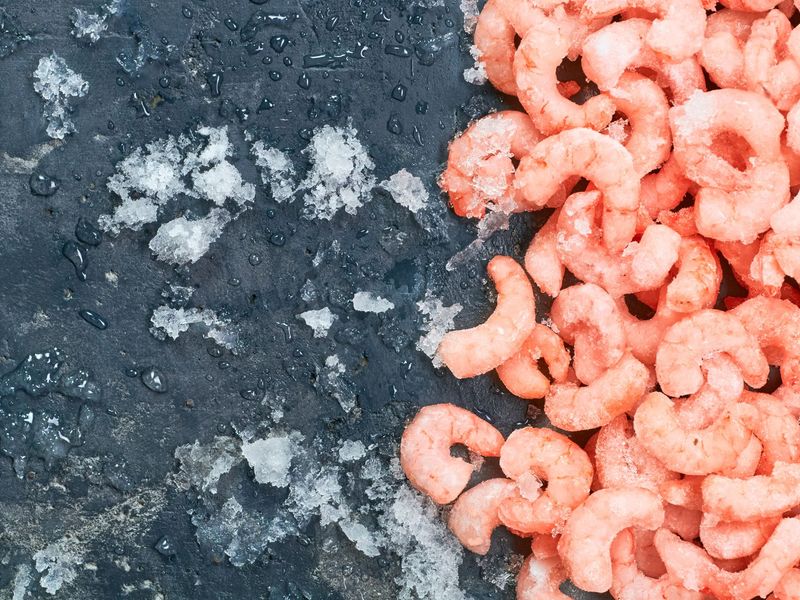
American shrimp farms sometimes use antibiotics to prevent disease in crowded ponds. While this is legal under U.S. regulations, it’s tightly controlled or banned in many other countries, including the UK and the EU.
These regions prefer cleaner aquaculture systems and regular testing to keep residues out of seafood. So if you’re eating shrimp abroad, it’s likely antibiotic-free - and often imported from farms with stricter oversight.
4. Processed Foods With BHA And BHT
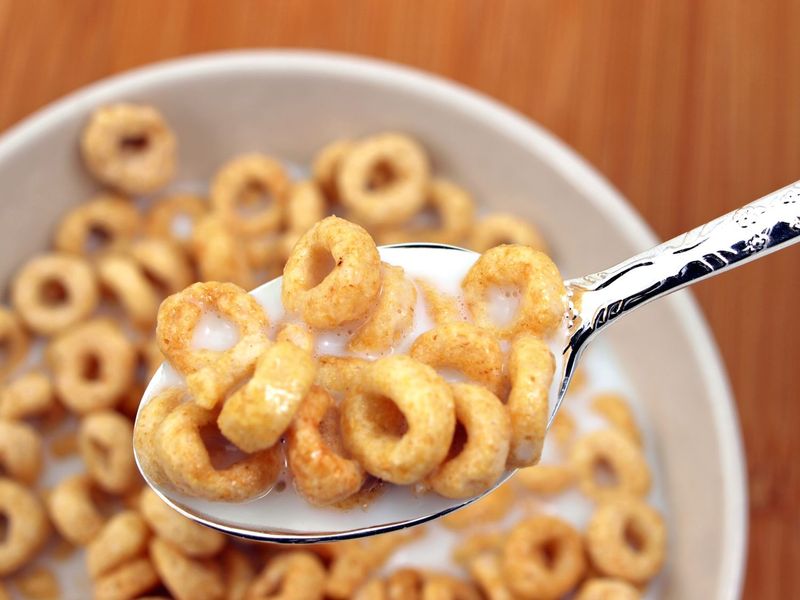
Some of America’s most familiar snacks owe their long shelf life to preservatives like BHA and BHT. These compounds prevent oils from going rancid, keeping chips and cereals tasting fresh for months. However, several countries, including the UK, restrict or discourage their use over safety concerns.
That means certain American-style packaged foods need reformulating before they hit foreign shelves.
5. Meat Treated With Hormones
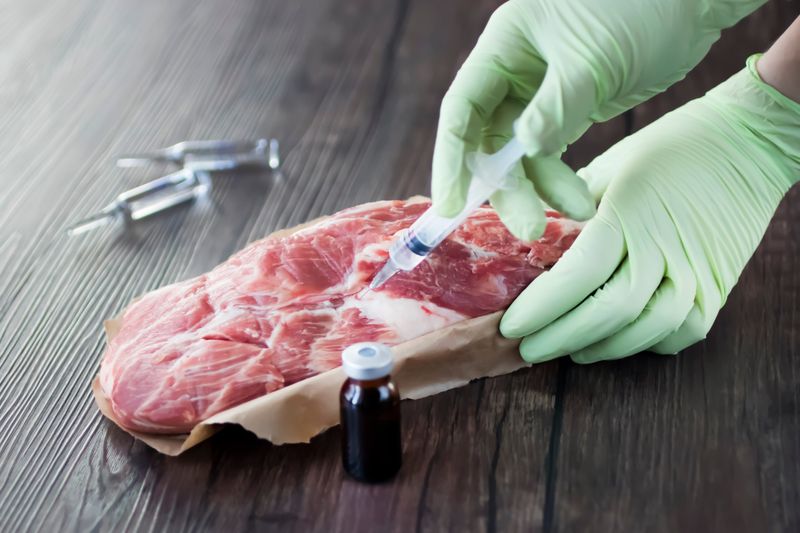
Much of the U.S. beef industry still uses growth hormones to speed up production and increase yield. In contrast, the UK and EU strictly prohibit hormone-treated meat, citing animal welfare and consumer safety standards.
Because of this, American beef and pork rarely make it onto European menus or grocery shelves. When you buy meat abroad, it’s almost always hormone-free by law.
6. Foods Containing Titanium Dioxide
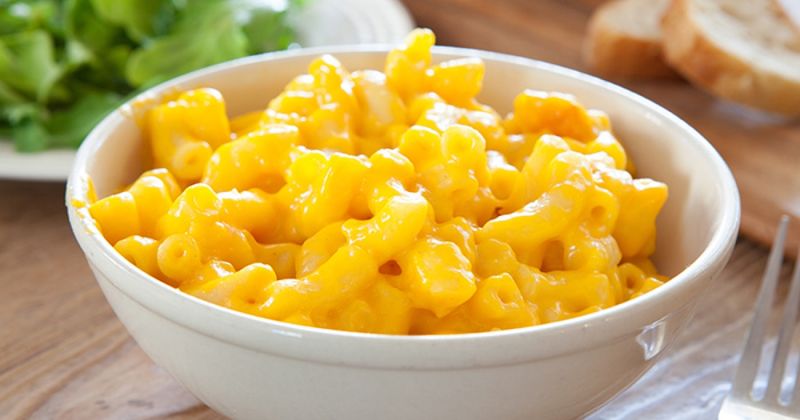
Titanium dioxide is a whitening agent used to give candies, sauces, and baked goods a smooth, bright appearance. It’s still permitted for food use in the U.S. and the UK, but the European Union banned it in 2022 following safety concerns over long-term exposure.
Since then, many global brands have reformulated their recipes to remove the additive altogether. As a result, some American sweets and frostings appear a little different - or are harder to find - when sold abroad.
7. Ultra-Processed Cheese Products
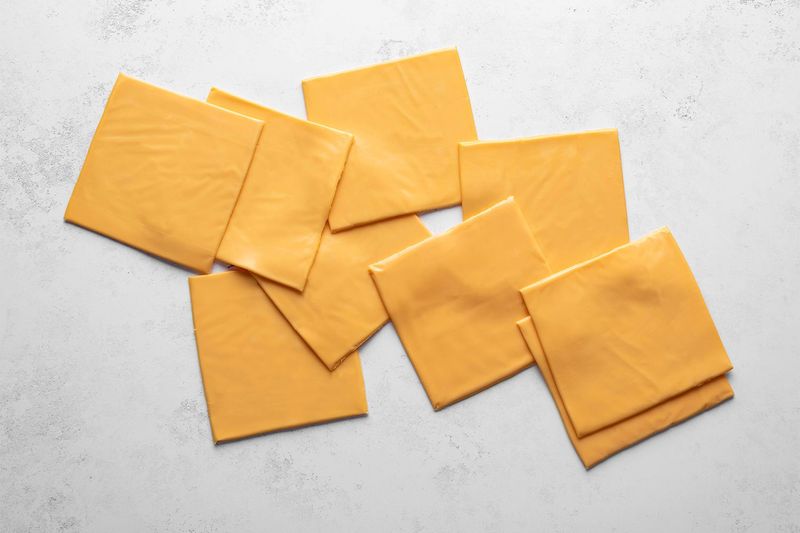
The bright orange American cheese slices that melt perfectly on burgers are iconic - and nearly impossible to find in many other countries. That’s because they often contain emulsifiers, artificial colours, and stabilisers restricted under stricter food laws abroad.
In the UK and Europe, real cheddar or gouda usually replaces these processed slices. It’s still a cheeseburger, just with a slightly more natural twist.
8. Foods Made With Azodicarbonamide
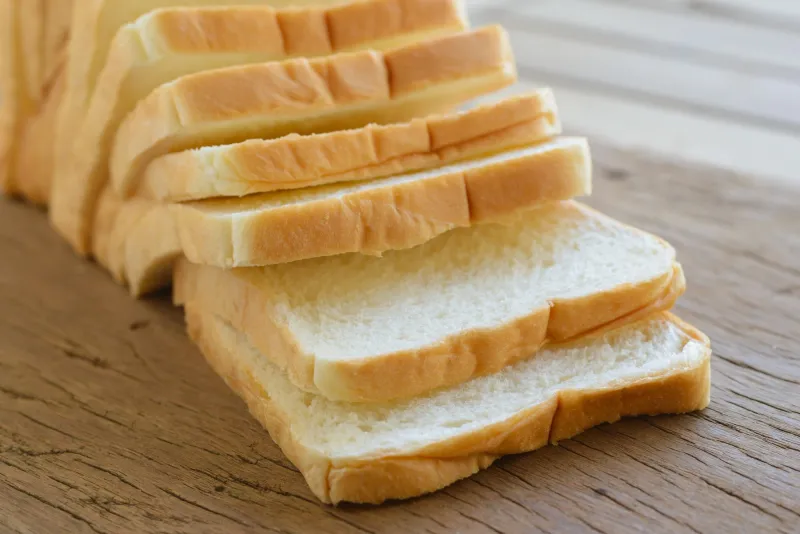
This tongue-twister of an ingredient, azodicarbonamide, is used in some American breads and buns to improve dough strength and texture. It also helps give baked goods that soft, springy feel found in fast-food sandwiches.
However, the UK, EU, and Australia have banned it for food use, as it’s also used in the production of plastics like yoga mats and shoe soles. In most countries outside the U.S., bakers rely on natural dough conditioners instead - and you’ll rarely find this additive listed on a label.
9. Ractopamine-Treated Meat
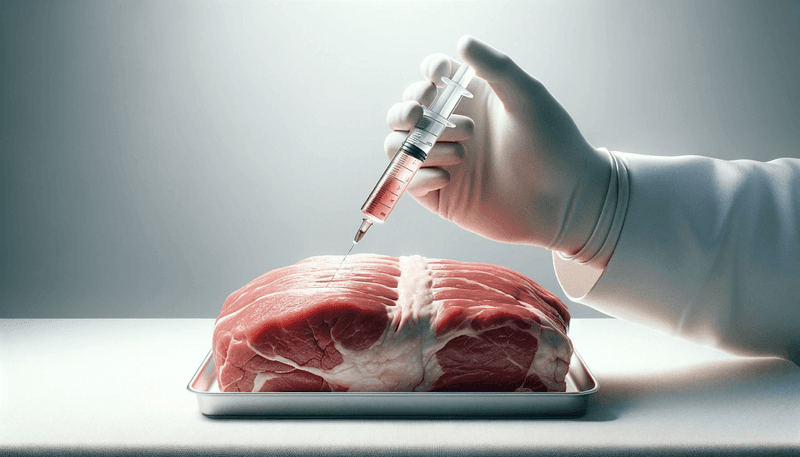
Ractopamine, a feed additive used to help livestock grow leaner, keeps American meat off many global shelves. Over 150 countries, including the EU and China, prohibit its use due to animal welfare and safety concerns.
U.S. producers can still legally sell ractopamine-treated pork and beef, but much of the world refuses to import it. That makes these products a uniquely American staple.
10. Chlorine-Washed Chicken
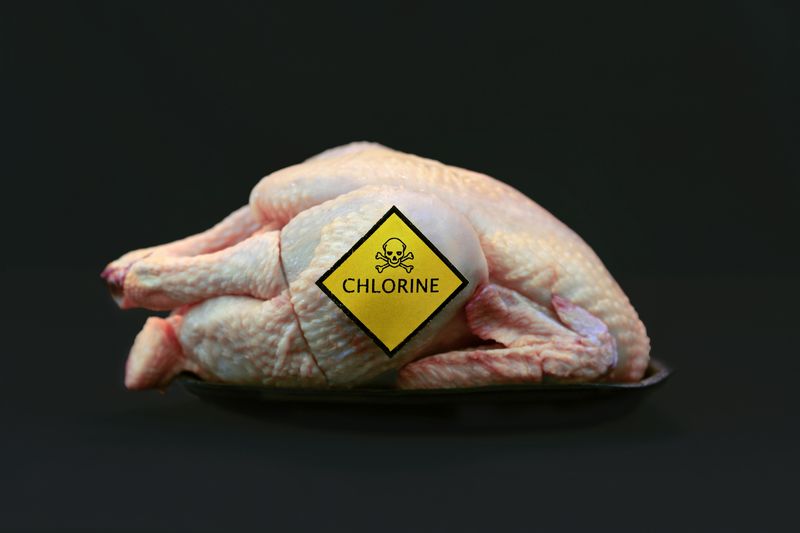
In the U.S., poultry is often rinsed with chlorine to reduce bacteria, a process banned in the EU since the late 1990s. European regulators prefer higher farm hygiene instead of chemical cleaning.
Though the chicken itself isn’t considered unsafe, the method remains controversial abroad. As a result, American-style chicken processing hasn’t crossed many borders.
11. Genetically Modified Salmon (Frankenfish)
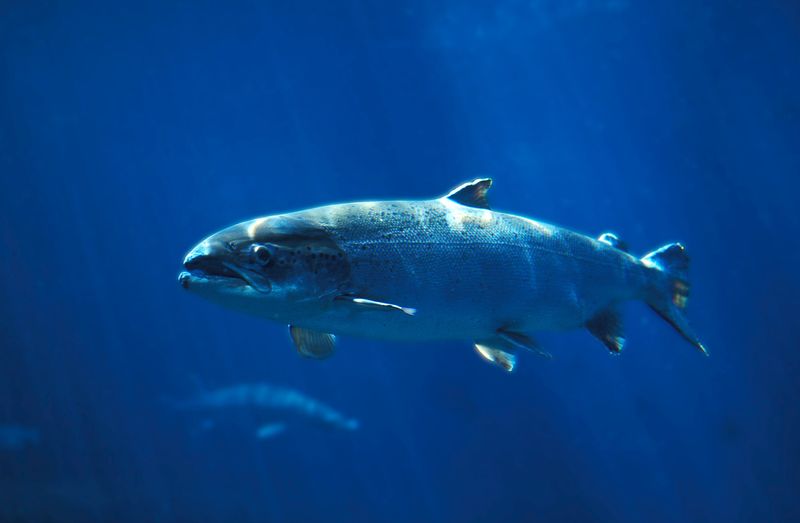
The U.S. made history by approving genetically modified salmon, designed to grow faster than traditional species. However, many regions - including the EU and much of Asia - have refused to sell it over environmental and ethical worries.
Supporters say it’s a breakthrough in sustainable farming, while critics warn of potential risks to wild fish. For now, it’s one seafood innovation mostly confined to American waters.
12. Chlorinated Soft Drink Preservatives
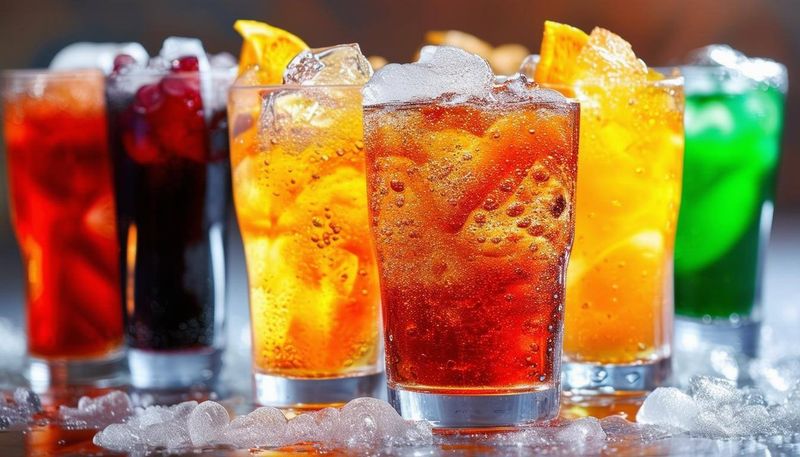
Some American soft drinks still use sodium benzoate, a preservative that helps prevent spoilage and extend shelf life. When combined with certain ingredients, it can form trace amounts of benzene under specific conditions, which has raised safety concerns.
Many manufacturers have since adjusted their formulas to minimise this risk. The additive remains approved in the U.S., but tighter regulations in parts of Europe mean some American-style sodas are less widely available overseas.
13. Yellow Food Dye
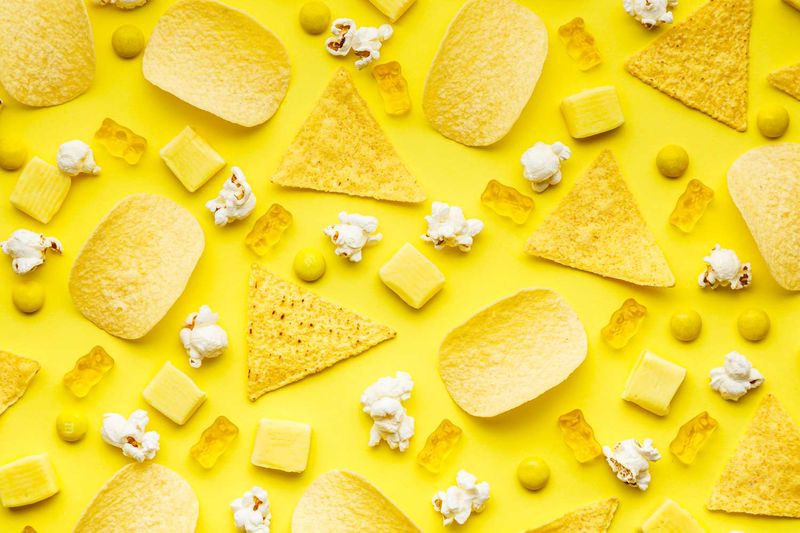
Brightly coloured American foods often owe their appeal to synthetic dyes like Yellow No. 5 and No. 6. They’re allowed in the U.S. but require warning labels in parts of Europe due to possible behavioural effects in children.
Some countries, like Norway and Austria, once banned them entirely. Overseas, you’re more likely to find foods coloured with turmeric, paprika, or beetroot instead.
14. Potassium Bromate In White Bread
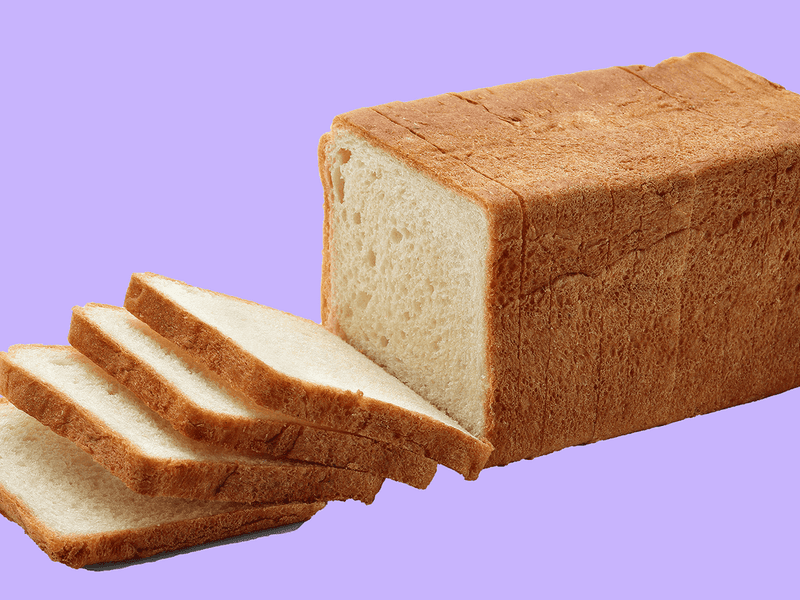
Potassium bromate helps strengthen dough and give white bread that fluffy bakery texture - but you’ll rarely find it outside the U.S. It’s been banned in the UK, Canada, and the EU for decades after studies linked it to cancer in animals.
Most American bakers have switched to alternatives, but a few still use it. Abroad, it’s one additive that never made the cut.
15. Antibiotic-Treated Salmon
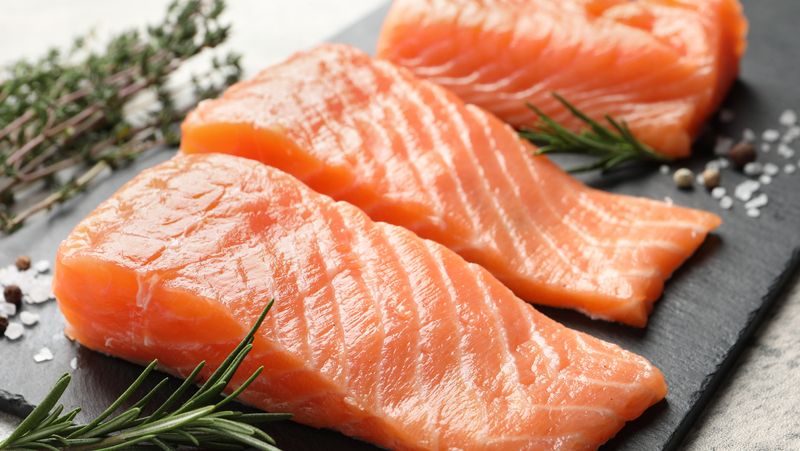
Farmed salmon from the U.S. can be treated with antibiotics to prevent disease in crowded pens. The EU takes a different approach, banning imports from farms that rely on preventive treatments. European fisheries focus instead on cleaner water and healthier environments.
That’s why some U.S.-farmed salmon doesn’t make it across international seafood counters.
16. Milk From Cows Treated With rBST
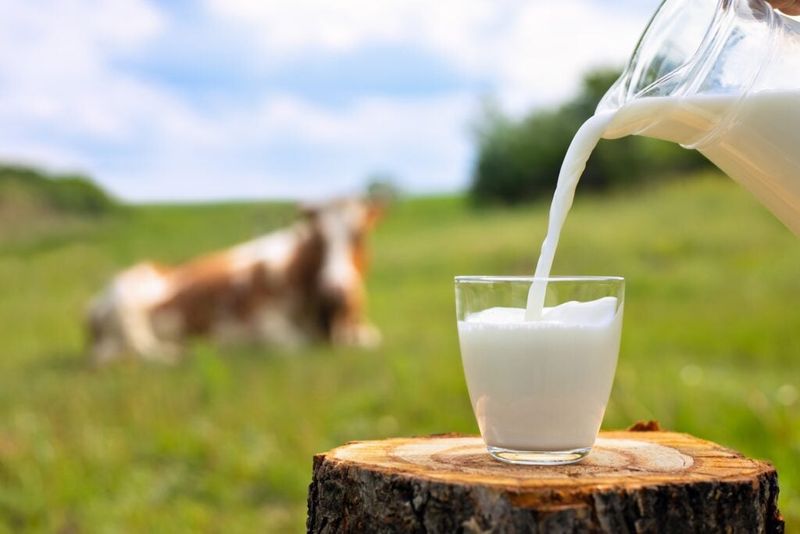
In the U.S., some dairy cows are given recombinant bovine somatotropin (rBST) to boost milk production. The practice is banned in many nations, including the UK, Canada, and Australia, due to animal welfare concerns.
Though U.S. regulators say it’s safe, global demand for hormone-free milk keeps growing. Outside America, rBST is one dairy difference you’ll notice.
17. Artificial Coffee Creamers
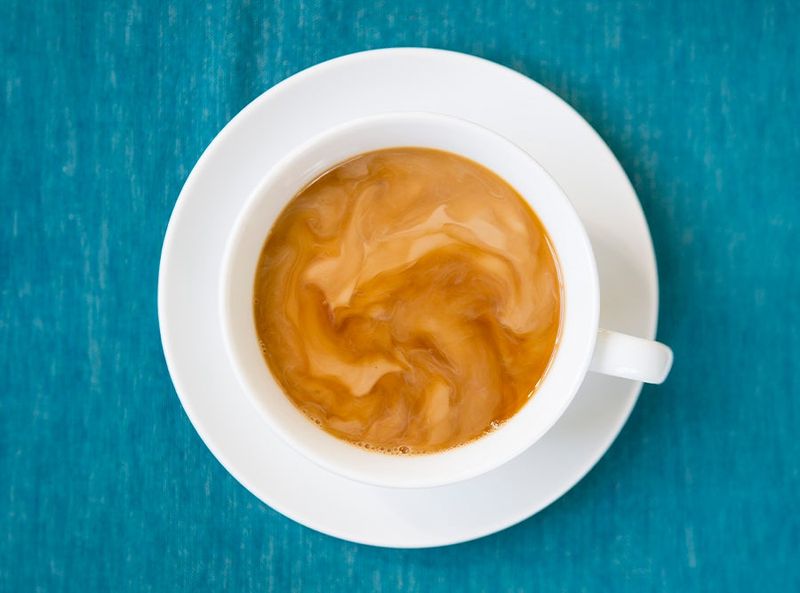
Those powdered or flavoured liquid creamers are an American breakfast staple, but they’re far less common abroad. Early versions often contained trans fats, now banned in many countries. While most brands have reformulated, many regions still favour real milk or plant-based alternatives.
For travellers, that familiar sweet swirl in coffee can be surprisingly hard to find.