







British breakfasts have not always centred on large cooked plates. For much of the past, morning meals were shaped by affordability, availability, and the need for sustained energy.
Households relied on simple ingredients that could be prepared quickly and stretched to feed families. These breakfasts were practical rather than indulgent, often using staples already on hand.
Many became daily rituals that reflected working life and seasonal rhythms. Looking back at affordable breakfasts that once started the day offers insight into how eating habits have changed over time.
This article is provided for general information only. Historical food traditions varied by region, household, and time period.
Ingredient availability and preparation methods changed over decades. Photos are for illustrative purposes only.
1. Porridge
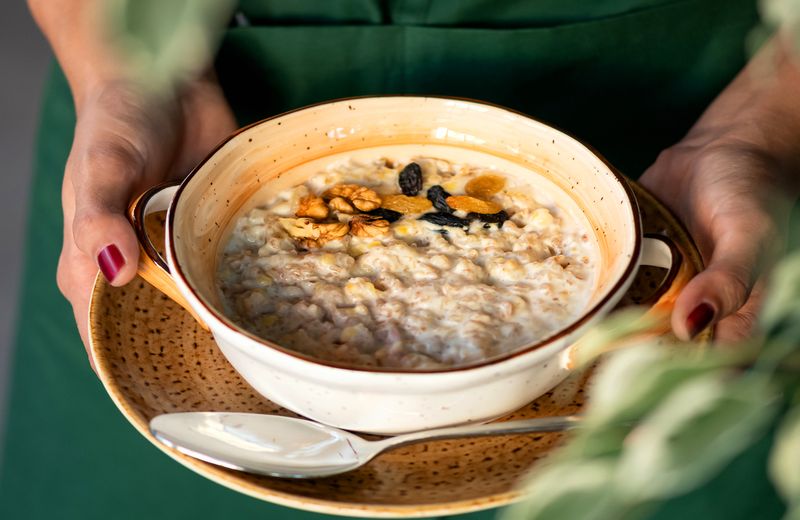
Scottish kitchens have bubbled with this warming breakfast for centuries, and for good reason. Oats were dirt cheap, filled you up for hours, and could stretch to feed a whole family from one pot.
The magic happens when oats meet water or milk and gentle heat, transforming into a creamy bowl of comfort. Some folk swear by a pinch of salt stirred through, whilst others prefer a drizzle of honey or golden syrup.
Workers heading to factories or fields relied on porridge's slow-release energy to power them through morning shifts without spending a fortune on fancy ingredients.
2. Toast With Dripping
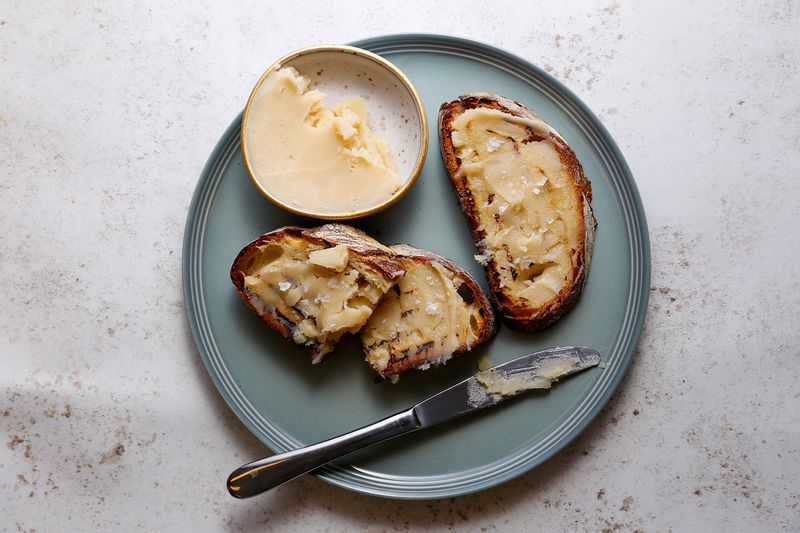
Waste not, want not was the motto behind this ingenious breakfast. After Sunday's roast, the fat left in the pan would solidify into dripping, a spread that cost absolutely nothing extra and packed serious flavour.
Slathered onto hot toast, it melted into every nook and cranny, delivering a savoury richness that butter couldn't match. The best dripping came with those lovely dark jelly bits underneath, adding an extra punch of meaty goodness.
Factory workers especially loved this protein-rich start, as it kept hunger at bay without requiring fresh ingredients every morning.
3. Bread And Jam
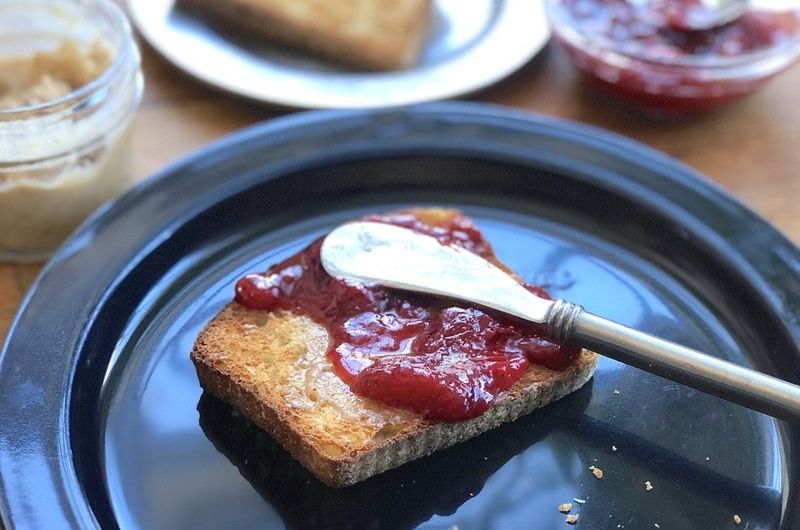
When your budget stretched thinner than the jam on your bread, this combination still managed to feel like a treat. Homemade preserves from summer's fruit glut meant families could enjoy sweetness year-round without spending on luxuries.
Thick-cut doorstops of bread provided the bulk, whilst a scrape of jam added just enough flavour to make breakfast feel special rather than desperate. Strawberry, blackberry, or plum, whatever grew locally became breakfast gold.
Kids especially looked forward to this simple pleasure, and mothers could feed hungry mouths without fretting over the weekly shop.
4. Kippers With Bread
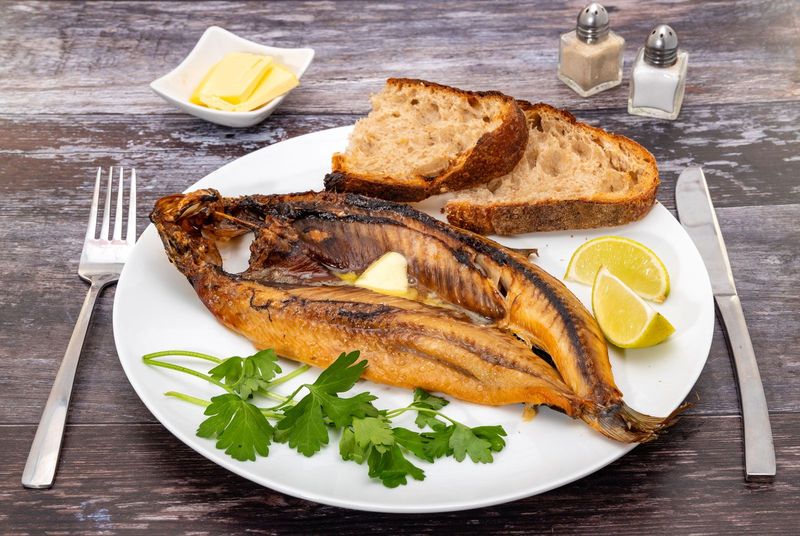
Coastal communities knew herring as the working person's fish, abundant and affordable when fresh catches rolled in. Smoking transformed these oily fish into kippers that kept for days without refrigeration, making them breakfast gold.
The intense, smoky flavour divided households, you either loved the pungent aroma filling the kitchen or fled to another room. Paired with buttered bread to balance the saltiness, kippers delivered omega-rich protein that cost pennies.
Fishing families ate them constantly, whilst inland folk considered them a special treat worth the lingering smell.
5. Boiled Eggs And Soldiers
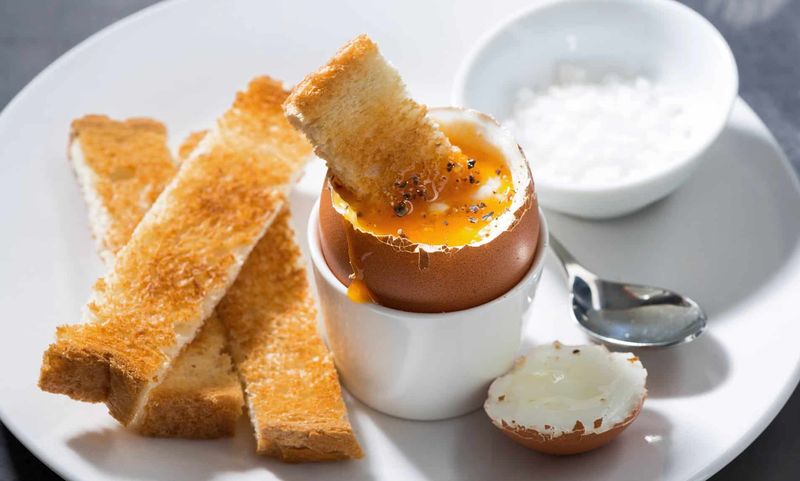
Backyard chickens meant even the poorest households could enjoy fresh eggs without visiting a shop. This breakfast became a childhood favourite, turning a simple egg into an interactive meal with dippy toast strips.
The technique mattered: three to four minutes for a runny yolk perfect for dunking those buttery soldiers. Too long and you'd miss the whole point, ending up with a chalky disappointment instead of liquid gold.
Mothers loved how this stretched one egg into a satisfying meal, whilst kids delighted in the messy fun of dunking and slurping.
6. Bubble And Squeak
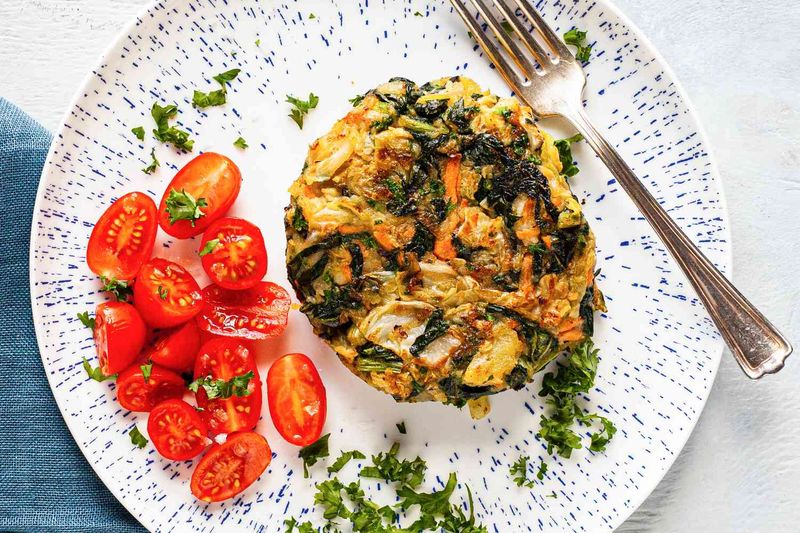
Nothing went to waste in thrifty British kitchens, especially not yesterday's vegetables. Mashed potato and leftover greens met a hot pan, transforming into crispy-edged patties that tasted better than the original meal.
The name comes from the sounds it makes whilst frying: bubbles forming and squeaking as moisture escapes. Cabbage was traditional, but Brussels sprouts, carrots, or peas all found their way into the mix.
Fried until golden and crunchy outside whilst staying fluffy within, this breakfast proved leftovers could be absolutely brilliant rather than boring.
7. Fried Bread With Eggs
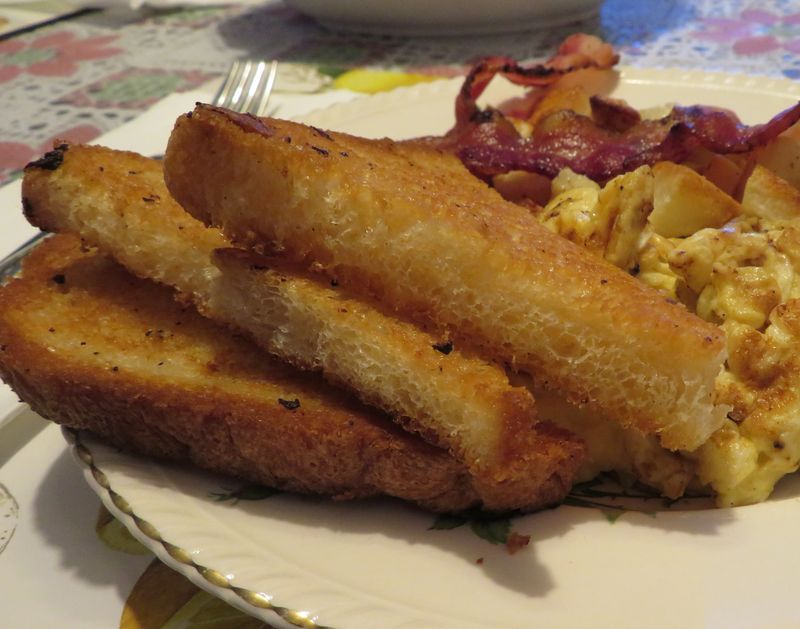
Stale bread found glorious redemption in a hot pan with a bit of fat. Rather than binning yesterday's loaf, cooks transformed tough slices into crispy, golden treats that soaked up fried egg yolk perfectly.
The bread absorbed whatever fat you used, whether dripping, lard, or a scrape of butter, becoming wonderfully crunchy outside whilst staying soft enough to mop up runny yolk. Paired with a fried egg, this combination delivered serious satisfaction.
Cafés still serve this working class classic, though it's fallen from everyday favour as health concerns replaced Depression-era thriftiness.
8. Beans On Toast
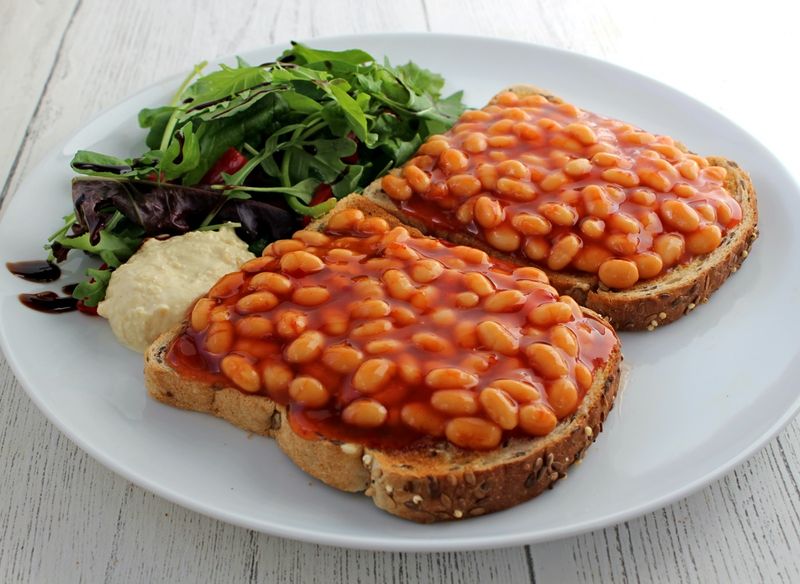
Heinz changed British breakfast forever when tinned beans arrived, offering protein-packed convenience at pocket change prices. A single tin could feed two people when spread over toast, making it a student and worker staple.
The marriage of sweet tomato sauce with buttery toast creates comfort food magic that transcends its humble ingredients. Some add cheese on top, others a dash of Worcestershire sauce, but purists insist plain is perfection.
Quick, filling, and requiring zero cooking skill, beans on toast remains Britain's favourite lazy breakfast even as food trends come and go.
9. Kedgeree
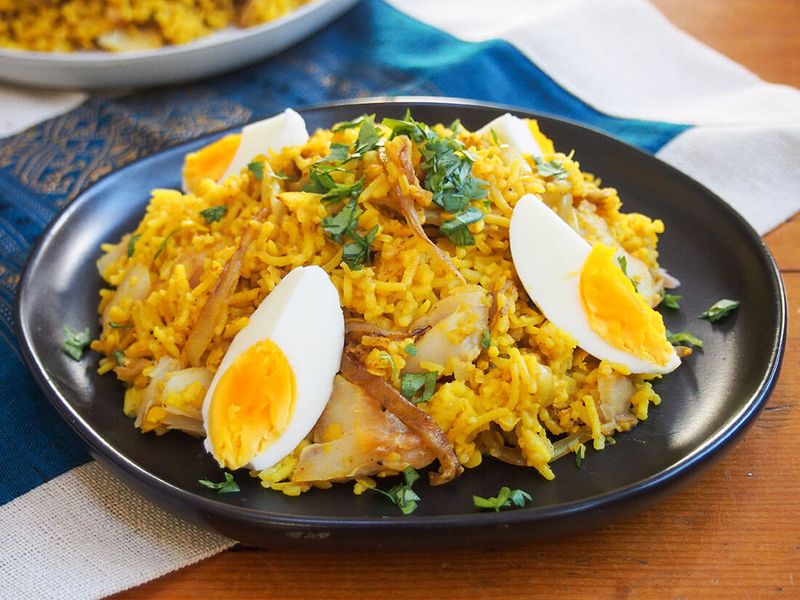
Victorian colonials brought this spiced rice dish home from India, where it evolved into a British breakfast peculiarity. Smoked haddock, rice, hard-boiled eggs, and curry powder created an exotic morning meal that felt posh despite using affordable ingredients.
The fish stretched further when mixed with rice, whilst yesterday's rice could be repurposed into breakfast gold. Curry powder added warmth and interest without requiring expensive fresh spices.
Middle-class households embraced kedgeree as refined yet economical, proving you didn't need a full fry-up to start the day properly.
10. Oatcakes With Cheese
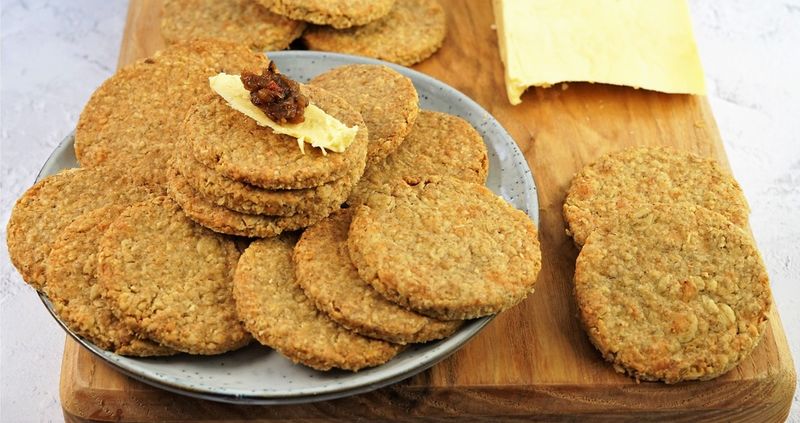
Scottish and Northern English kitchens relied on these sturdy oat biscuits as breakfast staples long before fancy crackers existed. Made from oats, salt, and fat, they cost almost nothing and lasted for weeks in a tin.
Topped with a slice of whatever cheese was in the larder, usually a sharp cheddar, oatcakes provided filling sustenance without needing cooking each morning. The nutty oat flavour paired beautifully with tangy cheese, creating a satisfying savoury breakfast.
Miners and mill workers often packed these in their lunch pails too, making them an all-day affordable staple.
11. Grilled Tomatoes On Toast

Summer gluts meant tomatoes became ridiculously cheap, and grilling them concentrated their sweetness into something special. Halved and cooked until their edges charred slightly, tomatoes released juices that soaked into toast below.
A sprinkle of salt and pepper was all the seasoning needed to transform this simple combination into a proper breakfast. The contrast between hot, juicy tomatoes and crisp buttered toast created texture magic.
Vegetable gardens and allotments provided free tomatoes for those with green fingers, making this breakfast genuinely cost-free for many working families during growing season.