





Vanilla, that sweet fragrant spice we love in cakes and ice cream, has a fascinating story spanning centuries. The journey from tropical orchid to worldwide dessert sensation involves ancient civilisations, royal courts, and botanical breakthroughs.
Discover how this humble pod transformed from a sacred Mesoamerican treasure into the world's favourite flavour.
1. Vanilla's Origins In Mesoamerica
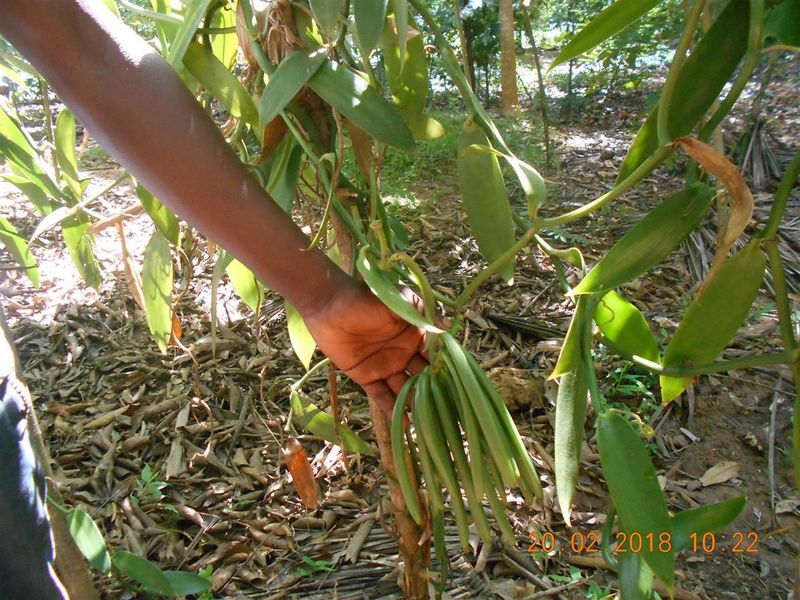
Long before Europeans knew of vanilla's existence, the Totonac people of eastern Mexico cultivated this precious orchid. They considered vanilla pods a divine gift, using them in sacred ceremonies and special drinks.
Archaeological evidence suggests vanilla use dates back to at least 1000 BCE. The Totonacs maintained exclusive knowledge of vanilla cultivation for centuries, treating the spice with reverence and carefully guarding their growing techniques.
2. The Aztec Use In Chocolate
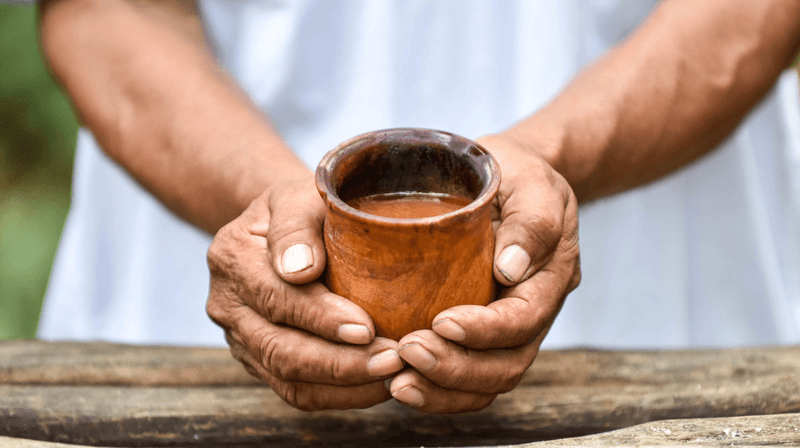
Conquest brought vanilla to the mighty Aztec Empire around the 15th century. Aztec nobility prized this exotic flavour, combining it with cacao beans to create xocolatl—a frothy, bitter beverage consumed from golden cups.
Emperor Montezuma reportedly drank dozens of cups daily, believing it enhanced virility. Unlike modern chocolate, this drink contained no sugar and was often spiced with chilli, creating a complex flavour profile unknown to European palates.
3. Arrival In Europe Via Spanish Conquistadors
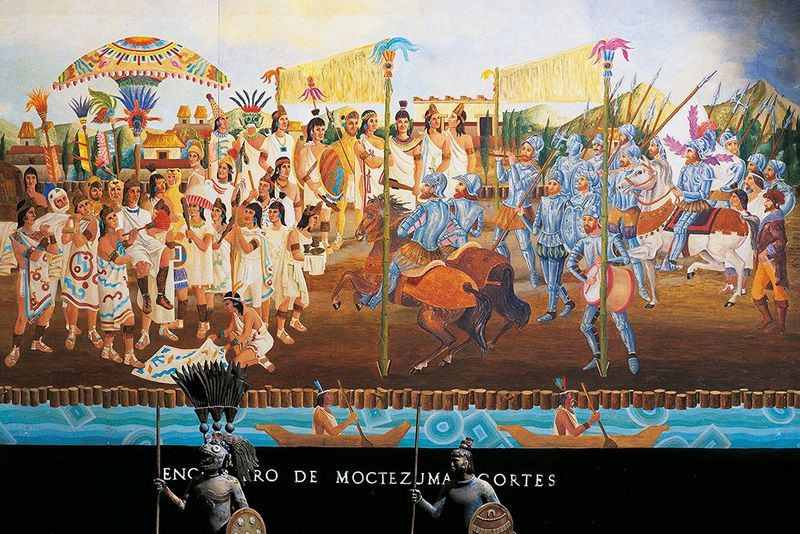
Hernán Cortés and his men first encountered vanilla in 1519 at Montezuma's court. Intrigued by this unusual flavouring, they brought both vanilla and chocolate back to Spain in the 1520s.
Spanish monks, tasked with processing these exotic imports, added sugar to the bitter chocolate and vanilla mixture. This sweet adaptation quickly caught on among Spanish aristocracy. For nearly a century, Spain kept vanilla a closely guarded secret from the rest of Europe.
4. Vanilla Gains Popularity In Royal Courts
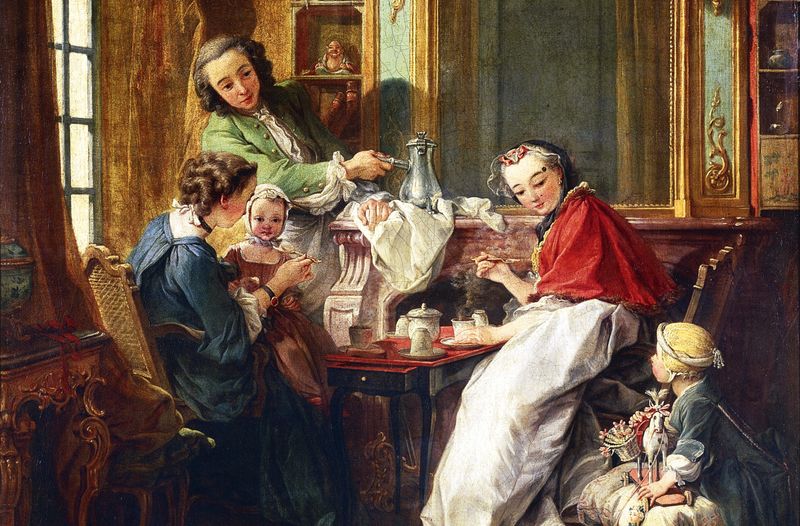
Queen Elizabeth I's royal chocolatier introduced vanilla-infused treats to England in the 1600s. Soon, European monarchs were clamouring for this exotic flavour, with vanilla becoming a status symbol among nobility.
French royalty particularly embraced vanilla, with Queen Anne of Austria declaring it her favourite flavouring. Court pastry chefs began experimenting with vanilla in custards and confections, moving beyond its original use in chocolate drinks.
5. The Orchid's Pollination Mystery
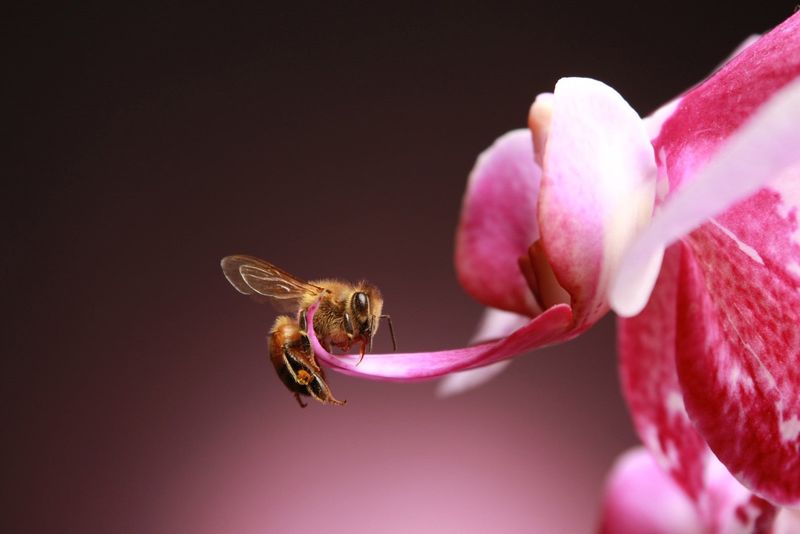
Vanilla's rarity stemmed from a botanical mystery that puzzled European colonists for centuries. Despite transplanting vanilla orchids to colonies worldwide, they refused to produce fruit outside Mexico.
The secret lay with the Melipona bee, vanilla's natural pollinator found only in Mexico. Without these specific bees, vanilla orchids remained ornamental curiosities elsewhere. This pollination barrier created a Mexican monopoly on vanilla production that lasted over 300 years.
6. Hand-Pollination Revolution
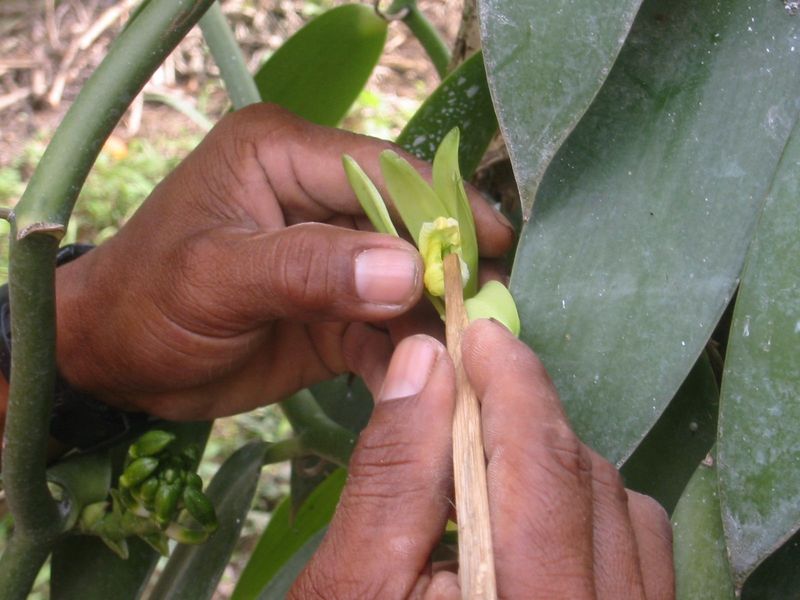
A remarkable breakthrough came from an unexpected source in 1841. Edmond Albius, a 12-year-old enslaved boy on Réunion Island, discovered a method to hand-pollinate vanilla orchids using a thin bamboo stick.
His simple yet ingenious technique involved lifting the rostellum membrane and pressing the anther against the stigma. This discovery transformed vanilla cultivation globally, ending Mexico's monopoly overnight and enabling production throughout tropical regions.
7. Expansion To Madagascar And Beyond
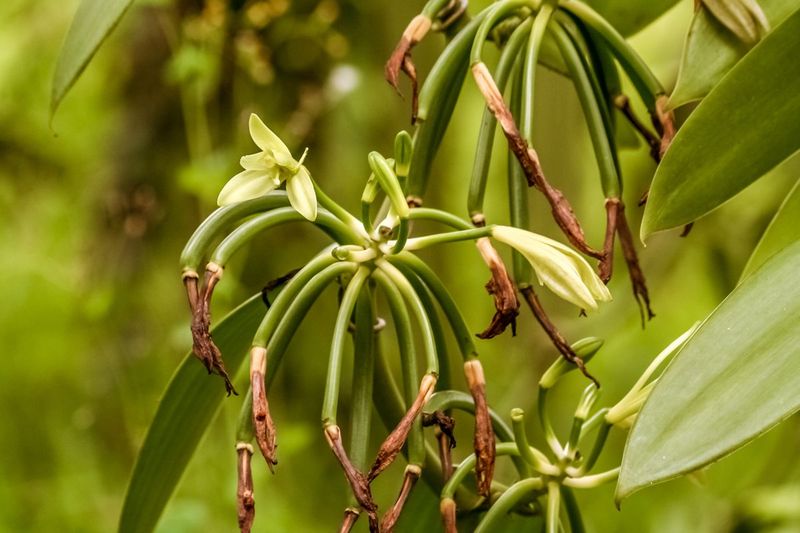
Armed with Albius's pollination technique, French colonists established vanilla plantations across their tropical territories. Madagascar emerged as the perfect environment for vanilla cultivation, with its humid climate and rich soil.
By the late 19th century, Madagascar surpassed Mexico in vanilla production. Today, this island nation produces approximately 80% of the world's natural vanilla. Other significant growing regions include Indonesia, Uganda, and Tahiti, each developing distinctive vanilla varieties with unique flavour profiles.
8. Rise Of Vanilla Extract
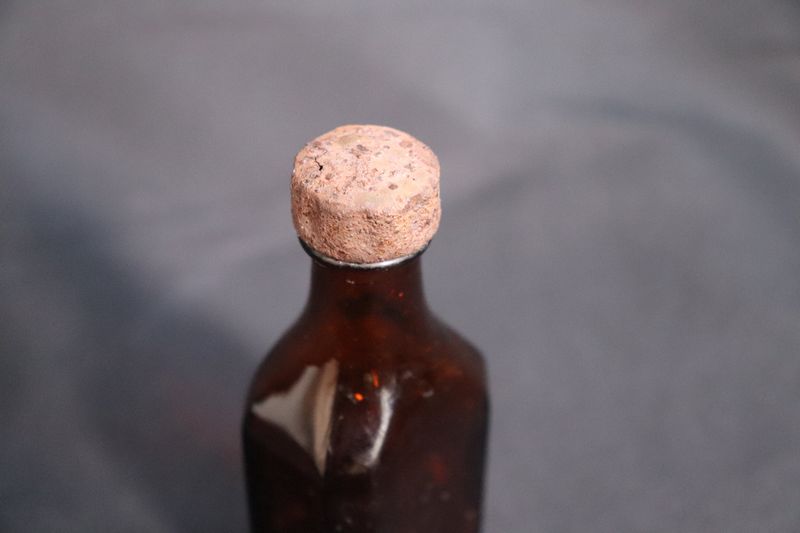
Chemist Joseph Burnett revolutionised vanilla's culinary use in 1847 by creating the first commercial vanilla extract in Boston. His alcohol-based solution preserved vanilla's flavour while making it convenient for home cooks.
Previously, cooks had to tediously scrape seeds from pods or infuse whole beans in recipes. Burnett's extract standardised vanilla flavouring and extended its shelf life. Victorian-era cookbooks began featuring vanilla prominently, with vanilla-flavoured desserts becoming increasingly fashionable.
9. Introduction Into Ice Cream
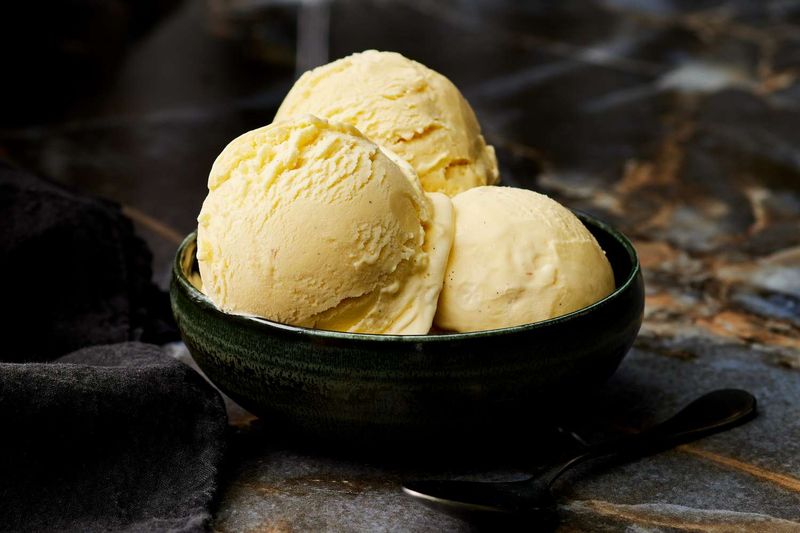
Thomas Jefferson encountered vanilla ice cream during his time as American minister to France in the 1780s. Enchanted by this delicacy, he returned with a vanilla ice cream recipe that he served at presidential dinners.
Initially, vanilla was just one of many ice cream flavours, alongside orange blossom, cinnamon, and even parmesan. By the mid-19th century, improved ice cream production methods coincided with greater vanilla availability. The clean, versatile taste of vanilla gradually became the standard against which other flavours were judged.
10. Industrial Era And Mass Production
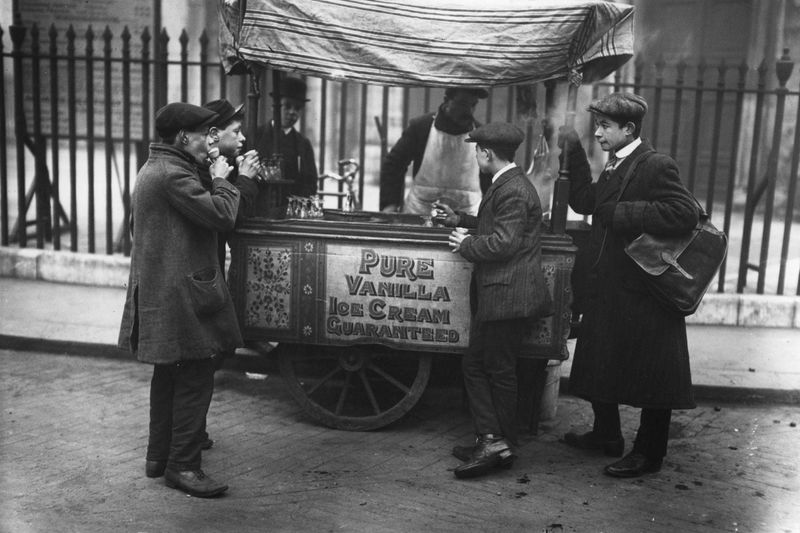
The Victorian era saw vanilla transition from luxury to everyday ingredient. Advances in transportation and colonial trade networks made vanilla more affordable, while growing middle classes eagerly adopted formerly aristocratic tastes.
Cookbook authors like Isabella Beeton popularised vanilla in household recipes. The first commercial bakeries embraced vanilla for its universal appeal and complementary nature. By 1900, vanilla had become firmly established as the foundation flavour for cakes, biscuits, custards and confectionery throughout Europe and America.
11. Synthetic Vanilla Emerges
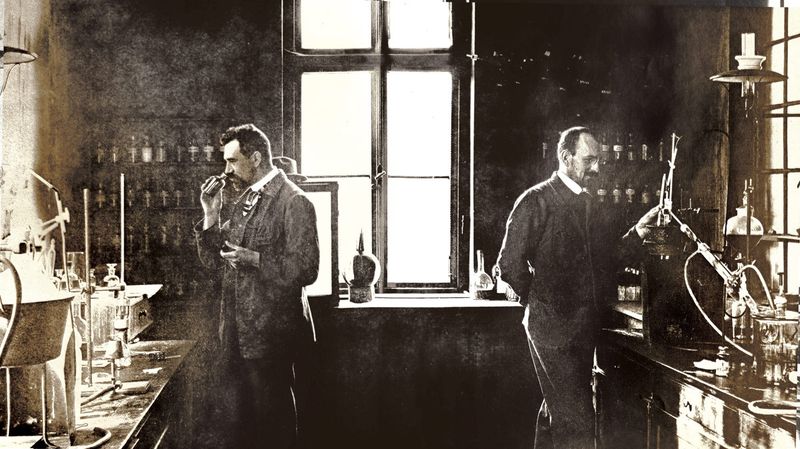
German chemists Ferdinand Tiemann and Wilhelm Haarmann created synthetic vanillin in 1874, deriving it from conifer tree sap. This scientific breakthrough eventually transformed the vanilla industry, making vanilla flavouring vastly more affordable.
By the 1920s, chemical companies were producing synthetic vanillin from lignin, a paper manufacturing byproduct. Today, approximately 99% of vanilla-flavoured products contain synthetic vanillin. Modern production methods also create vanillin from petroleum byproducts, clove oil, rice bran, and even cow dung.
12. Modern Revival Of Natural Vanilla
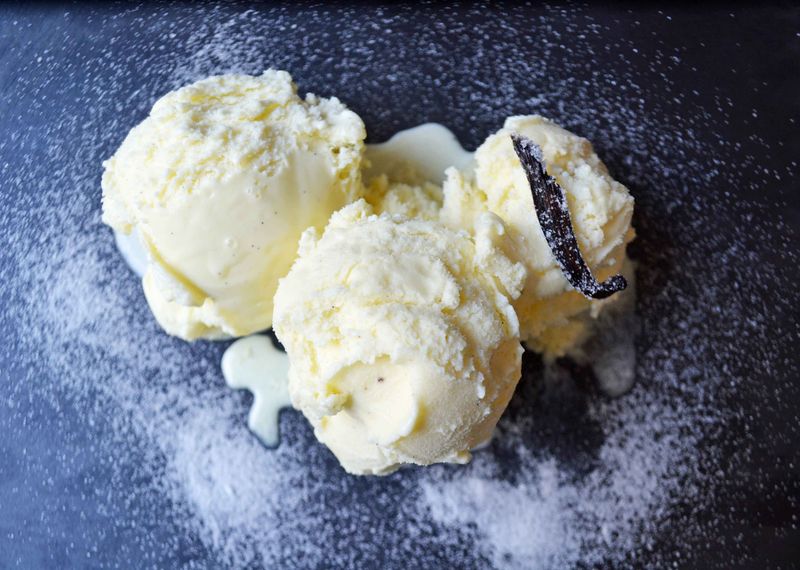
Natural vanilla experienced a renaissance beginning in the 1980s as gourmet chefs championed authentic ingredients. Food writers like Patricia Rain (known as 'The Vanilla Queen') educated consumers about the complex flavour profile of real vanilla versus synthetic versions.
Today, premium ice cream brands advertise 'made with Madagascar vanilla beans' as a mark of quality. The artisanal food movement has further elevated vanilla's status, with single-origin vanilla beans commanding prices similar to fine wines, based on terroir and cultivation methods.