








Eggs show up in so many breakfasts that it’s easy to assume they all work the same way for appetite and energy. The way they’re cooked, what goes in the pan, and how filling they feel can quietly shape your daily choices more than you might expect.
Small differences in texture, flavour, and satisfaction often influence how long you stay full and what you reach for later. Taking a closer look helps make those everyday decisions feel a little more confident and informed.
This article is provided for general informational purposes only and does not replace professional medical, nutritional, or dietary advice. Individual health needs, metabolism, and dietary responses can vary.
1. Protein Content And How It Supports Fullness

Both omelettes and boiled eggs deliver roughly the same amount of protein per egg - about six to seven grammes. Protein is brilliant for keeping hunger at bay because it slows digestion and signals your brain that you're satisfied.
However, omelettes often include multiple eggs, which naturally boosts your protein intake. That extra protein can help you feel fuller for longer periods.
Boiled eggs work just as well if you eat two or three at once, giving you similar satiety benefits without added ingredients.
2. Calorie Differences And Portion Control Impact

A boiled egg contains roughly the same calorie amount each time, which makes tracking intake feel simple and predictable. Knowing exactly what’s on your plate can remove a lot of guesswork when managing portions.
Omelettes naturally vary depending on what goes into the pan, from cheese and vegetables to oils and spreads. Without paying attention to portions, those extras can quietly increase overall calories.
Both options can fit into a balanced plan, but boiled eggs tend to make calorie awareness easier for many people.
3. Fat Levels And Cooking Method Considerations

Boiled eggs contain only the natural fats found in the yolk - about five grammes per egg - with zero added cooking fats. This keeps them lean and straightforward for anyone watching fat intake closely.
Omelettes typically require butter or oil for cooking, which adds extra calories and fat. Even a tablespoon of butter contributes roughly 100 calories and 11 grammes of fat.
If you're mindful about keeping fats low, boiled eggs offer a cleaner, simpler option without sacrificing taste or nutrition.
4. How Each Option Affects Blood Sugar Stability
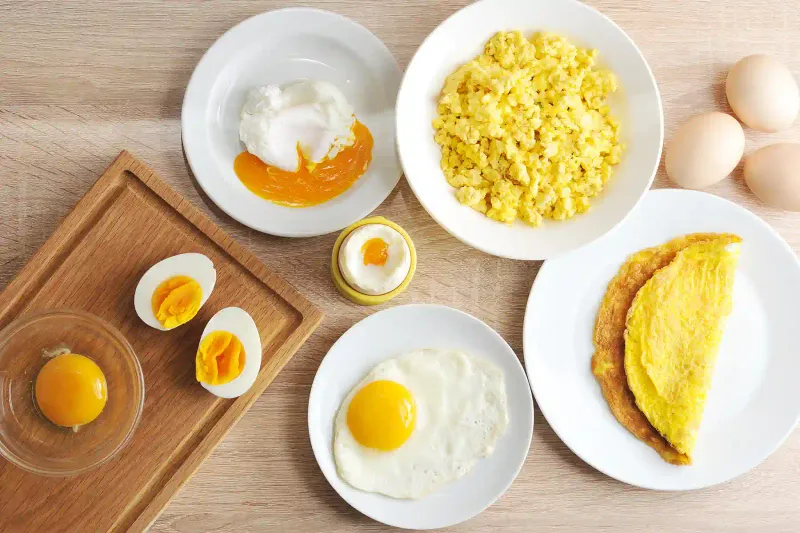
Eggs are naturally low in carbohydrates, so both boiled eggs and plain omelettes have minimal impact on blood sugar levels. Stable blood sugar means fewer energy crashes and reduced cravings throughout the day.
However, omelettes often include ingredients like toast, potatoes, or sweet fillings that spike blood sugar quickly. Boiled eggs eaten alone or with non-starchy vegetables maintain steadier glucose levels.
This stability supports better appetite control and helps prevent those mid-morning hunger pangs that derail weight loss efforts.
5. Satiety Duration And Snacking Behaviour

Boiled eggs are often more filling than they look thanks to their balance of protein and fat. Many people notice they stay satisfied for a good stretch of time after eating them, especially when paired with a little fibre.
Omelettes can feel even more substantial when vegetables or a small amount of cheese are added. The extra volume can make meals feel more satisfying without dramatically increasing calories.
Finding which option keeps you comfortably full between meals often comes down to personal preference and appetite patterns.
6. Nutrient Density And Micronutrient Benefits

Both preparation methods preserve most of the egg's impressive nutrient profile, including vitamins B12, D, selenium, and choline. These micronutrients support metabolism, energy production, and overall health during weight loss.
Omelettes offer a bonus: you can pack in nutrient-dense vegetables like spinach, tomatoes, and peppers. This boosts your vitamin and mineral intake significantly.
Boiled eggs are still nutritious on their own, but they lack that opportunity for added veggie goodness unless you pair them with a side salad or other vegetables.
7. Practicality, Taste Variety, And Long-Term Adherence

Boiled eggs are unbeatable for convenience - you can prepare a batch ahead, store them in the fridge, and grab them on busy mornings. They're portable, mess-free, and require zero cooking skills.
Omelettes demand more time and effort but offer endless flavour combinations that prevent diet boredom. Adding different herbs, spices, and fillings keeps meals exciting.
For long-term weight loss success, enjoyment matters hugely. If bland boiled eggs make you miserable, omelettes might be worth the extra prep time for better adherence.
8. So Which Option Fits Your Lifestyle And Goals Best
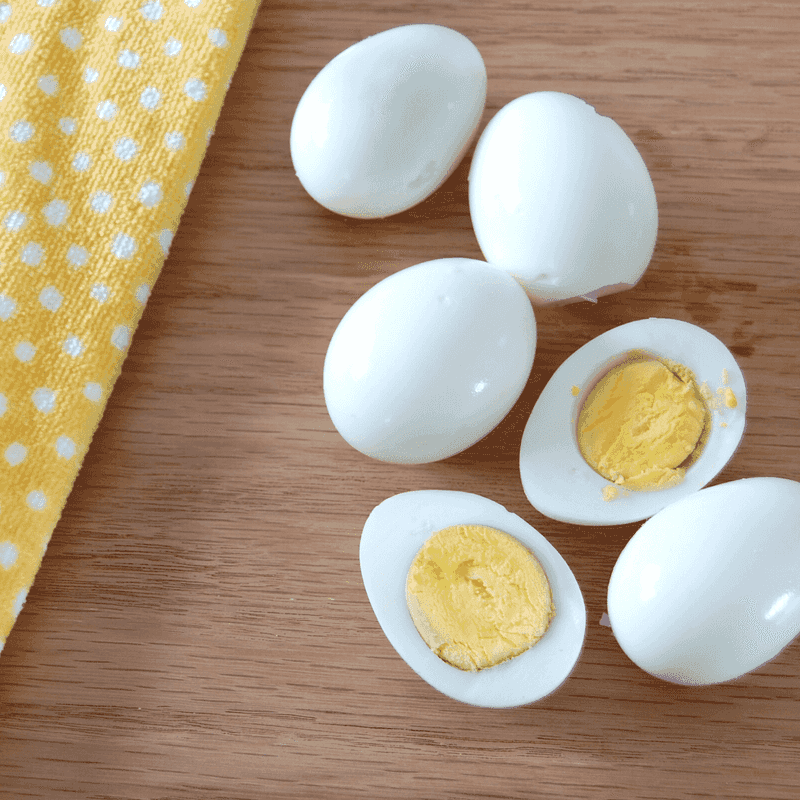
When weighing everything together, boiled eggs tend to edge ahead for weight loss thanks to their simplicity, reliable portions, and easy prep. They make it easier to stay consistent, avoid hidden extras, and keep meals predictable on busy days.
Omelettes still shine for variety and vegetable intake, especially for anyone who enjoys cooking and wants more flexibility in flavour. The key is choosing the option that supports steady habits rather than short bursts of motivation.
Small daily choices done consistently usually make the biggest difference over time.