



School dinners once centred on filling, familiar flavours that shaped many British childhoods, long before superfoods and trend-led menus became everyday conversation.
Some of those comforting favourites still appear regularly on supermarket shelves and family tables, whilst others have slowly faded as shopping habits, convenience foods, and tastes have evolved.
Looking back at what endured and what quietly slipped away offers a small window into how British eating habits continue to change over time – often without us noticing.
This article is provided for general cultural interest only. Food availability, popularity, and recipes may vary by region, household, and season, and some items listed may still appear on menus in certain areas.
Photos are for illustrative purposes only.
5 Childhood Foods Britons Still Love
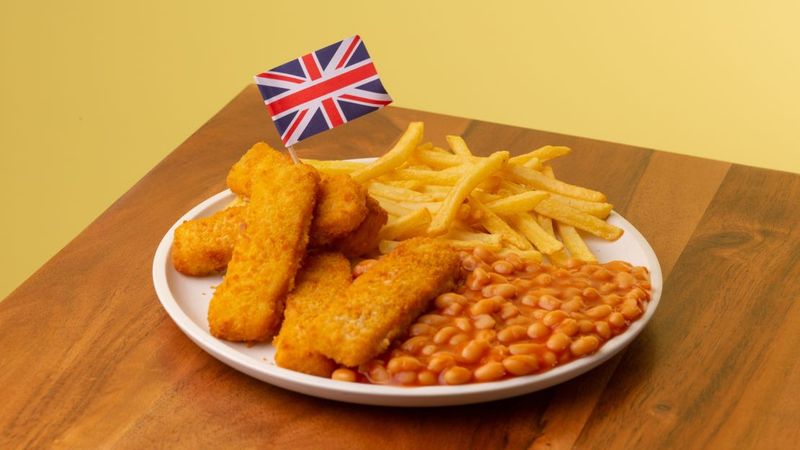
Nostalgia is a powerful thing, especially when it comes to the foods we grew up eating. These five dishes have stood the test of time, still appearing on dinner tables and in takeaway bags across Britain.
Whether it's the simplicity, the flavour, or the memories they evoke, these meals continue to bring comfort to Britons of all ages. They're proof that sometimes the old ways really are the best.
1. Beans On Toast
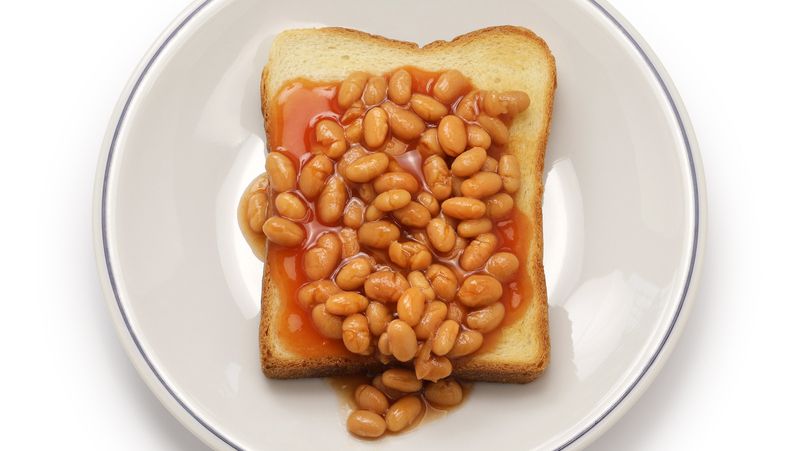
Few things scream British childhood quite like a steaming plate of baked beans piled high on buttered toast. It's the ultimate quick fix – ready in minutes, filling, and oddly satisfying.
Generations have relied on this simple combo for breakfast, lunch, or tea when time (or energy) is short.
The magic lies in the contrast: soft, sweet beans against crispy, golden bread. Add a sprinkle of cheese or a dash of Worcester sauce, and you've elevated a basic staple into something rather special.
2. Fish Fingers With Chips
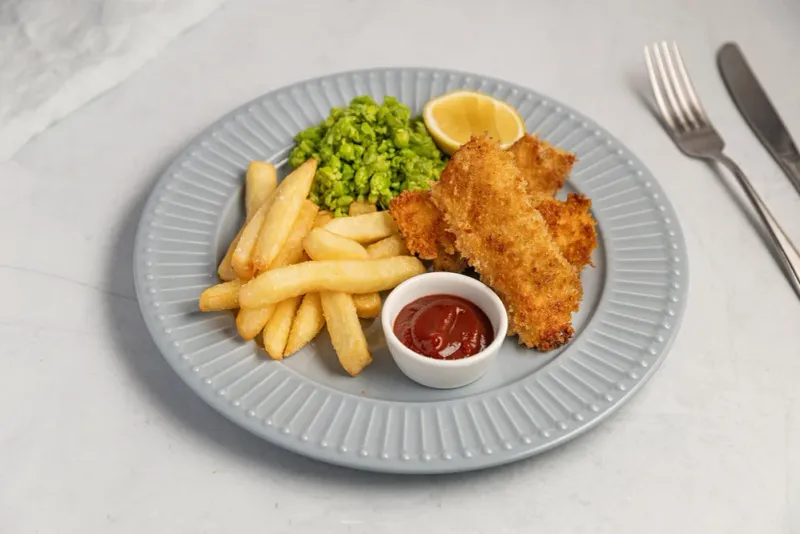
Crispy on the outside, fluffy on the inside – fish fingers with chips remain a teatime favourite for good reason. This duo has been rescuing busy parents and satisfying hungry kids since the 1950s.
Whether oven-baked or fried, served with peas or beans, it's a meal that never disappoints.
There's something about that golden breadcrumb coating and tender white fish that hits the spot every time. Dunk them in ketchup or tartar sauce, and you've got yourself a proper British classic that's stood strong through decades of food trends.
3. Shepherd's Pie
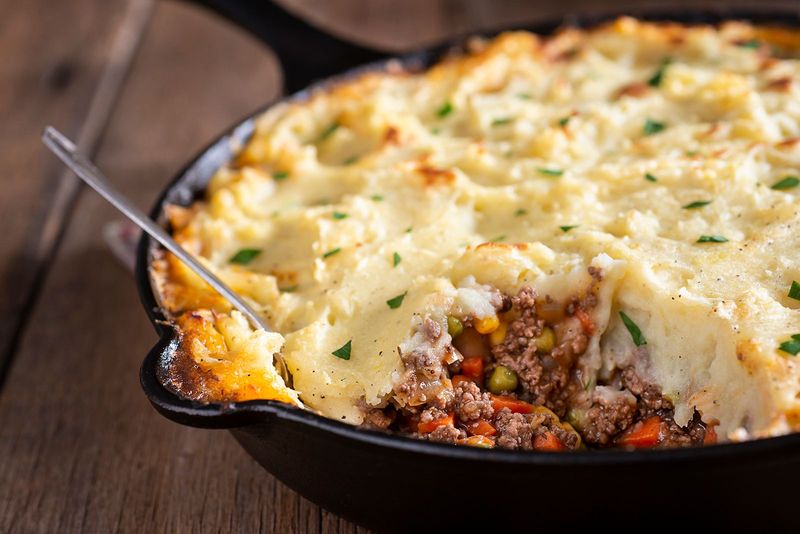
Shepherd's pie is the kind of meal that feels like a warm hug on a cold evening. Layers of seasoned minced lamb, mixed vegetables, and rich gravy, all topped with fluffy mashed potato and baked until golden.
It's hearty, wholesome, and wonderfully comforting.
Families have been making this dish for generations, often tweaking the recipe to suit their tastes. Some add Worcestershire sauce for extra depth, others sneak in cheese on top for a crispy finish.
Whatever the variation, shepherd's pie remains a Sunday dinner staple that never goes out of style.
4. Jam Roly-Poly
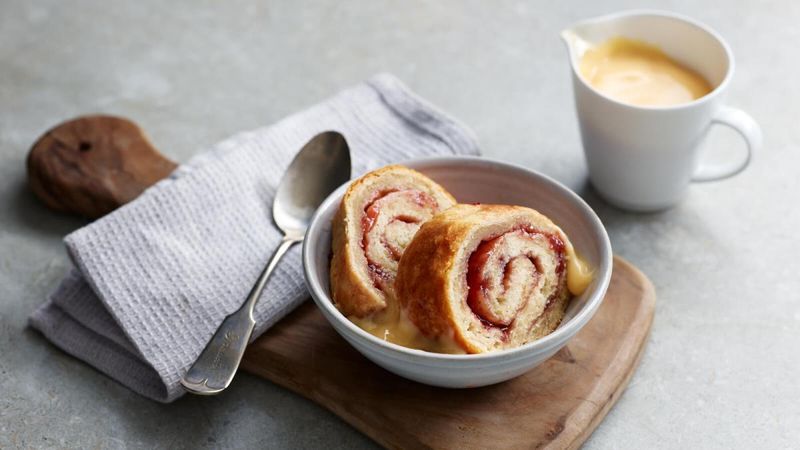
Jam roly-poly is pure childhood nostalgia wrapped in a fluffy suet pastry roll. This traditional British pudding features sweet jam (usually raspberry or strawberry) swirled through soft, steamed sponge.
Served with lashings of hot custard, it's the ultimate comfort dessert.
Schools used to dish this out regularly, earning it the affectionate nickname "dead man's arm" thanks to its rolled shape. These days, it's less common on dinner tables, but those who remember it fondly still whip it up for a proper taste of the past.
5. Cornflakes

Cornflakes have been the breakfast of champions (and rushed schoolchildren) for over a century. That familiar crunch, the cold milk, the occasional spoonful of sugar when no one's looking – it's a morning ritual that millions of Britons still swear by.
Simple, reliable, and endlessly satisfying.
They're also surprisingly versatile. Crushed cornflakes make a brilliant coating for chicken, and they're a key ingredient in classic chocolate cornflake cakes.
Whether in a bowl or baked into something sweet, this humble cereal has earned its place in British food history.
5 That Quietly Faded From Plates
Not every childhood favourite has survived into the modern era. These five dishes were once staples in British homes and school canteens, but they've gradually disappeared from our plates.
Changing tastes, health concerns, and evolving food trends have all played a part in their decline. Whilst some might remember them fondly, others are quite happy to leave them in the past where they belong.
1. Spam Fritters
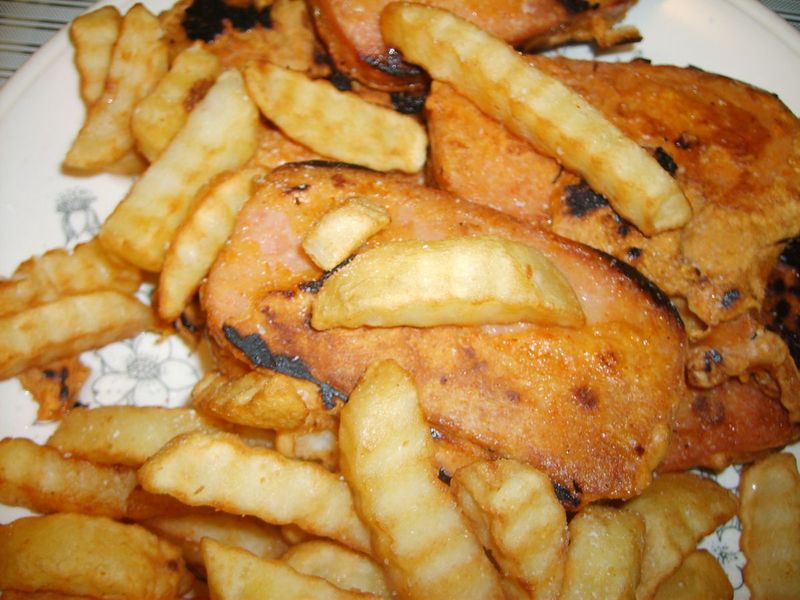
Spam fritters were once a school dinner staple – slices of processed meat coated in batter and deep-fried until golden. They were cheap, filling, and easy to make in bulk, which made them perfect for feeding hungry children on a budget.
But let's be honest, they were never going to win any culinary awards.
As people became more aware of processed foods and their nutritional content, spam fritters quietly disappeared from menus. These days, they're more of a punchline than a proper meal, remembered with a mixture of nostalgia and mild horror.
2. Semolina Pudding
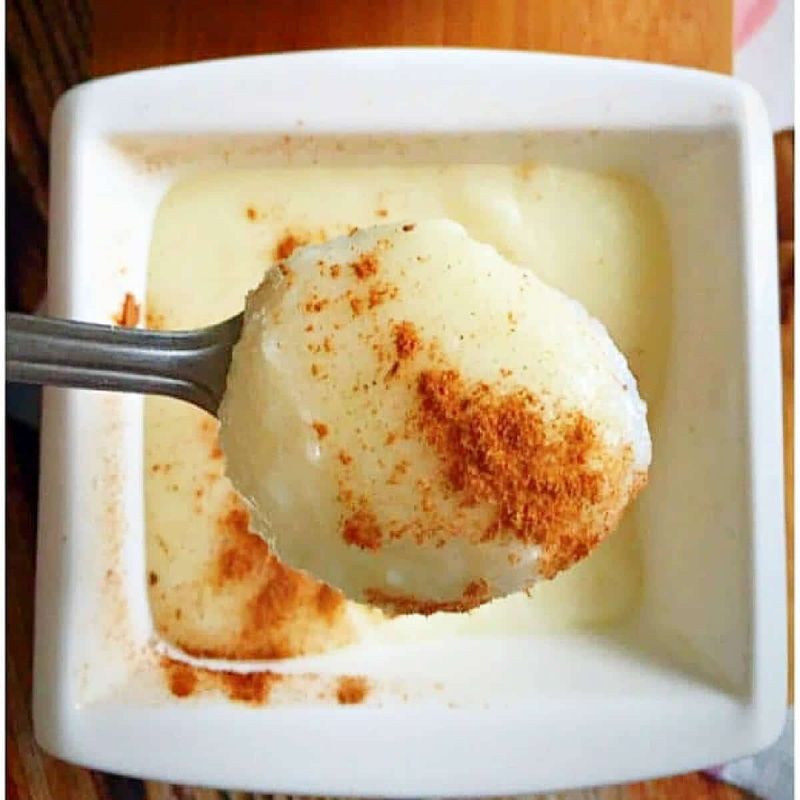
Semolina pudding was the kind of dessert that divided opinion – you either loved its creamy, porridge-like texture or absolutely despised it. Made from semolina grains cooked in milk and sweetened with sugar, it was often served with a dollop of jam on top.
Schools dished it out regularly, usually lukewarm and slightly lumpy.
Whilst some found it comforting, many children found it bland and uninspiring. As more exciting dessert options became available, semolina quietly faded from dinner tables, replaced by yoghurts, mousses, and other more appealing sweet treats.
3. Devilled Kidneys
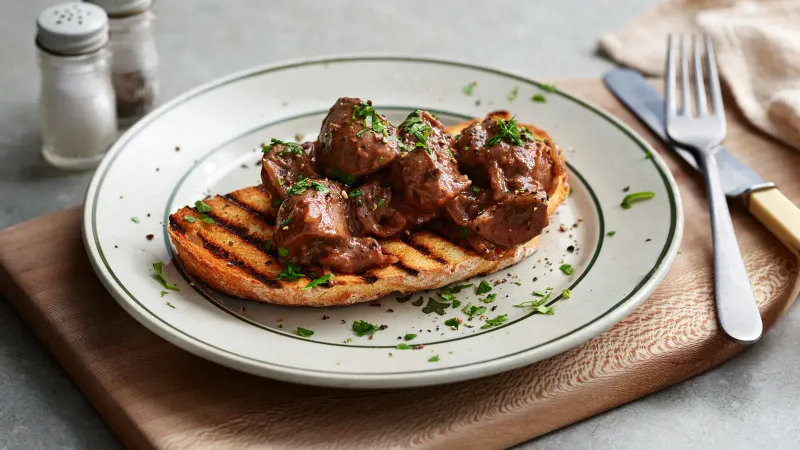
Devilled kidneys were once a popular breakfast dish, especially in Victorian and Edwardian times. Lamb's kidneys were cooked in a spicy, tangy sauce made with mustard, cayenne pepper, and Worcestershire sauce, then served on toast.
It was considered a proper, hearty start to the day.
However, offal has fallen dramatically out of favour in recent decades. Many people find the idea of eating kidneys unappealing, and the strong flavour isn't to everyone's taste.
These days, devilled kidneys are a rare sight, mostly found in old-fashioned hotels or nostalgic cookbooks.
4. Liver And Onions
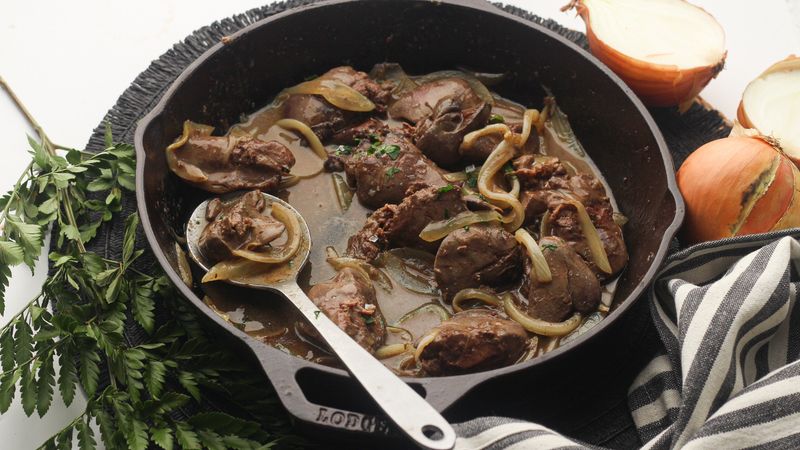
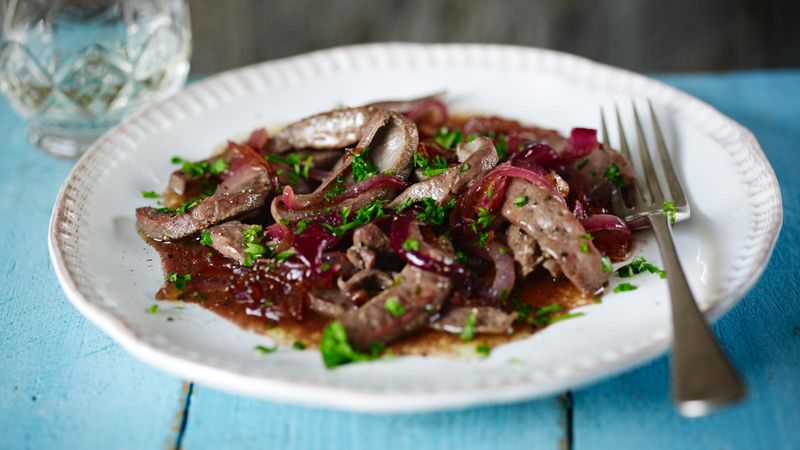
Liver and onions was once a common weeknight dinner, prized for being nutritious and affordable. Slices of liver (usually lamb's or pig's) were fried with onions and served with mash and gravy.
It was meant to be good for you, packed with iron and vitamins.
Unfortunately, liver's strong flavour and slightly grainy texture put many people off, especially children who were forced to eat it. As meat options expanded and health advice shifted, liver quietly disappeared from most family menus.
Today, it's a dish you're far more likely to read about than actually eat.
5. Sardines In Tomato Sauce On Toast
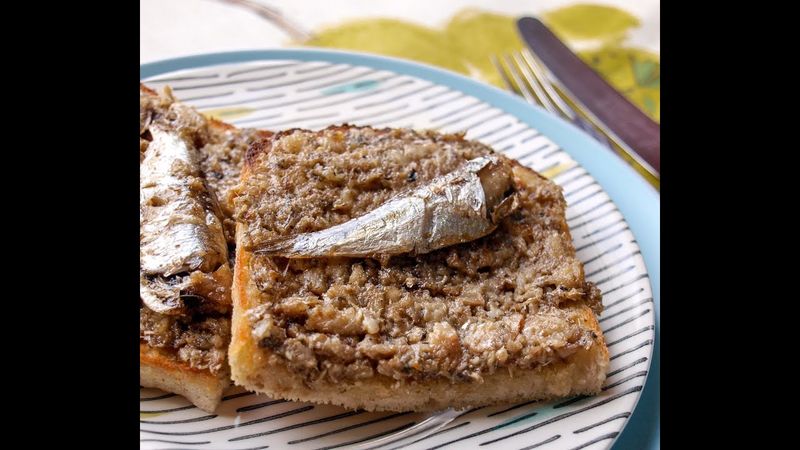
Tinned sardines in tomato sauce on toast was a quick, cheap meal that many Britons grew up eating. The fish were mashed onto buttered toast, creating a salty, savoury snack that was surprisingly filling.
It was the kind of thing you'd have for tea when there wasn't much else in the cupboard.
But as fresh fish became more accessible and people's tastes evolved, tinned sardines lost their appeal. The strong, fishy smell and soft texture didn't help either.
Nowadays, they're more likely to gather dust in the back of the pantry than make it onto anyone's plate.