








Colder months often place extra demands on everyday routines – shorter daylight hours, lower energy levels, and a greater focus on staying well. What sometimes goes unnoticed is how simple food choices can quietly support the body during this time of year.
Naturally orange foods such as carrots, squash, sweet potatoes, and citrus fruits bring colour to winter plates while also delivering nutrients linked to immunity, energy balance, and overall wellbeing.
Rather than relying solely on supplements or complex food trends, these familiar ingredients offer a practical way to support seasonal eating habits.
All information is provided for general interest only and is not intended as medical or nutritional advice. Individual dietary needs and health conditions vary, and guidance from a qualified healthcare or nutrition professional may be appropriate.
Photos are for illustrative purposes only.
What Gives Orange Foods Their Nutritional Power
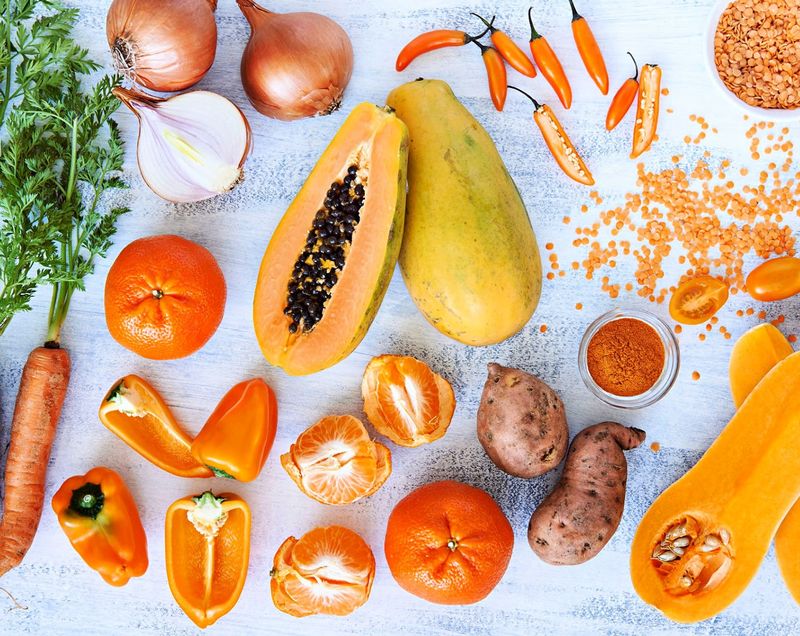
Ever wonder why nature bothered painting carrots, squash, and sweet potatoes in such brilliant shades? That vivid orange hue isn't just for show – it's a signal flare screaming "nutrients inside!"
Beta-carotene is the star player here, a powerful antioxidant your body cleverly converts into vitamin A.
Alongside it, you'll find vitamin C and flavonoids working quietly in the background. These compounds support everything from skin repair to cellular health without needing a medical degree to appreciate them.
Colour really does equal nutritional density, and orange foods wear their benefits on their sleeves.
How Seasonal Eating Supports The Body In Colder Months
Your body's a clever thing, really. When winter rolls around and sunlight becomes scarce, your energy demands shift dramatically.
You need more fuel to stay warm, more hydration despite the cold, and nutrients that help you cope with reduced daylight hours.
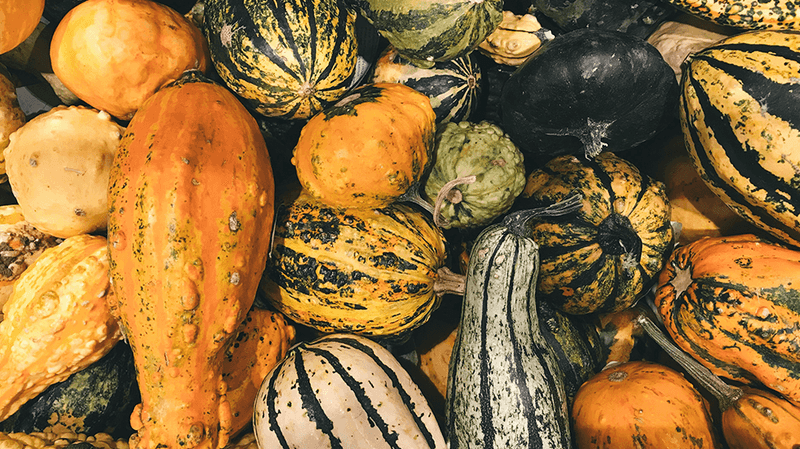
Seasonal orange foods like pumpkins and butternut squash arrive right on cue, packed with exactly what you need. Eating what's in season isn't just trendy – it's your body syncing up with nature's calendar.
These foods provide slow-burning energy and hydration without overcomplicating your plate.
The Link Between Beta-Carotene And Everyday Immune Support
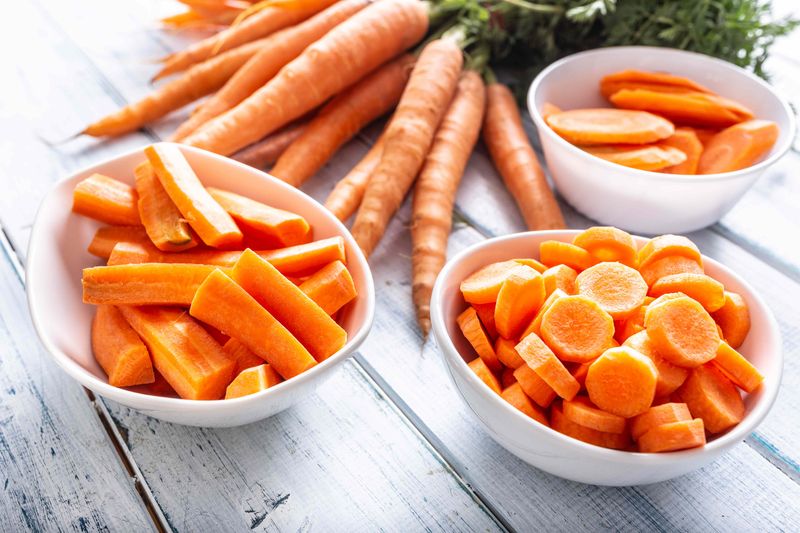
Beta-carotene doesn't just sit around looking pretty in your carrots and sweet potatoes. Once you've eaten it, your body transforms it into vitamin A, which plays a proper role in keeping your immune system functioning normally.
Think of it as your body's maintenance crew, quietly supporting the barriers that keep bugs at bay – your skin, respiratory tract, and gut lining. You're not talking miracle cures here, just solid, everyday immune support that helps you stay on your feet.
Eating orange foods regularly gives your body the raw materials it needs to keep things ticking along smoothly.
Why Orange Foods Can Help Maintain Steady Energy Levels
That mid-afternoon crash when you're reaching for your third biscuit? Orange foods might be your secret weapon against it.
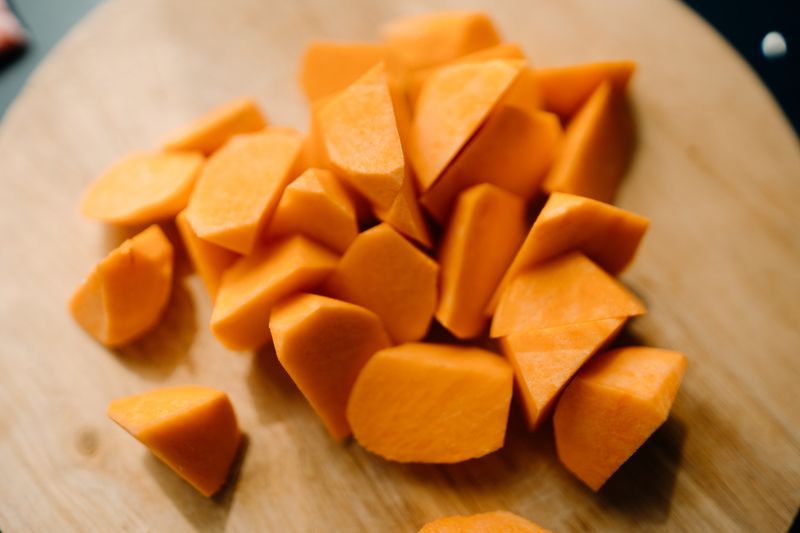
Many of them – sweet potatoes, squash, carrots – are packed with complex carbohydrates that release energy slowly rather than spiking your blood sugar and leaving you in a heap an hour later.
They're also surprisingly hydrating, which matters more in winter than you'd think. Dehydration sneaks up on you when it's cold, dragging your energy down with it.
Steady fuel, proper hydration, and nutrients that actually stick around? That's the orange food advantage.
Mood, Comfort And The Psychology Of Warm-Coloured Foods

There's something oddly soothing about a bowl of butternut squash soup or roasted sweet potato on a grim winter evening, isn't there? Part of it's psychological – warm, golden colours genuinely make us feel cosier and more comforted.
But there's science behind it too. Orange foods often contain magnesium and tryptophan, nutrients linked to mood regulation and relaxation.
Their soft, comforting textures play into the emotional side of eating, offering a bit of warmth when the world outside feels bleak. Winter eating isn't just about nutrition; it's about nourishing your mood as well.
Simple Ways To Add More Orange Foods To Daily Meals
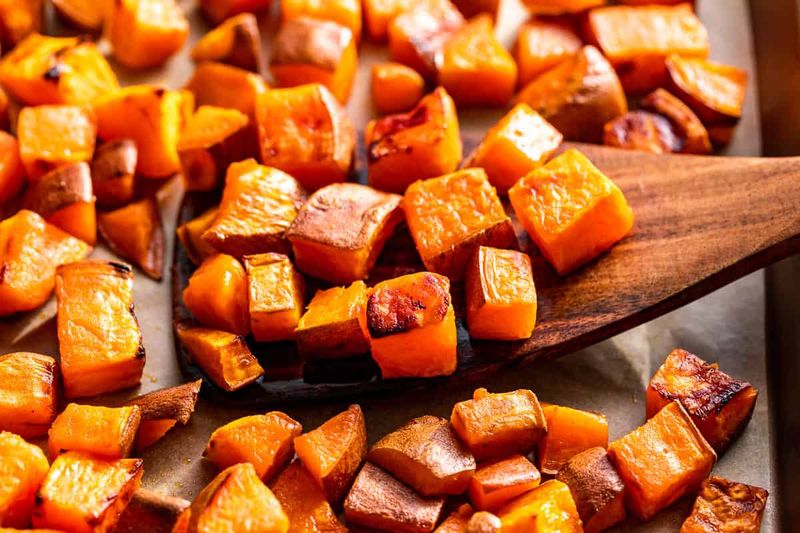
You don't need to overhaul your entire diet to get more orange foods in. Start small: swap regular potatoes for sweet potatoes at dinner, toss grated carrot into your morning porridge, or blend some pumpkin into a pasta sauce.
Soups are brilliant for this – chuck in squash, carrots, or sweet potato and you've got a nutrient-packed meal with minimal fuss. Snack on orange slices or carrot sticks with hummus.
The trick is making it easy and practical, not complicated. Small swaps add up faster than you'd think, and your body will quietly thank you for it.
What Nutrition Research Says About Colourful Diets And Balance
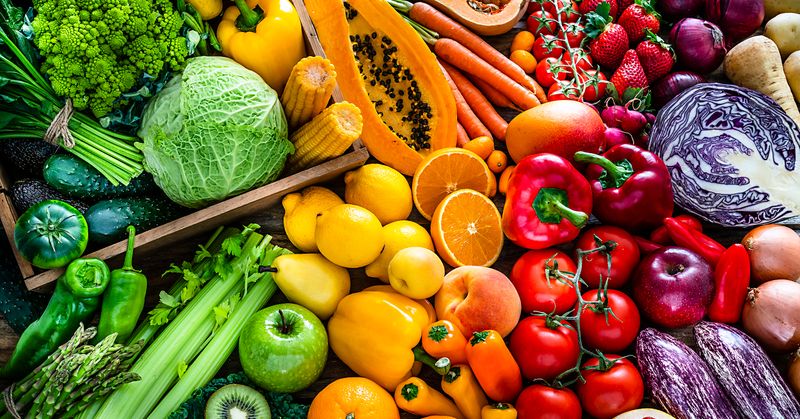
Here's the thing nutrition science keeps coming back to: eating a rainbow of colours matters more than popping supplements ever will. Research consistently shows that diets rich in varied, colourful whole foods provide a broader spectrum of nutrients and antioxidants than any pill can replicate.
Orange foods are a key part of that picture, but they're not the whole story. Balance is the name of the game – mixing oranges, greens, reds, and purples gives your body the full toolkit it needs.
Think of it as eating in full colour rather than grayscale, and your health will reflect that vibrancy.