









One of the quiet joys of travelling around Britain is realising that familiar foods rarely taste quite the same twice. A sausage in one town can feel worlds apart from the version served a few counties away, even when the name stays identical.
Those small regional twists reveal a lot about local traditions, ingredients, and the pride people take in their everyday favourites.
This content is provided for general interest and reflects widely recognised regional food traditions rather than fixed standards. Recipes, ingredients, and availability may vary by location and season.
1. Cheddar Cheese
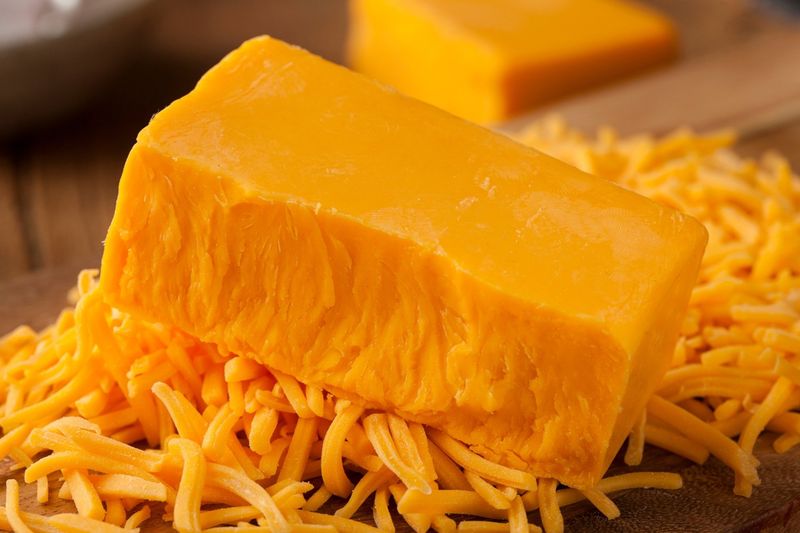
Authentic West Country Cheddar from Somerset offers a sharp, crumbly texture with nutty undertones that set it apart from mass-produced versions. The limestone-rich soil and traditional cheesemaking methods create distinctive flavours you won't find elsewhere.
Meanwhile, Scottish and Welsh Cheddar producers add their own regional character, sometimes using different ageing techniques or local milk. The result is a cheese that can taste mild and creamy or intensely sharp depending on its birthplace.
2. Sausages
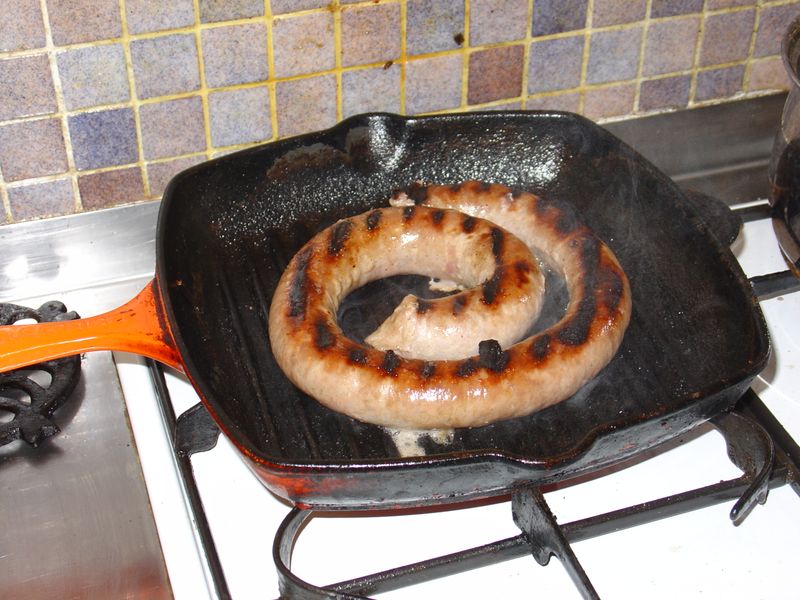
Cumberland sausages from the North West are famously long and coiled, packed with coarsely ground pork and plenty of pepper for a robust, spicy kick. Their distinctive seasoning makes them instantly recognisable on any breakfast plate.
Head south to Lincolnshire, and you'll discover sausages flavoured with sage and breadcrumbs that taste milder and herbier. Each region guards its recipe jealously, creating bangers that reflect local tastes and centuries-old butchery traditions.
3. Black Pudding
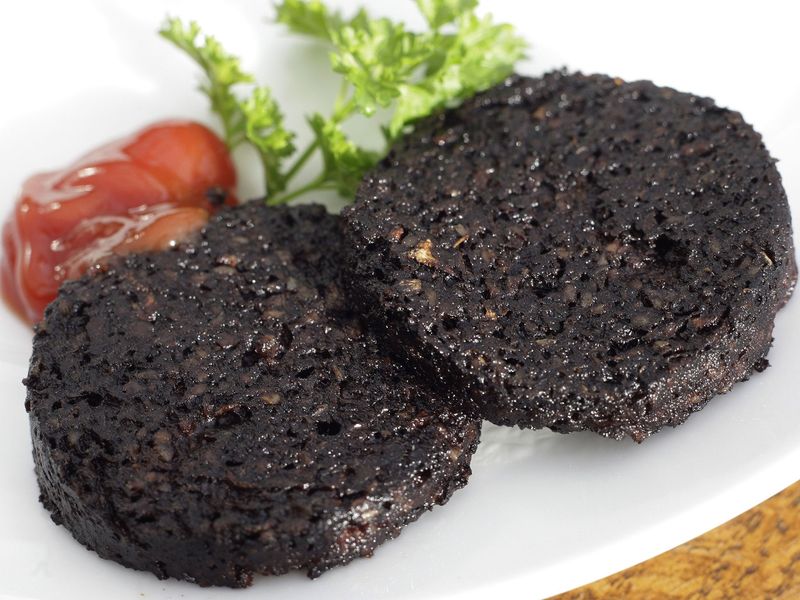
Bury in Lancashire produces black pudding with a crumbly, rich texture that's considered the gold standard across Britain. The blend of pork blood, oatmeal, and secret spices creates an earthy, savoury taste that's surprisingly delicate.
Scottish black pudding tends to be softer and moister, whilst Stornoway varieties carry a protected status with their own unique recipe. Regional variations in spicing and texture mean every bite tells a different story about its hometown.
4. Haggis
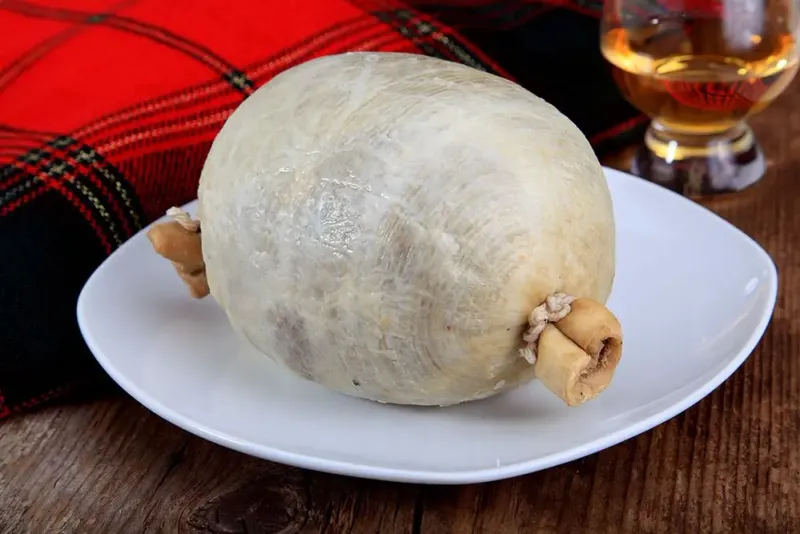
Scotland’s national dish changes subtly from region to region, giving each haggis its own personality and flavour balance. Highland versions often lean towards a stronger, more robust taste, while Lowland styles can feel milder with a finer texture.
Some butchers prefer a bolder pepper kick, while others keep seasoning gentle to let the natural ingredients shine through. The ratio of oatmeal to offal also shifts depending on local preference and tradition.
Every variation reflects the skill, history, and personal touch of the butcher who makes it.
5. Cornish Pasties
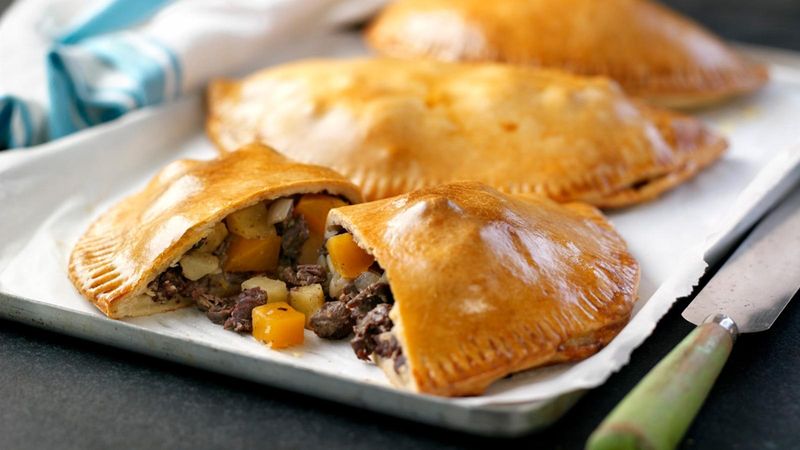
Genuine Cornish pasties must be made in Cornwall with a specific crimp and filling of beef, potato, swede, and onion seasoned with just salt and pepper. The pastry's golden colour and peppery punch are protected by law.
Venture beyond Cornwall, and you'll find pasties stuffed with cheese, chicken, or vegetables that taste completely different. Northern versions might feature chunkier vegetables, whilst Midlands bakers sometimes add gravy, creating endless regional interpretations of this working-class favourite.
6. Fish And Chips
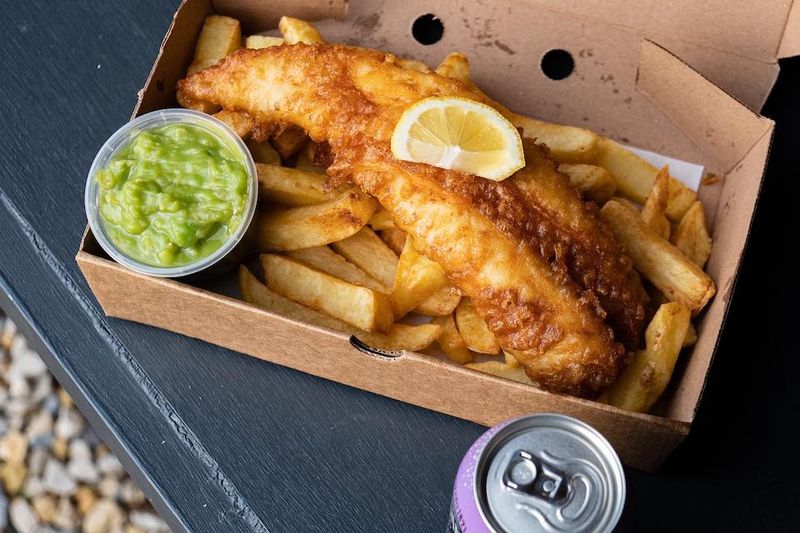
Yorkshire fish and chips are famous for their crispy batter made with beef dripping, creating a richer, more golden coating than anywhere else. The chips are thick-cut and fluffy inside, often served with gravy for dipping.
Down south in seaside towns like Brighton, the batter tends to be lighter and crispier, fried in vegetable oil. Scottish chippies sometimes add salt and vinegar directly to the batter, whilst Northern Ireland favours chunkier chips with a softer texture.
7. Pork Pies
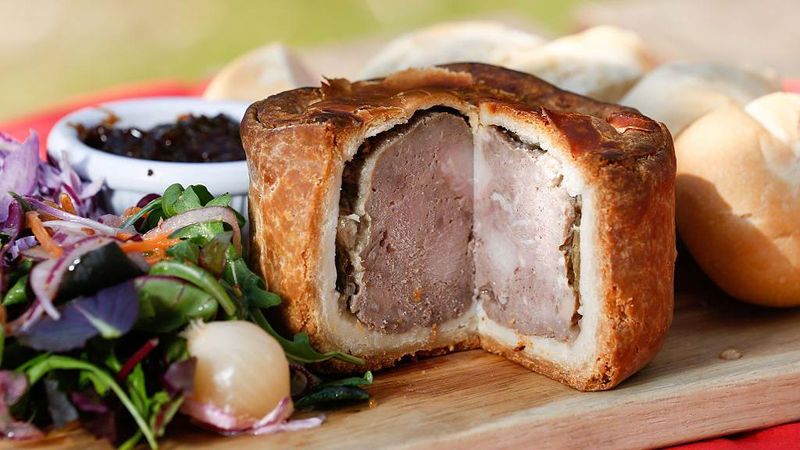
Melton Mowbray pork pies from Leicestershire are the champions, with uncured grey meat, hand-raised hot water crust pastry, and a distinctive bow-topped shape. Their peppery filling and crisp pastry earned them protected geographical status.
Yorkshire pork pies often feature pinker, cured meat and a flatter shape, whilst some Northern bakers add jelly for extra moisture. Regional variations in seasoning, pastry thickness, and meat-to-jelly ratios create surprisingly different taste experiences across the country.
8. Stilton Cheese
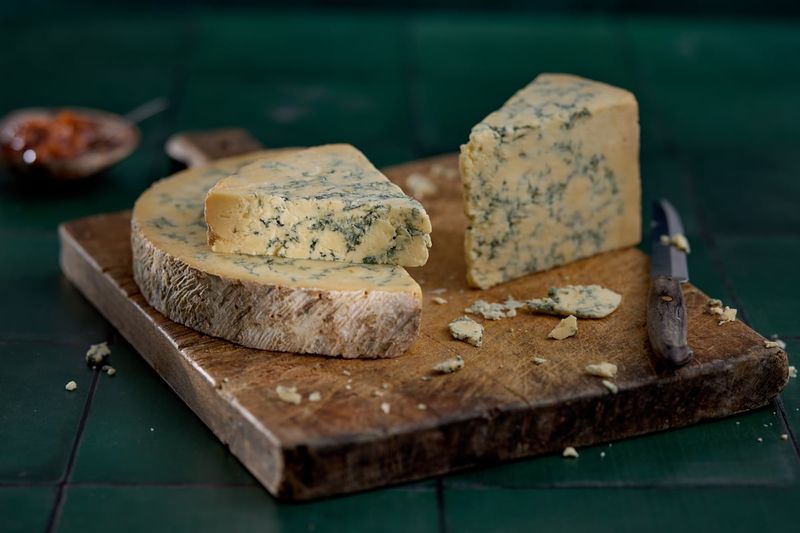
True Stilton can only be produced in Derbyshire, Leicestershire, and Nottinghamshire under protected status rules, which keeps its heritage tightly guarded. Different dairies within those counties still create slightly varied flavour profiles depending on milk source, ageing time, and production style.
Some wheels taste rich and buttery with gentle blue notes, while others develop a sharper tang and deeper savoury character. Texture can range from crumbly and open to smooth and spreadable, making every Stilton experience a little different.
Cheese lovers often enjoy comparing these subtle shifts, especially when tasting from different producers.
9. Oatcakes
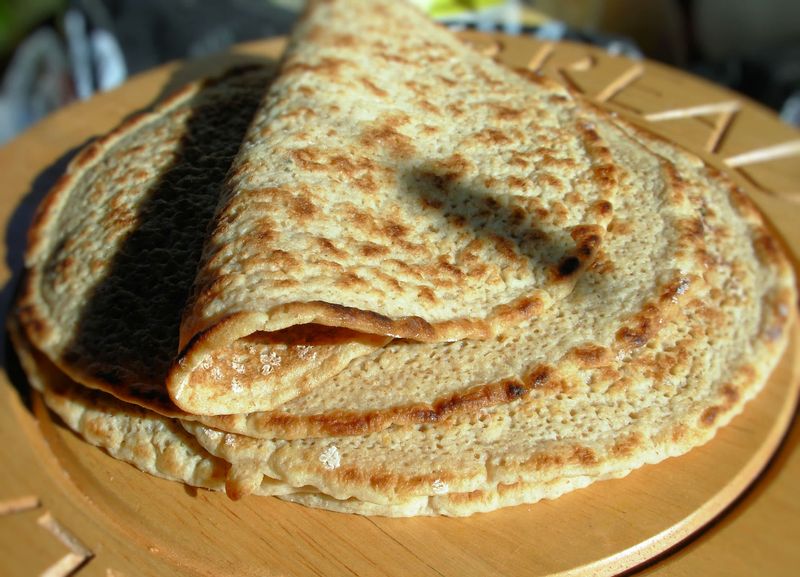
Staffordshire oatcakes are soft, pancake-like creations cooked on a griddle and traditionally filled with cheese and bacon for breakfast. Their slightly tangy flavour comes from yeast fermentation, making them completely different from Scottish versions.
Scottish oatcakes are thin, crisp biscuits perfect for topping with cheese or butter, with a nutty, wholesome taste. Derbyshire oatcakes fall somewhere in between, whilst Welsh versions add different grains, showcasing how one simple ingredient transforms across borders.
10. Welsh Rarebit
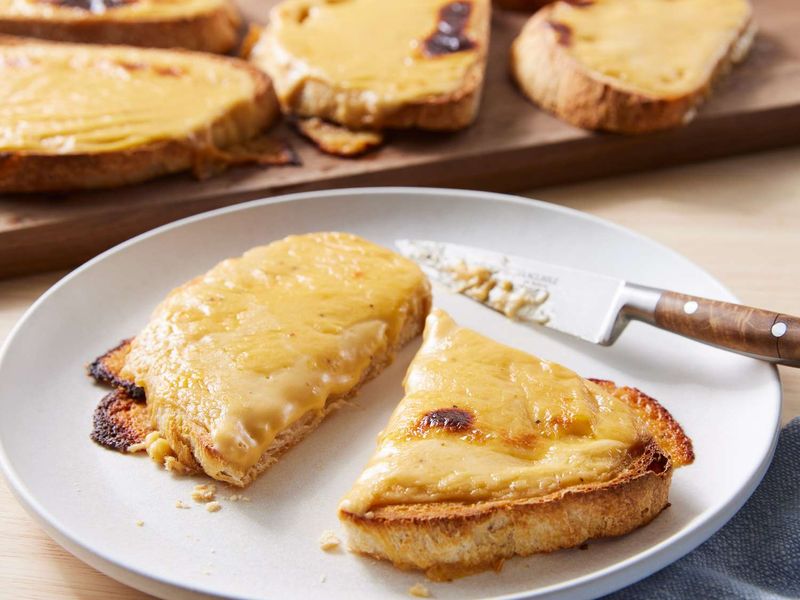
Traditional Welsh rarebit from South Wales features a thick, bubbling cheese sauce made with mature Cheddar, mustard, and sometimes a splash of Worcestershire sauce poured over toasted bread. The cheese mixture is grilled until golden and gloriously gooey.
North Welsh versions might use different local cheeses or add leeks for extra flavour, whilst some recipes include egg yolks for richness. English interpretations often simplify the recipe, losing the complex, tangy depth that authentic Welsh versions deliver.
11. Eccles Cakes
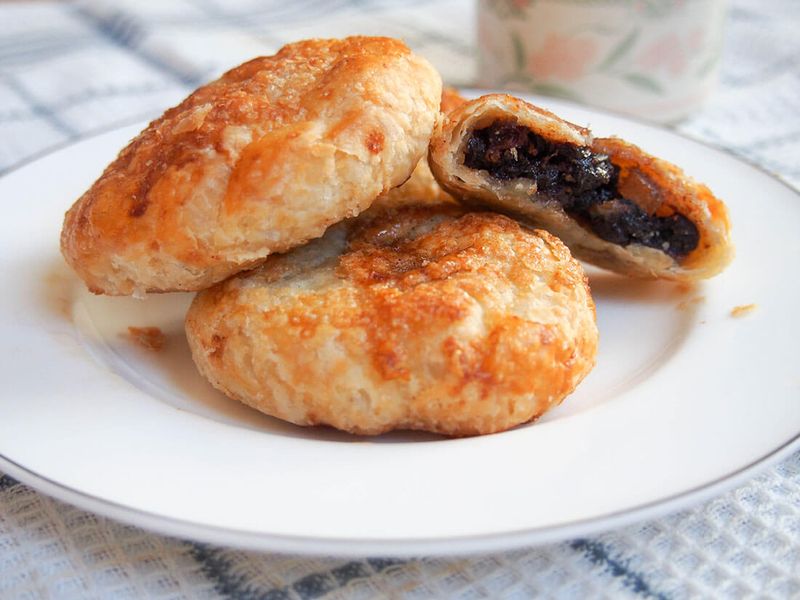
Genuine Eccles cakes from the Greater Manchester town are flaky, buttery pastries bursting with sweet currants and a hint of nutmeg. The golden, sugar-crusted tops shatter delightfully when you bite through to the fruity centre.
Similar pastries appear across Northern England with different names and recipes - Chorley cakes use shortcrust pastry and taste less sweet, whilst Banbury cakes are oval-shaped with added spices. Each town's version reflects centuries of baking rivalry and local pride.
12. Bara Brith
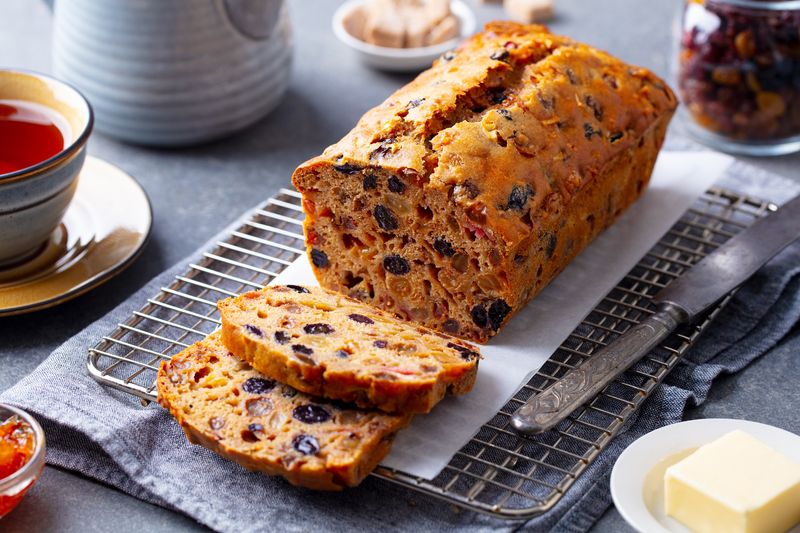
This Welsh fruit loaf varies dramatically across Wales, with North Welsh versions often featuring tea-soaked dried fruit and a cake-like texture that's moist and spiced. Some bakers add marmalade or mixed peel for extra zing.
South Welsh bara brith tends to be denser and breadier, sometimes made with yeast rather than baking powder. Regional recipes passed through families mean no two loaves taste identical, with each slice offering a unique blend of fruit, spice, and Welsh baking heritage.